By Samuli Haapasalo
Published: September 22, 2026
As the crisp air of autumn begins to signal the transition toward the harsh Nordic winter, nature enthusiasts across Finland are turning their attention to the seasonal migration and survival strategies of local bird populations. While the principles of winter feeding are well-documented, the current season offers unique opportunities to support not just common visitors, but specifically the threatened species that rely on our forests. This year, with the arrival of cold nights, the time to prepare is now.
Main Facts: The Strategic Importance of Winter Feeding
The act of providing supplementary food for birds is far more than a hobby; it is a vital intervention in the survival of many forest-dwelling species. As natural food sources—such as insect larvae, seeds, and berries—become buried under deep snow or frozen in place, birds must expend vast amounts of energy to find sustenance.
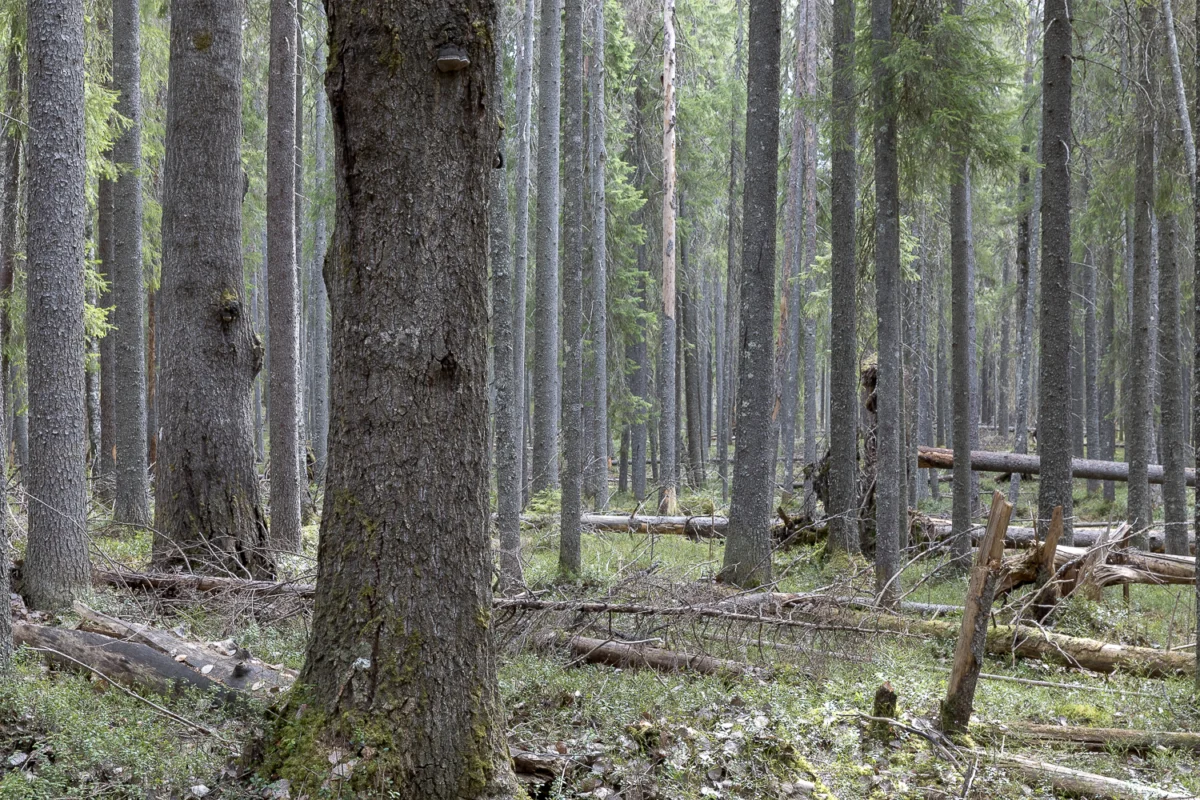
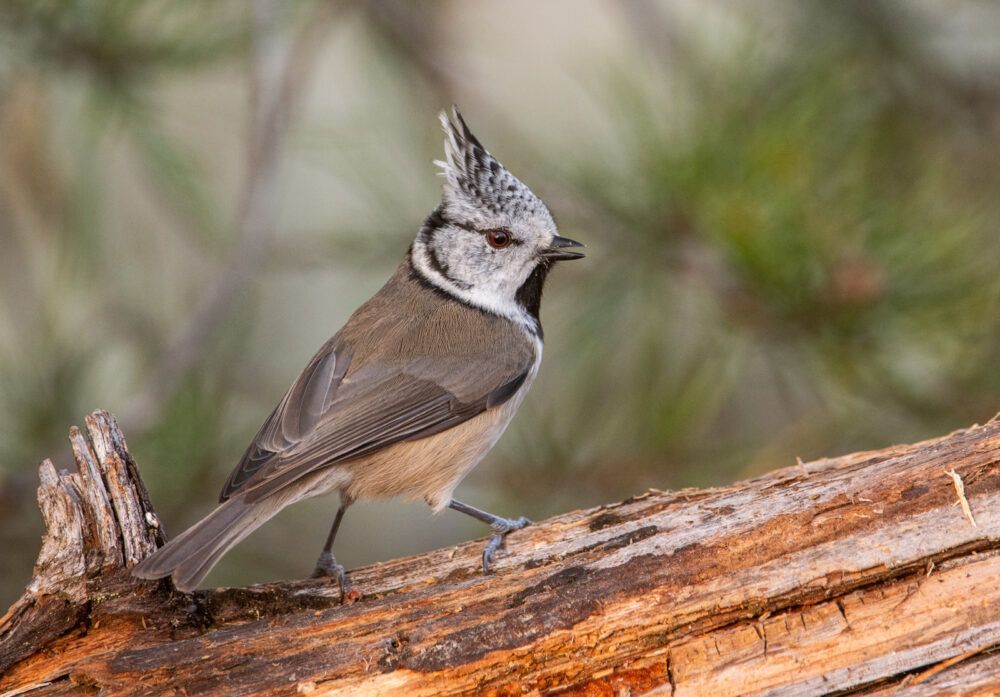
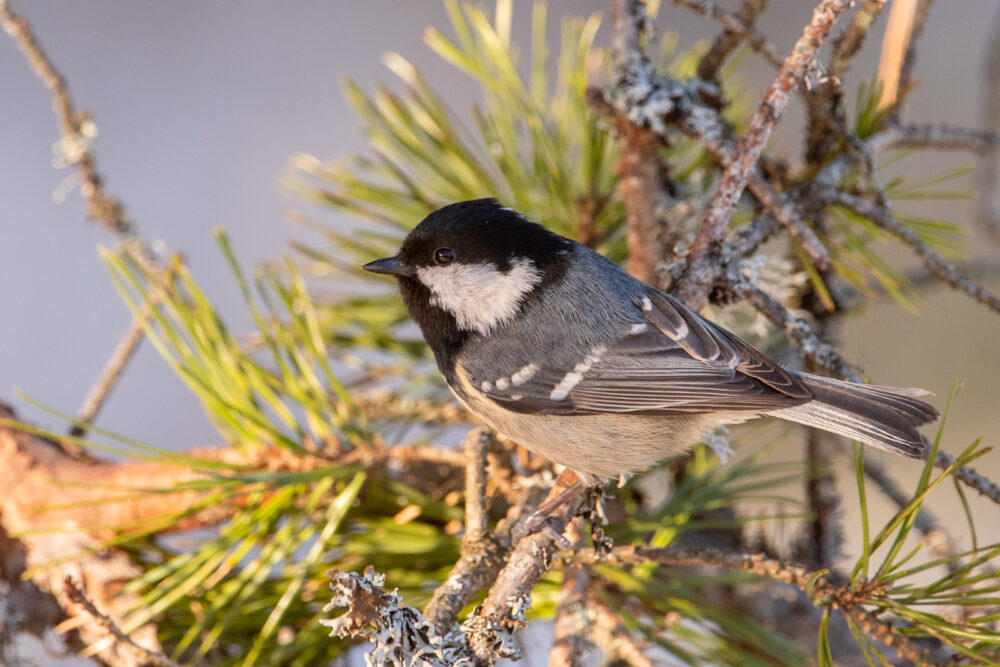
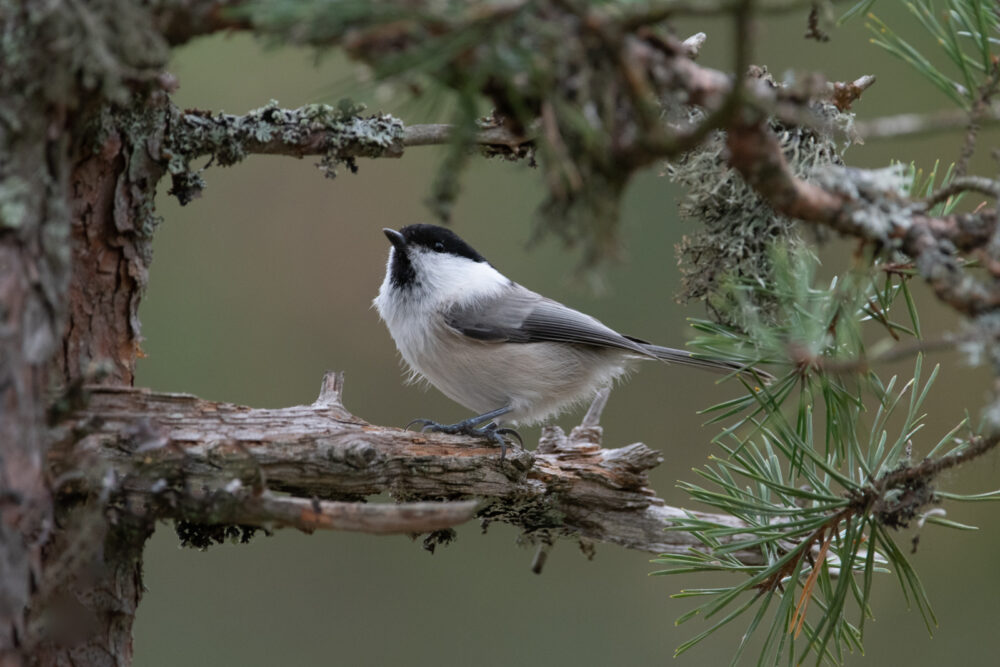
For species like the Willow Tit (Poecile montanus), the Crested Tit (Lophophanes cristatus), the Coal Tit (Periparus ater), and the Siberian Tit (Poecile cinctus), the winter months are a period of critical vulnerability. These "forest tits" are often specialized, and their survival is intrinsically linked to the health of the coniferous forests. By establishing feeding stations that mimic their natural habitats, we can provide a lifeline.
Crucially, the effectiveness of a feeding station is dictated by its location. Placing feeders in or near mature, diverse forests rather than open urban gardens allows these sensitive species to find food in a setting they recognize. Furthermore, feeders often act as magnets for other elusive birds, such as the Treecreeper (Certhia familiaris), which frequently follows tit flocks through the canopy.
Chronology: The Timing of Intervention
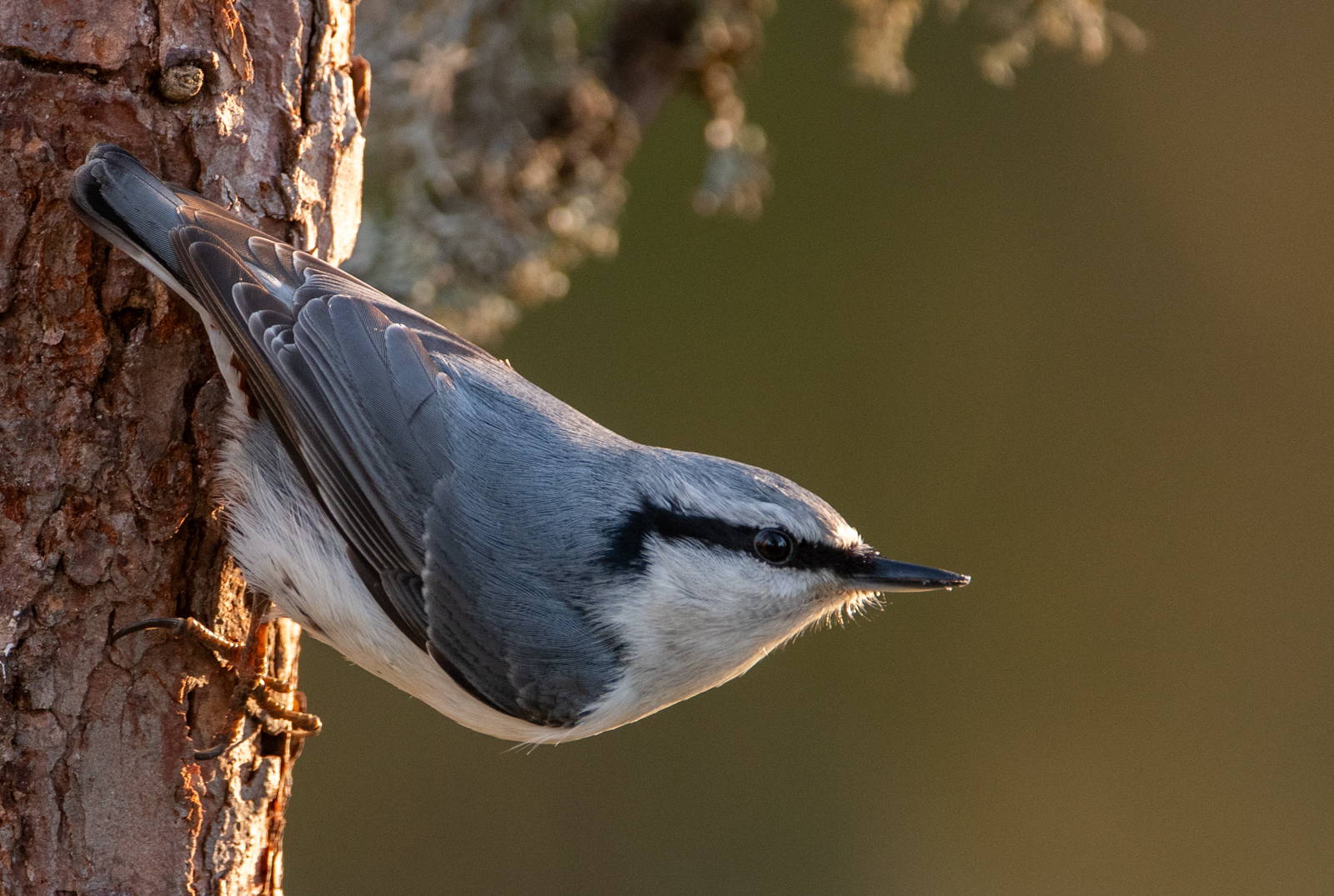
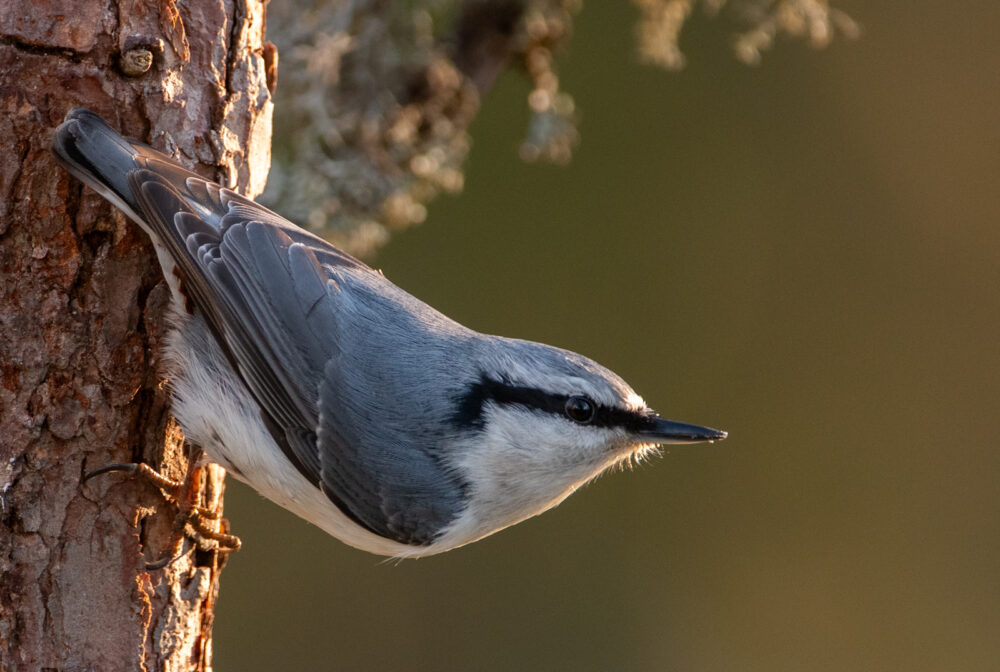
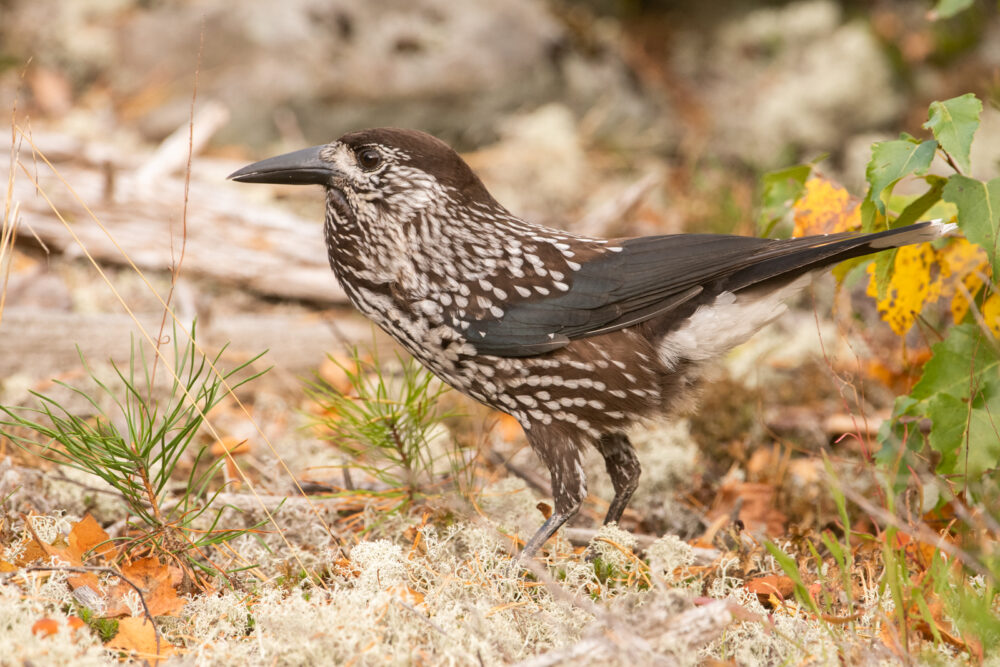
The success of winter feeding is highly dependent on timing. To attract more adventurous or rarer visitors, such as the Eurasian Nuthatch (Sitta europaea) or the Nutcracker (Nucifraga caryocatactes), one must establish a consistent food supply before the peak of winter.
- Early September: As temperatures begin to drop, birds begin their search for stable wintering grounds. Establishing feeders now ensures that sedentary birds establish a "territory" that includes your station.
- Late September/October: This is the peak window for migratory movement. This year, for instance, we are witnessing a significant migration of Nutcrackers. These beautiful, chocolate-brown birds are highly intelligent and often carry nuts in their throat pouches to cache for later consumption. Providing high-quality, split nuts now will encourage these birds to remain in the vicinity throughout the winter.
- November through February: The "maintenance phase." Consistency is key. Once birds have integrated your feeder into their daily foraging circuit, they rely on it. A sudden cessation of food during a cold snap can be fatal.
Supporting Data: Nutrition and Habitat Enrichment
When selecting food, quality must take precedence over quantity. Ornithologists and conservationists strongly advocate for the use of locally grown, organic, and weed-free seeds.
Dietary Recommendations:
- Nuts and Seeds: For the Nuthatch, crushed or halved nuts are the most effective. These should be served in a way that allows the bird to easily cache them.
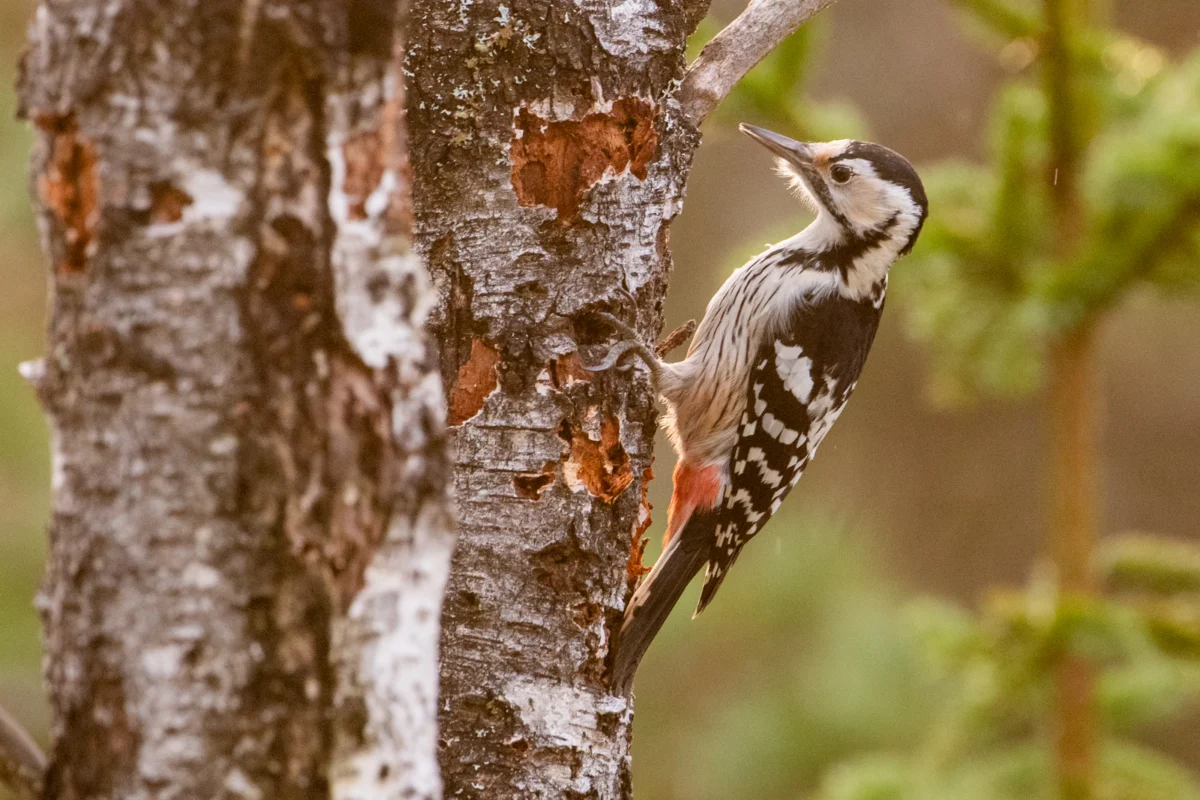
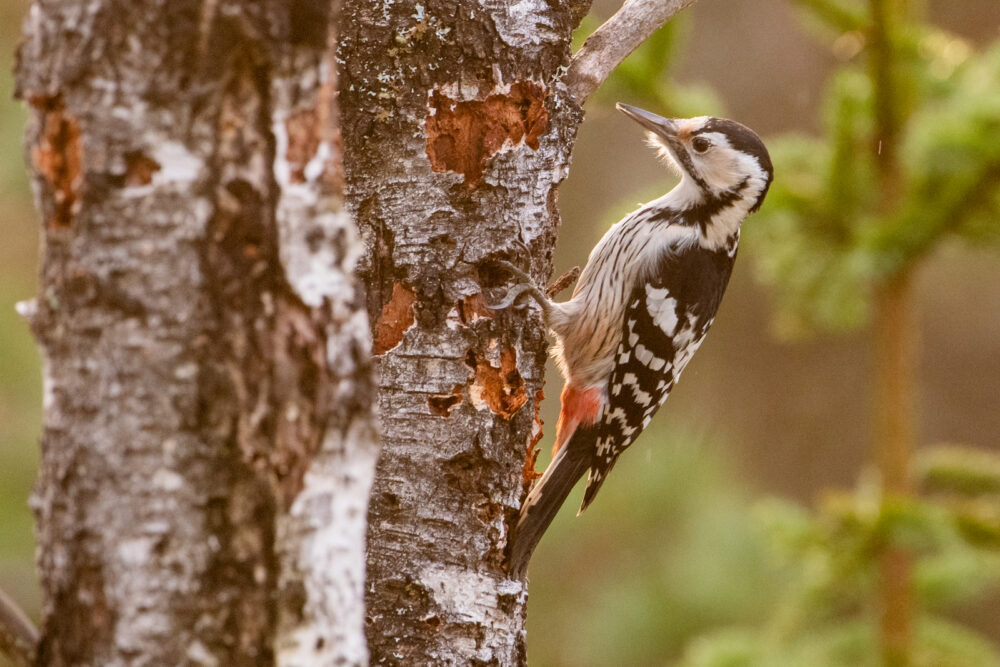
- Fats and Proteins: Woodpeckers, including the Lesser Spotted Woodpecker, the Grey-headed Woodpecker, the White-backed Woodpecker, and the Black Woodpecker, require high-energy fats. Natural lard (unprocessed, unsalted fat) or high-quality fat bars placed directly against the trunk of a tree mimic the natural insects they would otherwise hunt.
- Seed Selection: While sunflower seeds are a staple, one should ensure they are high-quality. Even species typically associated with natural foraging, like the White-backed Woodpecker, have been observed consuming sunflower seeds when natural sources are scarce, illustrating the adaptability of these birds under pressure.
Official Perspectives: Habitat Management Beyond Feeding
Feeding is only one half of the equation. To truly support the biodiversity of our forests, we must look at nesting and shelter.
As we progress through the winter, it is highly recommended to install nest boxes with a 28mm entrance hole. This specific size is perfect for tits while keeping larger, more aggressive competitors out.
Proactive Conservation Tips:
- Creating "Nursery" Boxes: Fill some of your nest boxes with wood shavings. This allows Willow and Crested Tits to hollow out their own nesting chambers in the spring, which is a vital part of their natural behavior.
- The Power of Decaying Wood: For those with forest access, attaching a piece of decaying birch (a "pökkelö") to a standing tree is a transformative act. By creating a small gap between the wood and the bark, you provide the perfect environment for tits to drill their own nesting holes. This is an exceptionally beneficial practice for the conservation of the endangered Willow and Crested Tit populations.
Implications: The Long-Term Impact on Avian Populations
The decline of old-growth forests and the loss of suitable nesting sites have pushed many of our forest tits and woodpeckers to the brink. By viewing our local bird feeders as miniature nature reserves, we participate in a larger, nationwide effort to stabilize these populations.
The "Year in Nature" project emphasizes that these small actions—cleaning feeders to prevent the spread of disease, choosing organic seeds to support local farmers, and providing physical shelter—collectively contribute to the resilience of the Finnish ecosystem.
Furthermore, these practices offer immense rewards for the observer. There is a profound psychological benefit to witnessing the "terhakkana" (the sprightly) movement of a Crested Tit or the cautious, sophisticated behavior of a Nutcracker. It creates a connection to the natural world that is often lost in our increasingly digital lives.
A Call to Action
As the nights continue to grow colder and the first frosts touch the ground, take a moment to look at your outdoor space. Is it a place where a weary Siberian Tit can find a safe haven? Does it provide the high-quality energy a Woodpecker needs to survive a sub-zero night?
Nature is a collaborative effort. By providing for the birds today, we ensure that the songs of the forest remain vibrant, even in the heart of the Finnish winter. We encourage all readers to maintain their stations with care, prioritize the needs of threatened species, and, above all, get out into the forest and observe these remarkable creatures in their element.
This guide was produced in collaboration with the ongoing research and community initiatives at "Vuosi luonnossa." For more information on how to support Finnish biodiversity or to join our community of nature enthusiasts, consider subscribing to Suomen Luonto magazine, where we provide in-depth reporting on the state of our environment and the species that call it home.