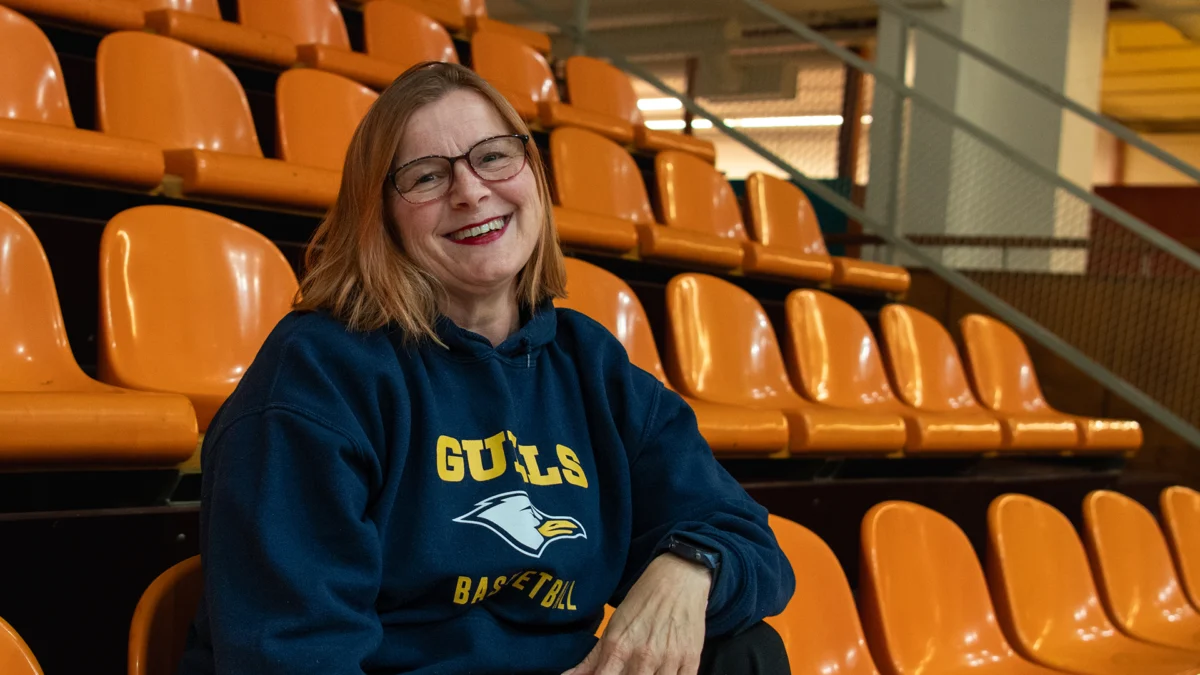
As Finland prepares for the annual "Club Shirt Day" (Seurapaitapäivä) on September 29th, the concept of "seurarakkaus"—or deep-seated love for one’s sports club—takes center stage. For Maarit Mansikka, this is not just a slogan; it is the tapestry of her life. From the hardwood floors of youth basketball to the roaring stands of the professional arena, Mansikka’s journey illustrates how community-driven sports serve as the bedrock of Finnish social cohesion.
The Essence of "Seurarakkaus"
In the landscape of Finnish sports, the question "Which club does your heart beat for?" is more than a casual inquiry. It is an invitation to display identity, loyalty, and history. Maarit Mansikka, a figure synonymous with grassroots passion and professional engagement, embodies this sentiment. Her connection to the basketball community has evolved over decades, mirroring the stages of her own life.
"Seurarakkaus is about acknowledging your colors," Mansikka says, reflecting on the upcoming national celebration. "It’s about being part of something larger than yourself, where the barriers of professional life and social status dissolve the moment you step onto the court."
Chronology of a Basketball Life
The Early Years: The Spark of Competition
Mansikka’s love affair with basketball began at the age of eight. Like many Finnish children, she found her introduction to the sport through a school physical education club. The simplicity of the game—the sound of a bouncing ball, the camaraderie of the team, and the thrill of competition—was intoxicating. This passion sustained her through her teenage years, fostering a discipline that would later define her adult life.
However, as is common in the rhythm of life, the sport took a back seat as she transitioned into motherhood. For a period, the court remained empty. Yet, the gravitational pull of the game was inevitable. When her own children began to show interest in basketball, Mansikka found herself back in the gym, first as a supportive parent, and soon after, as an active participant once again.
The ToPoLa Years: Learning the Ropes
Her return to the sport was characterized by a rapid escalation in involvement. Lauttasaaren ToPoLa (ToPoLa) became the crucible for her development as a sports leader. She moved beyond the role of a spectator, diving into the administrative and functional depths of the club.
"I started as a parent, but I quickly caught the bug," she recalls. "I became a team leader, a coach, and eventually a member of the club’s board." Her influence expanded to the national level, where she contributed to the Finnish Basketball Association as a league supervisor. Perhaps most notably, she helped establish the "Mamma-sarja" (Moms’ League), which has since evolved into a thriving women’s recreational league. "I didn’t know anything about board work, but the support was incredible. We learned everything together."
The Seagulls Era: From Skeptic to Fan Leader
In 2013, the landscape of Helsinki basketball changed with the arrival of Helsinki Seagulls, a club with ambitious goals for the professional Korisliiga. Mansikka’s initial reaction was one of skepticism. "I was on the board of ToPoLa at the time, and when Seagulls asked for training space, I was against it," she admits with a laugh. "I didn’t want the youth to lose their court time. It was a matter of principle."
Fate, however, had other plans. A friend persuaded her to attend a qualification match. The atmosphere, the intensity, and the professional caliber of the play shifted her perspective entirely. After witnessing the Seagulls’ ascent to the Korisliiga, she was hooked.
When the club reached out for help with fan engagement, Mansikka didn’t hesitate. For four years, she led the Seagulls’ fan group, transforming the stands into a vibrant, supportive community. Even as she moved away from Helsinki, her loyalty remained. "I still go to the ‘Kisis’ (Kisahalli) when I can, often sitting with the drums," she says. "Being in that crowd was a point of pride—it showed that I was part of the team’s heartbeat, through the wins and the losses."
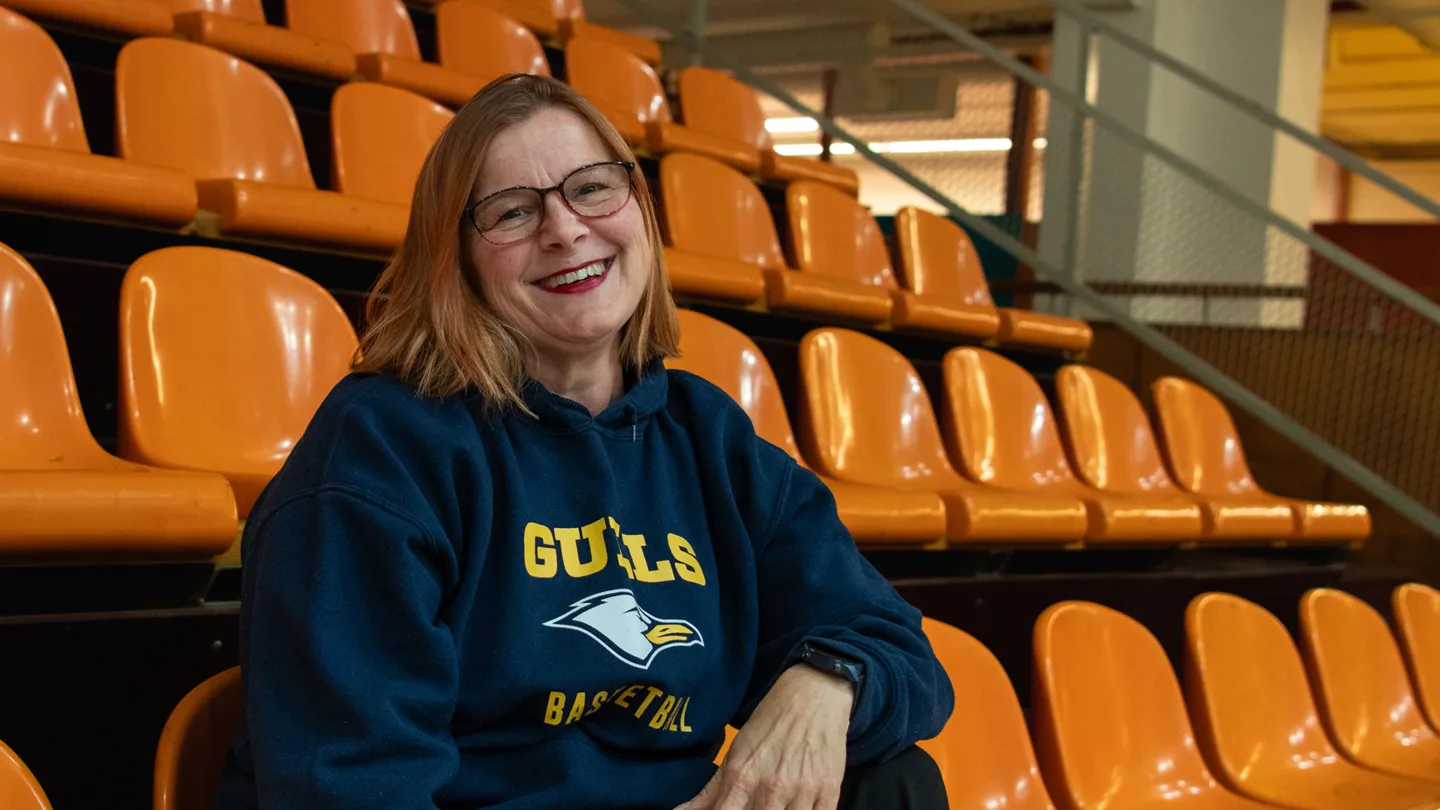
The Present: The "Rough Diamonds"
Today, residing outside Helsinki, Mansikka continues to play. She is a founding member of the Rough Diamonds, a team under the Pakilan Visa club that plays in the very league she helped establish years ago.
"The Rough Diamonds are a huge part of my life," she says. "For a middle-aged woman, finding a new group and a new social circle is a tremendous luxury. When we put on our jerseys, it doesn’t matter what you do for a living. On the court, we are all equal. We are friends who want the best for each other."
Supporting Data: The Power of the Finnish Club Model
The significance of Mansikka’s story is backed by broader societal data. In Finland, one-third of the population is actively involved in sports club activities. Whether as athletes, coaches, volunteers, or administrators, approximately 1.8 million Finns participate in this ecosystem annually.
- Volunteerism: The Finnish sports sector is largely fueled by a volunteer-led model, which sustains the viability of local clubs across the country.
- Social Impact: Studies suggest that participation in club sports significantly reduces feelings of social isolation and increases community resilience, particularly among adults and the elderly.
- Inclusivity: The growth of recreational leagues, like the one Mansikka helped pioneer, has been instrumental in lowering the barrier to entry for women, ensuring that the lifelong benefits of sport are accessible beyond youth competitive programs.
Official Responses and The Significance of Club Shirt Day
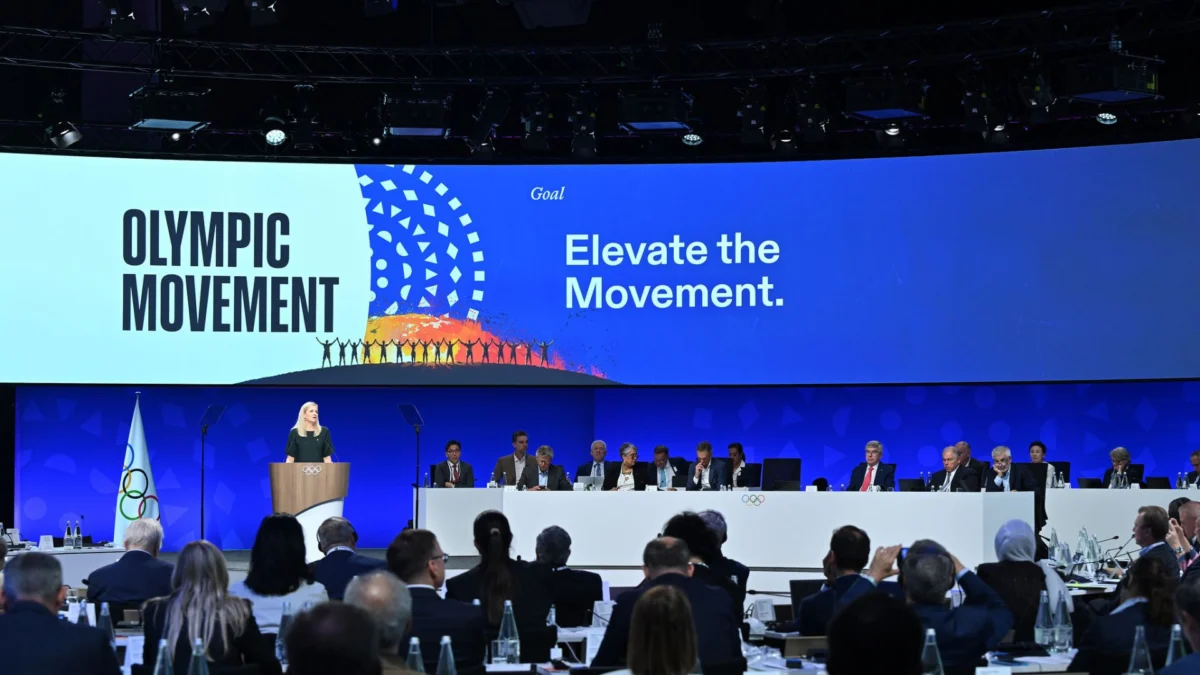
The Finnish Olympic Committee, which promotes "Club Shirt Day" (Seurapaitapäivä), emphasizes that this is not merely a marketing campaign. It is a recognition of the "largest popular movement in Finland."
"The influence of club activities on individuals and society at large is indisputable," the Committee notes. By encouraging citizens to wear their club colors on September 29th, the movement aims to highlight the hidden heroes of the sports world—the volunteers, the parents, and the coaches who keep the lights on in local halls and stadiums.
For the governing bodies, the goal is to reinforce the value of these institutions as essential hubs of social life. They argue that as digital isolation increases, the physical, face-to-face interaction provided by sports clubs is more vital than ever for national mental and physical health.
Implications for the Future
Maarit Mansikka’s journey holds a critical lesson for the future of sports: the sustainability of a club depends on its ability to evolve alongside its members. From the organizational rigor of ToPoLa to the high-stakes environment of the Seagulls and the supportive, social nature of the Rough Diamonds, her experience shows that "seurarakkaus" is dynamic.
However, Mansikka also issues a warning regarding the culture of modern sports fandom. "I hope fan culture stays supportive and moves away from the toxic behavior we sometimes see," she notes. "If a team is struggling, I believe fans should be there to lift them up. It’s about the loyalty that exists during the bad times, not just the good."
Looking Ahead
As the nation prepares for Club Shirt Day, the narrative of Maarit Mansikka serves as a call to action. It is a reminder that a club is not just a building or a logo—it is a network of human relationships. Whether one is a professional athlete or a recreational player in a suburban gym, the act of participating in club life is an act of civic engagement.
By wearing those colors on September 29th, Finns are not just supporting a team; they are supporting the community structures that define their identity. For Mansikka, the mission remains clear: keep playing, keep supporting, and above all, keep the community at the heart of the game.