By Michael Sertle | August 26, 2026
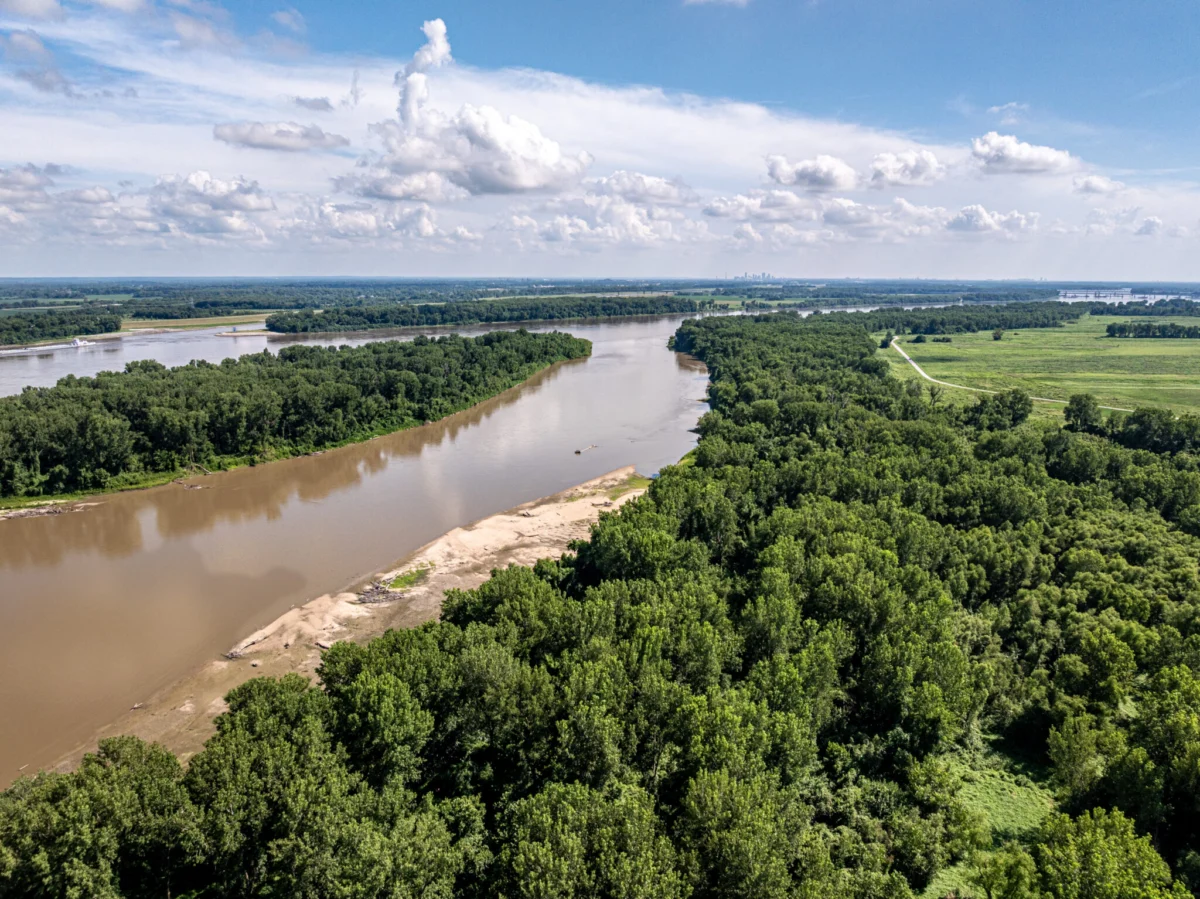
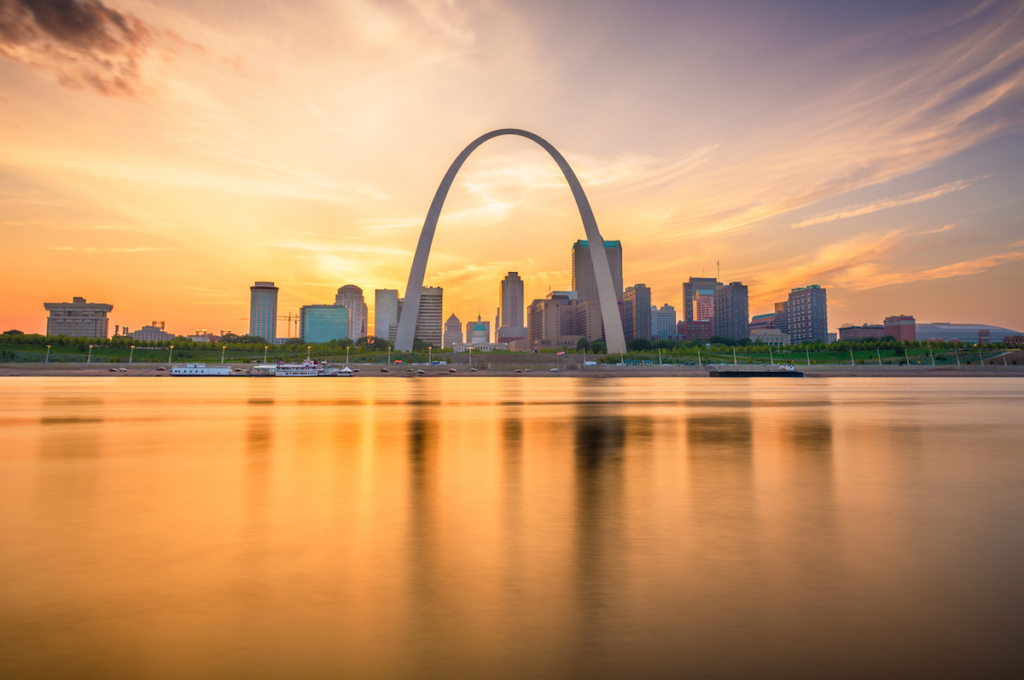
From its modest origin as a pristine snowflake high in the craggy peaks of Montana’s Rocky Mountains to its churning, silt-laden confluence with the Mississippi River in St. Louis, the Missouri River—affectionately and historically known as the "Big Muddy"—is more than just a waterway. It is the lifeblood of the American heartland, a sprawling artery that has sustained human civilization, shaped the continental landscape, and defined the economic and cultural character of the United States for centuries.
Yet, today, this iconic river stands at a precarious juncture. Buffeted by the dual pressures of climate-induced volatility and the long-term ecological consequences of mid-20th-century engineering, the Missouri River is in urgent need of a modern, comprehensive vision for its future.
The Historical Weight of the Big Muddy
The Missouri River’s story is deeply intertwined with the history of the North American continent. Long before the arrival of European explorers, the river served as a vital highway for trade, transportation, and spiritual sustenance. Twenty-nine Tribal Nations hold enduring cultural, economic, and water rights to the Missouri, viewing the river not as a resource to be exploited, but as a living ancestor.
The historic "Corps of Discovery Expedition" led by Lewis and Clark in the early 19th century utilized the Missouri as the primary gateway for the expansion of the newly formed United States. The river provided the path westward, facilitating the mapping of the American interior and opening up vast tracts of land for settlement. However, this period of expansion also marked the beginning of a profound transformation in how the river was perceived: from a wild, untamable force to an asset to be engineered.
The Engineering Era: The Pick-Sloan Legacy
The mid-20th century fundamentally altered the Missouri’s character. The passage of the Pick-Sloan Flood Control Act of 1944 served as the turning point. In an ambitious effort to provide flood control, irrigation for a growing agricultural sector, commercial navigation for barges, and massive hydropower generation, the federal government embarked on a monumental campaign of damming and levee construction.
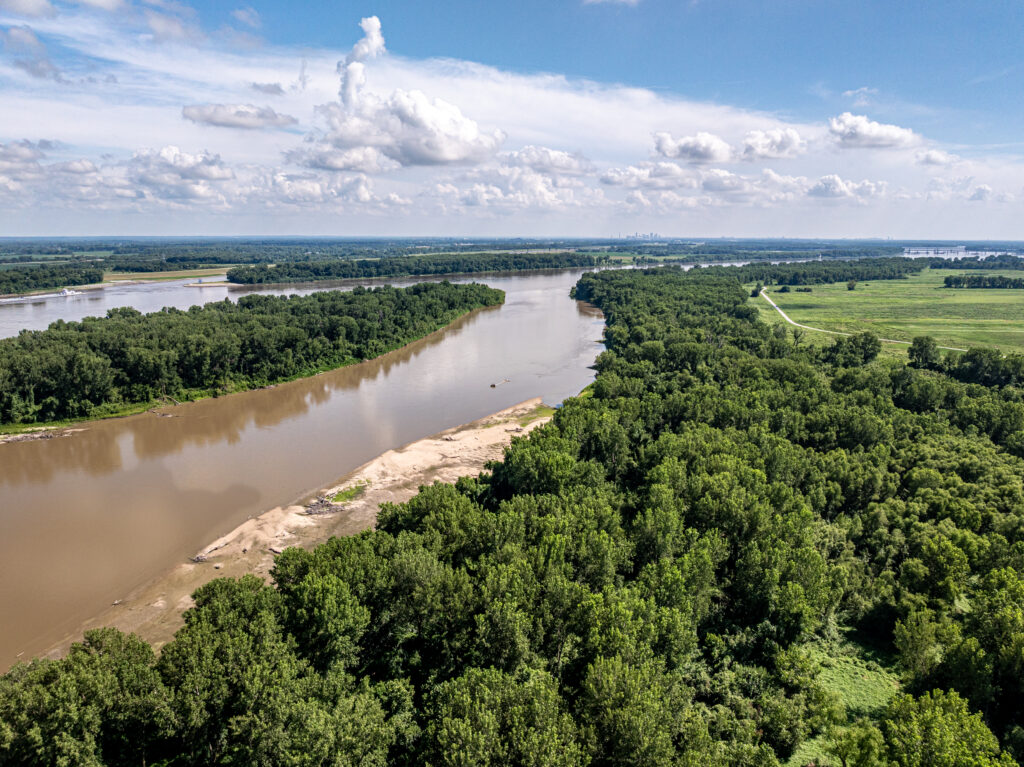
While the Act succeeded in providing a degree of stability for human development, it came at a steep environmental cost. The "Big Muddy" was effectively placed in a straitjacket. The river’s natural flow patterns were suppressed, sediment transport was interrupted by dams, and thousands of miles of levees severed the connection between the river and its vital floodplain. The result was a river that became, in many respects, a series of stagnant reservoirs and constrained channels, losing the dynamic complexity that once allowed it to thrive.
Conservation and the Path Toward Recovery
As the ecological health of the river declined, alarm bells began to sound among conservationists. American Rivers, among the first organizations to sound the alarm, identified the Missouri as a top-tier conservation priority. The precipitous decline of iconic species—the pallid sturgeon, the piping plover, and the interior least tern—signaled that the river’s ecosystem was failing.
These species, which rely on the river’s natural hydrology and the creation of sandbars for nesting and spawning, became the faces of a movement to reform the management of the Missouri. This advocacy culminated in the Congressional creation of the U.S. Army Corps of Engineers’ (USACE) Missouri River Recovery Program (MRRP).
Key Pillars of the MRRP
The MRRP was designed to balance the competing interests of human use and ecological restoration. Its core objectives include:
- Restoring Natural Hydrology: Mimicking the seasonal flow patterns that historically defined the river.
- Habitat Creation: Building shallow-water habitat and sandbars to support endangered species recovery.
- Floodplain Reconnection: Using levee-setbacks to allow the river to access its natural floodplains, reducing pressure on downstream infrastructure while providing ecosystem services.
The efficacy of these efforts has been mixed but encouraging. The de-listing of the interior least tern serves as a major success story, proving that targeted policy changes and habitat restoration can yield positive results. However, the work remains unfinished. Of the 166,750 acres of floodplain earmarked for acquisition and restoration under the BSNP (Bank Stabilization and Navigation Project) mitigation plan, more than half remains to be completed.
Supporting Data: The Climate Reality
The challenges facing the Missouri today are compounded by a rapidly shifting climate. We are witnessing more frequent and intense flooding events, followed by periods of prolonged, devastating drought. These erratic cycles put immense strain on aging infrastructure.
Data from the past decade indicates that the "new normal" for the Missouri is one of instability. Water quality, once managed through predictable cycles, is now subject to the impacts of extreme runoff events, which flush agricultural pollutants into the main stem. Furthermore, public access to the river is increasingly restricted, limiting the ability of local communities to engage with the very water source that defines their regional identity.
Official Stakeholders and the Path Forward
To ensure that conservation efforts remain on track, organizations like American Rivers have stepped into formal roles as "Fish and Wildlife Stakeholders" for the Missouri River Recovery Implementation Committee (MRRIC). By working directly with the USACE and other federal agencies, these stakeholders provide an essential check on policy, advocating for:
- Congressional Funding: Ensuring that the MRRP has the fiscal backing required to meet its ambitious land-acquisition goals.
- Floodplain Restoration: Pushing for the rapid completion of levee-setback projects, which provide a dual benefit of natural flood storage and expanded public recreation space.
- Policy Integration: Aligning state and federal initiatives to ensure that the "Big Muddy" is managed as a unified, ecological whole rather than a fragmented series of managed segments.
Implications for the Future
The implications of failing to act are profound. If the Missouri continues to be managed solely for the convenience of current-day infrastructure, the biodiversity of the entire basin will likely continue to collapse. More importantly, the communities along the river will remain highly vulnerable to the escalating frequency of natural disasters.
Conversely, a commitment to restoring the river’s floodplain is a commitment to the long-term safety and prosperity of the region. Reconnected floodplains act as a sponge, absorbing floodwaters that would otherwise threaten homes and businesses. They also serve as filters, improving water quality for millions of people who rely on the Missouri as a source of municipal water.
A Holistic Vision
Moving forward, American Rivers is prioritizing a multifaceted strategy. This involves not only the direct acquisition of land but also promoting enrollment in U.S. Farm Bill conservation programs, which incentivize private landowners to manage their property in ways that benefit the watershed. By engaging a broad coalition of government agencies, non-profits, the business sector, and private citizens, the goal is to shift the Missouri from a narrative of "control" to one of "coexistence."
The "Big Muddy" is not merely a relic of our past expansion; it is a vital, living system that holds the key to the region’s resilience. Protecting it requires acknowledging the mistakes of the 20th century while embracing the science and collaborative spirit of the 21st. As we look toward the future, the mandate is clear: we must restore the connectivity, the biodiversity, and the health of the Missouri River. A river that has given so much to the growth of this nation deserves a future that is as healthy, vibrant, and enduring as its history.
The Missouri River has been the backbone of our nation’s development. It is time we return the favor by ensuring its waters run clean, its floodplains remain wide and accessible, and its future remains secure for generations to come.