By [Your Name/Journalistic Desk]
In an era defined by rapid urbanization, digital saturation, and the relentless pace of modern consumerism, humanity finds itself at a precarious crossroads. As our daily lives become increasingly mediated by screens and concrete, a profound psychological and ecological "nature deficit" has taken root. According to naturalist, author, and conservationist William E. Simpson II, this growing abyss between modern society and the natural world is not merely a lifestyle shift—it is an existential threat to our stewardship of the planet.
To bridge this divide, experts are increasingly looking toward ecotourism not just as a leisure industry, but as a vital educational and conservation tool. By shifting the focus from passive consumption to active, immersive engagement, ecotourism offers a blueprint for a more sustainable future.
The Nature Deficit: A Modern Crisis
The modern human experience is characterized by a detachment from the sensory feedback loops that once defined our relationship with the earth. The "smell of a pine forest," the "dialogue between eagles circling overhead," or the "sight of a majestic wild stallion standing guard" are experiences that provide more than aesthetic pleasure—they provide essential context for our existence.
When society loses touch with these phenomena, it loses the intrinsic motivation to protect the ecosystems that support them. While high-definition documentaries and digital media have attempted to fill this void, Simpson argues that they are "no substitute for ecotourism programs that uniquely provide actual immersion into nature and the experience of the wonders that exist therein, firsthand."
The Psychology of Immersion
Ecotourism operates on the principle of "educational communion." Unlike traditional tourism, which often treats natural sites as mere backdrops for human activity, ecotourism focuses on the reciprocal relationship between the visitor and the ecosystem. This immersion fosters a sense of empathy; when a traveler witnesses a wild animal in its natural habitat, the abstraction of "conservation" becomes a tangible, emotional imperative.
Chronology of an Ecotourism Evolution
The shift toward valuing ecotourism as a management tool is a relatively recent development in the history of land management.
- 1990s–2000s: The rise of the sustainable travel movement. Organizations like The International Ecotourism Society (TIES) began defining global standards, emphasizing the importance of local community involvement and environmental education.
- 2010s: The realization that traditional "hands-off" preservation was insufficient to curb biodiversity loss. Scientists and land managers began exploring "rewilding" as a viable strategy to restore ecological balance.
- 2020–Present: The post-pandemic surge in nature-based tourism. As travel patterns shifted toward domestic, outdoor-focused experiences, the economic viability of ecotourism became impossible to ignore, particularly in rural economies struggling to diversify beyond traditional agriculture.
Supporting Data: The Case for Wild Horses
One of the most compelling, yet debated, intersections of ecotourism and conservation involves the rewilding of American wild horses. The controversy surrounding the Bureau of Land Management’s (BLM) management of these herds provides a distinct case study in the potential for economic and ecological synergy.
The Economic Argument
Current BLM management practices—which rely heavily on the round-up and long-term holding of wild horses—cost taxpayers approximately $100 million annually. This financial burden is compounded by the fact that these animals are often removed from public lands due to perceived conflicts with livestock production.
However, data from regions like Moffat County, Colorado, suggest that wild horse tourism provides a significant, consistent, and growing revenue stream for rural communities. By keeping horses on the land, local economies benefit from increased visitation, lodging, and hospitality spending.
Ecological Benefits: The Fire Mitigation Factor
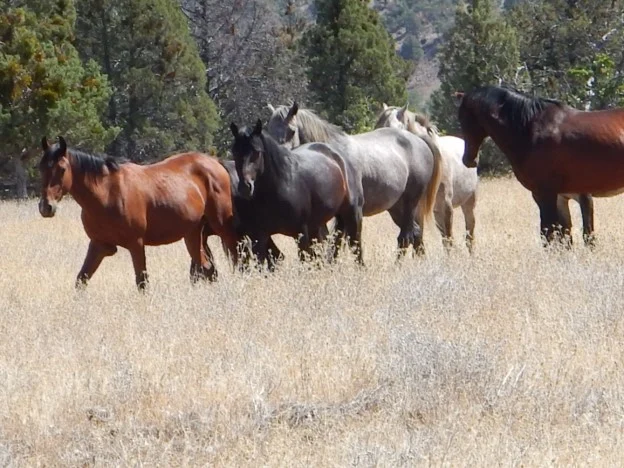
Beyond the economic arguments, there is a mounting scientific case for the ecological role of horses in fire-prone environments. Wild horses act as natural fuel-reduction agents. By grazing on dried grasses and dense brush, they reduce the biomass that acts as kindling for catastrophic wildfires.
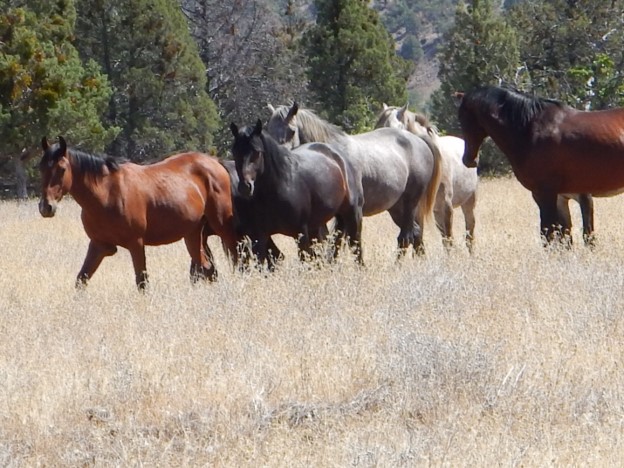
In a time of record-breaking fire seasons, the intelligent rewilding of horses into specific, appropriate wilderness areas serves a dual purpose: it mitigates the risk of fire and restores the dynamic, grazing-influenced landscapes that have been absent since the extirpation of native megafauna.
Official Responses and Policy Implications
The implementation of these strategies is not without friction. The Bureau of Land Management, tasked with balancing multiple uses of public lands—including grazing, mining, recreation, and conservation—faces immense pressure from various stakeholders.
The Conflict of Land Use
The primary friction exists between the livestock industry and wild horse advocacy groups. Ranchers often view wild horses as competitors for forage on public grazing allotments. Conservationists, meanwhile, point to the historical presence of equids on the North American continent as evidence that they are a "re-introduced" rather than an "invasive" species.
The emerging consensus among progressive conservationists is that "appropriate rewilding" is the key. This involves:
- Ecological Mapping: Identifying areas where horses can survive without damaging sensitive riparian zones.
- Community-Led Management: Allowing local communities to manage the herds for tourism, turning the animals into an asset rather than a liability.
- Collaborative Governance: Engaging stakeholders—including livestock producers—to find equitable solutions that prioritize land health over single-industry dominance.
The Path Forward: Stewardship Through Experience
As we look toward the next decade, the challenge for environmental policy is to integrate the "immersion" that ecotourism provides with the "management" that land conservation requires.
Bridging the Abyss
The abyss between man and nature can only be bridged by creating more access points for people to engage with wild spaces. This requires a paradigm shift in how we perceive public lands. Instead of seeing them as "resources to be extracted," we must view them as "classrooms to be experienced."
The benefits of this shift are multi-dimensional:
- Public Health: Increased access to nature correlates with improved mental health and stress reduction.
- Economic Resilience: Ecotourism creates sustainable, long-term jobs that cannot be easily outsourced or automated.
- Environmental Integrity: A public that has experienced the beauty of a stallion in the wild is a public that will vote to protect the lands that horse calls home.
Conclusion: A Call to Action
The work of organizations like The International Ecotourism Society and the efforts of naturalists like William E. Simpson II underscore a fundamental truth: we protect what we love, and we love what we know.
Ecotourism is more than a vacation—it is an antidote to the alienation of the modern age. By reclaiming our place within the ecosystem rather than standing apart from it, we foster the compassion and the stewardship required to ensure that the wonders of the natural world survive for generations to come. Whether through the rewilding of American landscapes or the simple act of stepping into the woods to listen to the eagles, the journey back to nature is the most important trip we can take.
For more information on the intersection of wild horse management, fire reduction, and ecotourism, visit www.WHFB.us or explore the resources provided by The International Ecotourism Society.