For many, the word "piranha" conjures images of frenzied, toothy predators stripping a carcass to the bone in seconds—a trope cemented by decades of Hollywood horror cinema. However, for the indigenous communities of the Amazon Basin and adventurous travelers venturing into South America’s remote waterways, the piranha is not a movie monster; it is a staple protein. Far from the terrifying predator of folklore, the piranha is a versatile, firm-fleshed fish that has sustained human populations for centuries.
The Reality of the Piranha: Main Facts
Piranhas belong to the family Serrasalmidae, a group of freshwater fish native to South American rivers, floodplains, and lakes. While their reputation for ferocity is globally recognized, the biological reality is more nuanced. Many species are omnivorous, consuming fruits, seeds, and plant material alongside insects and other fish.
From a culinary perspective, piranha is a freshwater fish characterized by its firm, white, flaky meat. It is neither toxic nor inherently dangerous to consume, provided it is sourced from clean, non-contaminated water and prepared with the same hygiene standards applied to any other game fish. The primary barrier to its popularity as a global food source is not the flavor, but the morphology: piranhas are notoriously bony, requiring careful preparation and specific culinary techniques to be enjoyed comfortably.
A Chronological Perspective: From River to Table
The consumption of piranha is deeply rooted in the history of the Amazonian riverine culture. For generations, local fishermen have utilized the species as a reliable source of protein.
- Pre-Colonial Era: Indigenous tribes throughout the Amazon Basin relied on diverse fishing methods—including bow-and-arrow, woven traps, and later, basic netting—to harvest piranha. Historically, it was a daily sustenance item, typically prepared in communal soups or grilled over open flames.
- The 20th Century "Monster" Narrative: The mid-1900s marked a shift in the global perception of the fish. Through sensationalized media reports and films like Piranha (1978), the animal was transformed into a pop-culture icon of terror. This stigmatization led to a significant decline in its perceived value as a food source in the Western world.
- The Modern Culinary Shift: In the last two decades, the rise of "adventure tourism" and the global appreciation for regional, indigenous foodways have brought piranha back to the table. Modern eco-lodges and river cruises in Brazil, Peru, and Ecuador now frequently feature piranha on their menus as a way to provide guests with an authentic, immersive experience.
Supporting Data: Culinary Profile and Nutritional Utility
Understanding the piranha as a food source requires an objective look at its physical and chemical properties.
Flavor and Texture
When prepared correctly, piranha has a flavor profile often compared to tilapia or bass—mild, clean, and slightly sweet. However, the taste is highly dependent on the water quality of its habitat. Fish caught in murky, stagnant, or polluted water can take on a "muddy" or earthy flavor, which is a common challenge with many freshwater species.
Quick Taste Summary Table:
| Feature | Analysis |
|---|---|
| Flavor Profile | Mild to moderately fishy; highly dependent on water clarity |
| Texture | Firm, white, and distinctively flaky |
| Bone Density | High; requires patient consumption |
| Primary Preparation | Soup, frying, or grilling |
| Ideal Consumer | Adventurous eaters and those familiar with whole-fish prep |
The Bone Challenge
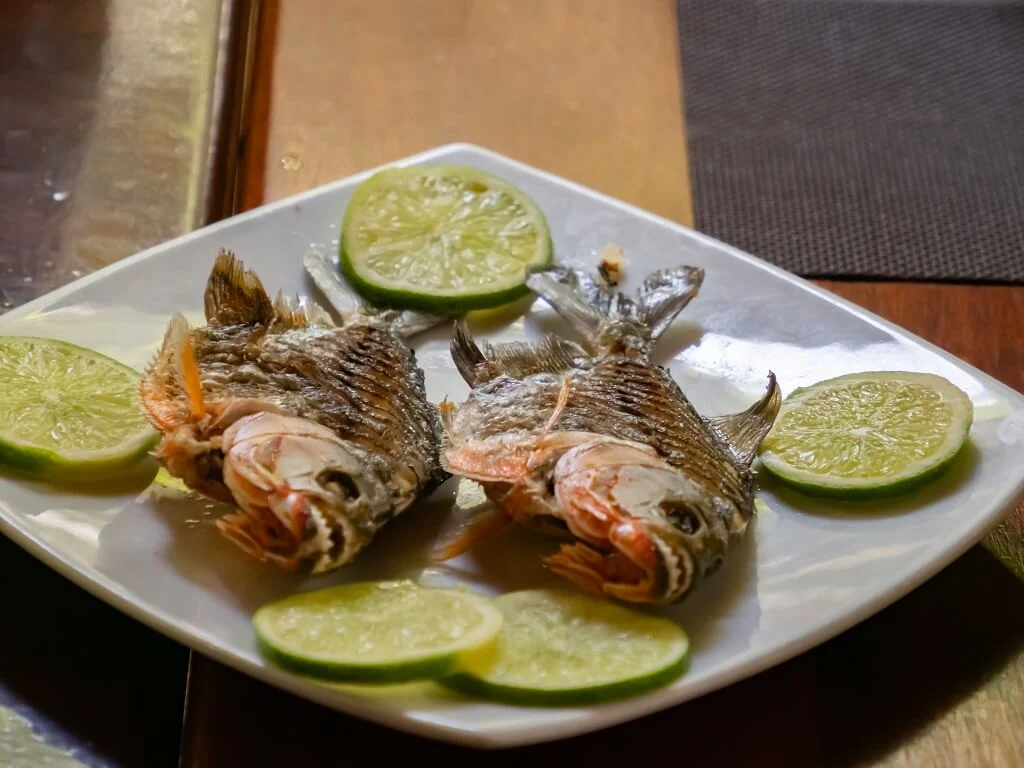
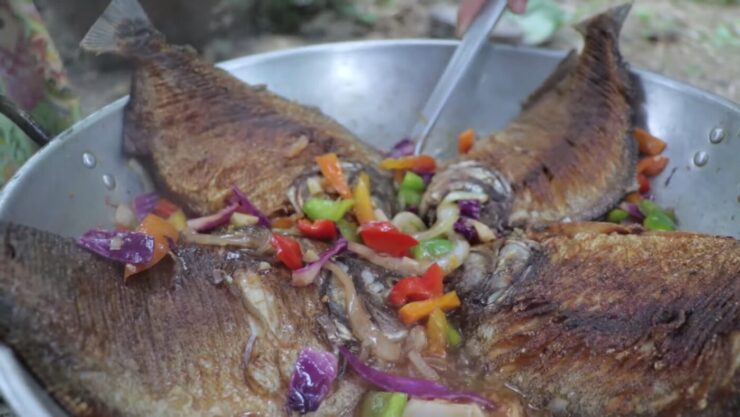
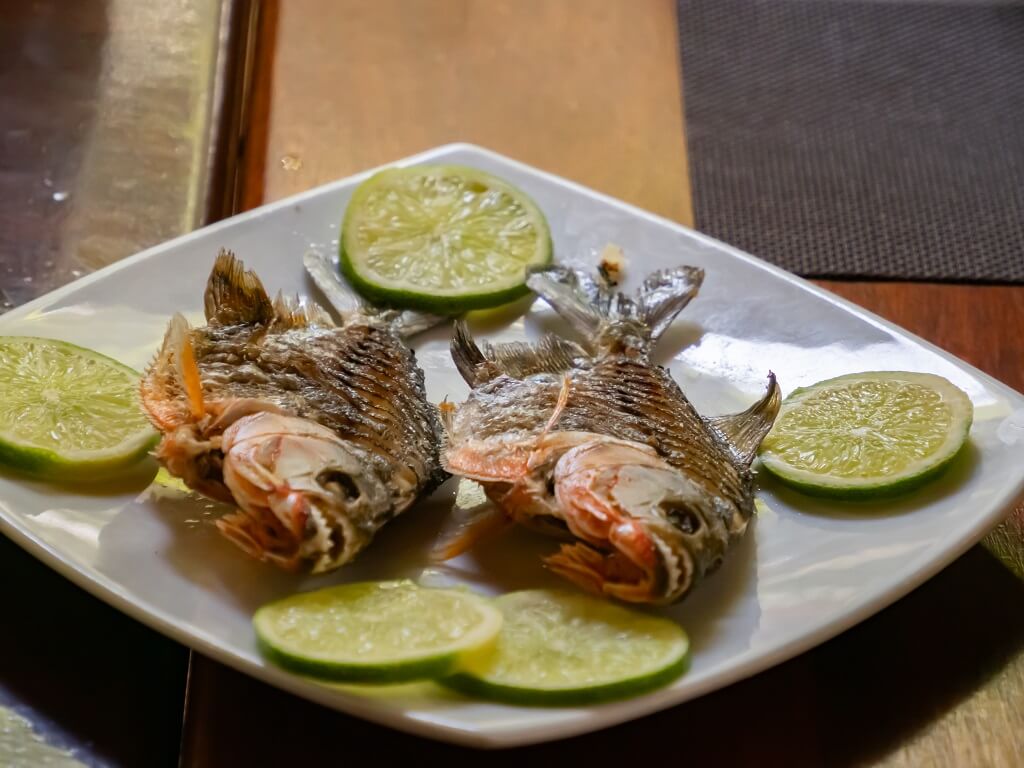
The most significant deterrent for the uninitiated is the bone structure. Piranhas possess a high number of intramuscular bones. To mitigate this, local chefs in the Amazon often utilize the whole fish, simmering it in soups where the meat naturally pulls away from the skeletal structure, or deep-frying it until the smaller, thinner bones become brittle and negligible.
Official Guidelines and Safety Protocols
While piranha is safe to eat, it is not immune to the standard risks associated with wild-caught fish. Governmental bodies provide clear frameworks for consumption.
Food Safety Standards
The U.S. Food and Drug Administration (FDA) and FoodSafety.gov emphasize that safety is not about the species, but the process. The standard recommendation is to cook fish to an internal temperature of 145°F (63°C). At this temperature, the flesh should be opaque and separate easily when tested with a fork.
Mercury and Contaminant Advisories
As an apex predator in many river ecosystems, piranhas can bioaccumulate heavy metals like mercury. The Environmental Protection Agency (EPA) advises that anyone consuming wild-caught fish—whether in the Amazon or elsewhere—should check local water advisories. In South America, riverine communities often have local knowledge regarding which waterways are safe for fishing and which are prone to agricultural or mining runoff. Travelers are strongly encouraged to rely on reputable, local guides rather than attempting to catch and eat fish from unknown, potentially polluted sources.
The Hazards of Handling: A Practical Approach
The "danger" of the piranha is most prevalent before it reaches the frying pan. The fish possesses a formidable bite, and injuries are common among amateur anglers who lack proper handling techniques.
- Use Specialized Tools: Never attempt to remove a hook with your fingers. Use needle-nose pliers or a hook remover.
- Maintain Control: When fishing from a kayak or small boat, keep the fish contained. A thrashing piranha in a confined space is a recipe for a trip to the emergency room.
- Respect the Jaw: The teeth are razor-sharp and the jaw strength is significant; treat the mouth area with the same caution one would use with a venomous snake or a large predator.
Socio-Economic and Environmental Implications
The consumption of piranha is not just a culinary curiosity; it is an economic driver for many remote South American regions. Eco-tourism, which incorporates catch-and-cook fishing excursions, provides an incentive for local communities to preserve their waterways.
Sustainability and Invasive Concerns
While piranha is a sustainable food source in its native range, the implications for non-native environments are dire. Many nations, including the United States, have strict regulations regarding the importation or possession of live piranha. The fear is that if these fish were released into local ecosystems, they could disrupt native fish populations and become an invasive nuisance. Consequently, the "local-only" rule is the gold standard for enthusiasts. Do not attempt to transport live specimens or import them as food; enjoy them only in their native habitats.
Conclusion: The Bottom Line
Is piranha worth the effort? If you are an adventurous eater traveling through the Amazon, the answer is a resounding yes. It is a traditional, lean, and flavorful source of protein that, when treated with respect and culinary skill, provides a window into the rich culture of South America.
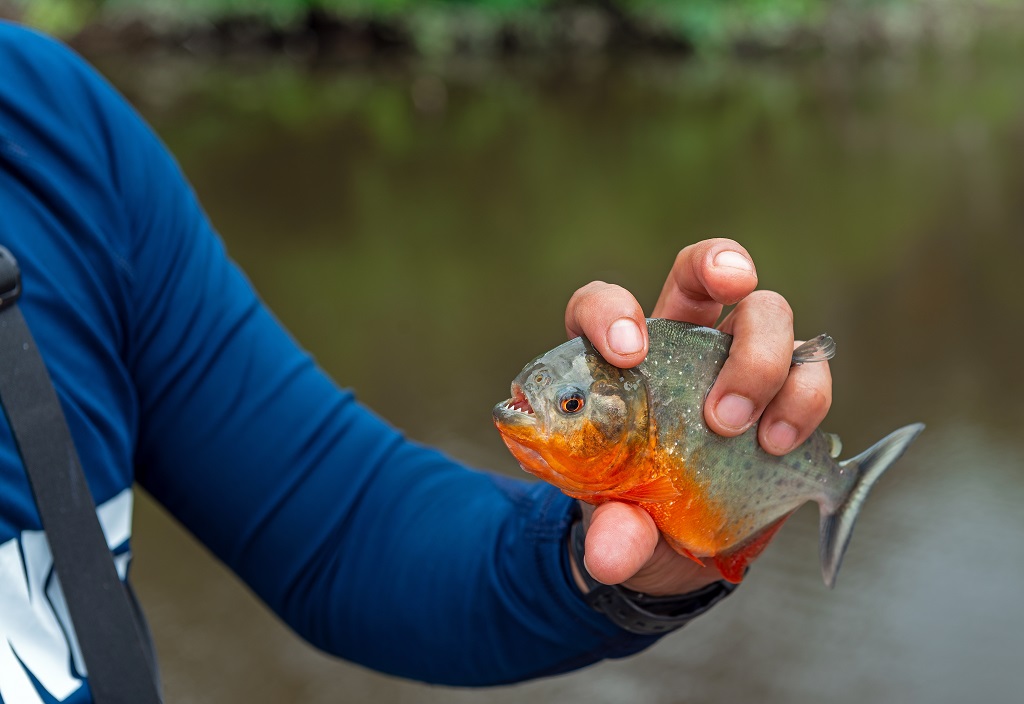
However, the "scary" reputation of the piranha is largely a construct of entertainment media. When handled safely and sourced from clean water, the fish is a mundane—albeit bony—component of a healthy diet. Whether it is served as a crispy fried appetizer or a savory, nourishing soup, the piranha deserves to be judged by its taste rather than its teeth. For the traveler, the experience is less about the dare of eating a "man-eater" and more about the privilege of participating in a local, sustainable, and time-honored tradition of riverine cooking.
When you find yourself in the heart of the Amazon, set aside the horror stories and pick up your fork. You might find that the most dangerous thing about the piranha is how quickly it disappears from your plate.