Introduction: The Foothills Frontier
The dawn broke crisp and unforgiving over the Blackstone River, a narrow ribbon of glacial runoff carving its way through the rugged foothills of the Canadian Rockies. For the dedicated angler, the Blackstone is more than just a waterway; it is a legendary destination, frequently cited in angling literature as one of the few places in Alberta where the elusive and predatory Bull Trout will aggressively strike a dry fly.
On a recent expedition to this remote stretch of wilderness—located just off the Forestry Trunk Road, north of Highway 11—a pair of anglers sought to test the veracity of these claims. What unfolded was a masterclass in stream craft, the importance of minimalist gear, and the sheer thrill of sight-fishing for trophy trout in one of North America’s most picturesque settings.
Chronology of the Expedition
The excursion began with the logistical realities of backcountry fishing. Arriving at the gravel bar campsite at 10:00 PM, the team was forced to navigate the setup by the dim light of headlamps. The subsequent morning began at 6:00 AM, marked by the biting 30-degree temperatures of the Alberta high country and the uncomfortable reality of sleeping on uneven river rock.
Determined to maximize the morning window—a time when trout are notoriously active—the primary angler initiated a loud, purposeful morning routine. The goal was to rouse a notoriously late-rising companion. By shortly after sunrise, the pair was geared up and standing on the banks of the Blackstone.
For the first hour, the river remained quiet. Despite the pristine appearance of the water—approximately 20 meters wide with a steady, manageable current—the fish were not immediately forthcoming. It was only after rounding a bend that the party discovered a quintessential "fishy" pool. The surface was broken by the rhythmic rise of feeding trout, signaling an immediate shift in tactics.
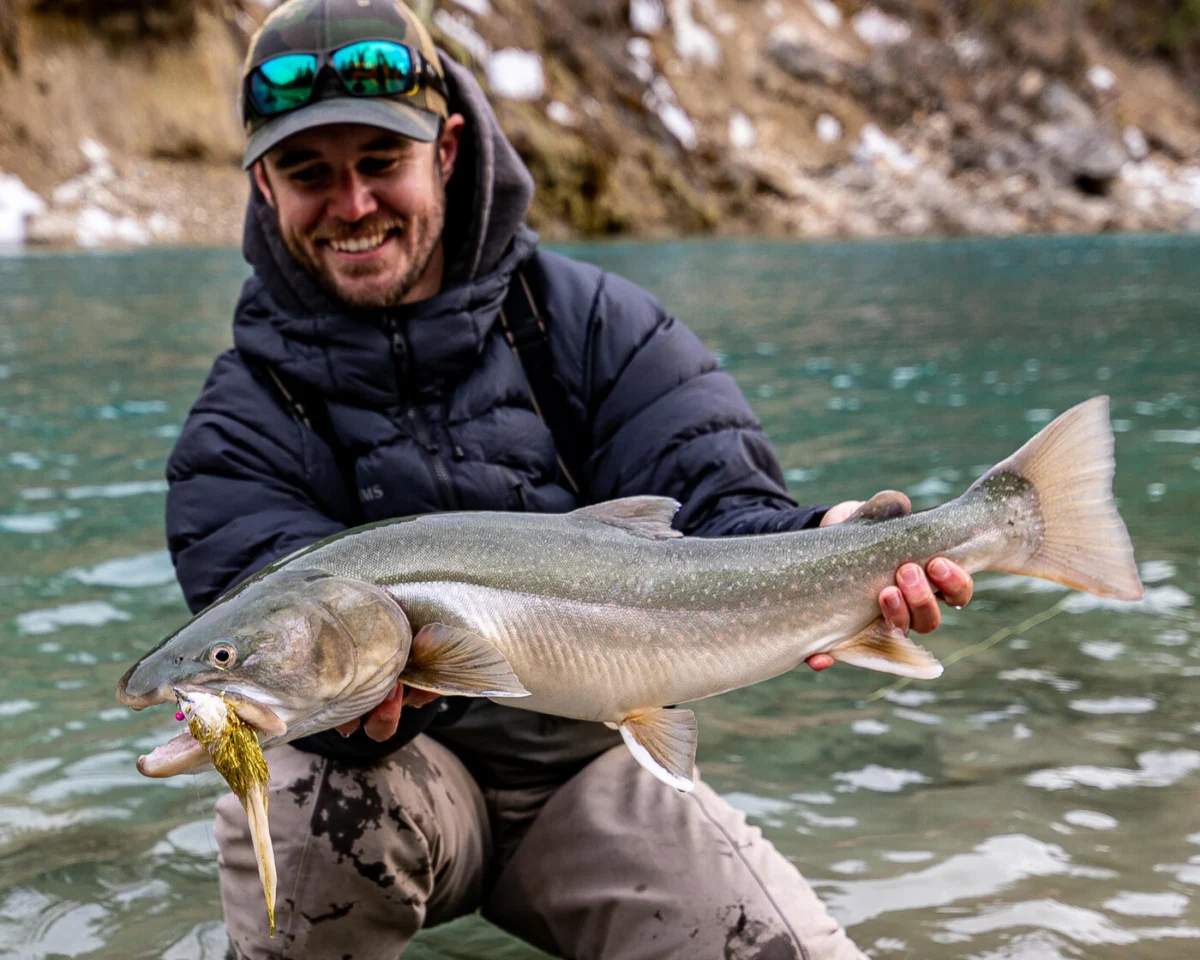
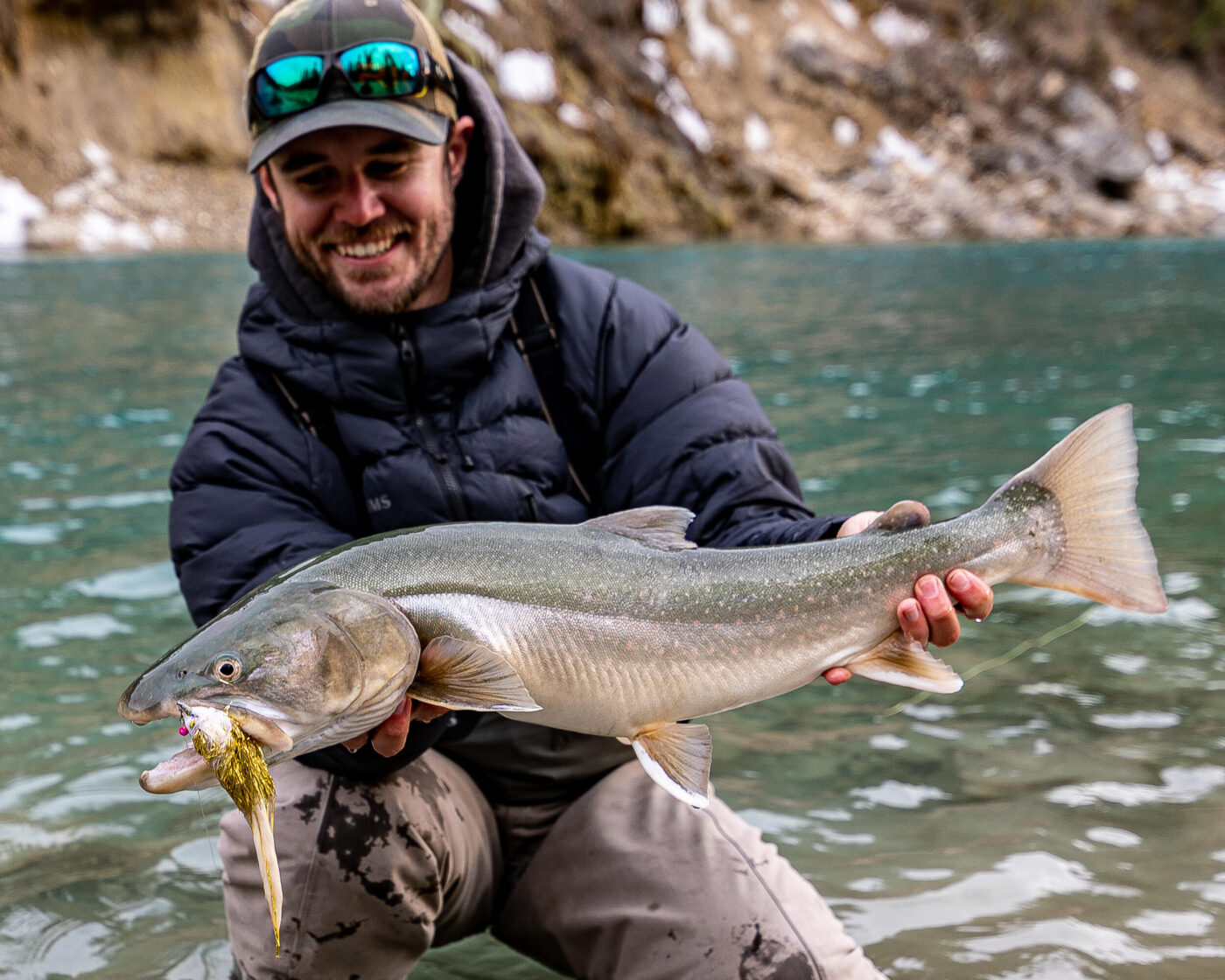
The team engaged in a process of elimination, cycling through "prospector" patterns like the Red Humpy and Stimulator. When these failed to produce a strike, they pivoted to a Pale Morning Dun. The shift was instantaneous. The brother connected with a 20-inch Cutthroat Trout, a specimen of remarkable girth and color. With the morning warming, the primary angler opted to test the Bull Trout theory, deploying a "Fat Albert" terrestrial pattern. The result was immediate and violent: a powerful, aggressive take from a Bull Trout, confirming the river’s storied reputation.
Gear, Flies, and Tackle: The Minimalist Philosophy
A common pitfall for the modern fly-fisherman is the "more is better" mentality regarding gear. However, this expedition relied on a streamlined, minimalist approach that prioritizes reliability over high-end aesthetics.
The Tackle Loadout
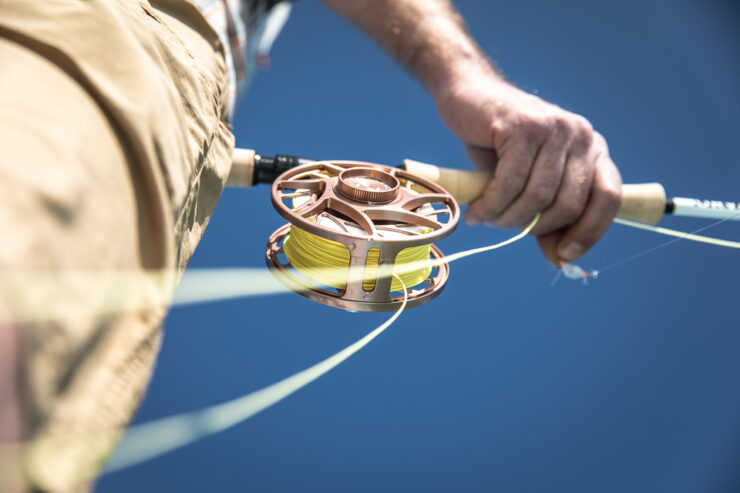
- Primary Rod: A 9-foot, 5-weight Echo Carbon XL, paired with a Redington Crosswater reel. This setup offers a balance of sensitivity for delicate dry-fly presentations and the backbone required to manage a fighting Bull Trout.
- Backup Rig: A 5-weight Cabela’s store-brand rod paired with an older Okuma reel. While modest, the rig proved perfectly capable of handling the conditions of the Blackstone.
Fly Selection Strategy
The authors emphasized the futility of over-carrying equipment. Instead of lugging a massive collection, they focused on three specific categories:
- Standard Dries: Patterns designed to mimic the hatches typical of Alberta foothill streams.
- Bead-head Nymphs: Essential for reaching fish that are not actively feeding on the surface.
- Big Terrestrials: Large-profile flies like the "Fat Albert," which mimic beetles, hoppers, or crickets. These are critical when targeting aggressive species like the Bull Trout, which often respond to large, splashing movements on the water’s surface.
Supporting Data: The Bull Trout and the Blackstone
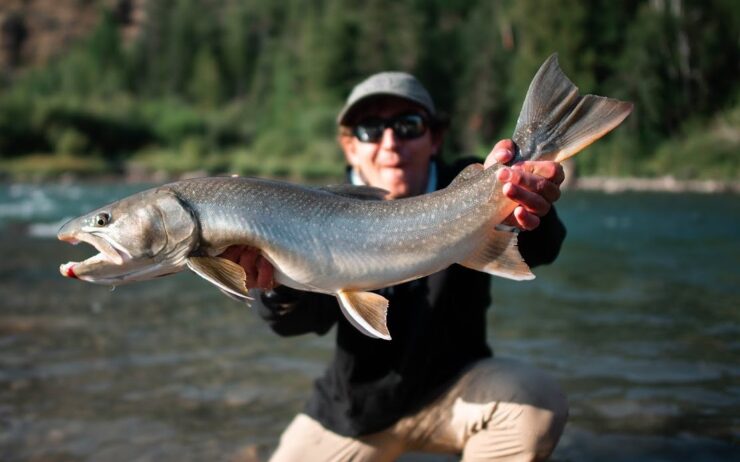
The Blackstone River is a unique case study in Alberta’s biodiversity. According to the foundational, albeit aging, research of Barry Mitchell, the Blackstone holds a rare status. While many rivers in the region are home to various trout species, the willingness of Salvelinus confluentus (Bull Trout) to rise for a dry fly is an anomaly.
Biologically, Bull Trout are apex predators. Their aggressive behavior is an evolutionary trait suited for the cold, nutrient-poor waters of the Rockies. When an angler presents a large dry fly—an artificial lure that simulates a terrestrial insect falling into the water—they are essentially triggering a predatory reflex rather than a mere feeding instinct. The data from this trip suggests that the Blackstone remains one of the premier locations to observe this behavior in a natural, unpressured environment.
Official Responses and Conservation Implications
While the experience of catching a Bull Trout on a dry fly is a highlight for any angler, it is imperative to acknowledge the status of the species. In Alberta, the Bull Trout is a threatened species. Most waters operate under a strict "Catch and Release" mandate to ensure the recovery of the population.
Ethical Angling Protocols
- Net Usage: The failure to bring a net on this trip was noted as a significant oversight. Using a rubber-mesh net is essential to minimize handling time and protect the protective slime coat of the fish.
- Waterproof Documentation: As demonstrated by the brother’s use of a waterproof camera, capturing the memory should not involve removing the fish from the water for extended periods.
- Minimal Handling: The goal is to keep the fish submerged, unhook it quickly with barbless hooks, and allow it to recover in the current before release.
Conservation experts emphasize that the Blackstone’s health is inextricably linked to the Forestry Trunk Road’s accessibility. Increased human traffic necessitates a heightened responsibility among anglers to adhere to provincial regulations and "Leave No Trace" camping principles.
Implications: The Future of Alberta’s Foothill Streams
The story of the Blackstone is reflective of a broader trend in North American fly-fishing: the resurgence of interest in accessible, yet "wild," waters. The success of this expedition suggests that one does not need the most expensive gear to find world-class fishing. Instead, success is found in the synthesis of patience, local knowledge, and the willingness to adapt to the river’s specific conditions.
For the future, the Blackstone remains a litmus test for the health of Alberta’s watershed. As climate change impacts glacial melt and water temperatures, these cold-water streams become increasingly sensitive. The continued presence of Bull Trout in these pools is a testament to the river’s resilience, provided that anglers continue to treat these waters with the respect they deserve.
Final Takeaways for the Aspiring Angler
- Timing is Everything: Arriving early, as the team did, provides a significant advantage in catching the "first rise" of the day.
- Match the Aggression: When fishing for Bulls, do not fear using larger flies. The "Fat Albert" strategy proves that these fish are often looking for a substantial meal.
- Preparation is Paramount: While the "clumsy" arrival and forgotten net made for an entertaining narrative, they serve as a cautionary tale. Always inventory your gear—especially your net—before leaving the trailhead.
As the sun sets over the Rockies, the Blackstone continues its steady journey toward the Brazeau River, a silent witness to the generations of anglers who have walked its gravel bars. For those who seek the thrill of the take and the quiet solitude of the foothills, the Blackstone is a reminder that the best adventures are often found just off the beaten path.