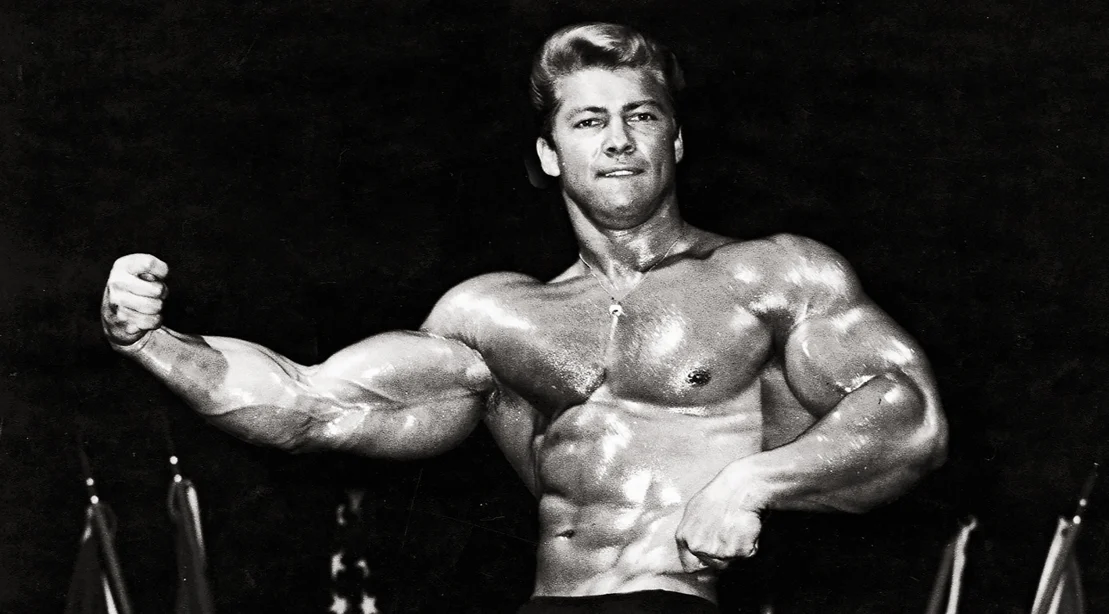
In the world of professional bodybuilding, the name Lee Haney is synonymous with dominance, discipline, and the absolute pinnacle of human physical development. As the man who famously equaled Arnold Schwarzenegger’s record of seven Mr. Olympia titles before shattering it with an eighth consecutive victory in 1991, Haney’s legacy in the sport is untouchable. However, this past year, the legendary champion faced a battle far more daunting than any he ever confronted on the Olympia stage: a fight for his life.
This week, the bodybuilding world breathed a collective sigh of relief as Haney confirmed that he has successfully undergone a life-saving kidney transplant. The procedure, which followed a frantic, months-long search for a compatible donor, was facilitated by an unlikely hero—a fellow athlete from within the iron community.
The Chronology of a Crisis: From Diagnosis to Recovery
The public became aware of the gravity of Haney’s health situation in March 2026. As his kidney function declined, the reality of his condition necessitated a search for a living donor. The campaign, which was spearheaded with urgency and devotion by Haney’s son, Joshua, quickly transcended the boundaries of the fitness industry.
The March Appeal
When Haney first took to social media to announce his need for a donor, the response was immediate and overwhelming. Thousands of fans, former competitors, and well-wishers shared his story across platforms. At the time, Haney, now 66, remained stoic but transparent, emphasizing the fragility of life even for those who have spent a lifetime building a physique of steel.
The Turning Point
Following his return from a trip to Italy, Haney received the news that would change his trajectory. Medical screenings confirmed that a perfect match had been identified. The news brought an end to months of uncertainty, pivoting the narrative from one of desperation to one of profound gratitude.
The Procedure
On the day of the surgery, Haney was admitted to the Emory University Hospital in Atlanta, Georgia. Under the expert care of Dr. Cristea, MD, and a specialized surgical team, Haney underwent a grueling 12-hour procedure. The transplant was declared a success, marking the beginning of a new chapter for the champion.
The Unlikely Hero: A Connection Forged in Iron
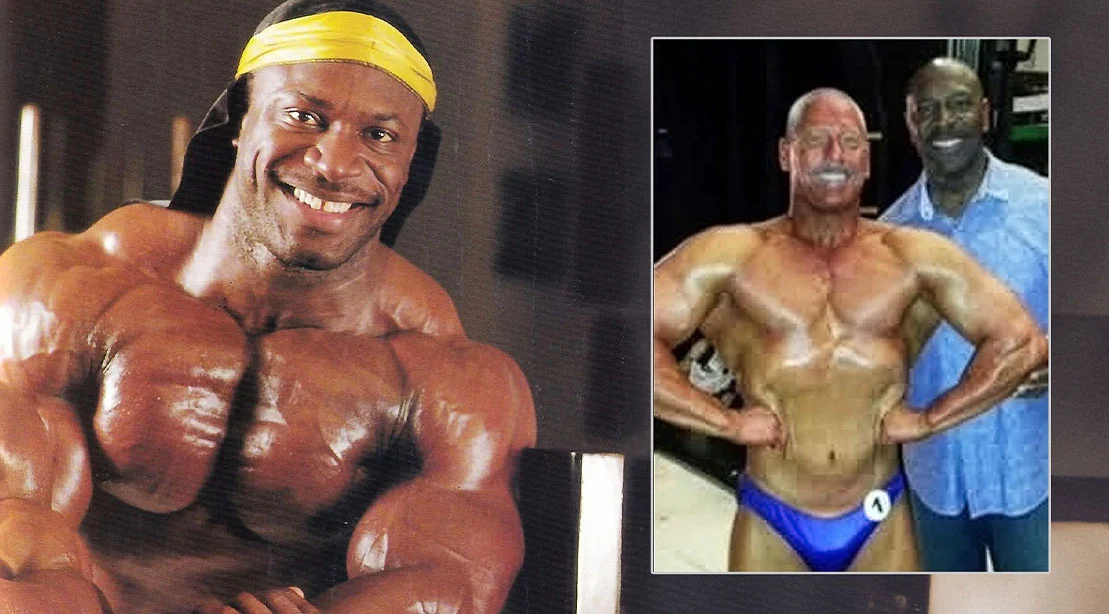
Perhaps the most poignant aspect of this ordeal is the identity of the donor. Richard Miller, a man who has operated within the same spheres as Haney for decades, stepped forward to offer the ultimate gift.
The relationship between the two men is deeply rooted in the history of the sport. Haney noted that his path first crossed with Miller in 1985, during the height of Haney’s professional ascension. Their lives intersected again nearly three decades later at a bodybuilding competition in 2014.
"Who could have imagined that all these years later, Richard would become the man who helped save my life?" Haney remarked in an Instagram post on September 29, 2026.
Miller’s motivation was rooted in a sense of spiritual duty and camaraderie. According to Haney, Miller claimed that the decision to donate was not a choice, but a calling. "Richard told me the Lord pressed upon his heart to bless me with a kidney, and I will be forever grateful," Haney wrote. "My friend. My Iron Brother. My hero."
Supporting Data: The Legacy of Lee Haney
To understand the significance of this event, one must consider the stature of the man involved. Lee Haney is not merely a retired athlete; he is an institution.
The Sandow Record
Haney’s competitive career remains one of the most storied in history. Winning the Mr. Olympia title from 1984 to 1991, he redefined the sport by emphasizing mass without sacrificing the aesthetic proportions that define classic bodybuilding. Alongside Ronnie Coleman, he remains tied for the most Olympia victories of all time. His ability to hold the Sandow trophy eight times consecutive solidified his status as the "King of the Olympia" for a generation.
Physical Resilience
While bodybuilding is often viewed through the lens of aesthetic perfection, the physiological toll of decades of extreme training and high-level competition is a reality that many legends eventually face. The transition from the high-octane life of a professional champion to the health challenges of the senior years is a universal struggle. Haney’s openness regarding his kidney failure has provided a rare, candid look into the vulnerabilities of retired athletes.
Official Responses and the Community Impact
The news of the successful surgery sparked an immediate outpouring of support from the highest echelons of the bodybuilding world. The digital space became a hub of solidarity, reflecting the tight-knit nature of a community often defined by its shared dedication to self-improvement.
Voices from the Olympia Stage
Phil Heath and Brandon Curry, both former Mr. Olympia winners, were among the many high-profile figures who reached out to express their joy. Their participation in the conversation underscores the respect that Haney commands across different eras of the sport. For younger champions, Haney is not just a predecessor; he is a mentor and a pillar of the community.
The Power of Social Media for Good
The success of this transplant search serves as a powerful case study for the positive potential of digital connectivity. By leveraging social media to reach a massive audience, the Haney family was able to circumvent the typical administrative bottlenecks of transplant waiting lists, finding a match through direct community engagement.
"Lee is one of those rare individuals who is loved by all," one follower noted, a sentiment echoed in thousands of comments across various platforms. The story has served to unify fans who might otherwise be divided by modern debates on training methodologies or the evolution of the sport.
Implications: The Road Ahead
As Haney recovers, the implications of his experience are manifold.
Increased Awareness of Organ Donation
The visibility of this story has inadvertently acted as a massive public service announcement for organ donation. By sharing his journey, Haney has brought the critical need for living donors into the living rooms of millions of fitness enthusiasts. The "Iron Brotherhood" that Miller invoked has set a standard for what it means to support a fellow human being.
The Future for Haney
At 66, Haney’s focus has naturally shifted from the weight room to the recovery room, and subsequently, to the advocacy work he has championed for years. His recovery process will be monitored closely, but the prognosis is positive. For a man who has spent his entire life defying the limits of the human body, this recovery is merely the latest hurdle.
A Legacy Beyond the Stage
The narrative of the "Iron Brother" who saved the "King of the Olympia" adds a legendary footnote to Haney’s life story. It reminds the public that behind the medals, the titles, and the Herculean physique, there exists a person deeply connected to a network of individuals who value compassion as much as they value discipline.
Conclusion
The survival of Lee Haney is a testament to the power of faith, the resilience of the human body, and the unbreakable bonds formed in the gym. When the world of bodybuilding heard that one of its greatest icons was in need, the community responded not with indifference, but with action.
The story of Lee Haney and Richard Miller is one that will be told for years to come—a reminder that in the face of insurmountable odds, the heart and the spirit often find a way to prevail. As Haney continues his journey toward full health, he does so with the knowledge that his legacy is not just written in the trophies he won, but in the lives he has touched and the community that rallied to save him.
The entire fitness industry stands with Lee Haney as he begins his rehabilitation, wishing him and his donor, Richard Miller, a smooth and rapid recovery. Their story stands as a beacon of hope, proving that even at the height of fame, the most important strength one can possess is the ability to care for another.