By Alice Broderick | July 23, 2026
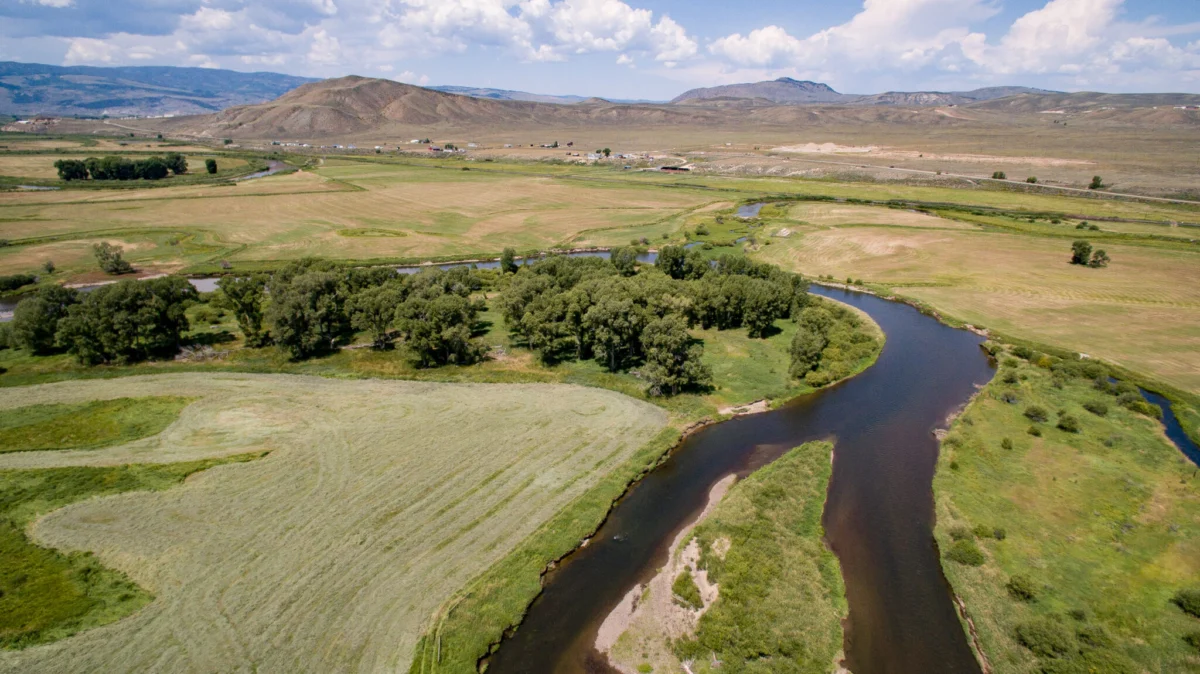
As we approach World Nature Conservation Day on July 28, the urgency of safeguarding our nation’s waterways has never been more pronounced. In an era defined by rapid environmental shifts, climate instability, and increasing industrial demand, our rivers—the literal veins of the planet—are facing unprecedented pressures. While the global news cycle often feels overwhelming, leading many to wonder how a single individual can make a meaningful difference, the reality is that the future of our ecosystem is built on the cumulative power of local, individual advocacy.
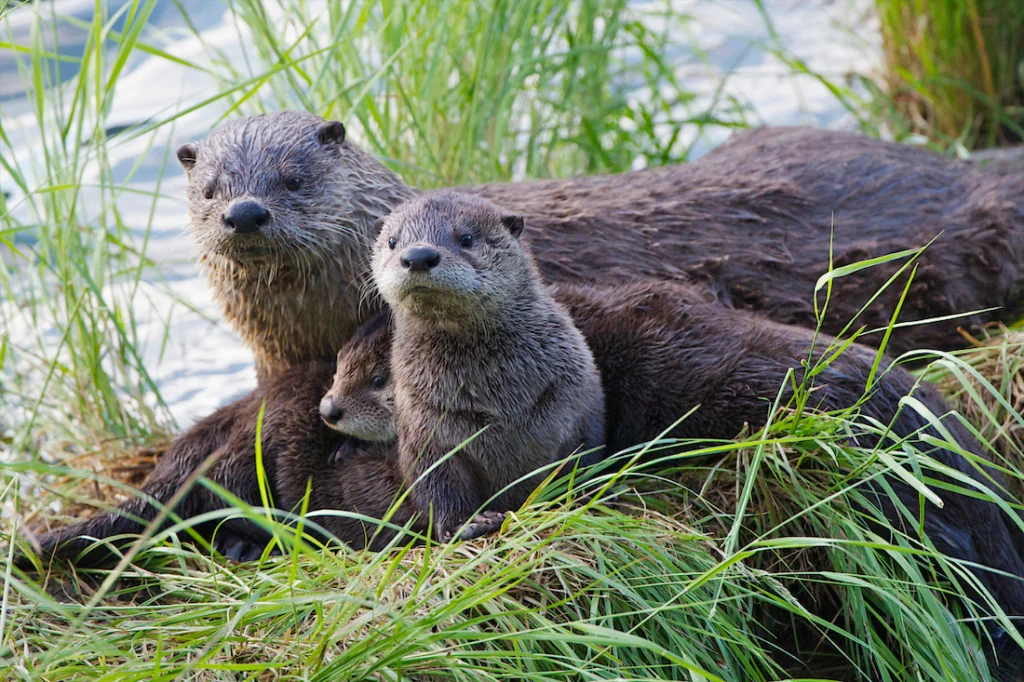
Rivers are more than just geographical features; they are the fundamental source of life, supporting biodiversity, providing essential drinking water, and serving as the bedrock for recreational and cultural heritage. To mark this year’s World Nature Conservation Day, American Rivers has outlined five strategic pathways through which citizens can pivot from concern to concrete action, ensuring that our rivers remain resilient for generations to come.
The State of Our Waters: Main Facts and Current Challenges
The health of a nation’s rivers is a direct reflection of its commitment to environmental stewardship. Currently, the data presents a sobering reality: approximately 80% of rivers across the United States lack adequate protection. This deficit leaves our waterways vulnerable to pollution, habitat destruction, and the encroachment of unsustainable development.
The "Wild and Scenic" designation, established under the Wild and Scenic Rivers Act, represents the gold standard for river conservation. These rivers are protected for their free-flowing nature, unique biological diversity, and inherent scenic beauty. However, despite their critical importance, only a tiny fraction of America’s total river mileage currently enjoys this level of legal safeguard. The challenge we face today is not a lack of scientific understanding, but a need for political will and public mobilization to expand these protections to the most vulnerable, yet ecologically vital, waterways.
Chronology of Conservation: From Awareness to Advocacy
The trajectory of river conservation in the United States has evolved significantly over the last several decades.
- 1968: The Birth of the Act: The passage of the Wild and Scenic Rivers Act marked a turning point in federal environmental policy, acknowledging that some rivers possess "outstandingly remarkable values" that must be shielded from dams and industrial interference.
- Late 20th Century: The Cleanup Era: Decades of industrial neglect led to the iconic "burning rivers" of the 1960s and 70s, which spurred the Clean Water Act and empowered local communities to demand accountability from polluters.
- The 2020s: The Data-Driven Decade: We have entered an era where cutting-edge technology allows us to map river health with unprecedented precision. Tools like the "Protected Rivers Explorer" now bridge the gap between abstract scientific data and public knowledge.
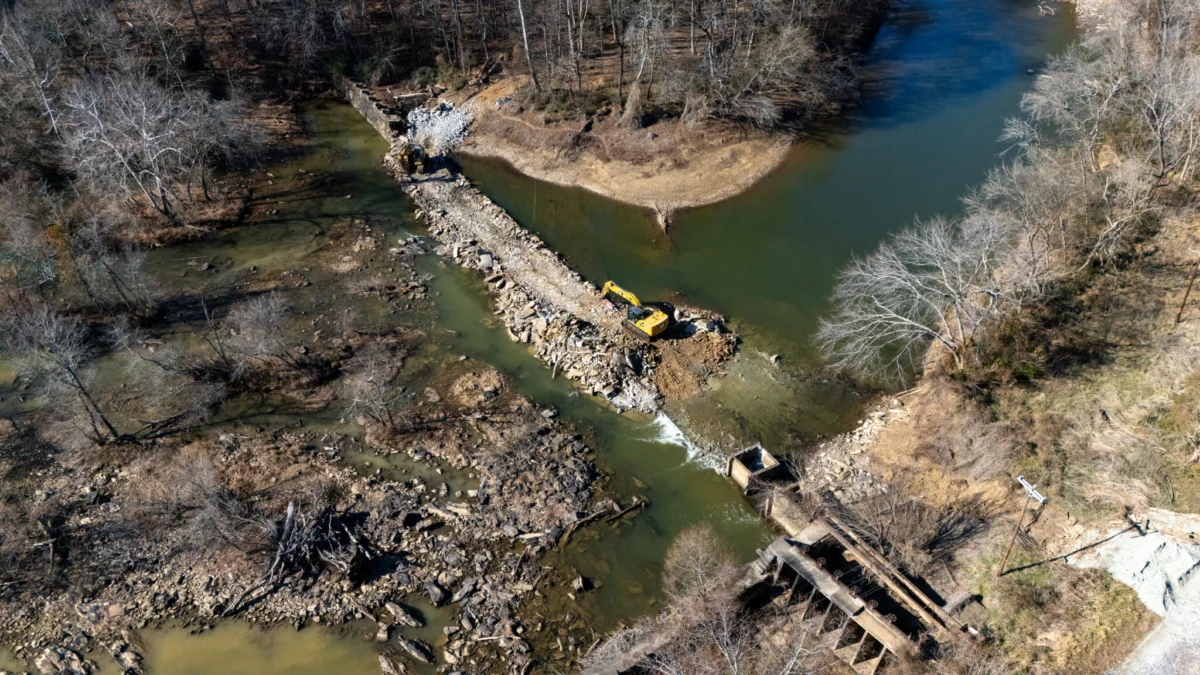
- July 2026: The Current Moment: As we reach World Nature Conservation Day 2026, the movement is no longer just about preventing damage; it is about restoring connectivity, removing obsolete dams, and advocating for policy changes that view rivers as living systems rather than mere conduits for commerce.
Supporting Data: Why Your Actions Matter
The efficacy of individual action is often underestimated, but the numbers tell a different story. Last year alone, the American Rivers community facilitated over 30,000 messages directed at decision-makers and legislators. This volume of direct engagement serves as a critical barometer for policymakers; when thousands of constituents speak in unison, legislative priorities shift.
Furthermore, household water conservation remains an underutilized tool in the environmental arsenal. By fixing leaks and adopting water-wise behaviors, the average household can reduce its demand on local municipal water supplies by significant margins. When extrapolated across a community, these small adjustments alleviate the pressure on local watersheds, reducing the need for aggressive water extraction and allowing more water to remain in natural stream beds, where it is most needed to support aquatic life.
Official Responses and the Policy Landscape
The policy landscape regarding river conservation is currently in a state of flux. While some administrations have prioritized the removal of failing dams to restore fish migration and river health, others face intense pressure to prioritize energy production and industrial expansion.
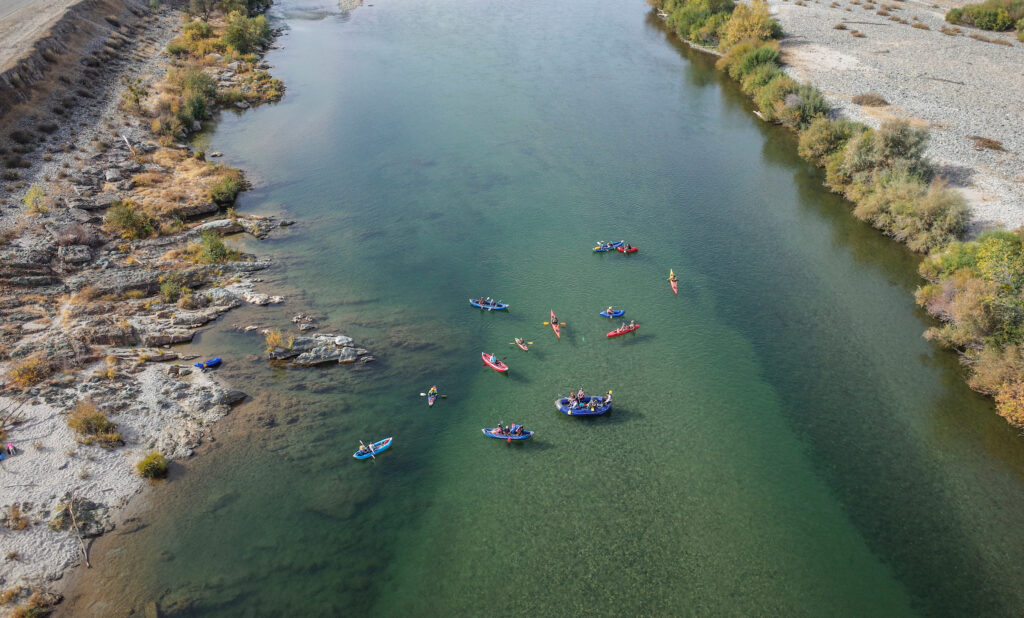
Environmental advocacy groups, including American Rivers, are currently lobbying Congress to designate new segments of rivers as Wild and Scenic. These advocates argue that the economic benefits—such as increased tourism, flood mitigation, and improved water quality—far outweigh the short-term gains of industrializing these areas. The "Official Response" from Capitol Hill has been mixed, often depending on the specific region’s economic ties to water usage. This is why the "Action Center" model is so critical; it provides a direct, verified pathway for the public to counter industry lobbying with grassroots pressure.
Five Pillars of Action for World Nature Conservation Day
To catalyze change this July 28, we propose the following five actions, ranging from immediate legislative advocacy to long-term lifestyle changes:
1. The Power of the Pen: Sign the Wild and Scenic Petition
Legislative protection is the most permanent form of conservation. By signing our petition, you are not just adding a name to a list; you are providing the political capital necessary for members of Congress to sponsor and vote for new river protections. These designations are our best defense against the permanent degradation of our cleanest waterways.
2. Radical Transparency: The Protected Rivers Explorer
Information is the ultimate equalizer. Our Protected Rivers Explorer tool uses advanced science to visualize the security of rivers in your immediate vicinity. By understanding the health of your local watershed, you can tailor your advocacy to the specific needs of your community, moving from general concern to targeted, informed action.
3. Sustained Engagement: The Action Center
One-time actions are helpful, but sustained pressure is transformative. By utilizing our Action Center, you can track current legislation, send personalized emails to your representatives, and stay informed on key votes that could impact the future of our rivers. Consistency is the hallmark of any successful social movement.
4. Household Stewardship: Water Conservation
The burden on our rivers begins at the tap. By adopting the "Top 10 Ways to Conserve Water at Home," you are participating in a larger effort to manage our resources responsibly. This includes everything from simple repairs to long-term behavioral changes, all of which reduce the strain on local infrastructure and promote a culture of conservation within your household.
5. Institutional Support: Membership
The work of restoration and protection requires resources. By becoming an American Rivers member, you are directly funding the science, legal expertise, and community organizing required to defend our rivers. Membership is an investment in the long-term health of our nation’s water security.
Implications: The Road Ahead
The implications of failing to act are severe. We are currently navigating a climate future where water scarcity and extreme weather events are becoming the new norm. If we do not protect our rivers now, we risk the loss of critical habitats, the decline of biodiversity, and the eventual degradation of the water supplies that our families rely on.
However, the outlook is not entirely bleak. The movement for river conservation is growing. We are seeing a shift in public perception, where rivers are increasingly viewed as essential infrastructure for public health and climate resilience.
Healthy rivers are not a luxury—they are a fundamental right. They belong to everyone, not just the privileged few. As we observe World Nature Conservation Day, let us remember that every action, no matter how small, is a brick in the foundation of a more sustainable future. Share this message with your neighbors, talk to your friends, and commit to being a permanent voice for the waters that sustain us all. Together, we can ensure that our rivers flow clean, free, and vibrant for the generations to come.