The Future of Preservation: Insights from the Fourth Annual AUA Ecotourism Conference

Introduction: A Strategic Pivot Toward Sustainability

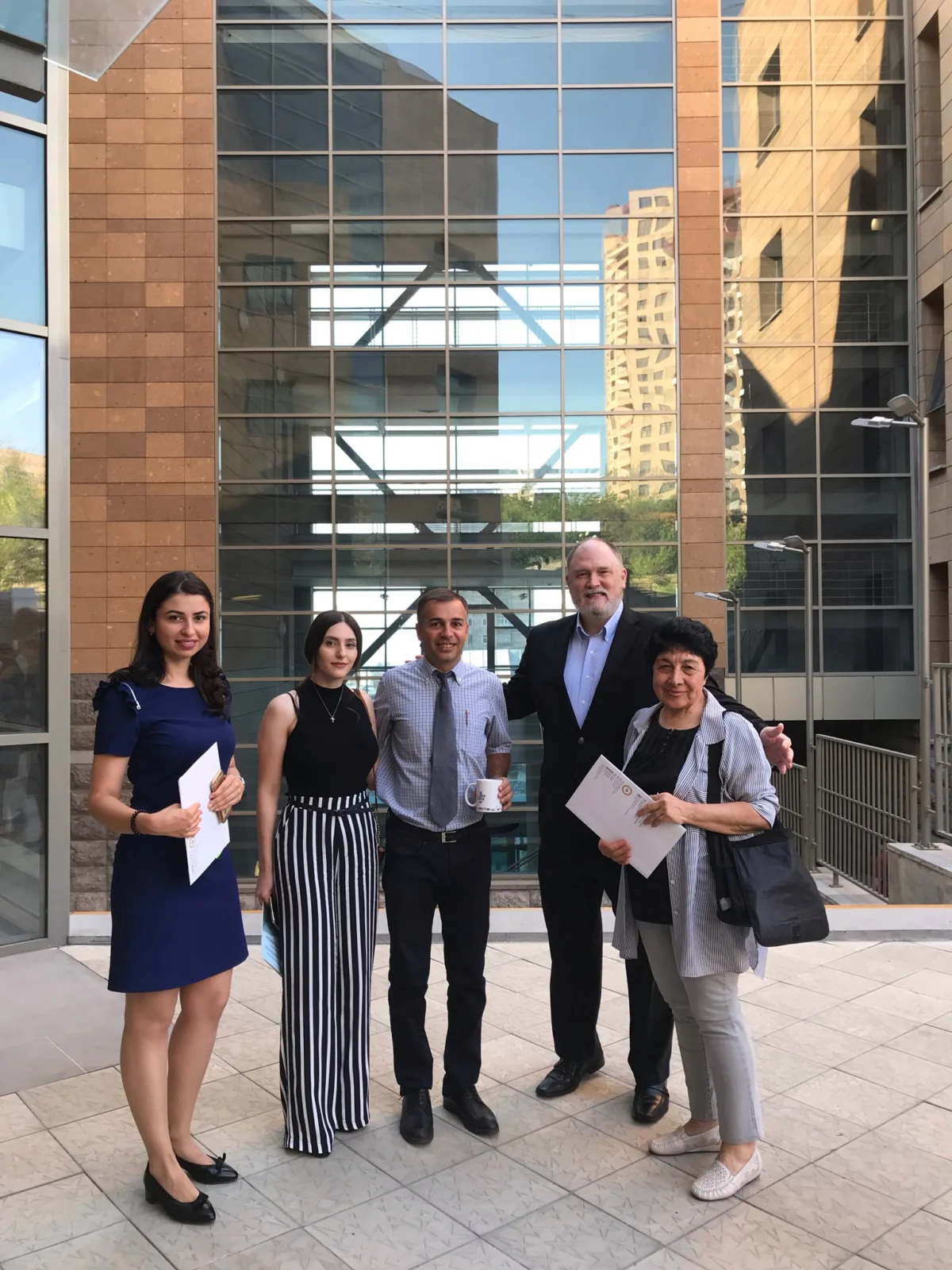
On August 30-31, the global discourse on environmental stewardship and economic development converged in Armenia for the Fourth Annual AUA Ecotourism Conference. Hosted by the American University of Armenia (AUA) Acopian Center for the Environment, the event served as a critical nexus for policymakers, international conservation experts, and tourism industry leaders.

The conference was organized in strategic partnership with the Tourism Committee of the Ministry of Economy of Armenia, the Ministry of Environment, WWF Armenia, the Transboundary Joint Secretariat (funded by the KfW German development bank), and The International Ecotourism Society (TIES). As the world grapples with the dual challenges of climate change and economic instability, this year’s summit focused on a pivotal question: How can protected areas serve as the backbone for sustainable regional development without compromising their ecological integrity?


The Chronology of the Event: Fostering Global Dialogue

The two-day summit was structured to transition from theoretical frameworks to practical, on-the-ground applications.

Day One: The Global Economic Perspective
The opening sessions established the macroeconomic case for conservation. International experts from the International Union for Conservation of Nature (IUCN) and the EUROPARC Federation presented evidence that protected areas are not merely "expenses" on a government balance sheet, but high-yield economic assets. The afternoon was dedicated to panel discussions analyzing the current state of Armenia’s tourism infrastructure, identifying both the latent potential of its natural landscapes and the regulatory gaps that currently hinder growth.

Day Two: Standards, Networks, and Field Application
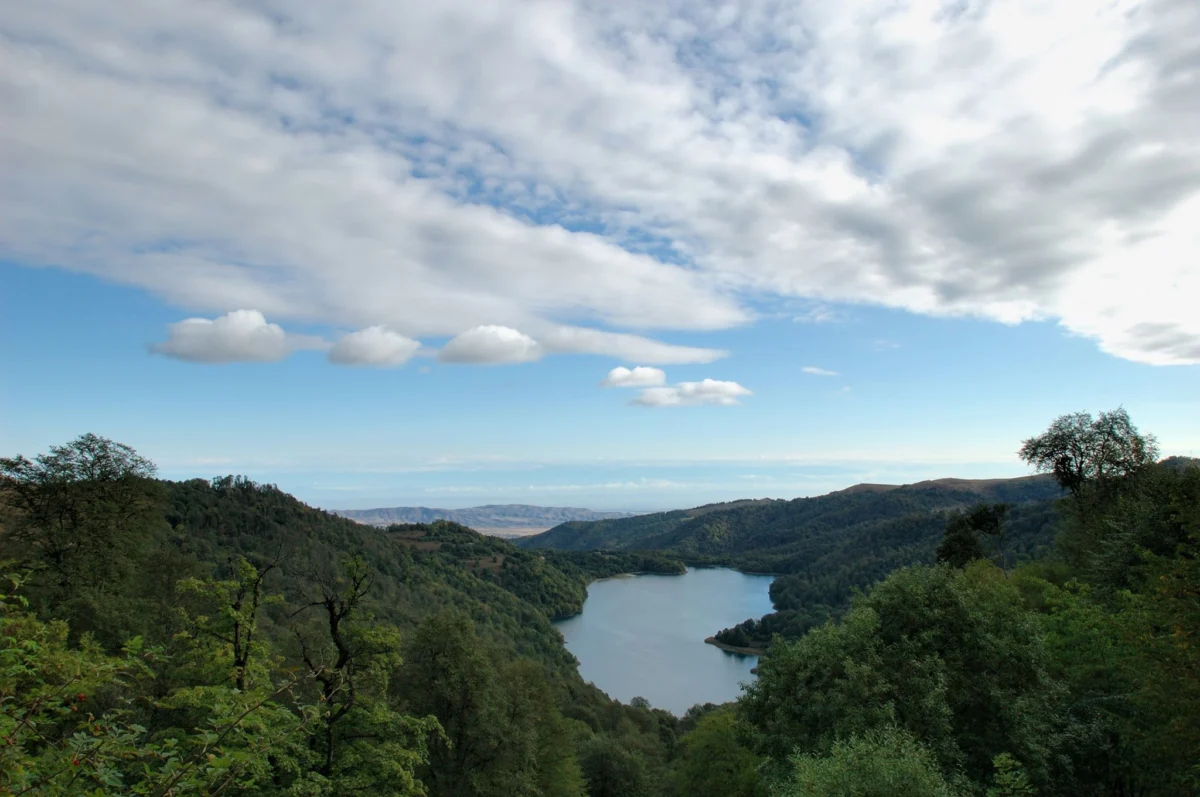
The second day shifted focus toward implementation and standardization. Representatives from the EUROPARC Federation led workshops on international best practices, specifically regarding the "European Charter for Sustainable Tourism in Protected Areas." The conference concluded with field visits to the Dilijan Tourism Information Center, the Dilijan National Park Visitor Center, and the Caucasian Red Deer Reintroduction Center. These excursions allowed delegates to witness how Armenia’s existing tourism infrastructure functions in practice, providing a real-world case study for the theories discussed in the boardroom.


Supporting Data: The High Return on Investment (ROI) of Conservation

A recurring theme of the conference was the correction of a common political fallacy: that environmental protection is an impediment to economic growth.

Debunking the Budgetary Myth

Dr. Thiago Souza, representing the IUCN Commission on Protected Areas’ Tourism Specialists Group, challenged the traditional method of evaluating protected areas based solely on entrance fee revenue.

"Politically, the value of investing in protected areas is often lost because we typically don’t make an adequate economic analysis," Dr. Souza noted. He highlighted that when officials look only at entrance fees versus operational budgets, they see a deficit. In countries like Brazil, for instance, park budgets can be nine times higher than the revenue collected from entry fees.
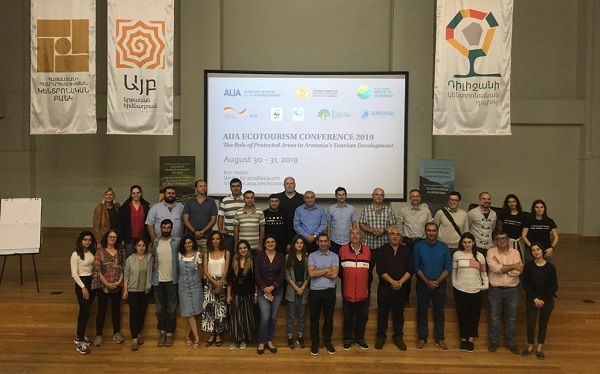
Fourth annual Armenia Ecotourism Conference: Key Stakeholders Gather to Discuss the Future of Ecotourism connected with Protected Areas - The International Ecotourism Society The fourth annual AUA Ecotourism Conference was held on August 30-31. The event was organized by the AUA Acopian Center for the Environment. in partnership with the Tourism Committee of the Ministry of Economy of the Republic of Armenia (RA), RA Ministry of Environment, WWF Armenia and Transboundary Joint Secretariat funded by the KfW German state-owned development bank and The International Ecotourism Society (TIES). Experts from The International Ecotourism Society, EUROPARC Federation, and the International Union for Conservation of Nature (IUCN) were among the key speakers. The invited participants included tour operators, policy makers, and protected area managers and experts. This year’s Conference focused on the role of protected areas in ecotourism and sustainable tourism development, which ensure protecting the environment and enabling nearby communities to benefit from growth in tourism. Protected Areas and the National/Regional Economy Dr. Thiago Souza, from the IUCN Commission on Protected Areas’ Tourism Specialists Group, talked about the global experience with investing in protected areas and the returns to the national and regional economies. “Politically, the value of investing in protected areas is often lost because we typically don’t make an adequate economic analysis,” points out Dr. Souza. He explains that in most places officials simply make an accounting or financial analysis. That is, they look at the budget of the protected area and the revenues generated from the entrance fees. “For most protected areas, the fees would be substantially smaller than the budgets of the protected areas,” he says. “In Brazil, for instance, budgets can be 9 times greater than fees collected.” But when an economic analysis is conducted, which considers more broadly the visitor spending and the tax and multiplier effects of this spending, a very different picture appears. “In Brazil, we’ve been able to show that for every dollar budgeted amount spent on protected areas, the national economy gains 15 dollars. The returns on investment are staggering,” says Dr. Souza. Europe shows smaller but still impressive numbers. Once adequate investments are made in the protected areas and the needed infrastructure, every euro spent on protected areas see 7 to 10 euros in GDP activity. A 2015 study shows that there are an estimated 8 billion visits per year to protected areas worldwide. This generates about US $600 billion per year in direct in-country expenditures. (Balmford et al, 2015). Growing Market of Ecotourism and Visiting Protected Areas Jon Bruno, the executive director of The International Ecotourism Society, offered a global perspective on the growth of the ecotourism sector. “Over 90 nations now have an ecotourism or sustainable tourism initiative nationally or at a regional level. This has happened in the last 30 years; there is no other form of tourism or industry that has become so fundamental to the global economy so quickly.” Mr. Bruno believes that this is a growing trend. And the travelers are developing greater sensitivity toward sustainable tourism. He says, “Travelers have greatly increased both their awareness of ecotourism and their willingness to increase payment to ensure a sustainable travel experience. Seventy percent of people under 30 say sustainable travel is a priority.” This is a market for which countries like Armenia have to be prepared as part of their efforts aimed at sustainable development. “Ecotourism and sustainable tourism can help local communities economically and create engagement for protecting their natural assets. Ecotourism provides the strongest community revenue and the best return on investment,” emphasizes Mr. Bruno. The fourth annual AUA Ecotourism Conference was held on August 30-31. The event was organized by the AUA Acopian Center for the Environment. in partnership with the Tourism Committee of the Ministry of Economy of the Republic of Armenia (RA), RA Ministry of Environment, WWF Armenia and Transboundary Joint Secretariat funded by the KfW German state-owned development bank and The International Ecotourism Society (TIES). Experts from The International Ecotourism Society, EUROPARC Federation, and the International Union for Conservation of Nature (IUCN) were among the key speakers. The invited participants included tour operators, policy makers, and protected area managers and experts. This year’s Conference focused on the role of protected areas in ecotourism and sustainable tourism development, which ensure protecting the environment and enabling nearby communities to benefit from growth in tourism. Protected Areas and the National/Regional Economy Dr. Thiago Souza, from the IUCN Commission on Protected Areas’ Tourism Specialists Group, talked about the global experience with investing in protected areas and the returns to the national and regional economies. “Politically, the value of investing in protected areas is often lost because we typically don’t make an adequate economic analysis,” points out Dr. Souza. He explains that in most places officials simply make an accounting or financial analysis. That is, they look at the budget of the protected area and the revenues generated from the entrance fees. “For most protected areas, the fees would be substantially smaller than the budgets of the protected areas,” he says. “In Brazil, for instance, budgets can be 9 times greater than fees collected.” But when an economic analysis is conducted, which considers more broadly the visitor spending and the tax and multiplier effects of this spending, a very different picture appears. “In Brazil, we’ve been able to show that for every dollar budgeted amount spent on protected areas, the national economy gains 15 dollars. The returns on investment are staggering,” says Dr. Souza. Europe shows smaller but still impressive numbers. Once adequate investments are made in the protected areas and the needed infrastructure, every euro spent on protected areas see 7 to 10 euros in GDP activity. A 2015 study shows that there are an estimated 8 billion visits per year to protected areas worldwide. This generates about US $600 billion per year in direct in-country expenditures. (Balmford et al, 2015). Growing Market of Ecotourism and Visiting Protected Areas Jon Bruno, the executive director of The International Ecotourism Society, offered a global perspective on the growth of the ecotourism sector. “Over 90 nations now have an ecotourism or sustainable tourism initiative nationally or at a regional level. This has happened in the last 30 years; there is no other form of tourism or industry that has become so fundamental to the global economy so quickly.” Mr. Bruno believes that this is a growing trend. And the travelers are developing greater sensitivity toward sustainable tourism. He says, “Travelers have greatly increased both their awareness of ecotourism and their willingness to increase payment to ensure a sustainable travel experience. Seventy percent of people under 30 say sustainable travel is a priority.” This is a market for which countries like Armenia have to be prepared as part of their efforts aimed at sustainable development. “Ecotourism and sustainable tourism can help local communities economically and create engagement for protecting their natural assets. Ecotourism provides the strongest community revenue and the best return on investment,” emphasizes Mr. Bruno. The fourth annual AUA Ecotourism Conference was held on August 30-31. The event was organized by the AUA Acopian Center for the Environment. in partnership with the Tourism Committee of the Ministry of Economy of the Republic of Armenia (RA), RA Ministry of Environment, WWF Armenia and Transboundary Joint Secretariat funded by the KfW German state-owned development bank and The International Ecotourism Society (TIES). Experts from The International Ecotourism Society, EUROPARC Federation, and the International Union for Conservation of Nature (IUCN) were among the key speakers. The invited participants included tour operators, policy makers, and protected area managers and experts. This year’s Conference focused on the role of protected areas in ecotourism and sustainable tourism development, which ensure protecting the environment and enabling nearby communities to benefit from growth in tourism. Protected Areas and the National/Regional Economy Dr. Thiago Souza, from the IUCN Commission on Protected Areas’ Tourism Specialists Group, talked about the global experience with investing in protected areas and the returns to the national and regional economies. “Politically, the value of investing in protected areas is often lost because we typically don’t make an adequate economic analysis,” points out Dr. Souza. He explains that in most places officials simply make an accounting or financial analysis. That is, they look at the budget of the protected area and the revenues generated from the entrance fees. “For most protected areas, the fees would be substantially smaller than the budgets of the protected areas,” he says. “In Brazil, for instance, budgets can be 9 times greater than fees collected.” But when an economic analysis is conducted, which considers more broadly the visitor spending and the tax and multiplier effects of this spending, a very different picture appears. “In Brazil, we’ve been able to show that for every dollar budgeted amount spent on protected areas, the national economy gains 15 dollars. The returns on investment are staggering,” says Dr. Souza. Europe shows smaller but still impressive numbers. Once adequate investments are made in the protected areas and the needed infrastructure, every euro spent on protected areas see 7 to 10 euros in GDP activity. A 2015 study shows that there are an estimated 8 billion visits per year to protected areas worldwide. This generates about US $600 billion per year in direct in-country expenditures. (Balmford et al, 2015). Growing Market of Ecotourism and Visiting Protected Areas Jon Bruno, the executive director of The International Ecotourism Society, offered a global perspective on the growth of the ecotourism sector. “Over 90 nations now have an ecotourism or sustainable tourism initiative nationally or at a regional level. This has happened in the last 30 years; there is no other form of tourism or industry that has become so fundamental to the global economy so quickly.” Mr. Bruno believes that this is a growing trend. And the travelers are developing greater sensitivity toward sustainable tourism. He says, “Travelers have greatly increased both their awareness of ecotourism and their willingness to increase payment to ensure a sustainable travel experience. Seventy percent of people under 30 say sustainable travel is a priority.” This is a market for which countries like Armenia have to be prepared as part of their efforts aimed at sustainable development. “Ecotourism and sustainable tourism can help local communities economically and create engagement for protecting their natural assets. Ecotourism provides the strongest community revenue and the best return on investment,” emphasizes Mr. Bruno.

However, a comprehensive economic analysis—one that accounts for multiplier effects, local visitor spending, and tax revenue generated by tourism-related businesses—reveals a staggering return on investment. Dr. Souza cited evidence showing that for every dollar invested in protected area infrastructure, the national economy can gain up to 15 dollars. In the European context, the return is similarly robust, with every euro spent on protected areas generating between 7 and 10 euros in GDP activity.

The Scale of the Global Market

The economic data is backed by global trends. According to a 2015 study by Balmford et al., protected areas worldwide receive an estimated 8 billion visits annually, generating approximately US $600 billion in direct, in-country expenditures. This underscores that nature-based tourism is no longer a niche market; it is a fundamental pillar of the global service economy.


The Growth of Ecotourism: A Paradigm Shift

Jon Bruno, Executive Director of The International Ecotourism Society, provided context on the industry’s rapid ascent. "Over 90 nations now have an ecotourism or sustainable tourism initiative at a national or regional level," Bruno stated. "This has happened in the last 30 years; there is no other form of tourism or industry that has become so fundamental to the global economy so quickly."

The Changing Profile of the Traveler

The growth is driven by a profound shift in consumer behavior. Modern travelers, particularly the younger demographic, are prioritizing sustainability over convenience. Data presented at the conference suggests that 70% of travelers under the age of 30 view sustainable travel as a top priority. This group is increasingly willing to pay a premium for experiences that guarantee a minimal environmental footprint and provide direct support to local communities.

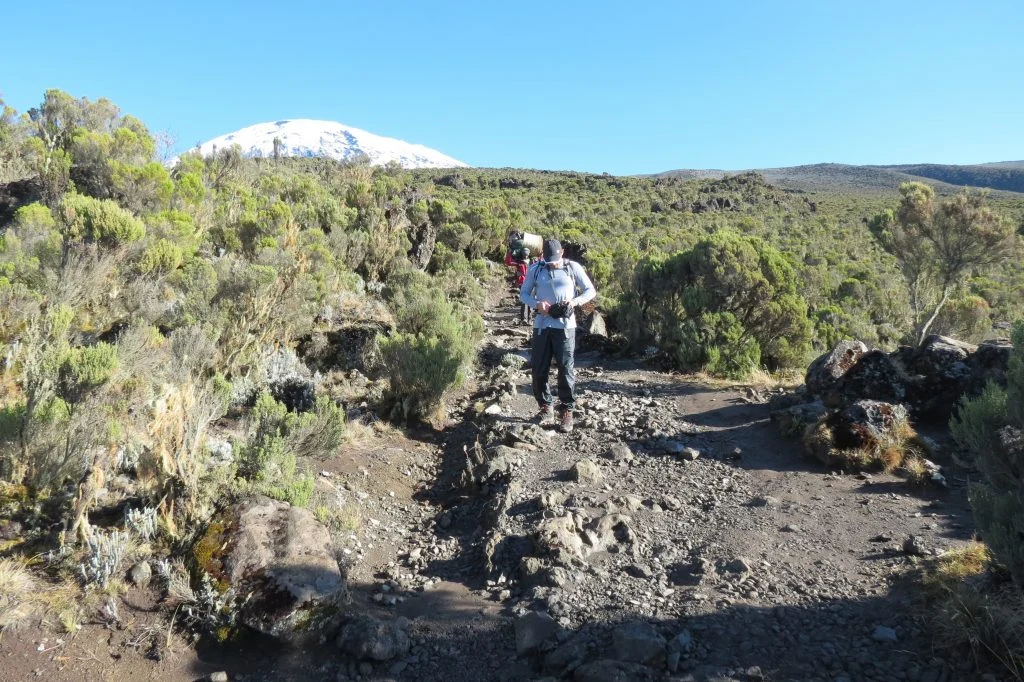
For a nation like Armenia, which boasts diverse, rugged, and relatively untouched landscapes, this shift represents a unique opportunity. By aligning with international ecotourism standards, Armenia can position itself as a premier destination for high-value, environmentally conscious travelers.


Official Responses and Strategic Implications

The Armenian government has signaled that the conference was a resounding success, with ministries already exploring the implementation of a national growth strategy for ecotourism.

The Need for Governance and Standards

One of the most significant takeaways from the conference was the necessity of formalizing Armenia’s participation in international networks. Carol Richie, Executive Director of the EUROPARC Federation, emphasized the dangers of unmanaged tourism: "Poorly managed tourism allows societal tensions to persist, weakens local communities’ connection to their heritage, and does irreparable damage to nature."

To mitigate these risks, the EUROPARC Federation offers the European Charter for Sustainable Tourism in Protected Areas. This certification is not a "quick fix" but a rigorous, multi-stakeholder commitment. Paulo Castro, a council member of the Federation, explained that the process requires protected area managers to create permanent forums for local participation. This ensures that the benefits of tourism are distributed equitably among the people who live near these protected lands, rather than being concentrated in the hands of external operators.
Fourth annual Armenia Ecotourism Conference: Key Stakeholders Gather to Discuss the Future of Ecotourism connected with Protected Areas - The International Ecotourism Society The fourth annual AUA Ecotourism Conference was held on August 30-31. The event was organized by the AUA Acopian Center for the Environment. in partnership with the Tourism Committee of the Ministry of Economy of the Republic of Armenia (RA), RA Ministry of Environment, WWF Armenia and Transboundary Joint Secretariat funded by the KfW German state-owned development bank and The International Ecotourism Society (TIES). Experts from The International Ecotourism Society, EUROPARC Federation, and the International Union for Conservation of Nature (IUCN) were among the key speakers. The invited participants included tour operators, policy makers, and protected area managers and experts. This year’s Conference focused on the role of protected areas in ecotourism and sustainable tourism development, which ensure protecting the environment and enabling nearby communities to benefit from growth in tourism. Protected Areas and the National/Regional Economy Dr. Thiago Souza, from the IUCN Commission on Protected Areas’ Tourism Specialists Group, talked about the global experience with investing in protected areas and the returns to the national and regional economies. “Politically, the value of investing in protected areas is often lost because we typically don’t make an adequate economic analysis,” points out Dr. Souza. He explains that in most places officials simply make an accounting or financial analysis. That is, they look at the budget of the protected area and the revenues generated from the entrance fees. “For most protected areas, the fees would be substantially smaller than the budgets of the protected areas,” he says. “In Brazil, for instance, budgets can be 9 times greater than fees collected.” But when an economic analysis is conducted, which considers more broadly the visitor spending and the tax and multiplier effects of this spending, a very different picture appears. “In Brazil, we’ve been able to show that for every dollar budgeted amount spent on protected areas, the national economy gains 15 dollars. The returns on investment are staggering,” says Dr. Souza. Europe shows smaller but still impressive numbers. Once adequate investments are made in the protected areas and the needed infrastructure, every euro spent on protected areas see 7 to 10 euros in GDP activity. A 2015 study shows that there are an estimated 8 billion visits per year to protected areas worldwide. This generates about US $600 billion per year in direct in-country expenditures. (Balmford et al, 2015). Growing Market of Ecotourism and Visiting Protected Areas Jon Bruno, the executive director of The International Ecotourism Society, offered a global perspective on the growth of the ecotourism sector. “Over 90 nations now have an ecotourism or sustainable tourism initiative nationally or at a regional level. This has happened in the last 30 years; there is no other form of tourism or industry that has become so fundamental to the global economy so quickly.” Mr. Bruno believes that this is a growing trend. And the travelers are developing greater sensitivity toward sustainable tourism. He says, “Travelers have greatly increased both their awareness of ecotourism and their willingness to increase payment to ensure a sustainable travel experience. Seventy percent of people under 30 say sustainable travel is a priority.” This is a market for which countries like Armenia have to be prepared as part of their efforts aimed at sustainable development. “Ecotourism and sustainable tourism can help local communities economically and create engagement for protecting their natural assets. Ecotourism provides the strongest community revenue and the best return on investment,” emphasizes Mr. Bruno. The fourth annual AUA Ecotourism Conference was held on August 30-31. The event was organized by the AUA Acopian Center for the Environment. in partnership with the Tourism Committee of the Ministry of Economy of the Republic of Armenia (RA), RA Ministry of Environment, WWF Armenia and Transboundary Joint Secretariat funded by the KfW German state-owned development bank and The International Ecotourism Society (TIES). Experts from The International Ecotourism Society, EUROPARC Federation, and the International Union for Conservation of Nature (IUCN) were among the key speakers. The invited participants included tour operators, policy makers, and protected area managers and experts. This year’s Conference focused on the role of protected areas in ecotourism and sustainable tourism development, which ensure protecting the environment and enabling nearby communities to benefit from growth in tourism. Protected Areas and the National/Regional Economy Dr. Thiago Souza, from the IUCN Commission on Protected Areas’ Tourism Specialists Group, talked about the global experience with investing in protected areas and the returns to the national and regional economies. “Politically, the value of investing in protected areas is often lost because we typically don’t make an adequate economic analysis,” points out Dr. Souza. He explains that in most places officials simply make an accounting or financial analysis. That is, they look at the budget of the protected area and the revenues generated from the entrance fees. “For most protected areas, the fees would be substantially smaller than the budgets of the protected areas,” he says. “In Brazil, for instance, budgets can be 9 times greater than fees collected.” But when an economic analysis is conducted, which considers more broadly the visitor spending and the tax and multiplier effects of this spending, a very different picture appears. “In Brazil, we’ve been able to show that for every dollar budgeted amount spent on protected areas, the national economy gains 15 dollars. The returns on investment are staggering,” says Dr. Souza. Europe shows smaller but still impressive numbers. Once adequate investments are made in the protected areas and the needed infrastructure, every euro spent on protected areas see 7 to 10 euros in GDP activity. A 2015 study shows that there are an estimated 8 billion visits per year to protected areas worldwide. This generates about US $600 billion per year in direct in-country expenditures. (Balmford et al, 2015). Growing Market of Ecotourism and Visiting Protected Areas Jon Bruno, the executive director of The International Ecotourism Society, offered a global perspective on the growth of the ecotourism sector. “Over 90 nations now have an ecotourism or sustainable tourism initiative nationally or at a regional level. This has happened in the last 30 years; there is no other form of tourism or industry that has become so fundamental to the global economy so quickly.” Mr. Bruno believes that this is a growing trend. And the travelers are developing greater sensitivity toward sustainable tourism. He says, “Travelers have greatly increased both their awareness of ecotourism and their willingness to increase payment to ensure a sustainable travel experience. Seventy percent of people under 30 say sustainable travel is a priority.” This is a market for which countries like Armenia have to be prepared as part of their efforts aimed at sustainable development. “Ecotourism and sustainable tourism can help local communities economically and create engagement for protecting their natural assets. Ecotourism provides the strongest community revenue and the best return on investment,” emphasizes Mr. Bruno. The fourth annual AUA Ecotourism Conference was held on August 30-31. The event was organized by the AUA Acopian Center for the Environment. in partnership with the Tourism Committee of the Ministry of Economy of the Republic of Armenia (RA), RA Ministry of Environment, WWF Armenia and Transboundary Joint Secretariat funded by the KfW German state-owned development bank and The International Ecotourism Society (TIES). Experts from The International Ecotourism Society, EUROPARC Federation, and the International Union for Conservation of Nature (IUCN) were among the key speakers. The invited participants included tour operators, policy makers, and protected area managers and experts. This year’s Conference focused on the role of protected areas in ecotourism and sustainable tourism development, which ensure protecting the environment and enabling nearby communities to benefit from growth in tourism. Protected Areas and the National/Regional Economy Dr. Thiago Souza, from the IUCN Commission on Protected Areas’ Tourism Specialists Group, talked about the global experience with investing in protected areas and the returns to the national and regional economies. “Politically, the value of investing in protected areas is often lost because we typically don’t make an adequate economic analysis,” points out Dr. Souza. He explains that in most places officials simply make an accounting or financial analysis. That is, they look at the budget of the protected area and the revenues generated from the entrance fees. “For most protected areas, the fees would be substantially smaller than the budgets of the protected areas,” he says. “In Brazil, for instance, budgets can be 9 times greater than fees collected.” But when an economic analysis is conducted, which considers more broadly the visitor spending and the tax and multiplier effects of this spending, a very different picture appears. “In Brazil, we’ve been able to show that for every dollar budgeted amount spent on protected areas, the national economy gains 15 dollars. The returns on investment are staggering,” says Dr. Souza. Europe shows smaller but still impressive numbers. Once adequate investments are made in the protected areas and the needed infrastructure, every euro spent on protected areas see 7 to 10 euros in GDP activity. A 2015 study shows that there are an estimated 8 billion visits per year to protected areas worldwide. This generates about US $600 billion per year in direct in-country expenditures. (Balmford et al, 2015). Growing Market of Ecotourism and Visiting Protected Areas Jon Bruno, the executive director of The International Ecotourism Society, offered a global perspective on the growth of the ecotourism sector. “Over 90 nations now have an ecotourism or sustainable tourism initiative nationally or at a regional level. This has happened in the last 30 years; there is no other form of tourism or industry that has become so fundamental to the global economy so quickly.” Mr. Bruno believes that this is a growing trend. And the travelers are developing greater sensitivity toward sustainable tourism. He says, “Travelers have greatly increased both their awareness of ecotourism and their willingness to increase payment to ensure a sustainable travel experience. Seventy percent of people under 30 say sustainable travel is a priority.” This is a market for which countries like Armenia have to be prepared as part of their efforts aimed at sustainable development. “Ecotourism and sustainable tourism can help local communities economically and create engagement for protecting their natural assets. Ecotourism provides the strongest community revenue and the best return on investment,” emphasizes Mr. Bruno.

Empowering Local Communities

The consensus among experts was clear: ecotourism is only sustainable if it serves the local community. By involving local residents in the management of tourism products—such as agro-tourism, heritage crafts, and guided trekking—protected areas can transform from restricted zones into economic hubs.

"Ecotourism provides the strongest community revenue and the best return on investment," Mr. Bruno emphasized. By creating a symbiotic relationship between conservation and commerce, Armenia can ensure that its natural assets are protected not just by government decree, but by the local populations who derive their livelihoods from them.


Looking Forward: A Roadmap for Armenia

The Fourth Annual AUA Ecotourism Conference has laid the groundwork for a more structured approach to environmental tourism in the region. The identification of gaps in infrastructure, the push for international certification, and the shift toward economic models that value conservation have provided a clear roadmap for stakeholders.

As the Ministry of Environment moves forward with its strategic initiatives, the focus will likely remain on three core pillars:

  1. Infrastructure Development: Investing in visitor centers and trail systems that meet international standards.
  2. Standardization: Seeking accreditation from bodies like the EUROPARC Federation to improve the management of Armenia’s national parks.
  3. Community Integration: Ensuring that local businesses are the primary beneficiaries of the burgeoning ecotourism market.

The success of this conference serves as a testament to the fact that when science, policy, and industry align, the protection of the environment becomes the most profitable investment a nation can make. With Armenia’s rich biodiversity and cultural heritage, the country is well-positioned to emerge as a regional leader in the global ecotourism movement, demonstrating that a sustainable future is not only possible but economically imperative.

For those interested in collaborating on future initiatives, The International Ecotourism Society continues to serve as a hub for global expertise, offering workshops and seminar partnerships to help nations bridge the gap between conservation and sustainable economic growth.