For over a century, the Antiquities Act of 1906 has served as the bedrock of American conservation. Signed into law by President Theodore Roosevelt, this landmark legislation granted the executive branch the authority to protect land deemed of scientific, cultural, or historical importance. It was the genesis of some of the nation’s most iconic landscapes—the Grand Canyon, Zion, Acadia, and Olympic National Parks all began as National Monuments.
However, the sanctity of these public lands is currently facing an unprecedented existential threat. On July 13, 2026, the federal government issued sweeping proclamations to reduce the boundaries of the Bears Ears and Grand Staircase-Escalante National Monuments by 90%. This decision, which slashes nearly 3 million acres from federal protection, represents a radical departure from decades of bipartisan environmental stewardship and has ignited a firestorm of controversy across the nation.
The Antiquities Act: A Legacy of Preservation
The Antiquities Act was designed to prevent the looting and destruction of artifacts on federal land, but it quickly evolved into a powerful tool for safeguarding the American spirit. Forty presidents, representing both sides of the political aisle, have utilized the Act to ensure that the nation’s most irreplaceable natural and cultural heritage remains preserved for future generations.
Nearly half of the United States’ current National Park system traces its origins to a National Monument designation. When Teddy Roosevelt signed the Act into law, he immediately utilized it to establish 18 National Monuments, setting a precedent that prioritized the long-term health of the American landscape over short-term exploitation. These monuments are more than just scenic vistas; they are "natural water towers," protecting critical watersheds that supply clean, reliable water to millions of Americans.
Chronology of a Crisis: From Protection to Partition
The current crisis did not emerge in a vacuum; it is the latest chapter in a long-standing tension between federal land oversight and regional development interests.
- 1996: President Bill Clinton designates the 1.9-million-acre Grand Staircase-Escalante National Monument, citing its extraordinary paleontological, geologic, and cultural value.
- 2016: Following intense advocacy from the Bears Ears Inter-Tribal Coalition, President Barack Obama designates the Bears Ears National Monument, marking the first time a U.S. monument was established based on the sustained, millennia-long connection of Tribal nations to a specific landscape.
- 2017: A previous administration attempts a significant rollback, reducing these monuments by roughly 2 million acres. This action sparks a massive legal and public outcry.
- 2021: The Biden administration moves to reverse the 2017 rollbacks, restoring the monuments to their original boundaries and re-establishing the role of Tribal leadership in land management.
- July 2026: A new set of proclamations reduces the combined area of both monuments to just over 300,000 acres—a 90% reduction. The Bears Ears Commission, a body of Tribal representatives tasked with managing the land, is disbanded, and the seals of the sovereign Tribal nations are removed from monument signage.
Data and Economic Impact: The Value of Protected Landscapes
Critics of the monument reductions argue that the move ignores the tangible economic and ecological benefits that these lands provide to gateway communities. Data consistently shows that protected lands act as catalysts for sustainable economic development.
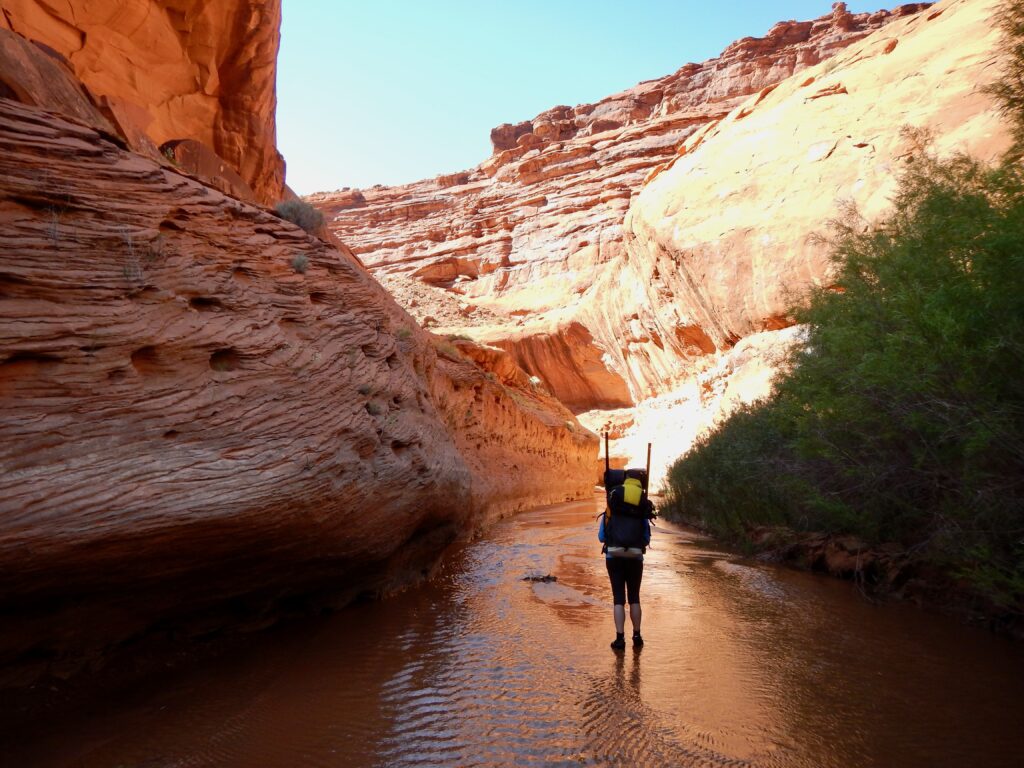
For example, when the Rio Grande Del Norte National Monument was designated in New Mexico, the town of Taos experienced a 40% surge in tourism and a 20% increase in lodging tax revenue within a single year. Similarly, a National Park Service study found that the Katahdin Woods and Waters National Monument in Maine contributed $3.4 million to local gateway economies in 2024 alone.
Beyond economics, these monuments are vital for wildlife connectivity. The Rio Grande Del Norte corridor is a crucial migration path for elk, pronghorn, and bighorn sheep. In Maine, the watersheds of the East Branch Penobscot River, protected by the Katahdin monument, are essential for the survival of endangered Atlantic salmon, Canada lynx, and wild brook trout. To reduce these protections is to jeopardize the intricate web of life that sustains these ecosystems.
The Tribal Perspective: A Violation of Sovereignty
The removal of Tribal seals from monument signage and the dismantling of the Bears Ears Commission have been described by many as a direct attack on Tribal sovereignty. For the Hopi, Navajo, Ute Mountain Ute, Zuni, and Ute Indian Tribes, these lands are not merely "public land"—they are ancestral homelands, cathedrals, and living museums.
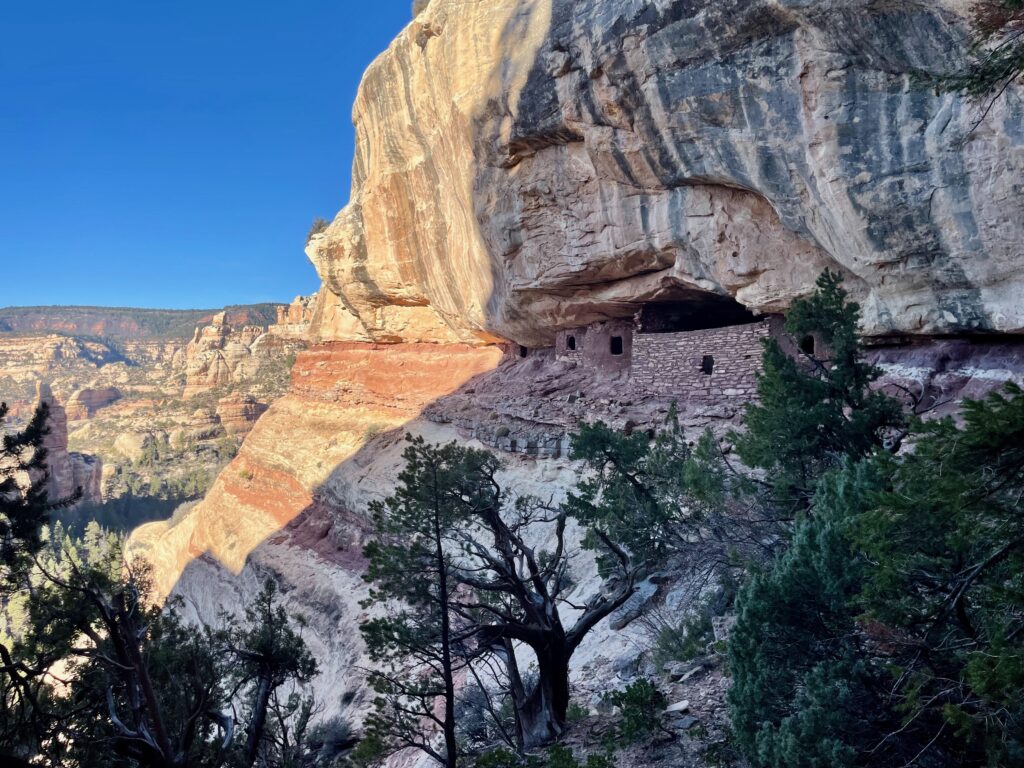
These areas contain nearly 100,000 archaeological sites, including Ancestral Puebloan cliff houses, kivas, and sacred rock art. For many Tribal members, the land remains a source of medicinal and ceremonial plants. The management model established in 2016 was a historic step toward collaborative conservation, acknowledging that those who have stewarded the land for millennia possess the expertise necessary to protect it for the future. By stripping these communities of their management authority, the government has effectively silenced the voices of the original inhabitants of these landscapes.
Implications: The Future of Public Lands
The reduction of these monuments raises a harrowing question: if these world-renowned landscapes are not safe from administrative overreach, what does that mean for other protected areas?
The potential for further "deregulation" of public lands is a growing concern for conservationists and outdoor recreation enthusiasts alike. The impact of such policies is not limited to environmental degradation; it touches upon the fundamental relationship between the American public and the lands held in trust for them. When over 1,000 citizens recently gathered in six cities across Utah to protest the rollbacks, it signaled a broad, bipartisan resistance to the privatization and exploitation of shared natural resources.
A Call to Action
The current administration’s justification for the rollbacks rests on the premise of opening lands for development. However, the legacy of the Antiquities Act proves that the most sustainable economic path is one that treats these landscapes as irreplaceable.
"There are places in the country where development is appropriate," notes a spokesperson for regional conservation groups. "But we must be disciplined in our stewardship. We must ask ourselves if the short-term gains of extraction are worth the permanent loss of our clean water, our cultural history, and the very biodiversity that keeps our planet resilient."
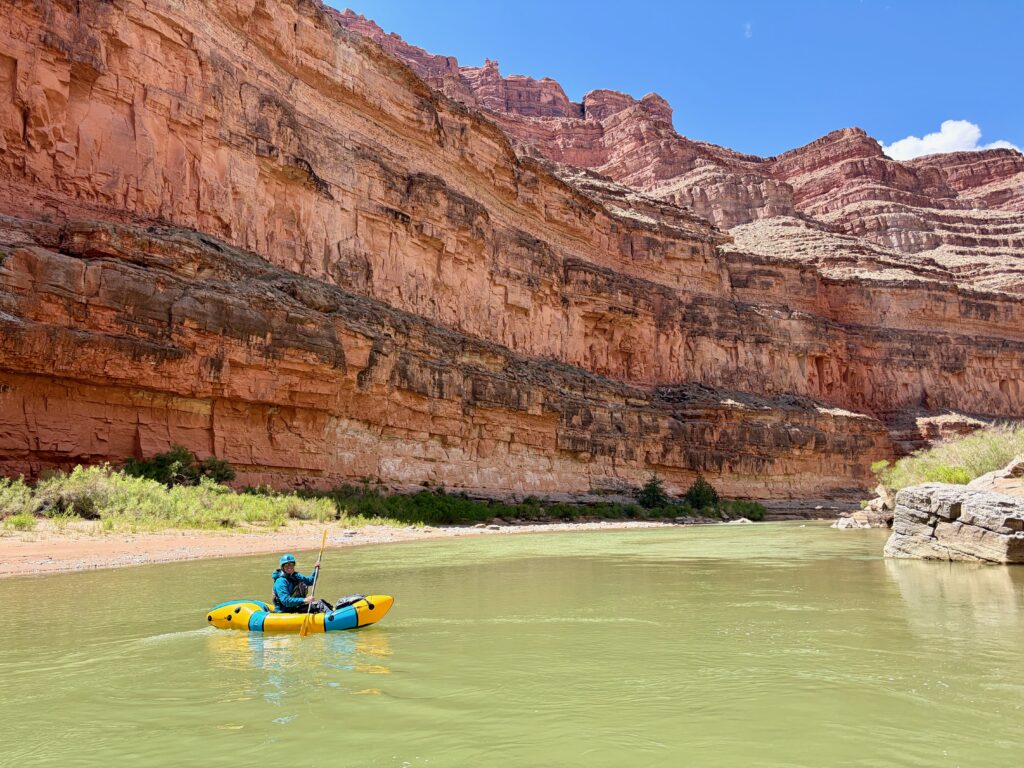
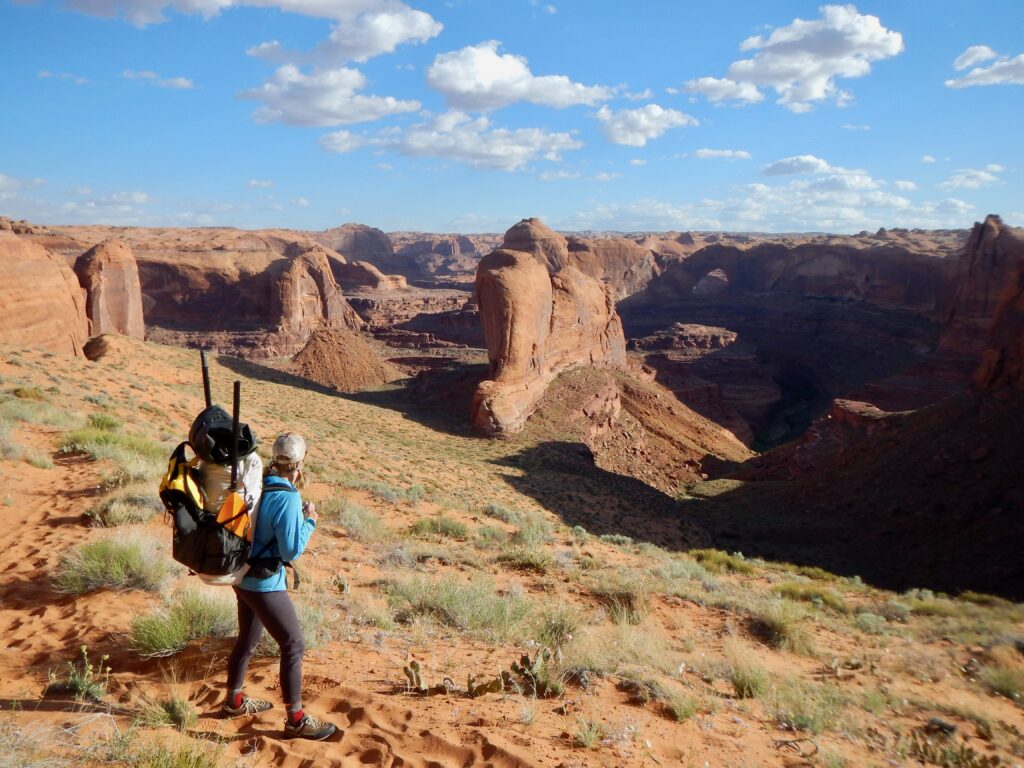
For those who visit the buff-colored canyons and pinion-juniper mesas of the Southwest, the loss is personal. The ability to travel these landscapes—afoot, afloat, or astride a bicycle—is a privilege that defines the American experience. These monuments are, by definition, a public trust. The decision to slash their size is a breach of that trust, setting a precedent that threatens the integrity of the entire national monument system.
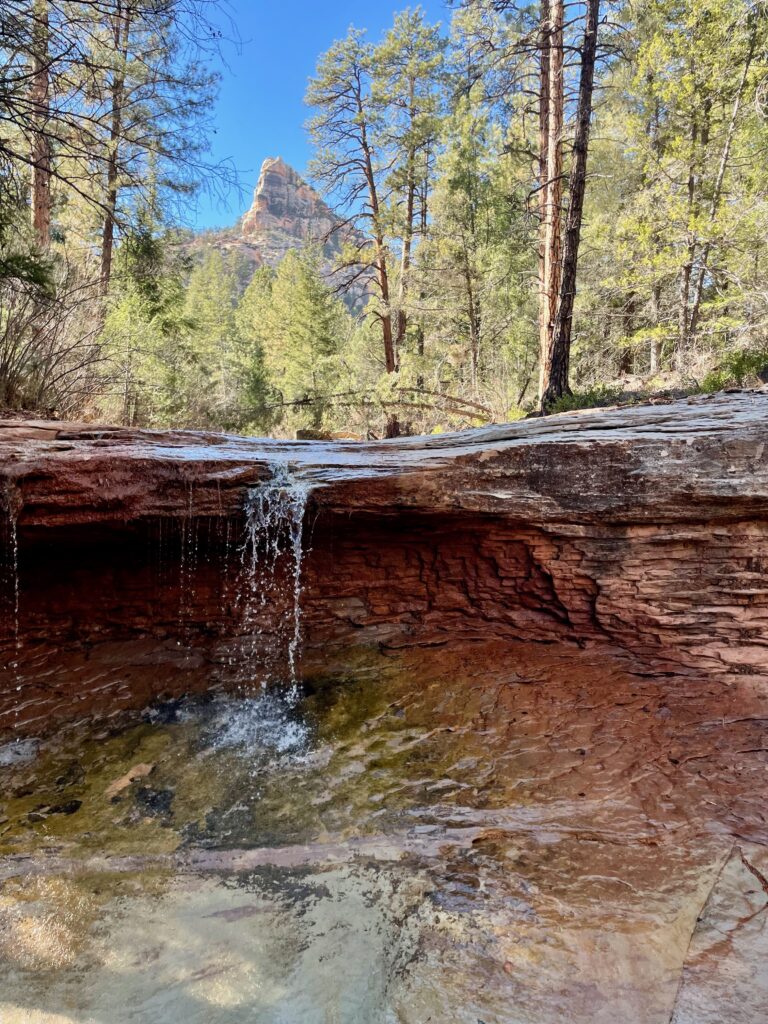
As the legal challenges to the 2026 proclamations begin to mount, the nation finds itself at a crossroads. The choice is between a vision of the American landscape as a warehouse of raw materials or as a sacred, enduring legacy of our natural and cultural identity. The defense of Bears Ears and Grand Staircase-Escalante is not just about the specific acres in Utah; it is a battle for the future of all protected lands, ensuring that the legacy of Roosevelt and the generations of conservationists who followed remain intact for the next century.
If you value the preservation of these spaces, the time to engage is now. Visit these monuments, bear witness to their majesty, and understand that their existence is the only thing standing between these irreplaceable treasures and the irreversible impacts of industrial development.