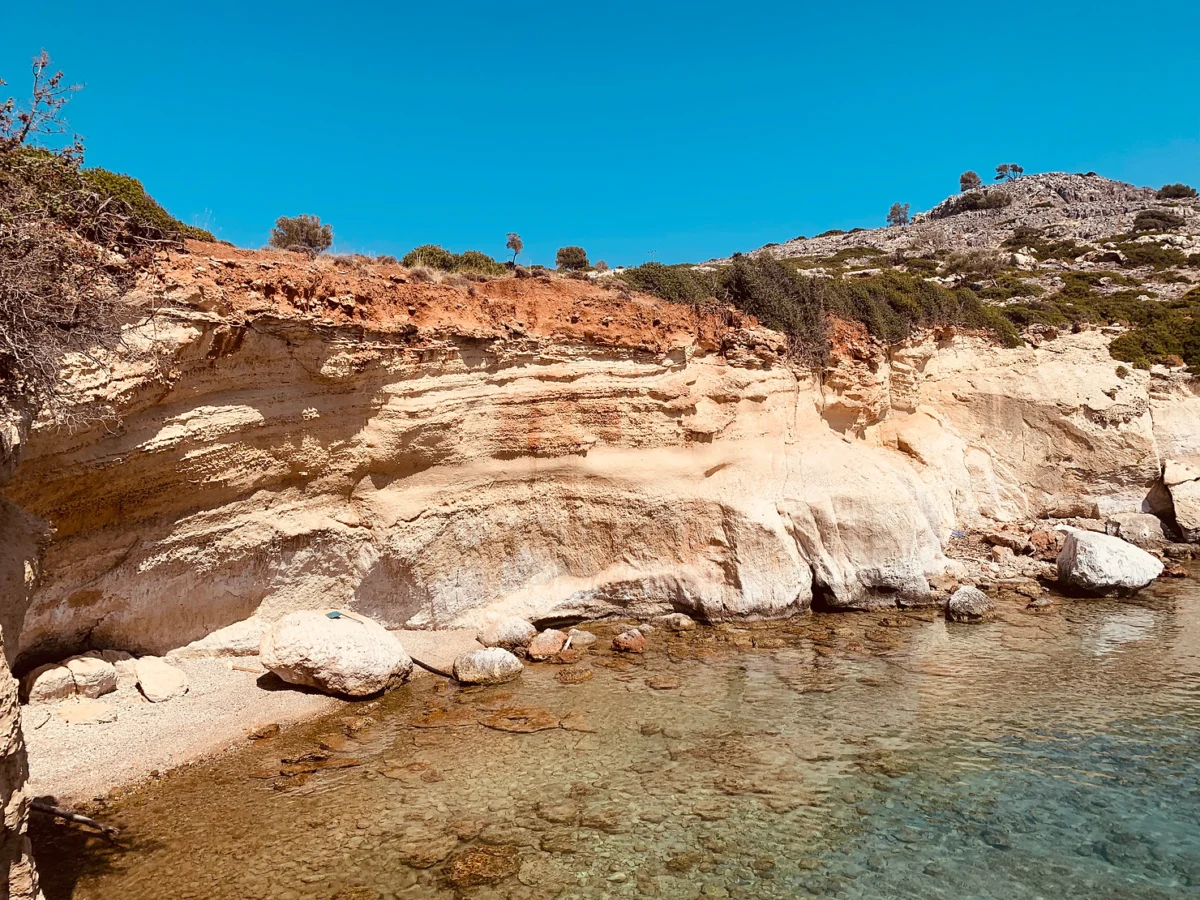
Rhodes, the crown jewel of the Dodecanese, is internationally renowned for its medieval Old Town, the iconic Acropolis of Lindos, and its bustling cosmopolitan resorts. Yet, for the seasoned traveler seeking to escape the well-trodden paths of mass tourism, the island hides a different face. Beyond the sunbeds and the beach bars lies a rugged, authentic coastline where the Aegean Sea meets untamed nature.
For those willing to trade paved roads for dusty tracks and convenience for solitude, we have curated a guide to the ten most secluded beaches on Rhodes. These are the sanctuaries of the "real" Rhodes—places where the only soundtrack is the rhythmic pulse of the Mediterranean and the song of the cicadas.
The Geography of Solitude: Main Facts
Rhodes is characterized by a stark contrast between its organized eastern coast and its wild, mountainous interior and western shoreline. The beaches featured here are defined by their relative inaccessibility, lack of commercial development, and pristine water quality.
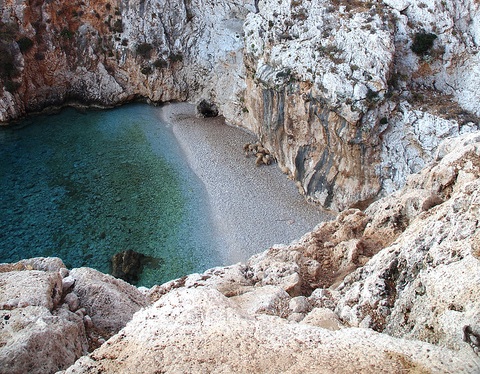
The primary allure of these spots is their preservation. In an era of over-tourism, these locations serve as vital ecological corridors and, for the visitor, as a means to reconnect with the raw beauty of the Mediterranean landscape. Whether you are looking for the jagged cliffs of the west or the quiet coves near the historic village of Lindos, these ten locations offer a masterclass in Aegean tranquility.
A Chronology of Discovery: The Evolution of Rhodian Tourism
Historically, the tourism industry in Rhodes focused on the "sun-and-sand" model, leading to the rapid development of regions like Faliraki and Pefkos. However, a shift began in the early 21st century. As travel trends migrated toward experiential tourism, the value of "hidden gems" increased.
- 1970s–1990s: The rise of mass tourism cemented the popularity of organized beaches. Local "canteens" (like the one at Glyfada) were established to serve locals and a handful of intrepid travelers.
- 2000s–2010s: The emergence of digital mapping and travel blogging allowed for the democratization of information. Beaches like Mavros Kavos and Fourni began appearing on the radars of explorers.
- 2020–Present: The post-pandemic desire for "social distancing" and nature-based travel has elevated these secluded spots from local secrets to high-value destinations for conscious travelers.
Supporting Data: The 10 Hidden Treasures of Rhodes
1. Fokia Beach (Pefkos)
Located just five kilometers from the bustling hub of Lindos, Fokia remains a sanctuary of silence. It is a cove framed by lush Mediterranean greenery, offering a glimpse into the island’s natural heritage. Its proximity to Lindos makes it a perfect day trip for those wanting to escape the afternoon heat of the ruins.

2. Fourni Beach (Monolithos)
At the western tip of the island, Fourni is arguably the most lush beach on the coast. It is a place where the sun doesn’t just set; it seems to vanish into the depths of the sea. Its dramatic landscape is a testament to the volcanic and geological history of the region.
3. Mavros Kavos (Katavia)
This is the ultimate test for the dedicated beachgoer. Requiring a 20-minute off-road journey, the beach offers total isolation. With no man-made structures in sight, it is arguably the best spot on the island to experience the wilderness of the Aegean.
4. Arkeftas Beach (Pefkos)
Arkeftas is an open-sea sanctuary. Its crystal-clear waters are constantly refreshed by Mediterranean currents. It is recommended for the early risers who wish to claim a spot before the heat of the day, rewarding them with a sunset view that spans the entire southern tip of the island.

5. Kopria Beach (Ataviros)
Often described as a "hidden treasure," Kopria is a small, pebbled cove. While it features a modest number of sunbeds and a small restaurant, it retains an intimate feel that is increasingly rare in the region.
6. Glyfada Beach (Ataviros)
The journey to Glyfada is part of the appeal, winding through the most rural, untouched parts of the island. Surrounded by dense pine forests, this beach offers a stark contrast to the barren eastern coast.
- Insider Tip: The beach features a canteen that has been operating since the 1970s. It remains a bastion of authentic, local cuisine—an essential stop for any serious foodie.
7. Apolakia Beach (Apolakia)
Located at the southwestern tip, this is a protected biotope. The beach is expansive, characterized by its long stretches of sand and, quite often, its wild, wavy waters. It is a sanctuary for those who prefer the energy of the open sea over the calm of a lagoon.

8. Mandriko Beach (Ataviros)
A remote stretch located just 7 km from the port of Kameiros Skala, Mandriko sits directly in front of the namesake coastal village. It offers a glimpse into the life of the local fishing community, largely untouched by the international resort circuit.
9. Kiotari Beach (Kiotari)
While Kiotari is a known name, the specific, secluded pockets of its coastline remain hidden. By moving away from the main hotel developments and seeking out the "shack on the rock," visitors can find a piece of the original, quiet Kiotari that existed before the rise of modern tourism.
10. Areta Beach (Chalki)
Though technically on the neighboring island of Chalki, this spot is a mandatory addition for those based in Rhodes. A short 30-minute ferry ride from Mandriko port brings you to a snorkeler’s paradise. It is arguably one of the most deserted and pristine beaches in the entire Dodecanese archipelago.

Official Responses and Sustainability Concerns
The local tourism authorities and conservation groups in Rhodes have recently highlighted the delicate balance required to maintain these sites. While they represent a lucrative niche for the tourism sector, there is an official emphasis on "carrying capacity."
"The allure of these beaches is their natural state," notes a representative from the regional tourism board. "We encourage visitors to practice ‘Leave No Trace’ principles. These areas are not just swimming spots; they are vital ecological habitats that define the island’s character."
Local businesses, such as the Caesars Gardens Hotel & Spa in Lindos, have also shifted their focus toward sustainable tourism, providing guests with information on how to navigate these areas respectfully. By directing visitors to these remote spots, there is a strategic move to alleviate the overcrowding of the more popular, high-density beaches.

Implications for Future Travelers
The shift toward "slow travel" in Rhodes has significant implications. For the visitor, it means a more rewarding, authentic experience. For the island, it means a more sustainable distribution of foot traffic.
However, this transition requires a shift in traveler mindset. These locations do not offer the amenities of a five-star beach club. They require preparation: adequate water, sun protection, appropriate footwear for rocky terrain, and a high level of respect for the environment.
As Rhodes continues to grow as a world-class destination, the survival of these secluded spots depends entirely on the discretion of those who visit them. By choosing to visit the hidden corners of the island, travelers are participating in a new kind of tourism—one that values preservation over consumption and silence over the noise of the crowd.

Plan Your Journey
Whether you are an explorer at heart or a traveler looking for a moment of genuine peace, these beaches serve as a reminder of what the Aegean was before the map was fully drawn. For those staying in the Lindos area, the Caesars Gardens Hotel & Spa serves as an ideal base from which to launch these expeditions into the wilder side of Rhodes.
For more information on navigating these hidden gems or to plan your stay, visit www.caesarsgardens.com.