Introduction: A Region Under Siege
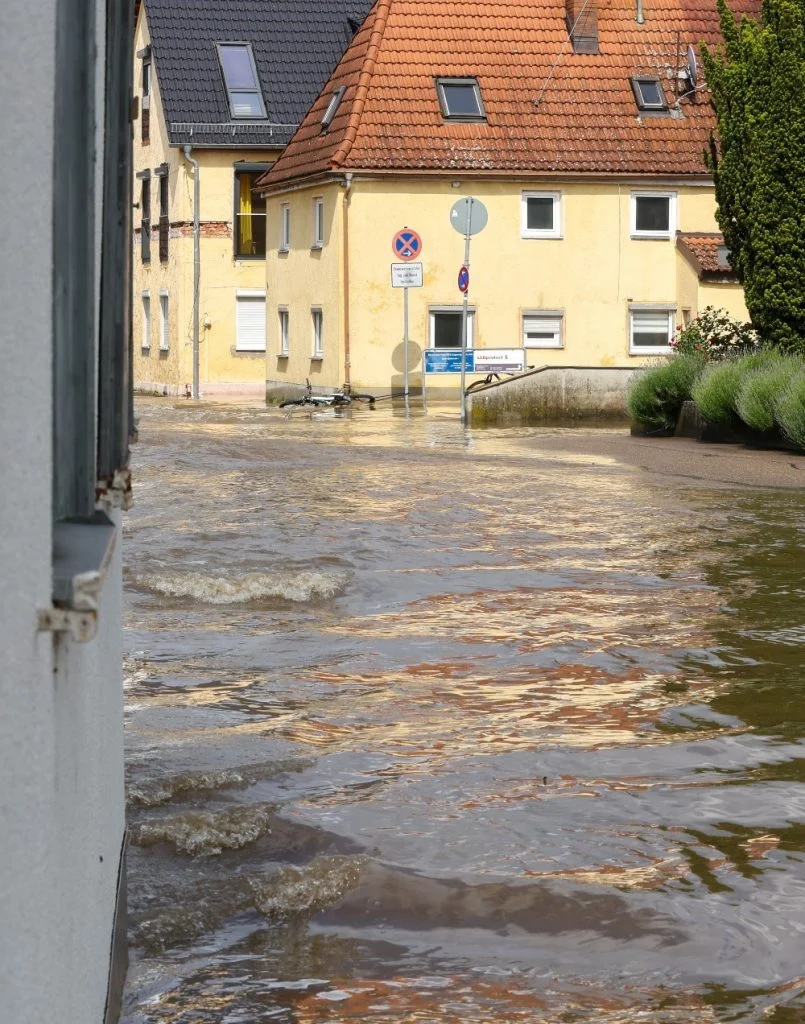
Southern Germany is currently grappling with the devastating aftermath of a severe weather system identified by the Federal Agency for Technical Relief (THW) as storm "Orinoco." Beginning on May 31, 2024, an unprecedented deluge of rain has transformed the landscapes of Bavaria and Baden-Württemberg into disaster zones. With rivers breaching their banks, dams failing, and thousands forced to flee their homes, the region is facing one of its most significant flood events in recent history. As the waters continue to rise and the threat of further precipitation looms, the human and infrastructural toll continues to climb, leaving communities in a state of profound shock and uncertainty.
Chronology: The Rapid Escalation of the Crisis
The Onset: May 31, 2024
The crisis began when the Orinoco weather system stalled over Southern Germany, dumping relentless, concentrated rainfall across the states of Bavaria and Baden-Württemberg. According to the German Meteorological Service (DWD), the intensity of the precipitation was historic. Within a mere 24-hour window, several regions recorded rainfall totals exceeding their average monthly accumulation. The village of Zeisertsweiler, located in the Sigmarszell District, faced the brunt of the initial onslaught, recording an staggering 135 mm of rainfall. Nearby, the Baden-Württemberg town of Kißlegg recorded 130 mm, while Bad Wörishofen saw 129 mm.
The Surge: June 1–2, 2024
As the ground reached its saturation point, the inability to absorb further water triggered rapid runoff. By the early hours of June 1, multiple river systems—including the Schmutter, Cham, Paar, Ilm, Danube, and Isar—surpassed their highest warning thresholds. The crisis transitioned from localized flash flooding to widespread regional inundation. By June 2, the situation had reached a breaking point, with dyke failures and dam breaches reported across several districts. The town of Baar-Ebenhausen, in the Pfaffenhofen an der Ilm district, became a focal point of the emergency, necessitating the immediate evacuation of 800 residents.
The Current State: June 3, 2024
As of June 3, the situation remains precarious. The primary concern for civil protection agencies is the rising level of the Danube River and its major tributaries. The Bavarian State Office for the Environment reported that the Danube had exceeded the level 4 (highest) warning status at 11 separate locations. Simultaneously, the Amper at Inkofen and the Paar at Manching and Mühlried reached critical levels. Emergency services remain in a state of high alert as meteorologists warn that the cycle of heavy rain may not conclude immediately.
Supporting Data: The Scale of the Inundation
Evacuations and Displacements
The human impact of the floods is substantial. The Bavarian Ministry of the Interior confirmed that approximately 3,000 people have been forced to evacuate their homes across the districts of Pfaffenhofen an der Ilm, Augsburg, Günzburg, and Donau-Ries. The scale of the displacement has required extraordinary measures, including helicopter-assisted rescues. In Günzburg alone, police helicopters were deployed to extract at least 12 individuals from rooftops and balconies as the floodwaters surged into their living spaces.
In the neighboring state of Baden-Württemberg, the situation mirrors the severity seen in Bavaria. Authorities in Meckenbeuren issued mandatory evacuation orders for up to 1,300 residents. Other municipalities, such as Ebersbach an der Fils, have similarly been forced to relocate residents as flood defenses were overwhelmed.

Infrastructure and Transport Disruptions
The physical impact on infrastructure has been extensive. Beyond the damage to private property, critical transit networks have been paralyzed. In a harrowing incident near Schwäbisch Gmünd, a train carrying 180 passengers was derailed after a landslide, triggered by the oversaturated soil, compromised the tracks. Fortunately, no injuries were reported among the passengers, but the incident highlights the secondary threats posed by the storm, including geological instability.
Additionally, the energy sector has faced severe disruptions. An employee of a regional energy company suffered life-threatening injuries due to electrocution while working in a flooded zone in Allershausen, Bavaria, underscoring the extreme risks faced by first responders and utility workers in these hazardous environments.
Official Responses and Human Tragedy
The Toll on First Responders
The heroism of the emergency services has been overshadowed by profound loss. During a rescue mission in the Pfaffenhofen an der Ilm district, a boat capsized, resulting in the death of a firefighter. While three of his colleagues managed to escape to safety, the tragedy has reverberated across the nation. Furthermore, a second firefighter remains missing in similar circumstances in the town of Offingen, Bavaria. These incidents serve as a stark reminder of the extreme dangers faced by those tasked with rescuing others in turbulent, rising waters.
Political Reactions
German Chancellor Olaf Scholz expressed his deep condolences to the families of the victims. "The death of a firefighter in Pfaffenhofen has shocked me," he stated, emphasizing that his thoughts were with the colleagues and grieving families of those lost. State officials have also been active on the ground. In Baden-Württemberg, Interior Minister Thomas Strobl visited the municipality of Erbach, where he confirmed that the state must prepare for at least one flood-related fatality, reflecting the grim uncertainty that persists as search and rescue operations continue.
State of Emergency
To coordinate a unified and rapid response, a state of emergency has been formally declared across a vast swath of Bavaria. The list of affected jurisdictions is extensive, including:
- Districts: Günzburg, Augsburg, Aichach-Friedberg, Neu-Ulm, Pfaffenhofen an der Ilm, Donau-Ries, Unterallgäu, Freising, Neuburg-Schrobenhausen, Dillingen an der Donau, Dachau, Kelheim, Deggendorf, and Straubing-Bogen.
- Cities: Straubing and Regensburg.
This declaration allows for the mobilization of additional federal resources and provides local governments with the legal authority to enforce mandatory evacuations and redirect public funds toward emergency disaster relief.

Implications: A Future Defined by Resilience
Assessing the Damage
While the focus remains on immediate life-saving operations, the long-term implications are beginning to surface. The structural integrity of dams and levees, many of which were built to withstand "once-in-a-century" events, is being questioned. The frequency of such "extreme" weather events—as evidenced by the rapid sequence of storms in recent years—suggests that historical flood models may no longer be sufficient for modern climate realities.
Environmental and Economic Costs
The economic burden of the recovery phase is expected to be in the hundreds of millions of euros. Beyond the costs of rebuilding infrastructure, the agricultural sector in the affected regions faces significant losses due to the destruction of crops and the contamination of fields by silt and floodwater. Environmental experts are also monitoring the potential for hazardous materials to have been washed from industrial sites into the water supply, a persistent risk in industrialized regions like Southern Germany.
The Path Forward
As the waters eventually recede, the focus will shift from rescue to recovery and reconstruction. However, the tragedy of these past few days has sparked a necessary conversation regarding climate adaptation. Germany’s disaster management infrastructure, while robust, is being stretched to its limits. The resilience of the German people, demonstrated by the selfless actions of the fire brigades and the THW, will be the foundation of the recovery. Yet, the recurring nature of these crises suggests that "Orinoco" will likely be a catalyst for a reevaluation of urban planning, flood-plain management, and the integration of climate-resilient engineering into the heart of European development.
For now, the priority remains clear: the safety of the remaining residents, the search for the missing, and the stabilization of the river systems that continue to threaten the heart of Bavaria and Baden-Württemberg. The nation stands in solidarity with those whose lives have been upended by the currents, waiting for the skies to clear and the long process of healing to begin.