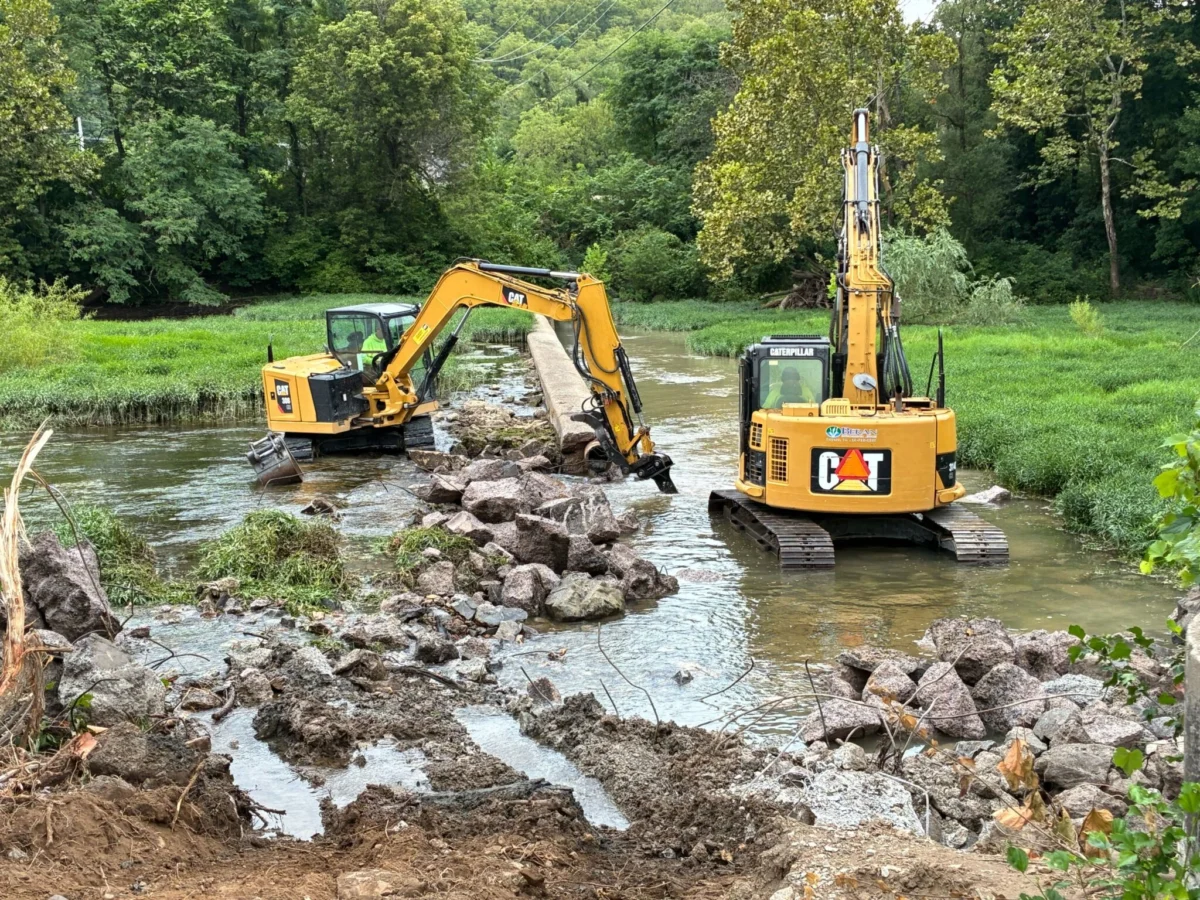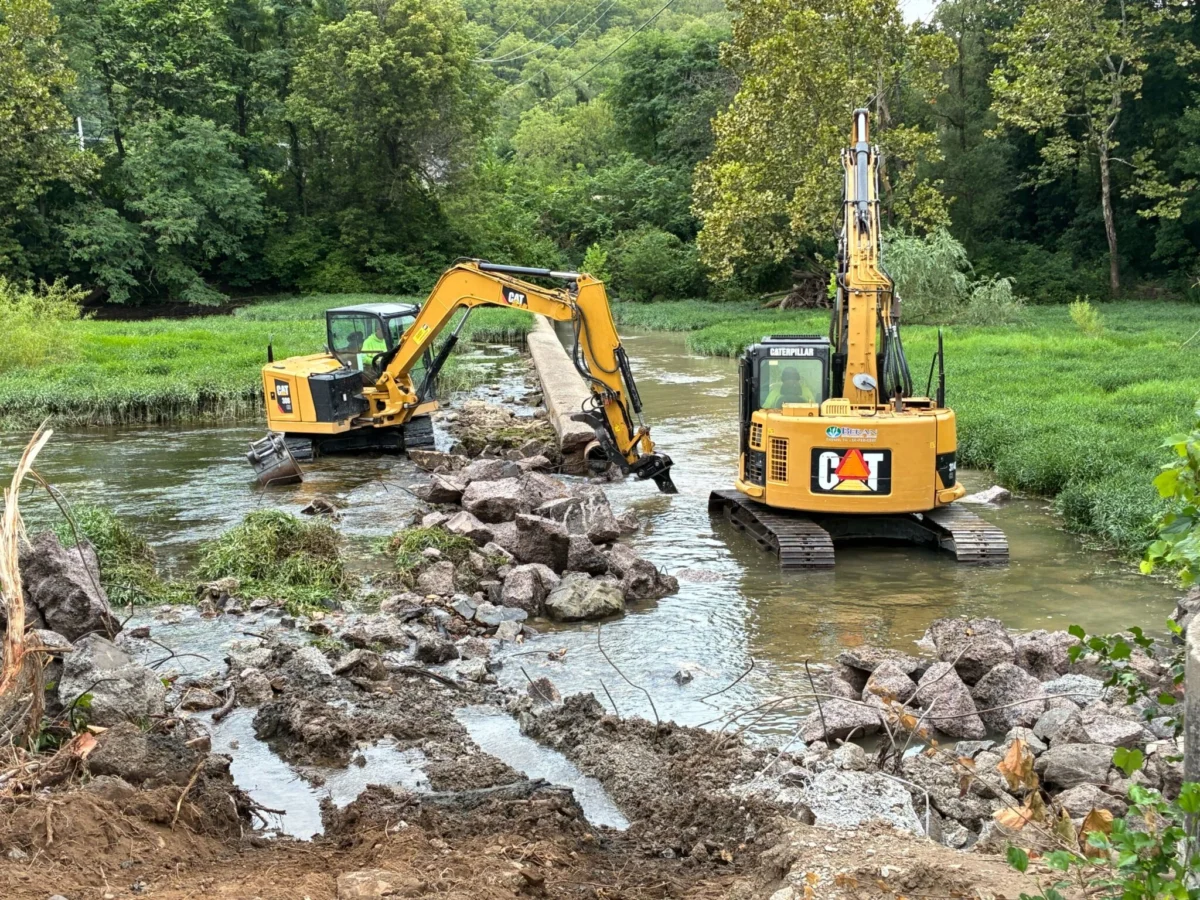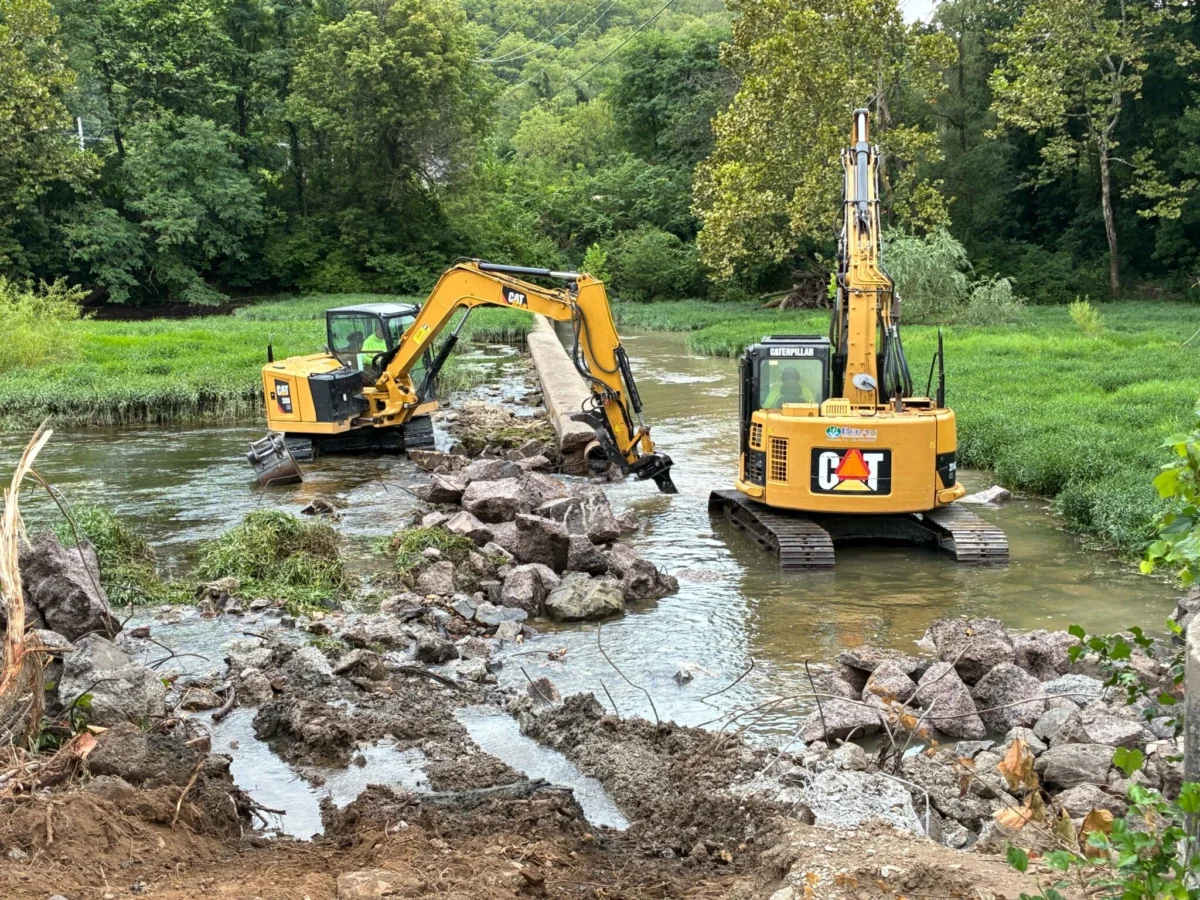
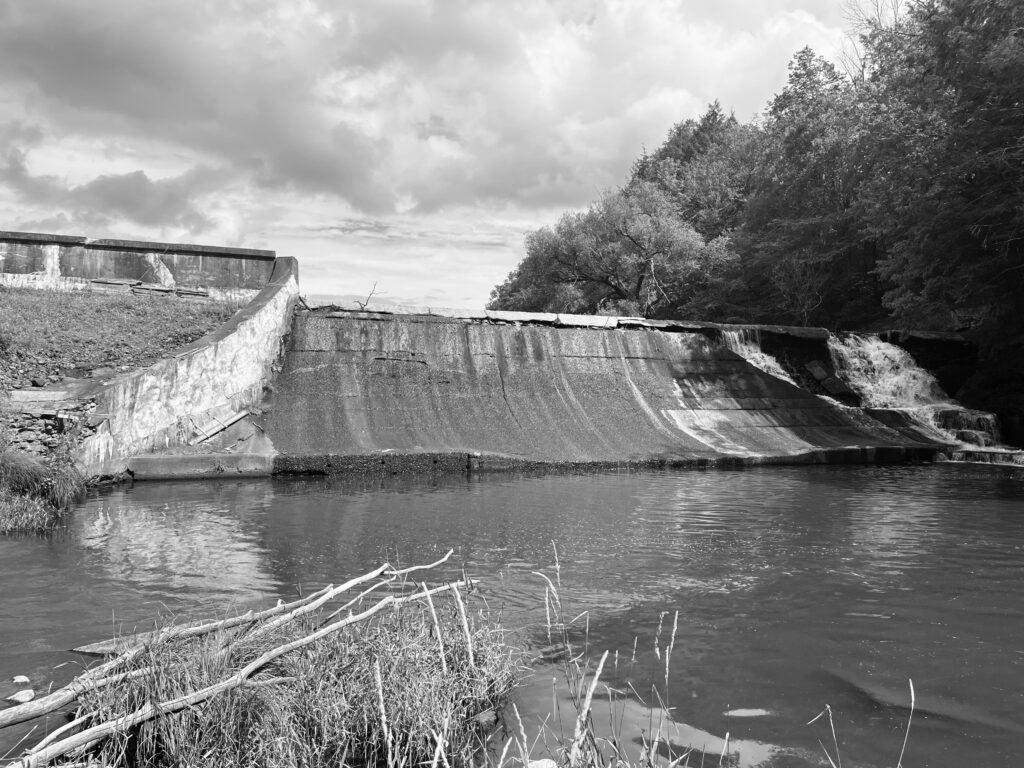
In a quiet corner of the Catskill Mountains, the century-old Lake Jefferson Dam stands as a monument to a bygone era. Its concrete is weathered and scarred; its spillway, designed in 1926, is woefully inadequate for the high-volume deluge brought by modern, climate-intensified storms. To the casual observer, it is a relic of local history. To hydrologists and safety officials, it is a catastrophic failure waiting to happen.
This scenario is far from unique. Across the United States, thousands of aging dams are reaching the end of their operational lifespans, creating an "infrastructure crisis in plain sight." As the frequency of dam-related safety emergencies climbs, experts are calling for a fundamental shift in how we manage our waterways—moving away from the presumption that every dam must be saved, and toward a philosophy of strategic removal.
The Anatomy of an Infrastructure Failure
The crisis is driven by a convergence of two powerful forces: the inexorable degradation of materials and the changing nature of our climate.
Many of the nation’s dams were constructed in the early to mid-20th century. While these structures were engineering marvels of their time, they were designed based on historical weather patterns that no longer hold true. Today, extreme precipitation events—the kind that dump months of rain in a matter of hours—routinely test the structural integrity of these barriers. When a spillway is too small to pass a historic flood, water overtops the dam, often leading to rapid erosion and eventual structural collapse.
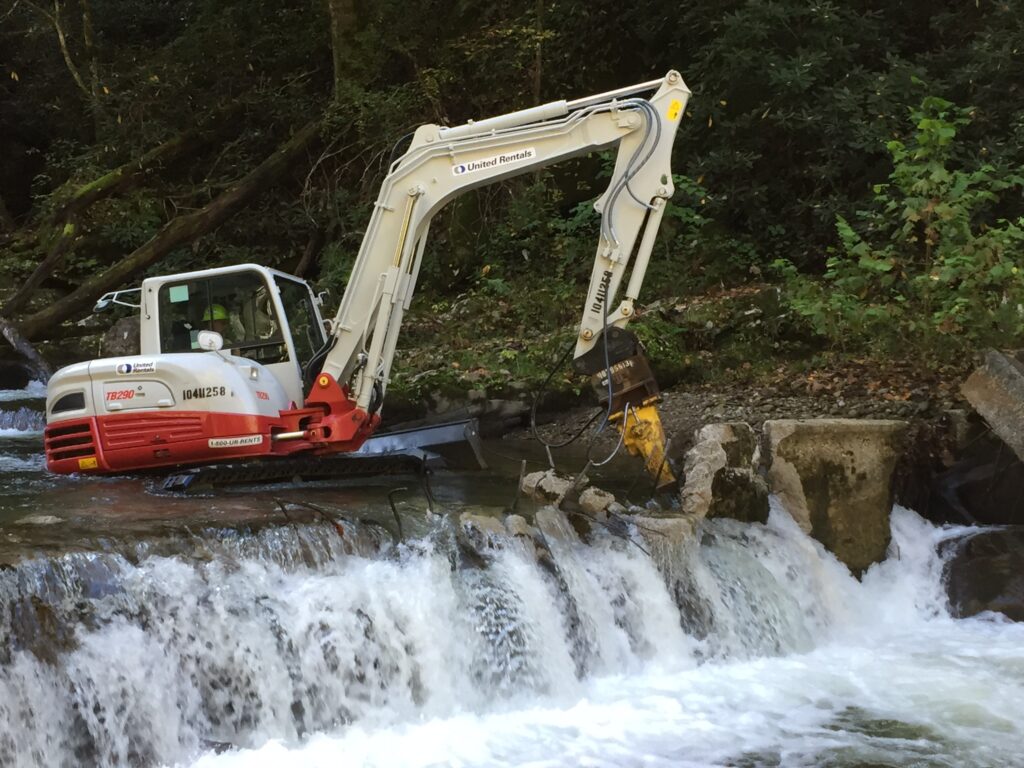
At the Lake Jefferson site, the issues are compounded by neglect. Built for recreation and later jury-rigged for small-scale hydropower in the 1980s, the dam has sat dormant for years. Decades of sediment have filled the impoundment, rendering the reservoir only a few feet deep. It provides no flood control, no electricity, and no recreational value. Instead, it acts as a constant threat to nearly a hundred homes downstream. The owners, recognizing the liability and the danger, are currently collaborating with environmental partners to remove the structure before nature forces their hand.
Chronology of a Growing Threat
The escalation of the dam safety crisis can be traced through the following timeline of events and regulatory shifts:
- Early 20th Century (1900s–1930s): The "Golden Age" of dam construction. Thousands of dams are built for irrigation, milling, and early power generation, often with little oversight regarding long-term maintenance or removal protocols.
- 1980s: A period of "repurposing." Many aging recreational dams are retrofitted for micro-hydropower. However, as the energy market shifts, these projects often become economically unviable, leading to abandonment.
- Early 2000s: The rise in emergency incidents. Dam safety experts begin noticing a marked increase in "near-misses" and structural breaches as storms grow more intense.
- 2020–Present: Data from the Association of State Dam Safety Officials (ASDSO) confirms a spike in incidents. Over the last two decades, annual emergency incidents have surged from an average of three per year to over 70.
- 2026 (Ongoing): Community-led projects, such as the effort at Lake Jefferson, become models for "proactive removal," prioritizing public safety over the preservation of obsolete structures.
Supporting Data: By the Numbers
The scale of the problem is best illustrated by the National Inventory of Dams (NID), which tracks tens of thousands of structures nationwide. However, the NID only tells half the story.
- The "Drowning Machine" Factor: Beyond the risk of structural failure, low-head dams—often less than 15 feet tall—represent a constant, lethal hazard. These structures create powerful hydraulic recirculating currents at their base, which can trap swimmers and kayakers. Records link these "drowning machines" to at least 780 fatalities in the U.S.
- Regulatory Gaps: More than 70% of dams are regulated by state agencies rather than federal authorities. Many of these offices are chronically understaffed and underfunded, forced to engage in "triage" management where they only inspect the most visible or high-risk dams, leaving thousands of others to decay in silence.
- The Success of Removal: The movement to restore rivers is gaining momentum. To date, more than 2,300 dams have been removed across the United States. This trend is not just about environmental restoration; it is about fiscal responsibility. Removing a dam often costs significantly less than the multi-million dollar upgrades required to bring an aging structure up to modern safety codes.
Official Responses and the "Maintain or Drain" Philosophy
The engineering community has undergone a paradigm shift. In the past, the removal of a dam was viewed as a failure of maintenance. Today, leading engineers like Charles Karpowicz advocate for the "Maintain ‘Em or Drain ‘Em" approach. This philosophy acknowledges that every structure has a lifecycle and that "draining" (removing) a dam is a valid, professional, and often necessary engineering decision.
Federal and state agencies are beginning to provide the technical resources required to make these transitions. The goal is no longer just to build, but to optimize. By removing obsolete barriers, we return rivers to their natural, resilient state—a state that is far better equipped to absorb the impact of climate change than a stagnant, sediment-clogged reservoir.
Furthermore, research from institutions like Utah State University has confirmed that dam removal strengthens climate resilience. By restoring the natural flow of water, sediment, and nutrients, rivers can better mitigate flood impacts and recover from extreme weather events more quickly.
Implications for Public Safety and Future Policy
The implications of ignoring this crisis are severe. As population centers expand downstream from aging infrastructure, the potential for loss of life and property damage grows exponentially.
1. Financial Liability: When a private owner cannot afford the required upgrades to a dam, the financial burden often falls to the public or the community when disaster strikes. Proactive removal is a hedge against catastrophic liability.
2. Environmental Stewardship: The ecological benefits of removing defunct dams—such as reconnecting fish habitats and restoring water quality—are profound. However, these benefits are secondary to the primary argument: public safety.
3. Legislative Action: The call to action for lawmakers is clear. Dedicated funding is required not only for the maintenance of essential infrastructure but specifically for the removal of those dams that no longer serve a purpose. Without a national strategy to prioritize the decommissioning of unsafe structures, we are effectively choosing to wait for the next disaster.
Conclusion: A Call to Action
As we approach National Dam Safety Awareness Day, the message from the scientific and engineering community is unanimous: we must stop viewing dams as permanent fixtures. They are dynamic, aging, and often hazardous pieces of machinery that require active management.
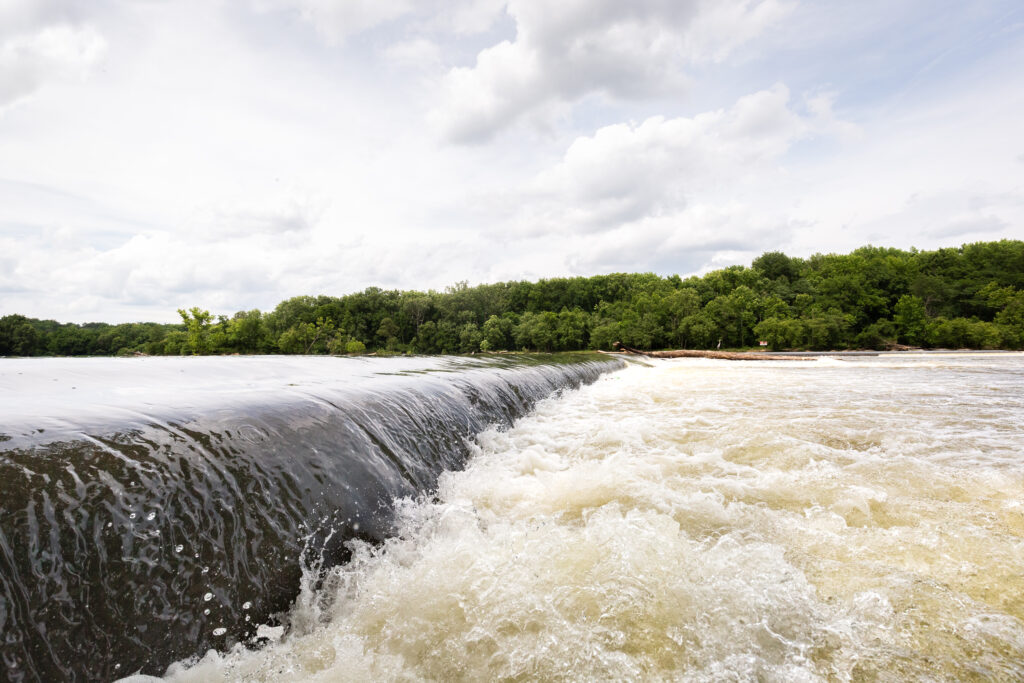
In New York, as the ice melts off Lake Jefferson, the path forward is clear. Engineers are finalizing the removal plans to restore the East Branch of the Callicoon Creek. This work is a microcosm of the national challenge. It requires collaboration, funding, and the courage to acknowledge that sometimes, the safest and most responsible thing to do with an old structure is to take it down.
For citizens, the task is to demand transparency. We must ask: What is the condition of the dams in our local watersheds? Are they being inspected? Do they have a path toward repair or removal? By advocating for modern safety standards, we can ensure that our rivers remain sources of life and recreation, rather than silent, submerged threats to our communities. The clock is ticking, but the solution—a river flowing free—is well within our reach.