The annual SuomiAreena, Finland’s premier societal forum, has once again turned its spotlight on a foundational pillar of the national identity: the intersection of culture, sports, and physical activity. As the country faces demographic shifts, economic constraints, and a growing concern regarding sedentary lifestyles, the discourse at this year’s event has moved beyond abstract ideals to address the functional necessity of these sectors in building a resilient, productive, and inclusive society.
Main Facts: The Holistic Approach to a Healthy Nation
At the heart of this year’s programming lies a fundamental premise: that culture and physical activity are not merely leisure pursuits but are critical infrastructure for public health, communal trust, and economic vitality.
The sessions curated by organizations such as the Finnish Cultural Foundation, the Olympic Committee, and the Finnish Institute of Occupational Health emphasize that participation in these sectors is currently skewed. There is a "participation gap" that threatens social cohesion. By addressing the barriers to entry—be they economic, structural, or social—the organizers argue that Finland can improve the overall quality of life for its citizens.
Key themes emerging from the event include:
- The Social Fabric: How community-based activities foster trust in fellow citizens and the state.
- Economic Drivers: The role of the private sector in fueling the arts and athletics.
- Workplace Productivity: The correlation between physical movement and economic output.
- National Identity: Whether hosting international events like the Olympics is a viable or wise strategy for a nation of Finland’s size.
Chronology of the Dialogue
The discussions at SuomiAreena unfolded as a multi-layered exploration of the Finnish condition.
Morning: Industry, Innovation, and Inspiration
The day began with a sharp look at the economic ecosystem surrounding these sectors. At 10:00, the Finnish Olympic Committee hosted "The Report Card of Sports," which challenged the notion that athletics exist in a vacuum. By awarding symbolic "athlete certifications" to societal leaders, the session highlighted how the discipline, teamwork, and pressure-tolerance learned in sports are directly transferable to leadership and the modern workplace.
At 11:00, Neoen Renewables Finland facilitated a provocative discussion at the Town Hall Park stage: "Paint and Goals—What can companies achieve together with the culture and sports sectors?" The conversation moved away from traditional sponsorship models toward active partnerships, debating how corporations can do more than just write checks to elevate the national landscape.
Midday: The Generational and Social Imperative
As the day progressed, the focus shifted to the younger generation and the societal foundations of movement. At 12:00, Reima took to the City Hall courtyard stage with the theme, "Liberating Children: Trust, Movement, and a Playful Childhood." The session posed a challenging question to the audience: Do we view children as active agents of their own development, or primarily as subjects to be shielded?
The afternoon continued with "Culture and Sports as Builders of Community" at 14:00. This panel featured a diverse group of experts, including MP Timo Furuholm, culture manager Eeva Saarinen, actor-director Katariina Havukainen, and researcher Matti Heino. The discussion served as a reality check on the current state of inclusivity in Finnish cultural life.
Afternoon: Productivity and Future Aspirations
The latter half of the day addressed the structural realities of a modern society. At 16:00, the Finnish Institute of Occupational Health examined the "gym bag" culture in the workplace. The session, "Gym Bag on Your Shoulder," explored how the "Work-age People in Motion" project is attempting to rewrite the rules of office culture to make physical activity an integrated, rather than an auxiliary, part of the workday.
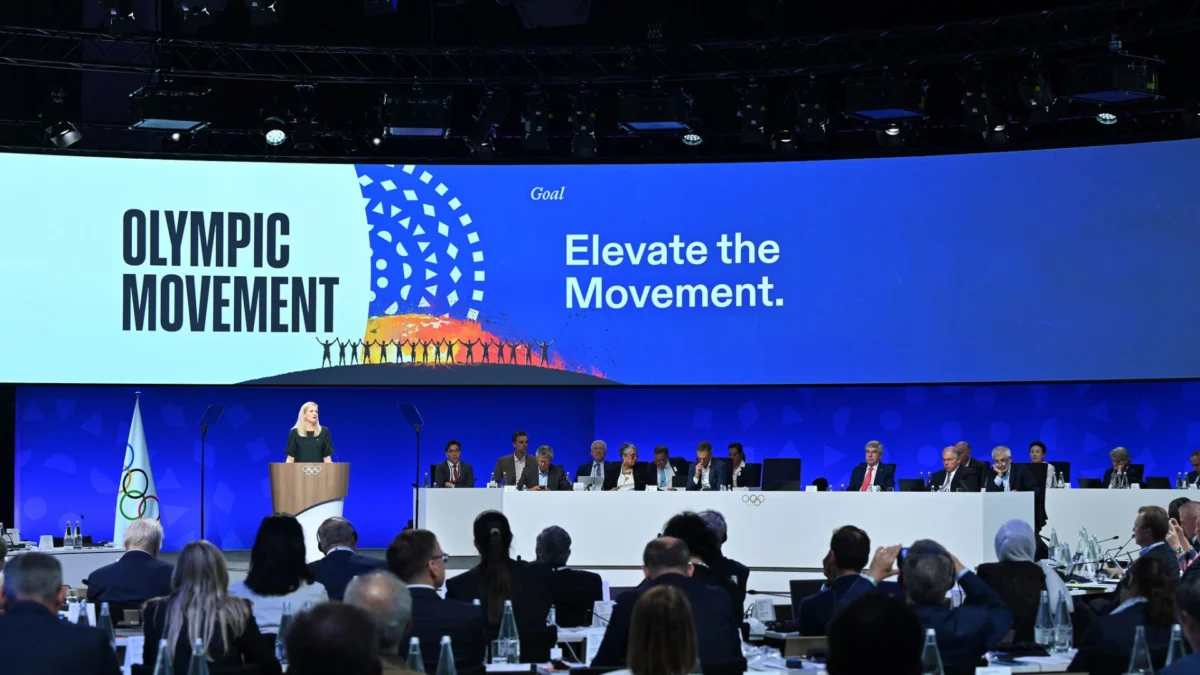
Simultaneously, the main stage hosted a high-stakes debate on international ambitions: "Should Finland pursue the Olympics?" With perspectives from the Ministry of Culture and Sport, the Messukeskus (Exhibition Centre), and the tech-startup event Slush, the panel scrutinized whether the pursuit of mega-events actually delivers on the promise of economic development and nation-branding.
Supporting Data and Societal Implications
The discussions at SuomiAreena were grounded in the growing body of evidence regarding the health of the Finnish population.
The Crisis of Sedentary Living
A recurring point of concern across multiple panels was the growing polarization in physical activity levels. We are seeing a divide between "high-performance" individuals—who prioritize fitness as a lifestyle—and a significant portion of the population that has become increasingly sedentary, often described as being "glued to screens."
The implications of this are dire:
- Public Health Burden: Chronic inactivity is a leading contributor to rising healthcare costs and early onset of lifestyle diseases.
- The "Lost" Childhood: As highlighted by the Reima-led session, the lack of autonomy in children’s play is contributing to a decrease in motor skills and social confidence.
- Economic Drag: Research presented by the Finnish Institute of Occupational Health suggests that the sedentary nature of modern white-collar work is directly impacting long-term labor productivity.
The Role of Infrastructure
The session hosted by the City of Pori, "City Culture and Sports Facilities in Need of Renovation," underscored a fiscal reality. Municipalities across Finland are facing a wave of aging infrastructure. The panel argued that these projects should not be viewed as mere maintenance costs, but as strategic investments in the "stickiness" of cities—making them attractive places for talent and families to settle.
Official Responses and Strategic Directions
Governmental and organizational representatives at the event were pressed to provide concrete paths forward.
The Legislative Perspective
During the session on the next government program, representatives from the Finnish Olympic Committee and the Workers’ Sports Federation (TUL) were clear: the state must treat sports and culture as essential policy areas. They argued that for Finland to remain a "moving nation," the government must provide sustainable, long-term funding models for local clubs and organizations, rather than relying on the current, often fragmented system of intermittent grants.
The Corporate Stance
In the debate surrounding corporate involvement, the consensus was shifting toward "purpose-driven sponsorship." Companies are increasingly looking for ways to align their ESG (Environmental, Social, and Governance) goals with cultural and athletic initiatives. The challenge identified is the need for measurable outcomes—proving that an investment in a local arts project or a youth sports initiative actually yields a return in community health or social stability.
A Vision for a "Moving" Finland
The overarching narrative of this year’s SuomiAreena is one of transition. The "heavy ship" of Finnish society, as described by the participants at the Satakunta stage, is slowly turning toward a more active and culturally engaged future.
The Path to Change
The participants concluded that systemic change requires three things:
- Cross-Sector Collaboration: Moving beyond the silos of "sports," "culture," and "business." A healthy nation requires the integration of these sectors into education, urban planning, and labor policy.
- Redefining Success: Moving away from a narrow focus on medal counts or high-culture attendance, and toward measuring "access" and "participation" as key performance indicators for the nation.
- Building Trust: As emphasized throughout the event, participation in sports and culture is the bedrock upon which civic trust is built. By creating spaces where people interact, we strengthen the ties that hold the society together.
Final Reflection: Is the Olympics the Goal?
Regarding the question of the Olympics, the panel was divided but offered a sophisticated synthesis: Finland should not pursue mega-events for the sake of prestige alone. Instead, the focus should be on hosting events that are sustainable, scalable, and integrated into a broader strategy to make Finland a global hub for innovation and human-centric living. Whether it is a cultural festival or a sports championship, the metric of success must be the lasting impact on the local community.
As the forum concluded, the message was clear: the "light at the end of the tunnel" is not a distant, unreachable goal. It is being created daily in the gyms, theaters, parks, and boardrooms across Finland. The transition from a sedentary, disconnected society to an active, engaged one is not only possible—it is the most important project the nation faces in the coming decade.
By prioritizing the "gym bag" in the workplace, the right to play in childhood, and the strategic renovation of communal spaces, Finland is positioning itself to lead by example, proving that a country that moves together, grows together.