Europe is currently gripped by an unprecedented meteorological event—a massive, persistent "Heat Dome" that has shattered temperature records across the continent. From the United Kingdom and France to the heart of Central Europe and the Baltic states, this lethal weather pattern has transformed June 2026 into a period of historic environmental distress. As the system migrates eastward, it leaves behind a trail of decimated records, parched landscapes, and a rapidly mounting human toll.
The Meteorological Apocalypse: An Overview
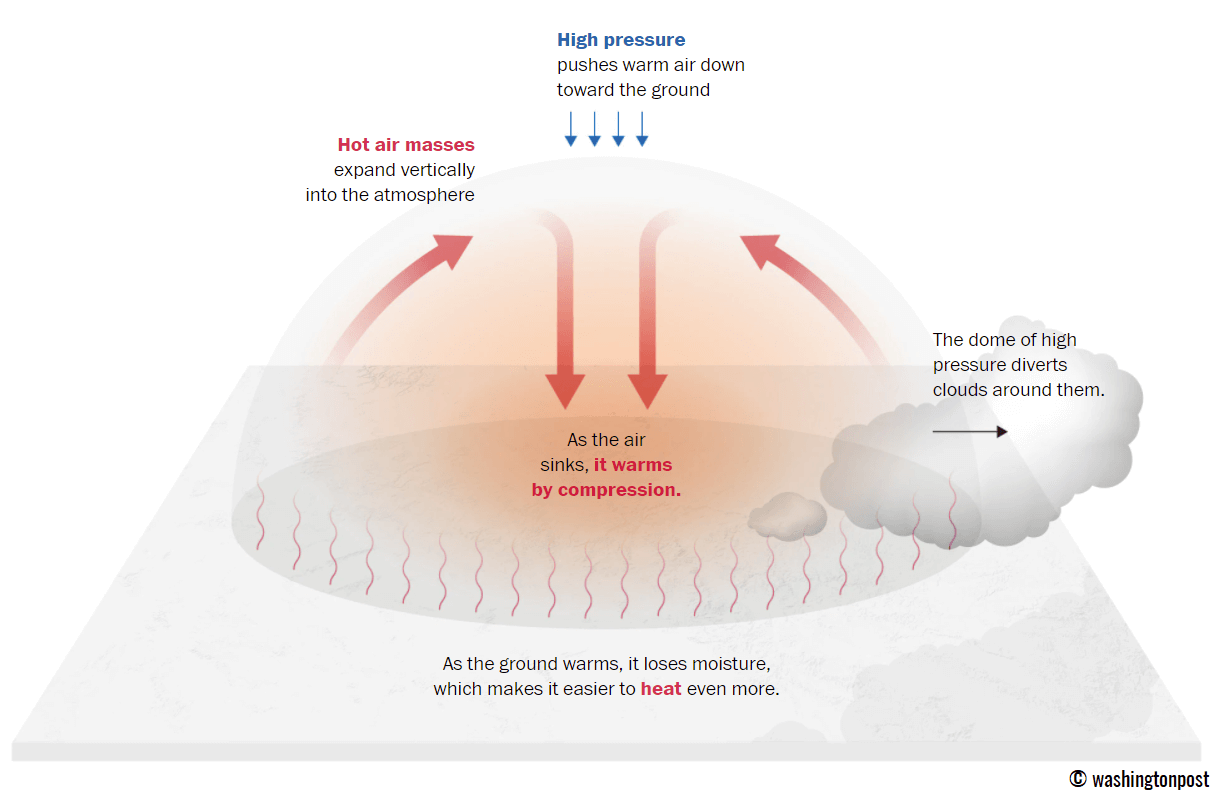
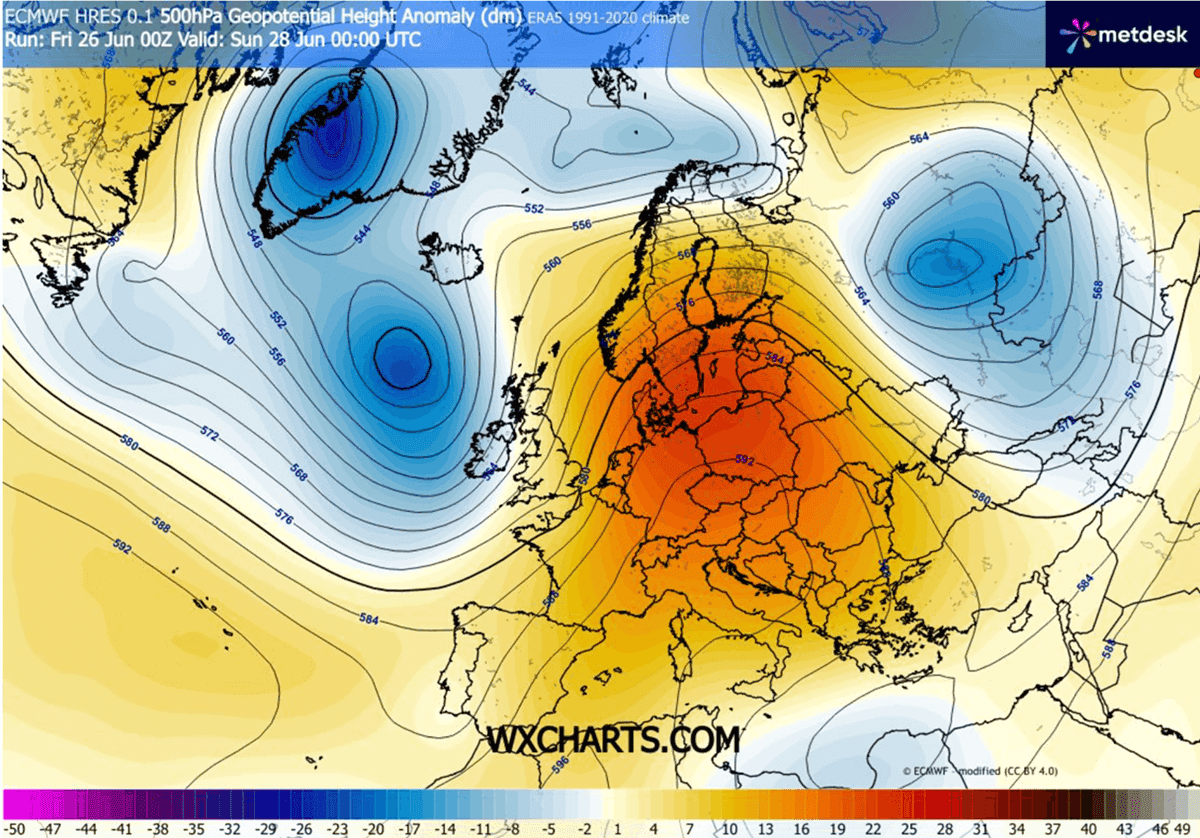
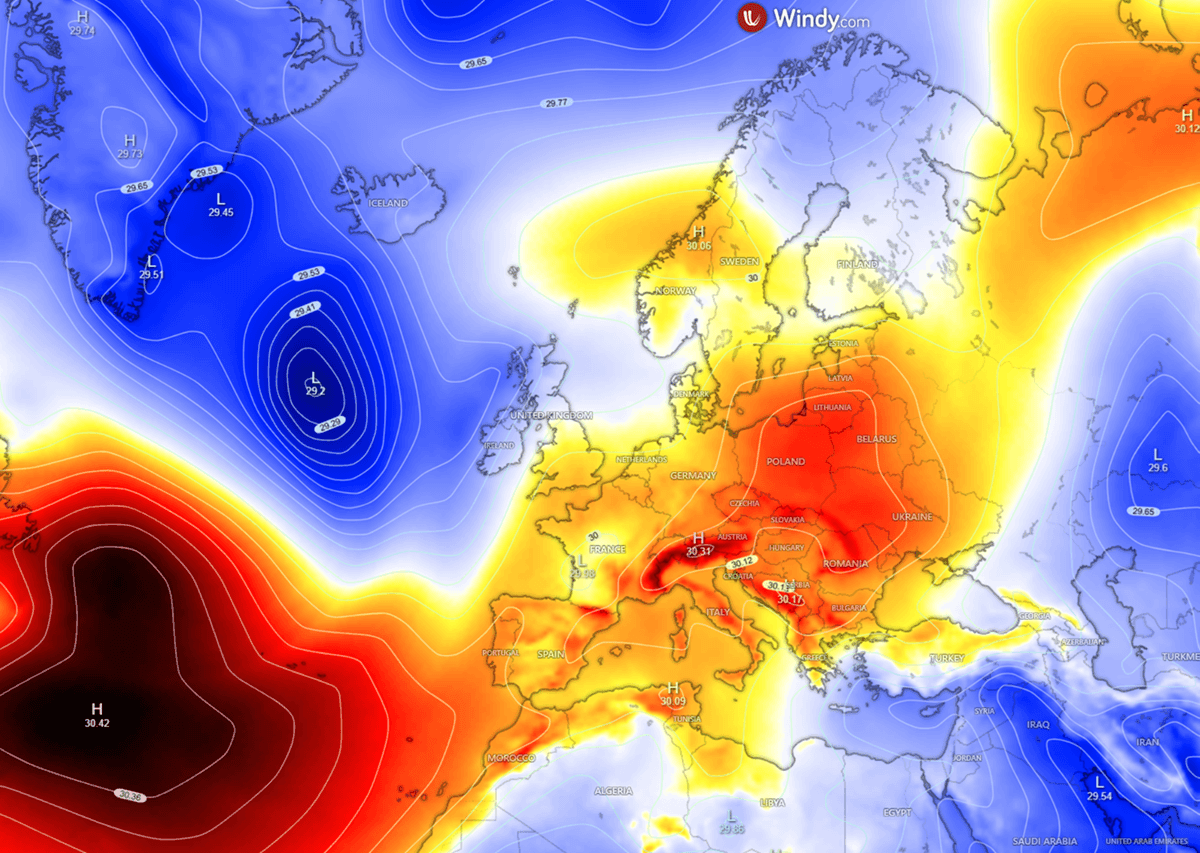
The current crisis is driven by a powerful "Omega Block" weather pattern—a stable, high-pressure system that stalls over a region, acting as a lid on a pot. By trapping warm air at all altitudes and forcing it to sink toward the surface, the phenomenon compresses and heats the air mass, creating a feedback loop of extreme temperatures.

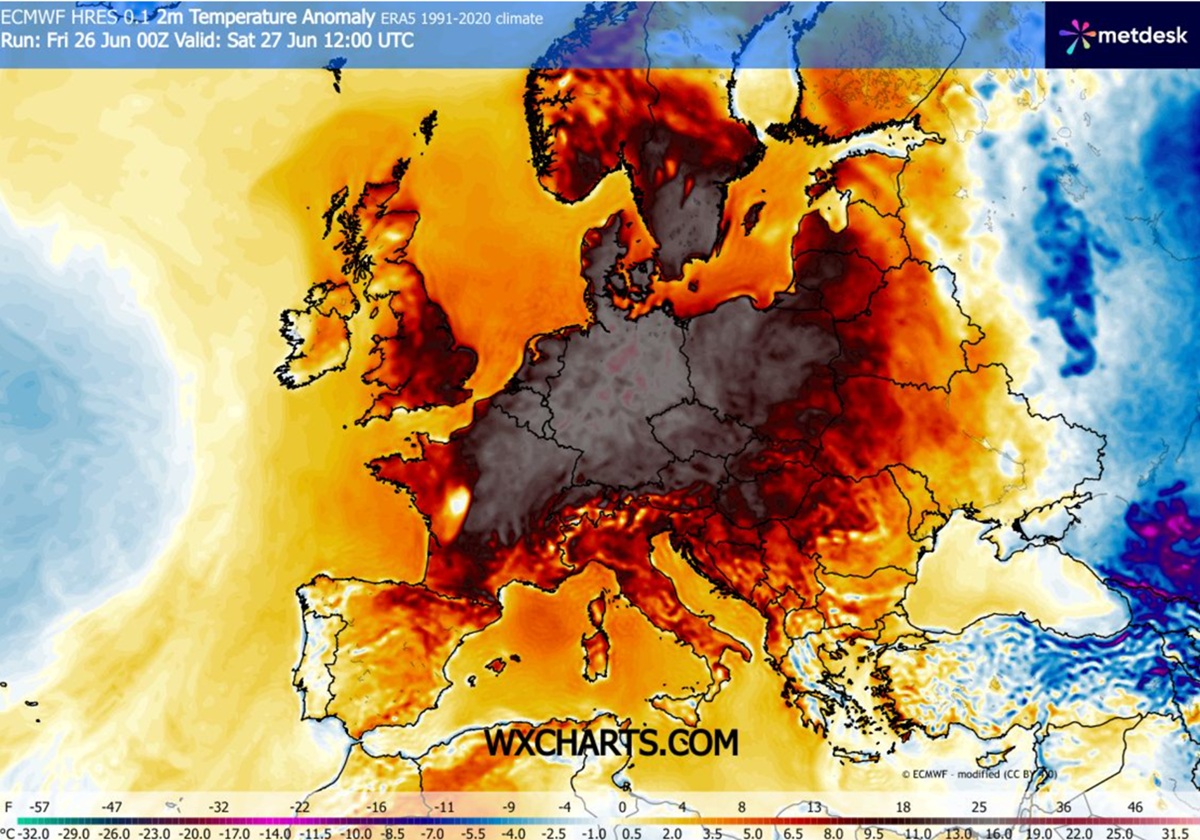
What makes this specific event particularly devastating is its timing and duration. As the heat dome parks over Germany, the Baltic states, and the Balkans, it is settling over an already moisture-depleted landscape. The combination of scorching daytime highs and "tropical nights"—where temperatures refuse to drop below 24°C—denies the human body, wildlife, and vegetation any window for thermal recovery. In France, the national average hit an unprecedented 30°C, with regional thermometers peaking at 44.3°C, shattering all previous June records.
Chronology of the Heatwave
The progression of this atmospheric siege has been relentless, moving from west to east with clinical precision.
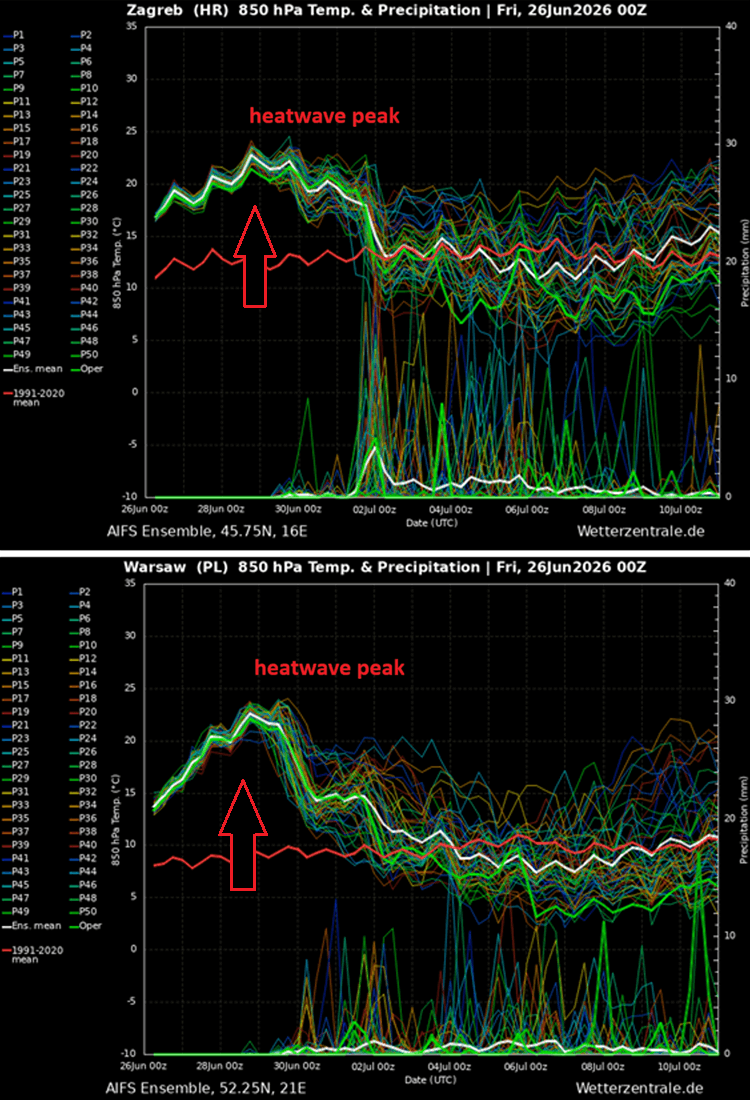
- Late June – The Western Front: The crisis began in the UK and France, where consecutive "Red Alerts" were issued by national weather services. Southern England faced suffocating mid-30s temperatures, while France experienced an all-time national high for the month of June.
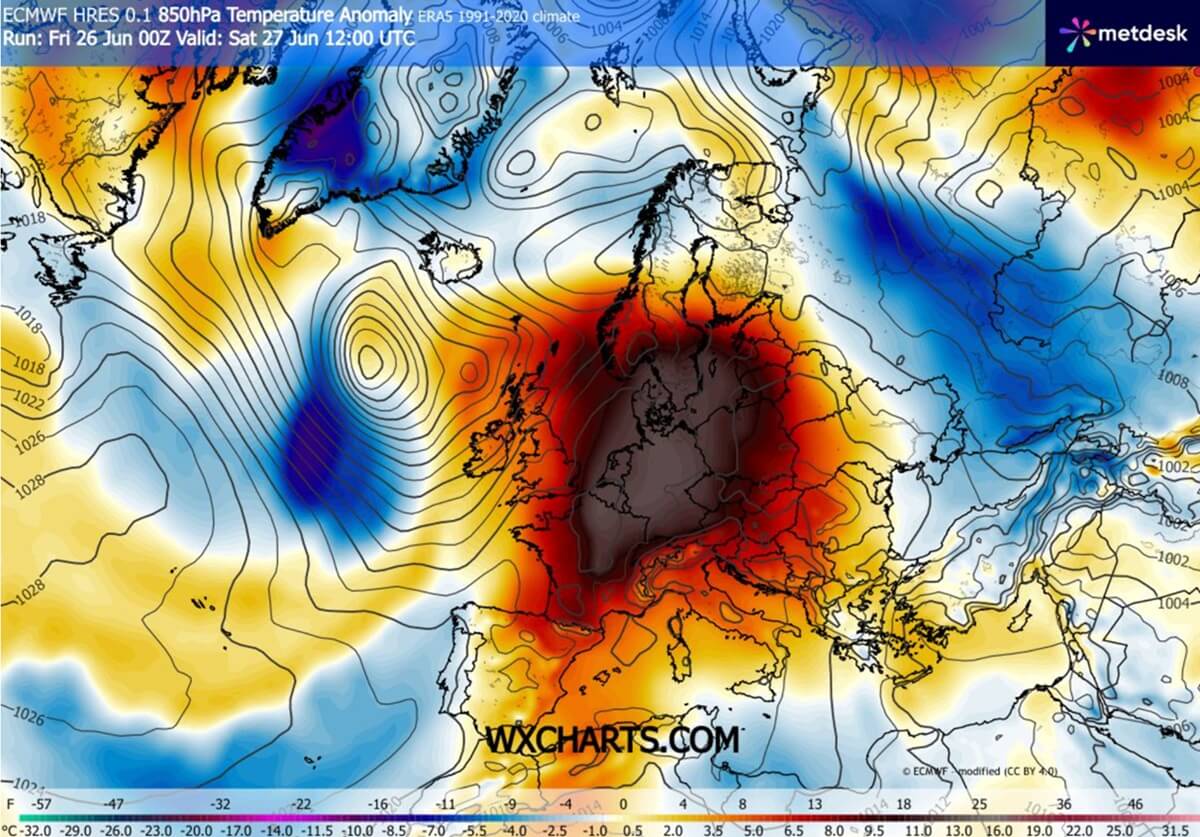
- The Weekend Shift: As the core of the heat dome transitioned toward Germany and Central Europe, meteorological models failed to capture the full severity of the surge. Daytime highs across the region pushed toward 40°C, fueled by exceptionally dry air and a lack of cloud cover.
- The Eastward Expansion: As of this weekend, the focus has shifted to Poland, the Czech Republic, the Baltic states, and Belarus. Models indicate that the system will maintain its intensity through early next week, eventually engulfing the Balkan peninsula and parts of Ukraine.
- The Path to Relief: Relief is expected to arrive in Western Europe as a maritime Atlantic air mass moves in, displacing the stagnant heat. However, for Eastern and Central Europe, the ordeal is expected to persist until the dawn of July, when the ridge is projected to finally weaken.
Supporting Data: Why This Heat is Different
The severity of this heatwave is best understood through the lens of anomalies. Meteorologists are tracking low-mid level temperatures that are 16–18°C higher than the long-term seasonal average.
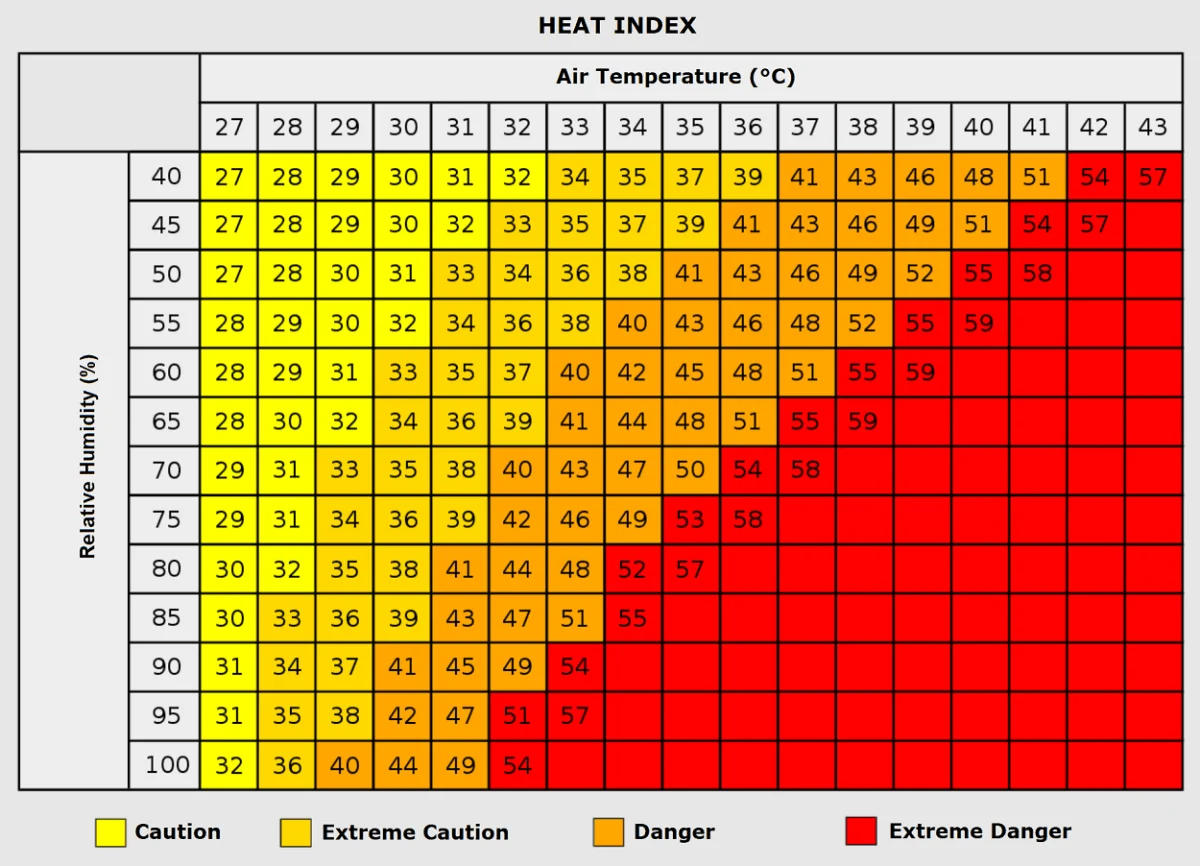
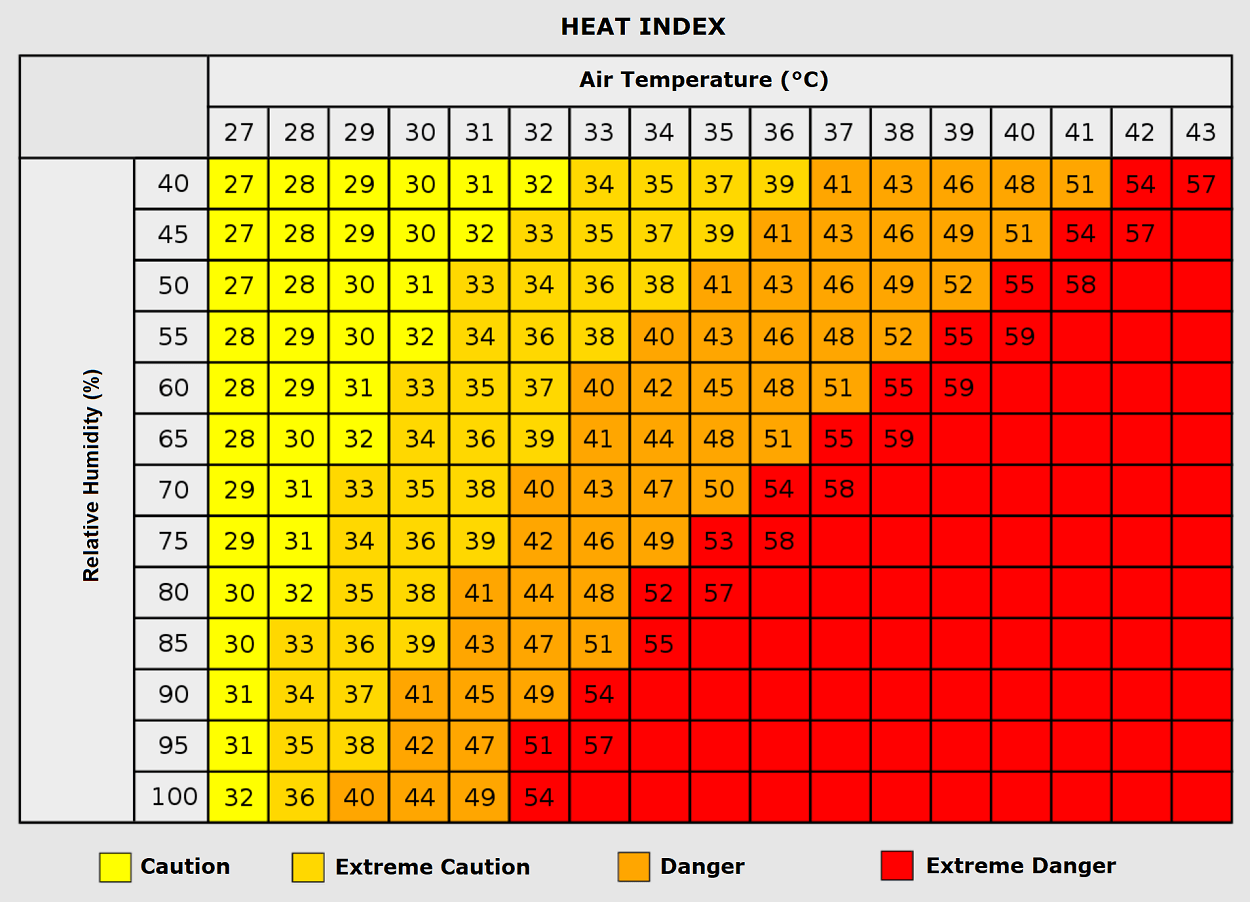
The "Heat Index"—which accounts for the relationship between temperature and humidity—reveals the true danger to the human body. In areas where relative humidity remains high, the "perceived" temperature can easily soar toward 50°C. Even where the air is arid (relative humidity below 25%), the sheer physical temperature is sufficient to cause rapid dehydration and heat stroke.
Ground-level data from across the continent confirms that this is not merely a seasonal fluctuation. Hundreds of weather stations have reported that they have not only broken June records but have eclipsed all-time historical highs dating back to the start of modern record-keeping.
Official Responses and Public Safety
Across Europe, national weather services—from Berlin to Prague—have issued urgent "Red Alerts." The warnings emphasize not just the heat, but the secondary threats: extreme fire danger and infrastructure stress.
Public health officials are struggling to manage the crisis, particularly in regions where residential air conditioning is not the standard. Emergency rooms are reporting an influx of patients suffering from heat exhaustion, respiratory distress, and cardiovascular events triggered by thermal stress. Governments are urging residents to remain indoors, check on elderly neighbors, and avoid strenuous physical labor during the peak hours of 11:00 AM to 6:00 PM.
Furthermore, the agricultural sector is under high alert. The combination of intense heat and sustained winds is causing rapid evapotranspiration, leading to massive leaf loss and threatening livestock. Forestry departments have prohibited open fires and are on standby for potential wildfires, as the dry vegetation is now essentially "tinder-ready."
The Science of the Heat Dome: A Deeper Look
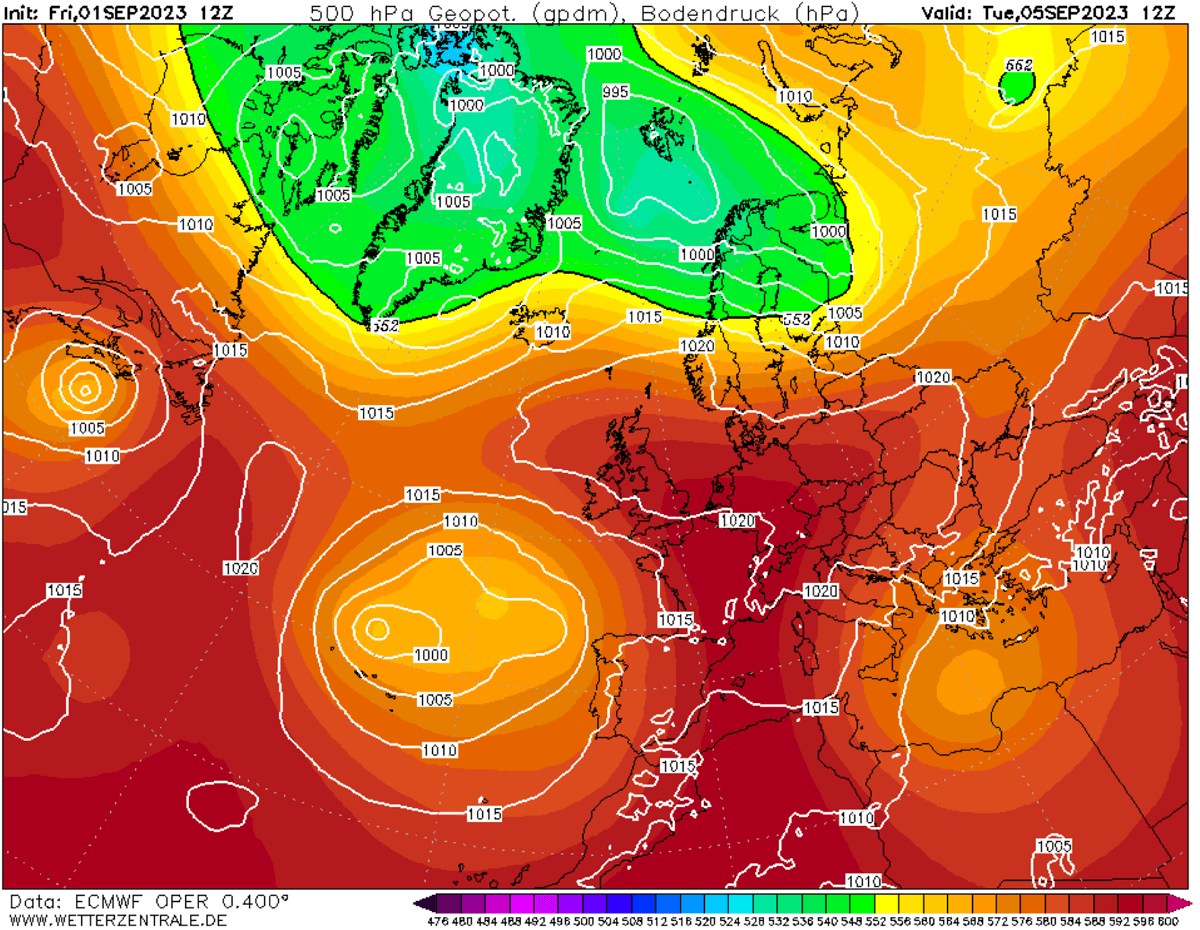
To understand why this phenomenon is so lethal, one must understand the "blocking high." In a typical summer, weather systems move across the continent, pushed by the jet stream. However, when an Omega Block occurs, the jet stream is pushed far to the north, leaving the continent trapped beneath a massive, stagnant ridge.
The "lid" effect is cumulative. As the air sinks, it compresses; as it compresses, it warms. This process is exacerbated by the lack of soil moisture. In a healthy ecosystem, the sun’s energy is used to evaporate water from the ground and plants—a process that acts as a natural air conditioner. In this drought-stressed environment, the sun’s energy is directed entirely into heating the surface of the earth, creating an explosive rise in temperature.
Implications for the Future
The 2026 June Heat Dome is a sobering case study in extreme weather volatility. Several implications arise from this catastrophe:
1. Human Health and Vulnerability
The most immediate, and tragic, implication is the rising death toll. The heat is a "silent killer," disproportionately affecting the elderly, the poor, and those living in urban "heat islands" constructed of heat-trapping concrete and asphalt. The lack of cooling infrastructure in many European homes highlights a critical gap in urban planning that will require immediate policy intervention as summer heatwaves become more frequent.
2. Ecological Collapse and Wildfire Risks
The rapid drying of vegetation does more than increase fire risk—it threatens the stability of local ecosystems. The mortality of young plants and the stress placed on wildlife could have lasting effects on biodiversity. Furthermore, as the soil dries, the risk of dust storms and the long-term depletion of groundwater levels increase, creating a cascading environmental crisis.
3. Economic and Agricultural Strain
The economic impact of this heatwave is substantial. From the reduction in worker productivity to the loss of crop yields and the massive energy costs associated with emergency cooling, the financial burden is distributed across the entire continent. Livestock farmers are facing the grim reality of needing to protect animals that are biologically unequipped to handle such extreme, prolonged thermal loads.
4. The "New Normal" Debate
Meteorologists are increasingly questioning whether the current atmospheric patterns are a manifestation of a shift in global climate dynamics. The frequency of these "blockage" events, combined with higher base-level temperatures, suggests that European summers may be undergoing a fundamental transformation. Experts are now calling for a shift in how Europe approaches civil engineering, building codes, and public health preparedness.
Conclusion: A Continent Under Watch
As we approach the final days of June, the situation remains fluid. While Western Europe begins to see a cooling trend, the millions of people in Central and Eastern Europe are currently under what can only be described as an "atmospheric siege."
The record-breaking nature of this event serves as a stark reminder of the power of our changing climate. As authorities continue to monitor the situation, the focus remains on minimizing the loss of life and preventing the outbreak of uncontrollable wildfires. The 2026 Heat Dome will likely be remembered as a turning point in the way Europe prepares for, responds to, and survives the new realities of extreme summer weather.
For now, the advice remains the same: stay indoors, stay hydrated, and heed the alerts of local meteorological authorities. The environment is under extreme stress, and the safety of the population remains the paramount priority as the continent navigates these record-breaking final days of June.