For many photographers, the transition from natural light to artificial flash is marked by intimidation. The sight of a speedlight—bristling with buttons, LCD screens, and complex acronyms like TTL (Through-The-Lens) and HSS (High-Speed Sync)—is enough to send even an enthusiastic hobbyist reaching for the safety of their camera bag.
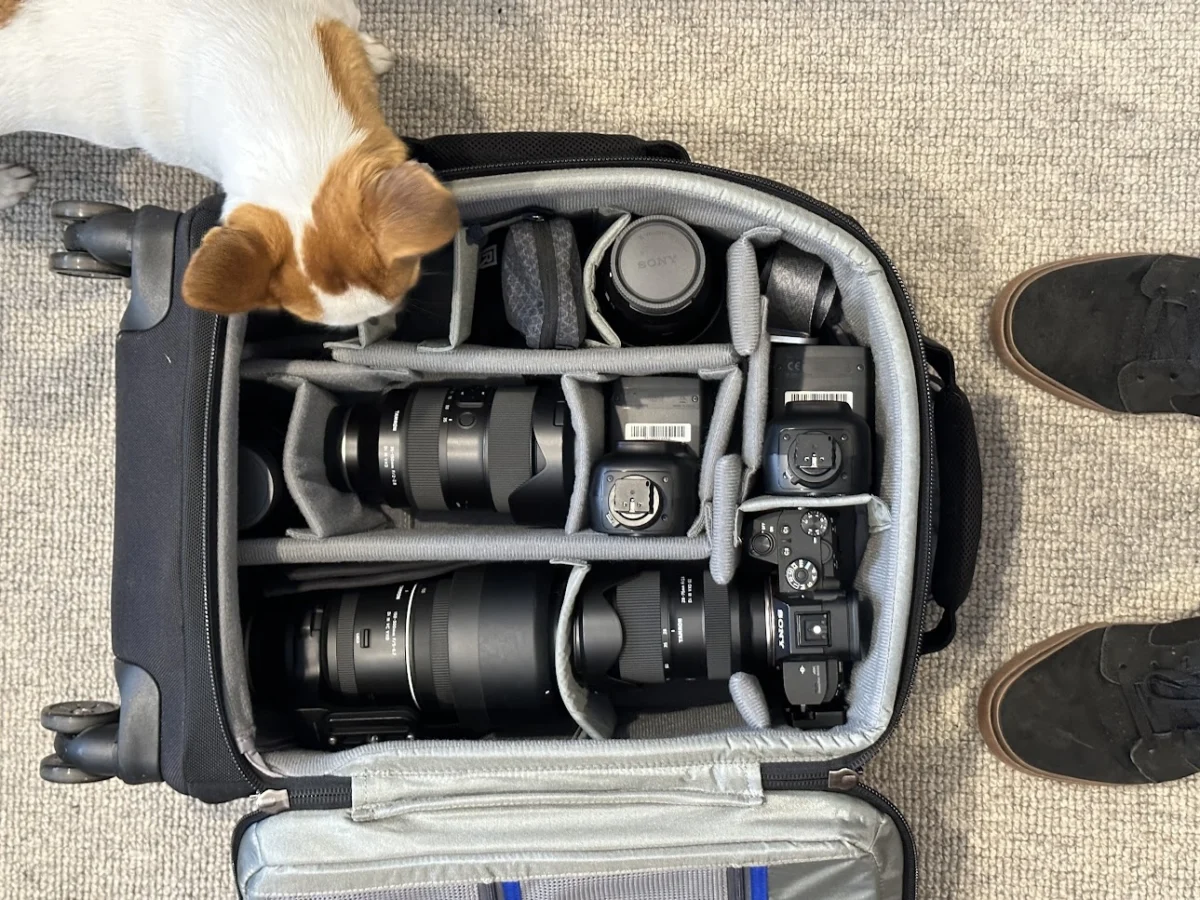
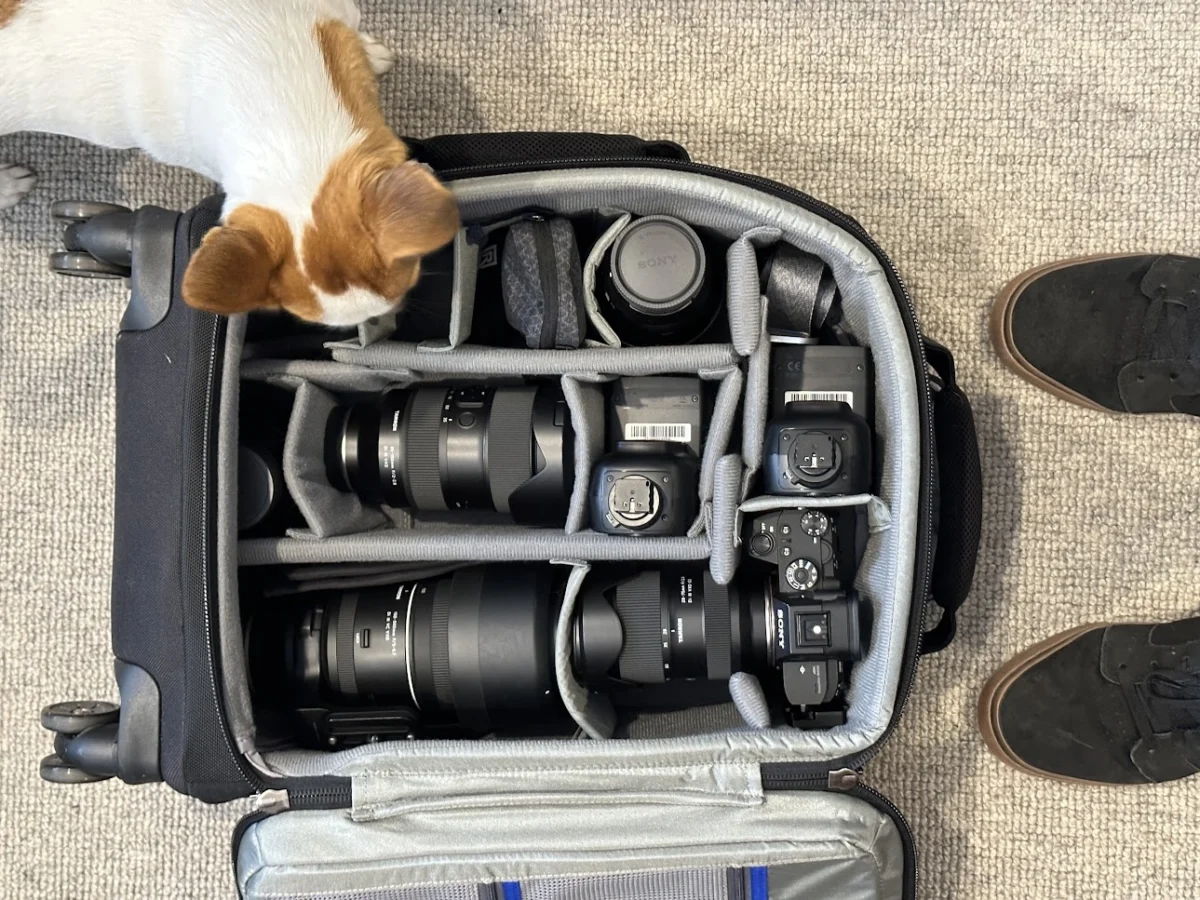
For years, many photographers treat their external flash as a specialized, expensive paperweight, believing it to be a tool reserved for wedding professionals or studio masters. However, the reality is far more approachable. Mastering flash is not about mastering "dark arts"; it is about taking control of the one element that defines photography itself: light.
The Myth of the Harsh Flash
The primary reason beginners avoid flash is the "deer-in-the-headlights" effect. We have all seen the amateur photos: a face washed out, shadows carved deep into the background, and a general feeling of clinical sterility. This is the result of using an on-camera flash pointed directly at the subject.
When you point a small light source directly at a subject, you create "hard" light—light that produces sharp, defined shadows and highlights. The secret to professional-looking flash is simple: change the size of the light source. By "bouncing" your flash off a ceiling or a wall, you effectively turn that surface into your light source. Suddenly, the light covering your subject is as broad and soft as a cloudy sky, creating flattering, natural-looking illumination.
Chronology of a Flash Journey: From Fear to Mastery
The typical journey of a photographer into the world of artificial light usually follows a predictable path:
- The Purchase Phase: The photographer buys their first dedicated speedlight, often intimidated by the jargon.
- The Stagnation Phase: The unit remains in the bag for months, used only in "Auto" mode or ignored entirely.
- The Curiosity Phase: A frustrated attempt to shoot in low light or high contrast leads the photographer to finally attach the flash to the camera.
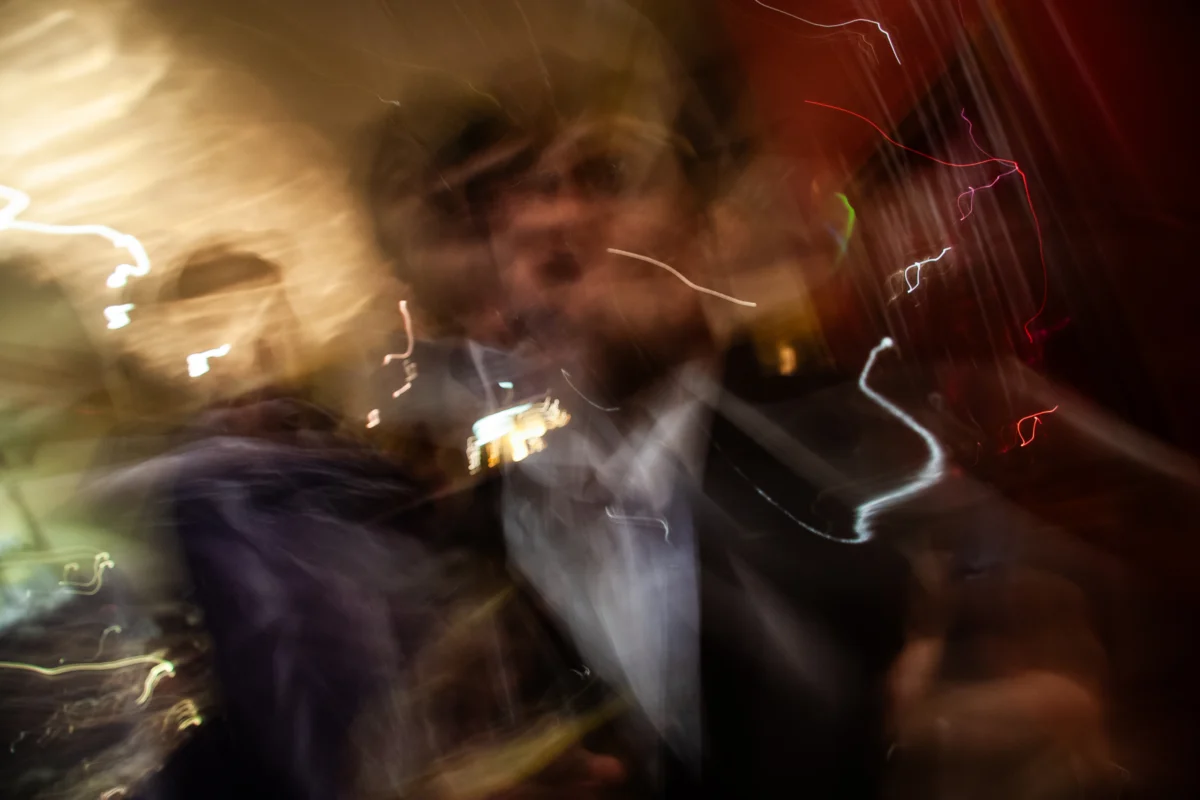
- The Experimentation Phase: Mistakes are made—overexposed photos, strange color casts, or motion blur—but the digital nature of modern photography makes these lessons cost-free.
- The Mastery Phase: The photographer begins to view flash as a tool for sculpting, not just brightening, scenes.
Supporting Data: The Physics of Light
To understand why flash is a game-changer, one must understand the physics of light quality.
1. The Power of "Freeze"
One of the most profound benefits of flash is its ability to freeze motion. While photographers often crank up their shutter speeds to capture a jumping child or a pet in motion, this often results in grainy, dark images as the camera struggles with low light. Flash, however, has a "duration"—a burst of light that can last between 1/1000th and 1/20,000th of a second. This flash duration effectively becomes your shutter speed. It renders fast-moving subjects sharp and crisp, even in low-light environments where a standard shutter speed would fail.
2. The Midday Solution
Conventional wisdom suggests avoiding the "harsh" light of high noon. Yet, for many, that is the only time available to shoot. Fill flash allows a photographer to "negotiate" with the sun. By adding a gentle burst of light, you can lift the deep, unflattering shadows cast by the sun under a subject’s eyes and nose. You aren’t replacing the sun; you are balancing the contrast, turning a harsh scene into a professional portrait.
3. Solving the High-Contrast Dilemma
Backlighting is a perennial challenge. When a subject stands in front of a bright window, the camera’s meter is often forced to choose: expose for the background (turning the subject into a silhouette) or expose for the subject (blowing out the background into pure white). Flash provides the bridge. By exposing for the bright background and using a flash to illuminate the subject, you achieve a balanced image that mimics the capabilities of the human eye.
Economic Implications: Professional Results on a Budget
One of the most pervasive myths in photography is that professional light requires thousands of dollars in studio strobes. In reality, the barrier to entry has never been lower. A single speedlight, a basic umbrella modifier, and a collapsible stand can be acquired for under $150.
For 90% of beginners, this setup is more than sufficient. Studio strobes are designed for recycle speed and high power output—essential for weddings or large groups—but they do not inherently offer "better" light than a well-placed speedlight. Learning the principles of direction, intensity, and modification on a budget setup provides a foundation that translates directly to higher-end equipment later in one’s career.
Philosophical Implications: Learning to See
Perhaps the most significant impact of using a flash is the way it changes the photographer’s perception of natural light. When you are forced to consciously place light—deciding its angle, its softness, and its intensity—you start to deconstruct the light you see in the world around you.

You begin to notice the direction of window light, the harshness of overhead office lighting, and the softening effect of a cloudy day. You stop being a passive consumer of light and become an active architect of it. This habit of observation does not vanish when the flash is removed; it persists, making you a more deliberate and effective photographer in every setting, regardless of whether you have a flash in your bag or not.
Official Perspective: The "Gotcha" Mistakes
Expert instructors consistently note that the most common mistakes are rooted in over-complication. Beginners often get bogged down in "Guide Numbers" and "TTL ratios" before they have even learned how to bounce light off a wall.
The industry consensus is clear:
- Avoid the "Direct" trap: Never use the flash mounted on the camera pointing straight forward.
- Stop fighting the environment: Use flash as a supplement to existing light, not a replacement for it.
- Embrace the "Fail": Because digital photography is instantaneous, the feedback loop is immediate. If a shot is too bright, turn the flash power down. If it’s too harsh, bounce it off a larger surface.
Conclusion
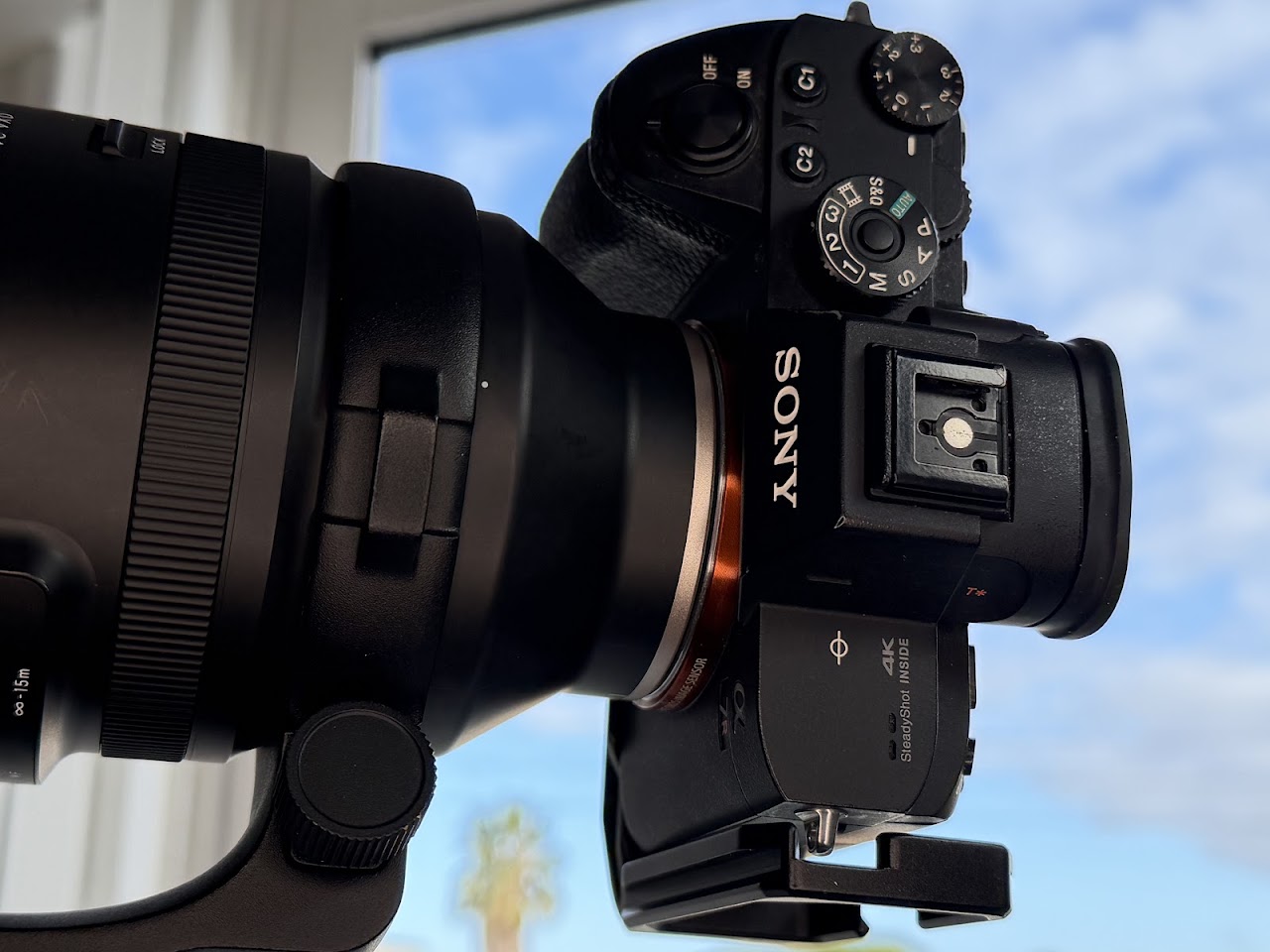
Flash photography is not a complex, technical barrier; it is a creative gateway. By moving beyond the fear of the "funny metal bracket" on your camera, you open up a world where the constraints of time, weather, and lighting conditions no longer dictate the quality of your work. Whether you are shooting portraits at high noon or freezing a moment in a dimly lit room, flash provides the control necessary to move from capturing snapshots to creating images.
As you start your journey, remember: the goal is not to become a technician of light, but an artist who understands how to wield it. Take your flash out of the bag, turn it on, and start experimenting. The shadows are waiting to be sculpted.