By: Editorial Staff, Digital Photography School
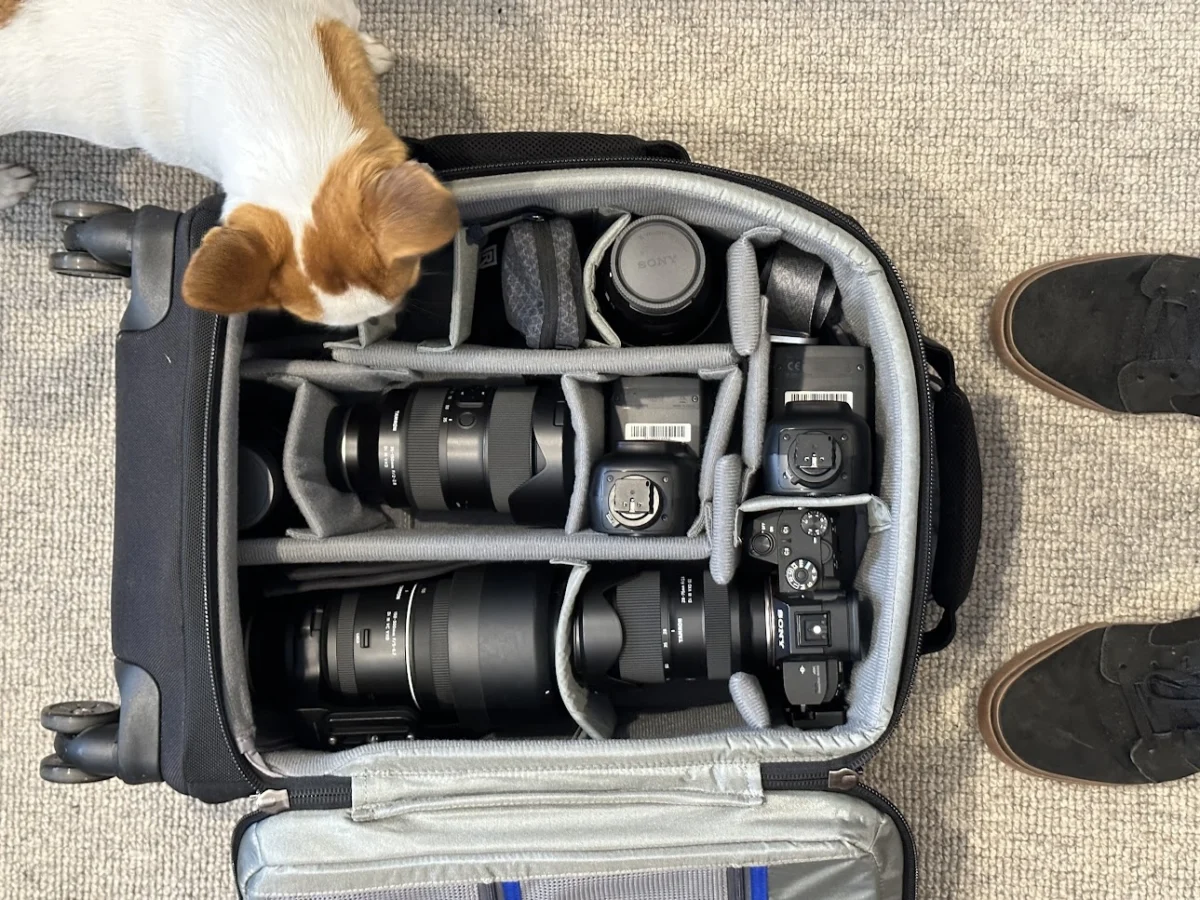
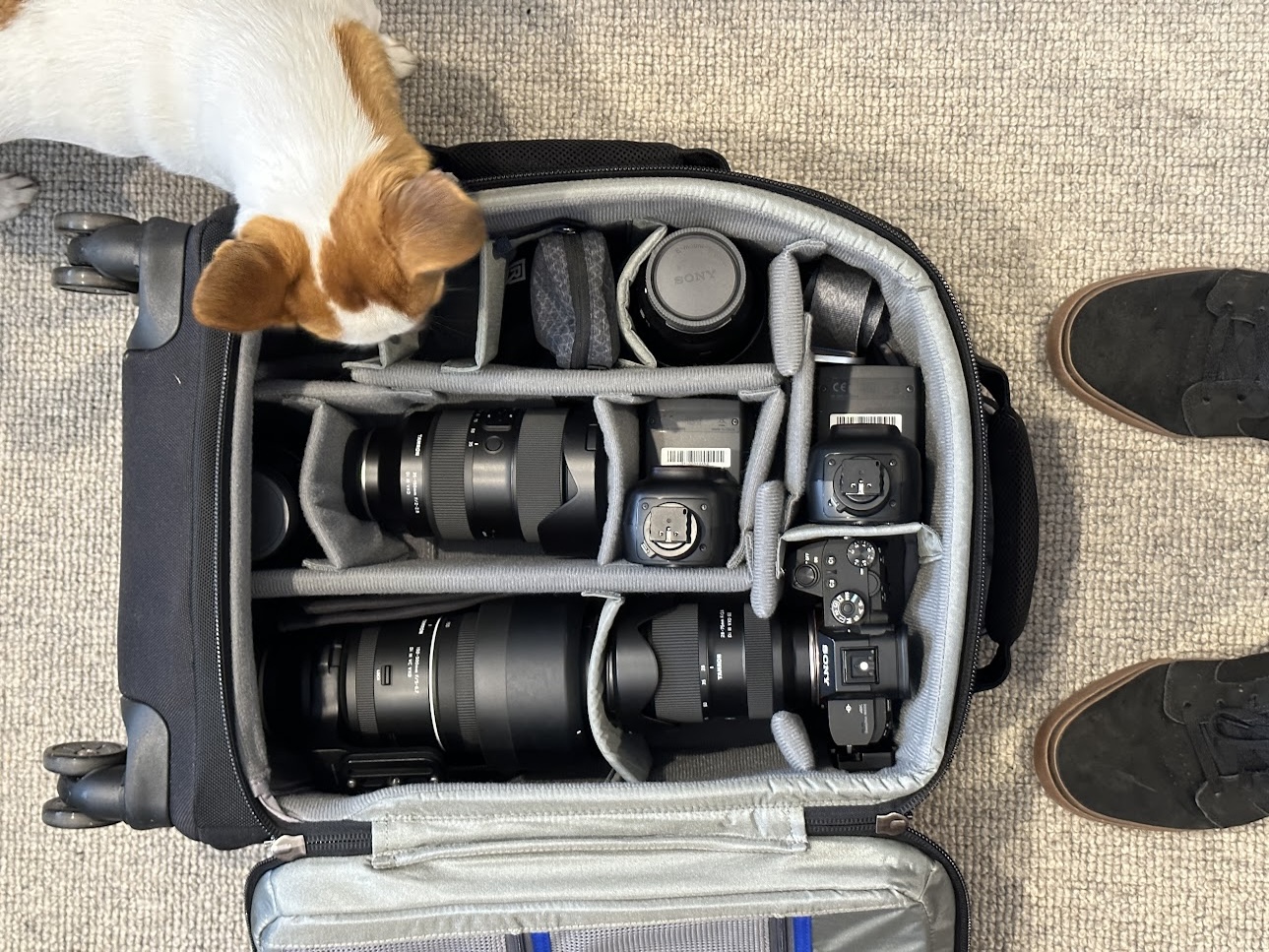
I own several camera bags, and I am increasingly convinced they gossip when I’m not looking. The sling bag thinks it’s adventurous because it once visited Iceland. The roller case won’t stop mentioning airports. The backpack believes it’s carrying the entire weight of modern photography despite containing three lenses, two muesli bars from 2023, and approximately seventeen lens caps that fit nothing.
If camera bags could talk, mine would probably stage an intervention. "Simon," they’d say, "you’re taking six lenses to photograph your 12-year-old son’s football game. Perhaps—maybe—calm down."
This whimsical observation, shared by photographer and industry veteran Sime, strikes a chord that resonates with nearly every lens-wielder, from hobbyist enthusiasts to seasoned professionals. The phenomenon of the "overpacked gear bag" is a universal struggle in the world of photography. It is a peculiar blend of anxiety, optimism, and an inherent fear of missing the shot.
The Psychology of the Gear Vault: Why We Pack Too Much
The fundamental question remains: What is it about the human psyche, specifically within the creative arts, that compels us to lug around ten pounds of glass when we only intend to use two?
The "Just in Case" Syndrome
At its core, the tendency to overpack is rooted in the "Just in Case" (JIC) mindset. In the digital age, where photographic opportunities can be fleeting, the fear of missing a specific shot—be it a wide-angle vista or a compressed telephoto portrait—creates a psychological safety net. By carrying every piece of equipment, the photographer believes they are eliminating the variable of "inadequacy."
However, this often leads to a paradox: by carrying everything, the photographer becomes too exhausted or overwhelmed by choice to effectively capture anything.
The Security Blanket of Hardware
For many, gear is not just a tool; it is a source of comfort. There is a tangible sense of security in knowing that your entire "arsenal" is on your back. It mirrors the feeling of a knight going into battle with a full suit of armor. Even if that armor is heavy and cumbersome, the psychological reassurance that "I am prepared for any contingency" often outweighs the physical toll of the weight.
Chronology of a Camera Bag Evolution
To understand the current state of our overstuffed bags, one must look at how the industry has shifted over the last two decades.
The Analog Era: Constraints by Necessity
In the era of film, photographers were naturally limited by the physical space of their bags and the weight of their gear. Carrying six lenses was a massive undertaking, and film itself had a finite limit. You chose your equipment based on a specific assignment. If you were shooting a wedding, you had a kit; if you were shooting street photography, you had a different kit. The barrier to entry for carrying "too much" was physically punishing, forcing a discipline that many modern photographers lack.
The Digital Explosion: The Rise of the "Kit"
As digital technology matured, the variety of lenses and accessories exploded. The introduction of mirrorless systems made cameras smaller, but ironically, it encouraged photographers to pack more. Because the bodies were lighter, the logic followed that you could fit one or two extra lenses into the space saved.
Over the last 16 years, as the industry has seen a massive proliferation of high-end, specialized optics, the average gear bag has ballooned in size. We have moved from the "essential kit" to the "comprehensive collection," often resulting in a bag that weighs significantly more than the photographer’s intentions.
Supporting Data: The Physical Toll of Heavy Photography
The physical implications of this overpacking trend are significant. A study on professional photographers and physical health indicates that musculoskeletal issues are among the most common occupational hazards in the industry.
Load Distribution and Injury
The repetitive strain caused by lugging heavy, unbalanced bags is a leading cause of back, neck, and shoulder pain. While the industry has made advancements in ergonomic design—off-loading weight to the hips, using chest straps, and optimizing internal padding—no bag can counteract the physics of carrying 30 pounds of gear for an eight-hour shoot.
- Shoulder Fatigue: Single-strap bags, while convenient for quick access, are notorious for creating muscular imbalances.
- Back Strain: Improperly packed backpacks that sag low on the lumbar region force the spine to compensate, leading to long-term chronic pain.
- The "Weight Penalty": Experts suggest that for every additional pound carried, the speed and agility of the photographer decrease. In fast-paced environments like sports or street photography, this loss of mobility directly impacts the quality of the work.
Official Perspectives: Expert Advice on Gear Management
Industry veterans, such as Suzi, who has written extensively on the intersection of photography and physical wellness, advocate for a more minimalist approach to field work.
The "One-Bag, One-Goal" Strategy
The most effective way to combat overpacking is to define the goal of the shoot before leaving the house. If you are shooting a portrait session, you do not need your macro lens or your ultra-wide landscape optic.
Tips for optimizing your kit:
- The "Pre-Flight" Check: Before a shoot, simulate the session in your mind. List the exact focal lengths you need.
- The 24-Hour Rule: If you pack your bag and find you haven’t touched a specific piece of gear for three consecutive shoots, remove it from your primary bag.
- The Modular Approach: Use smaller, specialized bags for specific outings rather than one "master bag" that holds everything you own.
Implications: The Creative Cost of Overpacking
Beyond the physical health risks, there is an artistic cost to overpacking. When a photographer is burdened by excessive gear, they are less likely to experiment with movement. They become tethered to their bag, less likely to climb a hill for a better angle, and less likely to engage with their subjects because they are focused on managing their equipment.
The Freedom of Limitation
Creativity often thrives under constraint. By forcing yourself to shoot with a single prime lens, you learn to "zoom with your feet." You begin to see the world differently because your options are limited, forcing you to find unique compositions that you might have ignored if you had a bag full of lenses to choose from.
Conclusion: Staging Your Own Intervention
As we reflect on our gear habits, it is time for a collective "gear detox." Whether you are a professional covering a local football game or an amateur heading out for a weekend hike, the goal should be to minimize the friction between you and the subject.
The next time you find yourself reaching for that fourth lens "just in case," ask yourself: Is this tool going to improve my photos, or is it just going to weigh me down?
The community wants to hear from you: Are you a "minimalist" photographer who thrives on simplicity, or are you a "gear maximalist" who feels incomplete without your full kit? Share your experiences, your favorite lightweight setups, and your best tips for managing the physical toll of photography in the comments below.
Let us learn from one another, preserve our backs, and—most importantly—focus on capturing the moments that matter, not just the weight of our bags.
For further reading on maintaining a healthy, sustainable photography practice, explore our archive of articles on ergonomics, equipment selection, and creative workflow optimization.