The Future of Preservation: Insights from the 4th Annual AUA Ecotourism Conference

Introduction: A Strategic Pivot for Armenia’s Natural Heritage

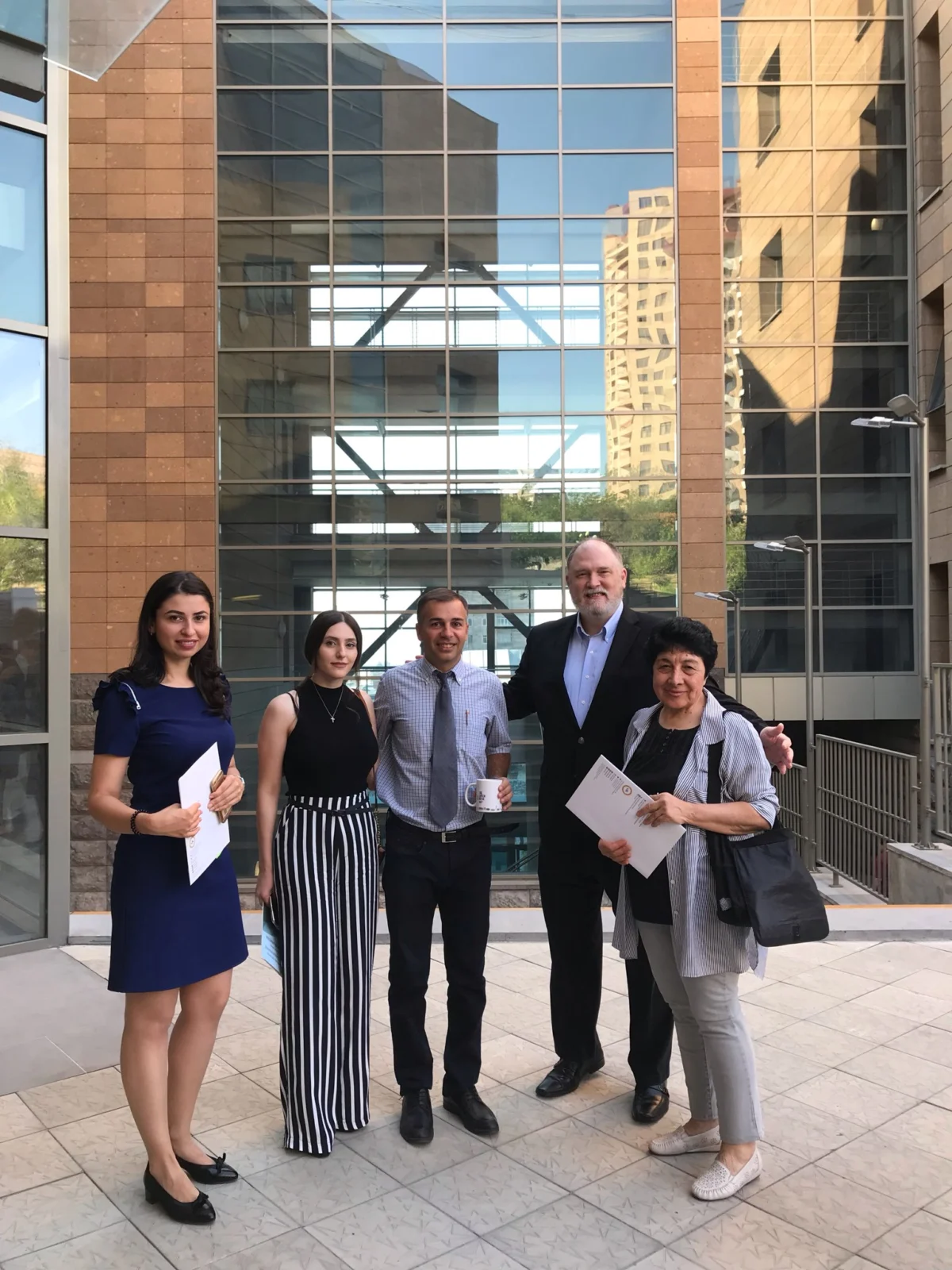
On August 30–31, the American University of Armenia (AUA) Acopian Center for the Environment hosted its fourth annual Ecotourism Conference, a landmark event aimed at redefining the intersection of conservation and economic development. Held in partnership with the Tourism Committee of the Armenian Ministry of Economy, the Ministry of Environment, WWF Armenia, and the Transboundary Joint Secretariat—funded by the German KfW development bank—the conference served as a nexus for international experts and local stakeholders to debate the future of protected areas (PAs).

As the global tourism landscape shifts toward sustainability, Armenia stands at a critical juncture. The conference underscored that ecotourism is not merely a niche market but a fundamental pillar of modern national economic strategy. By bringing together policy makers, tour operators, and environmental scientists, the event sought to move beyond the traditional "conservation vs. development" dichotomy, arguing instead that the two are inextricably linked.


The Economics of Preservation: Moving Beyond Entrance Fees

A recurring theme throughout the conference was the need for a paradigm shift in how governments calculate the value of protected areas. Dr. Thiago Souza, representing the IUCN Commission on Protected Areas’ Tourism Specialists Group, challenged the prevailing fiscal logic that limits the valuation of PAs to gate receipts.

The "Hidden" Economic Multiplier

"Politically, the value of investing in protected areas is often lost because we typically don’t make an adequate economic analysis," Dr. Souza noted. He pointed out that in many developing economies, officials view national parks as cost centers, comparing the meager revenue from entrance fees against the significant operational budgets of the sites. Using Brazil as a case study, he illustrated that budgets can often be nine times higher than the fees collected.

However, when an economic analysis incorporates the broader "multiplier effect"—including local visitor spending, hospitality taxes, and regional supply chain benefits—the narrative shifts dramatically. "In Brazil, we’ve been able to show that for every dollar budgeted and spent on protected areas, the national economy gains 15 dollars," he explained. European data corroborates this, showing that every euro invested in infrastructure for protected areas yields between 7 to 10 euros in GDP activity.

This data is supported by a comprehensive 2015 study by Balmford et al., which estimated that the world’s protected areas see 8 billion visits annually, generating approximately US$600 billion in direct in-country expenditure.


A Global Perspective: The Rise of Sustainable Tourism

Jon Bruno, Executive Director of The International Ecotourism Society (TIES), provided a sweeping overview of the sector’s meteoric rise. Over the last 30 years, ecotourism has evolved from a fringe hobby into a fundamental component of the global economy.
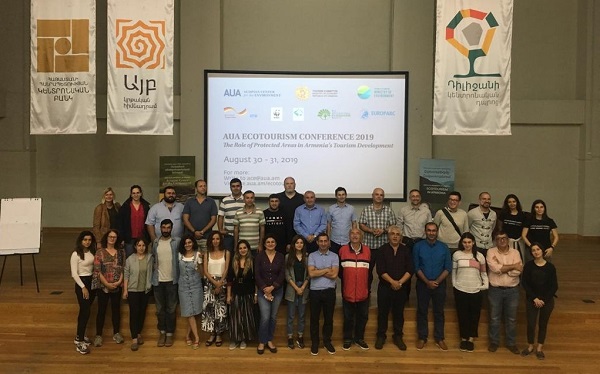
Fourth annual Armenia Ecotourism Conference: Key Stakeholders Gather to Discuss the Future of Ecotourism connected with Protected Areas - The International Ecotourism Society The fourth annual AUA Ecotourism Conference was held on August 30-31. The event was organized by the AUA Acopian Center for the Environment. in partnership with the Tourism Committee of the Ministry of Economy of the Republic of Armenia (RA), RA Ministry of Environment, WWF Armenia and Transboundary Joint Secretariat funded by the KfW German state-owned development bank and The International Ecotourism Society (TIES). Experts from The International Ecotourism Society, EUROPARC Federation, and the International Union for Conservation of Nature (IUCN) were among the key speakers. The invited participants included tour operators, policy makers, and protected area managers and experts. This year’s Conference focused on the role of protected areas in ecotourism and sustainable tourism development, which ensure protecting the environment and enabling nearby communities to benefit from growth in tourism. Protected Areas and the National/Regional Economy Dr. Thiago Souza, from the IUCN Commission on Protected Areas’ Tourism Specialists Group, talked about the global experience with investing in protected areas and the returns to the national and regional economies. “Politically, the value of investing in protected areas is often lost because we typically don’t make an adequate economic analysis,” points out Dr. Souza. He explains that in most places officials simply make an accounting or financial analysis. That is, they look at the budget of the protected area and the revenues generated from the entrance fees. “For most protected areas, the fees would be substantially smaller than the budgets of the protected areas,” he says. “In Brazil, for instance, budgets can be 9 times greater than fees collected.” But when an economic analysis is conducted, which considers more broadly the visitor spending and the tax and multiplier effects of this spending, a very different picture appears. “In Brazil, we’ve been able to show that for every dollar budgeted amount spent on protected areas, the national economy gains 15 dollars. The returns on investment are staggering,” says Dr. Souza. Europe shows smaller but still impressive numbers. Once adequate investments are made in the protected areas and the needed infrastructure, every euro spent on protected areas see 7 to 10 euros in GDP activity. A 2015 study shows that there are an estimated 8 billion visits per year to protected areas worldwide. This generates about US $600 billion per year in direct in-country expenditures. (Balmford et al, 2015). Growing Market of Ecotourism and Visiting Protected Areas Jon Bruno, the executive director of The International Ecotourism Society, offered a global perspective on the growth of the ecotourism sector. “Over 90 nations now have an ecotourism or sustainable tourism initiative nationally or at a regional level. This has happened in the last 30 years; there is no other form of tourism or industry that has become so fundamental to the global economy so quickly.” Mr. Bruno believes that this is a growing trend. And the travelers are developing greater sensitivity toward sustainable tourism. He says, “Travelers have greatly increased both their awareness of ecotourism and their willingness to increase payment to ensure a sustainable travel experience. Seventy percent of people under 30 say sustainable travel is a priority.” This is a market for which countries like Armenia have to be prepared as part of their efforts aimed at sustainable development. “Ecotourism and sustainable tourism can help local communities economically and create engagement for protecting their natural assets. Ecotourism provides the strongest community revenue and the best return on investment,” emphasizes Mr. Bruno. The fourth annual AUA Ecotourism Conference was held on August 30-31. The event was organized by the AUA Acopian Center for the Environment. in partnership with the Tourism Committee of the Ministry of Economy of the Republic of Armenia (RA), RA Ministry of Environment, WWF Armenia and Transboundary Joint Secretariat funded by the KfW German state-owned development bank and The International Ecotourism Society (TIES). Experts from The International Ecotourism Society, EUROPARC Federation, and the International Union for Conservation of Nature (IUCN) were among the key speakers. The invited participants included tour operators, policy makers, and protected area managers and experts. This year’s Conference focused on the role of protected areas in ecotourism and sustainable tourism development, which ensure protecting the environment and enabling nearby communities to benefit from growth in tourism. Protected Areas and the National/Regional Economy Dr. Thiago Souza, from the IUCN Commission on Protected Areas’ Tourism Specialists Group, talked about the global experience with investing in protected areas and the returns to the national and regional economies. “Politically, the value of investing in protected areas is often lost because we typically don’t make an adequate economic analysis,” points out Dr. Souza. He explains that in most places officials simply make an accounting or financial analysis. That is, they look at the budget of the protected area and the revenues generated from the entrance fees. “For most protected areas, the fees would be substantially smaller than the budgets of the protected areas,” he says. “In Brazil, for instance, budgets can be 9 times greater than fees collected.” But when an economic analysis is conducted, which considers more broadly the visitor spending and the tax and multiplier effects of this spending, a very different picture appears. “In Brazil, we’ve been able to show that for every dollar budgeted amount spent on protected areas, the national economy gains 15 dollars. The returns on investment are staggering,” says Dr. Souza. Europe shows smaller but still impressive numbers. Once adequate investments are made in the protected areas and the needed infrastructure, every euro spent on protected areas see 7 to 10 euros in GDP activity. A 2015 study shows that there are an estimated 8 billion visits per year to protected areas worldwide. This generates about US $600 billion per year in direct in-country expenditures. (Balmford et al, 2015). Growing Market of Ecotourism and Visiting Protected Areas Jon Bruno, the executive director of The International Ecotourism Society, offered a global perspective on the growth of the ecotourism sector. “Over 90 nations now have an ecotourism or sustainable tourism initiative nationally or at a regional level. This has happened in the last 30 years; there is no other form of tourism or industry that has become so fundamental to the global economy so quickly.” Mr. Bruno believes that this is a growing trend. And the travelers are developing greater sensitivity toward sustainable tourism. He says, “Travelers have greatly increased both their awareness of ecotourism and their willingness to increase payment to ensure a sustainable travel experience. Seventy percent of people under 30 say sustainable travel is a priority.” This is a market for which countries like Armenia have to be prepared as part of their efforts aimed at sustainable development. “Ecotourism and sustainable tourism can help local communities economically and create engagement for protecting their natural assets. Ecotourism provides the strongest community revenue and the best return on investment,” emphasizes Mr. Bruno. The fourth annual AUA Ecotourism Conference was held on August 30-31. The event was organized by the AUA Acopian Center for the Environment. in partnership with the Tourism Committee of the Ministry of Economy of the Republic of Armenia (RA), RA Ministry of Environment, WWF Armenia and Transboundary Joint Secretariat funded by the KfW German state-owned development bank and The International Ecotourism Society (TIES). Experts from The International Ecotourism Society, EUROPARC Federation, and the International Union for Conservation of Nature (IUCN) were among the key speakers. The invited participants included tour operators, policy makers, and protected area managers and experts. This year’s Conference focused on the role of protected areas in ecotourism and sustainable tourism development, which ensure protecting the environment and enabling nearby communities to benefit from growth in tourism. Protected Areas and the National/Regional Economy Dr. Thiago Souza, from the IUCN Commission on Protected Areas’ Tourism Specialists Group, talked about the global experience with investing in protected areas and the returns to the national and regional economies. “Politically, the value of investing in protected areas is often lost because we typically don’t make an adequate economic analysis,” points out Dr. Souza. He explains that in most places officials simply make an accounting or financial analysis. That is, they look at the budget of the protected area and the revenues generated from the entrance fees. “For most protected areas, the fees would be substantially smaller than the budgets of the protected areas,” he says. “In Brazil, for instance, budgets can be 9 times greater than fees collected.” But when an economic analysis is conducted, which considers more broadly the visitor spending and the tax and multiplier effects of this spending, a very different picture appears. “In Brazil, we’ve been able to show that for every dollar budgeted amount spent on protected areas, the national economy gains 15 dollars. The returns on investment are staggering,” says Dr. Souza. Europe shows smaller but still impressive numbers. Once adequate investments are made in the protected areas and the needed infrastructure, every euro spent on protected areas see 7 to 10 euros in GDP activity. A 2015 study shows that there are an estimated 8 billion visits per year to protected areas worldwide. This generates about US $600 billion per year in direct in-country expenditures. (Balmford et al, 2015). Growing Market of Ecotourism and Visiting Protected Areas Jon Bruno, the executive director of The International Ecotourism Society, offered a global perspective on the growth of the ecotourism sector. “Over 90 nations now have an ecotourism or sustainable tourism initiative nationally or at a regional level. This has happened in the last 30 years; there is no other form of tourism or industry that has become so fundamental to the global economy so quickly.” Mr. Bruno believes that this is a growing trend. And the travelers are developing greater sensitivity toward sustainable tourism. He says, “Travelers have greatly increased both their awareness of ecotourism and their willingness to increase payment to ensure a sustainable travel experience. Seventy percent of people under 30 say sustainable travel is a priority.” This is a market for which countries like Armenia have to be prepared as part of their efforts aimed at sustainable development. “Ecotourism and sustainable tourism can help local communities economically and create engagement for protecting their natural assets. Ecotourism provides the strongest community revenue and the best return on investment,” emphasizes Mr. Bruno.

The Demographic Shift

"Over 90 nations now have an ecotourism or sustainable tourism initiative at a national or regional level," Bruno stated. He highlighted that travelers are becoming increasingly sophisticated, prioritizing ethical considerations alongside convenience. "Seventy percent of people under 30 say sustainable travel is a priority," a statistic that suggests that nations failing to adopt eco-conscious policies will likely lose out on a massive, emerging demographic of "conscious consumers."

For Armenia, this presents an immediate opportunity. By aligning its natural assets with the expectations of this new generation of travelers, the country can foster a tourism model that creates deep-rooted local revenue streams while ensuring the preservation of the landscapes that attract visitors in the first place.


Structuring Success: Networks, Guidelines, and Standards

The conference also featured significant contributions from the EUROPARC Federation, represented by Executive Director Carol Richie and council member Paulo Castro. With over 380 members across 37 countries, EUROPARC offers a blueprint for how nations like Armenia can professionalize their park management through international cooperation.

The European Charter for Sustainable Tourism

Ms. Richie warned against the dangers of "laissez-faire" tourism management. "Poorly managed tourism allows societal tensions to persist, weakens local communities’ connection to their heritage, and causes irreparable damage to nature," she cautioned.

To mitigate these risks, EUROPARC advocates for the European Charter for Sustainable Tourism in Protected Areas. This framework acts as a safeguard, forcing a collaboration between local communities, park managers, and the private sector. Paulo Castro emphasized that this is not an overnight fix. "It’s a long-term, multi-stakeholder process," he noted. "Applicants must create a permanent forum for participation and demonstrate that tourism products are directly tied to local resources."

For Armenia, adopting these international standards could provide the necessary legitimacy to attract higher-spending tourists while ensuring that the benefits of that spending remain in the local communities surrounding the parks.


Chronology and Scope of the Conference

The two-day event was structured to facilitate both high-level policy dialogue and practical field-based learning:
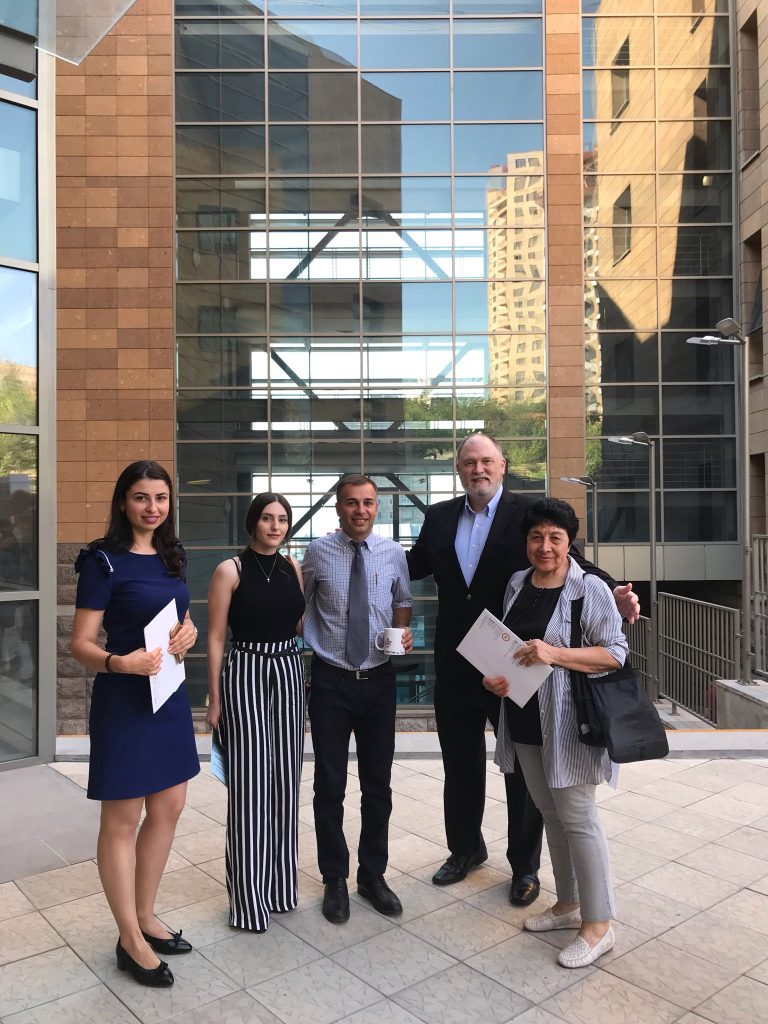
Fourth annual Armenia Ecotourism Conference: Key Stakeholders Gather to Discuss the Future of Ecotourism connected with Protected Areas - The International Ecotourism Society The fourth annual AUA Ecotourism Conference was held on August 30-31. The event was organized by the AUA Acopian Center for the Environment. in partnership with the Tourism Committee of the Ministry of Economy of the Republic of Armenia (RA), RA Ministry of Environment, WWF Armenia and Transboundary Joint Secretariat funded by the KfW German state-owned development bank and The International Ecotourism Society (TIES). Experts from The International Ecotourism Society, EUROPARC Federation, and the International Union for Conservation of Nature (IUCN) were among the key speakers. The invited participants included tour operators, policy makers, and protected area managers and experts. This year’s Conference focused on the role of protected areas in ecotourism and sustainable tourism development, which ensure protecting the environment and enabling nearby communities to benefit from growth in tourism. Protected Areas and the National/Regional Economy Dr. Thiago Souza, from the IUCN Commission on Protected Areas’ Tourism Specialists Group, talked about the global experience with investing in protected areas and the returns to the national and regional economies. “Politically, the value of investing in protected areas is often lost because we typically don’t make an adequate economic analysis,” points out Dr. Souza. He explains that in most places officials simply make an accounting or financial analysis. That is, they look at the budget of the protected area and the revenues generated from the entrance fees. “For most protected areas, the fees would be substantially smaller than the budgets of the protected areas,” he says. “In Brazil, for instance, budgets can be 9 times greater than fees collected.” But when an economic analysis is conducted, which considers more broadly the visitor spending and the tax and multiplier effects of this spending, a very different picture appears. “In Brazil, we’ve been able to show that for every dollar budgeted amount spent on protected areas, the national economy gains 15 dollars. The returns on investment are staggering,” says Dr. Souza. Europe shows smaller but still impressive numbers. Once adequate investments are made in the protected areas and the needed infrastructure, every euro spent on protected areas see 7 to 10 euros in GDP activity. A 2015 study shows that there are an estimated 8 billion visits per year to protected areas worldwide. This generates about US $600 billion per year in direct in-country expenditures. (Balmford et al, 2015). Growing Market of Ecotourism and Visiting Protected Areas Jon Bruno, the executive director of The International Ecotourism Society, offered a global perspective on the growth of the ecotourism sector. “Over 90 nations now have an ecotourism or sustainable tourism initiative nationally or at a regional level. This has happened in the last 30 years; there is no other form of tourism or industry that has become so fundamental to the global economy so quickly.” Mr. Bruno believes that this is a growing trend. And the travelers are developing greater sensitivity toward sustainable tourism. He says, “Travelers have greatly increased both their awareness of ecotourism and their willingness to increase payment to ensure a sustainable travel experience. Seventy percent of people under 30 say sustainable travel is a priority.” This is a market for which countries like Armenia have to be prepared as part of their efforts aimed at sustainable development. “Ecotourism and sustainable tourism can help local communities economically and create engagement for protecting their natural assets. Ecotourism provides the strongest community revenue and the best return on investment,” emphasizes Mr. Bruno. The fourth annual AUA Ecotourism Conference was held on August 30-31. The event was organized by the AUA Acopian Center for the Environment. in partnership with the Tourism Committee of the Ministry of Economy of the Republic of Armenia (RA), RA Ministry of Environment, WWF Armenia and Transboundary Joint Secretariat funded by the KfW German state-owned development bank and The International Ecotourism Society (TIES). Experts from The International Ecotourism Society, EUROPARC Federation, and the International Union for Conservation of Nature (IUCN) were among the key speakers. The invited participants included tour operators, policy makers, and protected area managers and experts. This year’s Conference focused on the role of protected areas in ecotourism and sustainable tourism development, which ensure protecting the environment and enabling nearby communities to benefit from growth in tourism. Protected Areas and the National/Regional Economy Dr. Thiago Souza, from the IUCN Commission on Protected Areas’ Tourism Specialists Group, talked about the global experience with investing in protected areas and the returns to the national and regional economies. “Politically, the value of investing in protected areas is often lost because we typically don’t make an adequate economic analysis,” points out Dr. Souza. He explains that in most places officials simply make an accounting or financial analysis. That is, they look at the budget of the protected area and the revenues generated from the entrance fees. “For most protected areas, the fees would be substantially smaller than the budgets of the protected areas,” he says. “In Brazil, for instance, budgets can be 9 times greater than fees collected.” But when an economic analysis is conducted, which considers more broadly the visitor spending and the tax and multiplier effects of this spending, a very different picture appears. “In Brazil, we’ve been able to show that for every dollar budgeted amount spent on protected areas, the national economy gains 15 dollars. The returns on investment are staggering,” says Dr. Souza. Europe shows smaller but still impressive numbers. Once adequate investments are made in the protected areas and the needed infrastructure, every euro spent on protected areas see 7 to 10 euros in GDP activity. A 2015 study shows that there are an estimated 8 billion visits per year to protected areas worldwide. This generates about US $600 billion per year in direct in-country expenditures. (Balmford et al, 2015). Growing Market of Ecotourism and Visiting Protected Areas Jon Bruno, the executive director of The International Ecotourism Society, offered a global perspective on the growth of the ecotourism sector. “Over 90 nations now have an ecotourism or sustainable tourism initiative nationally or at a regional level. This has happened in the last 30 years; there is no other form of tourism or industry that has become so fundamental to the global economy so quickly.” Mr. Bruno believes that this is a growing trend. And the travelers are developing greater sensitivity toward sustainable tourism. He says, “Travelers have greatly increased both their awareness of ecotourism and their willingness to increase payment to ensure a sustainable travel experience. Seventy percent of people under 30 say sustainable travel is a priority.” This is a market for which countries like Armenia have to be prepared as part of their efforts aimed at sustainable development. “Ecotourism and sustainable tourism can help local communities economically and create engagement for protecting their natural assets. Ecotourism provides the strongest community revenue and the best return on investment,” emphasizes Mr. Bruno. The fourth annual AUA Ecotourism Conference was held on August 30-31. The event was organized by the AUA Acopian Center for the Environment. in partnership with the Tourism Committee of the Ministry of Economy of the Republic of Armenia (RA), RA Ministry of Environment, WWF Armenia and Transboundary Joint Secretariat funded by the KfW German state-owned development bank and The International Ecotourism Society (TIES). Experts from The International Ecotourism Society, EUROPARC Federation, and the International Union for Conservation of Nature (IUCN) were among the key speakers. The invited participants included tour operators, policy makers, and protected area managers and experts. This year’s Conference focused on the role of protected areas in ecotourism and sustainable tourism development, which ensure protecting the environment and enabling nearby communities to benefit from growth in tourism. Protected Areas and the National/Regional Economy Dr. Thiago Souza, from the IUCN Commission on Protected Areas’ Tourism Specialists Group, talked about the global experience with investing in protected areas and the returns to the national and regional economies. “Politically, the value of investing in protected areas is often lost because we typically don’t make an adequate economic analysis,” points out Dr. Souza. He explains that in most places officials simply make an accounting or financial analysis. That is, they look at the budget of the protected area and the revenues generated from the entrance fees. “For most protected areas, the fees would be substantially smaller than the budgets of the protected areas,” he says. “In Brazil, for instance, budgets can be 9 times greater than fees collected.” But when an economic analysis is conducted, which considers more broadly the visitor spending and the tax and multiplier effects of this spending, a very different picture appears. “In Brazil, we’ve been able to show that for every dollar budgeted amount spent on protected areas, the national economy gains 15 dollars. The returns on investment are staggering,” says Dr. Souza. Europe shows smaller but still impressive numbers. Once adequate investments are made in the protected areas and the needed infrastructure, every euro spent on protected areas see 7 to 10 euros in GDP activity. A 2015 study shows that there are an estimated 8 billion visits per year to protected areas worldwide. This generates about US $600 billion per year in direct in-country expenditures. (Balmford et al, 2015). Growing Market of Ecotourism and Visiting Protected Areas Jon Bruno, the executive director of The International Ecotourism Society, offered a global perspective on the growth of the ecotourism sector. “Over 90 nations now have an ecotourism or sustainable tourism initiative nationally or at a regional level. This has happened in the last 30 years; there is no other form of tourism or industry that has become so fundamental to the global economy so quickly.” Mr. Bruno believes that this is a growing trend. And the travelers are developing greater sensitivity toward sustainable tourism. He says, “Travelers have greatly increased both their awareness of ecotourism and their willingness to increase payment to ensure a sustainable travel experience. Seventy percent of people under 30 say sustainable travel is a priority.” This is a market for which countries like Armenia have to be prepared as part of their efforts aimed at sustainable development. “Ecotourism and sustainable tourism can help local communities economically and create engagement for protecting their natural assets. Ecotourism provides the strongest community revenue and the best return on investment,” emphasizes Mr. Bruno.
  • Day 1: The Macro-Economic View. The focus was on the global market, with keynote speeches from TIES and IUCN experts regarding the economic valuation of nature.
  • Day 2: Operationalizing Sustainability. The day was dedicated to policy frameworks, the role of international networks like EUROPARC, and a series of six intensive panel discussions.
  • Field Visits: Attendees were taken to the Dilijan Tourism Information Center, the Dilijan National Park visitor facilities, and the Caucasian Red Deer Reintroduction Center. These site visits were pivotal, allowing participants to see the reality of Armenian infrastructure and the challenges of managing biodiversity in a developing tourism market.

The six panel discussions were the heartbeat of the conference. They brought together government officials, academic researchers, and NGOs to identify the gaps between Armenia’s current tourism offering and international best practices. The consensus was that while Armenia possesses the natural resources, it requires a more cohesive strategy for infrastructure, signage, and community-led product development.


Official Responses and Future Implications

The Ministry of Environment of the Republic of Armenia characterized the conference as a watershed moment. According to officials, the event provided a roadmap for the future. The government is currently in the process of formulating a "positive growth strategy" that aims to scale ecotourism without compromising the ecological integrity of the nation’s protected areas.

The Path Forward

The implications of this conference are significant for Armenia’s future:

  1. Policy Integration: There is a growing understanding that the Ministry of Economy (Tourism) and the Ministry of Environment must operate in lockstep.
  2. Infrastructure Investment: The "15-to-1" return on investment mentioned by Dr. Souza provides the necessary data for the government to justify larger budget allocations for the national park system.
  3. Capacity Building: By exploring membership with the EUROPARC Federation, Armenian park managers can gain access to a global network of expertise, training, and policy support.

The conference concluded with a call to action for all stakeholders: to view protected areas not as restricted zones, but as the engine rooms of sustainable economic growth. As the world continues to grapple with the effects of climate change and over-tourism, the lessons shared in Yerevan serve as a timely reminder that the most profitable path forward is one that respects the boundaries of the natural world.

For organizations looking to engage with this movement, the collaboration between international bodies and local institutions remains the most effective vehicle for change. As TIES continues to facilitate these knowledge-sharing events, the momentum generated in Armenia is likely to ripple outward, setting a precedent for other nations in the region to follow.


Supporting Data: Why Ecotourism Matters

Metric Impact of Ecotourism
Global Visits 8 Billion annually
Direct Expenditures US $600 Billion annually
Multiplier Effect (Brazil) 15:1 (Return on investment)
Multiplier Effect (Europe) 7:1 to 10:1 (Return on investment)
Youth Priority 70% of travelers under 30 prioritize sustainability

The 4th Annual AUA Ecotourism Conference has successfully moved the conversation from abstract ideals to actionable, data-driven strategies. It has laid the groundwork for a future where Armenia’s natural beauty is protected by the very activity that celebrates it, turning its national parks into the most valuable assets in its economic portfolio.