By GearJunkie Staff
Updated July 29, 2026
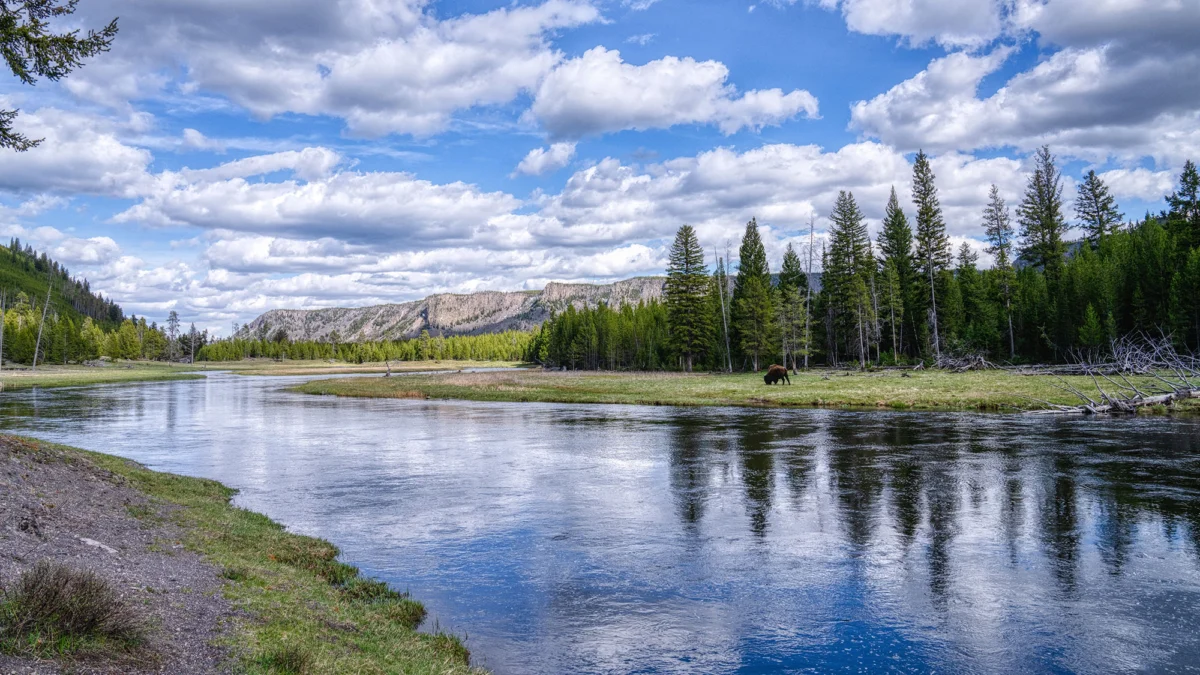
In a decisive move to protect the park’s fragile aquatic ecosystems, Yellowstone National Park (YNP) officials announced today that all rivers and streams within the park will be closed to fishing daily from 2:00 p.m. until sunrise the following morning. This emergency regulation, effective immediately as of July 29, 2026, marks one of the most comprehensive restrictions on recreational angling in the park’s history.
As record-breaking heat settles over the American West, the park’s cold-water trout populations face a life-or-death struggle. With water temperatures in several key watersheds consistently climbing above 68 degrees Fahrenheit—a critical threshold for trout survival—and stream flows dropping well below historical seasonal averages, park management has deemed the preemptive closure necessary to prevent mass mortality events.
The Scope of the Restrictions
Under the new mandate, anglers looking to enjoy the world-renowned waters of Yellowstone must adjust their schedules significantly. While fishing is permitted from sunrise until 2:00 p.m. on most rivers and streams, the afternoon hours are now strictly off-limits.
It is important for visitors to note that this is a "rolling" restriction. Once the clock strikes 2:00 p.m., all fishing tackle must be stowed, and anglers are required to exit the water. This measure aims to minimize the stress placed on trout, which are ectothermic—their internal body temperatures fluctuate with the water around them. In warmer water, fish struggle to process oxygen, and the physical exertion of being hooked, played, and landed by an angler can lead to permanent exhaustion or death, even when the fish is released back into the water.
Yellowstone Lake and the park’s various other high-elevation lakes are currently exempt from the 2:00 p.m. restriction and remain open for fishing from sunrise to sunset. However, officials warn that even these bodies of water are being monitored closely for potential future adjustments.
A Chronology of Declining Conditions
The decision to implement these sweeping rules did not happen overnight; it is the culmination of a deteriorating environmental situation that has been tracked by park biologists throughout July.
- Early July: Park staff began noticing an uptick in water temperatures in the Madison, Firehole, and Gibbon river drainages. By July 9, the situation necessitated the first round of "Hoot Owl" restrictions—a common practice in the West where fishing is prohibited during the hottest parts of the day.
- Mid-July: As the heatwave intensified, temperatures in the Firehole River surged to between 80 and 86 degrees Fahrenheit. These numbers are catastrophic for cold-water species like brown and rainbow trout. By July 15, the restriction was escalated to a full, 24-hour closure for those specific river systems, following reports of fish kills.
- Late July: With the high-pressure system showing no signs of breaking, and water levels across the entire park plummeting due to a lack of snowmelt runoff and minimal precipitation, the National Park Service (NPS) determined that the localized approach was no longer sufficient to safeguard the park’s biodiversity. The announcement on July 29 extended the 2:00 p.m. cutoff to every river and stream within the park boundaries.
The Science of Stress: Why 68 Degrees Matters
To the casual visitor, a river temperature of 68 degrees might feel refreshing. To a trout, it is the beginning of a physiological crisis. As water temperature increases, its capacity to hold dissolved oxygen decreases. Simultaneously, a trout’s metabolic rate increases in warmer water, meaning the fish requires more oxygen just to maintain basic bodily functions.
When a trout is hooked, it enters a state of anaerobic exertion, utilizing its energy reserves to fight against the line. When released, the fish must recover. In cold, oxygen-rich water, this recovery is relatively quick. In water reaching 70 degrees or higher, the fish is often unable to recover the oxygen debt incurred during the fight, leading to "exhaustion mortality"—a phenomenon where a fish swims away after being released, only to die shortly thereafter from cardiac or respiratory failure.

"The goal is simple: we want to ensure that these populations remain viable for future generations," a park representative stated in an internal brief. "Angling is a cherished tradition in Yellowstone, but it cannot come at the expense of the resource itself."
Implications for the Angling Community
For the thousands of fly fishers who travel to Yellowstone from across the globe, the news is a disappointment but largely expected by those familiar with the changing climate of the Rocky Mountain region.
The Madison, Firehole, and lower Gibbon rivers remain the hardest hit. These waters are currently closed at all hours, regardless of the time of day. This creates a significant "no-go" zone for anglers who traditionally flock to these iconic spots for their technical fishing opportunities.
Local guide services and outfitters are currently navigating the logistical nightmare of rescheduling trips. Many are shifting their operations to the early morning hours, often starting their days at dawn and wrapping up well before the 2:00 p.m. deadline. This shift, while disruptive, has become the "new normal" for professional guides who prioritize the health of the fishery over the convenience of a full-day excursion.
A Growing Trend of Climate Adaptation
The 2026 restrictions are not an anomaly; they are part of a clear, concerning trend. Yellowstone has increasingly relied on these closures over the last five years. In 2021, an exceptionally dry year, the park implemented a similar park-wide afternoon restriction. In 2024 and 2025, specific river segments were closed for weeks at a time.
Interestingly, the park attempted to mitigate the impact of this year’s heat by opening the Madison, Firehole, and Gibbon rivers on May 1—several weeks earlier than the standard opening date. The intent was to provide anglers with a "bonus" window of opportunity during the cooler spring months. While successful in terms of providing access, the rapid arrival of the July heatwave effectively neutralized that early-season advantage.
Moving Forward: What Anglers Need to Know
Yellowstone National Park staff are committed to a policy of "adaptive management." This means that as conditions change, so too will the regulations. If a cold front moves through the region and brings significant precipitation, or if water temperatures drop consistently below the 68-degree mark, the park will evaluate lifting or modifying the current restrictions.
For the duration of the summer, anglers are advised to:
- Monitor Official Sources: The NPS website and the official Yellowstone fishing page are the primary sources for real-time updates.
- Practice Proper Handling: For those fishing during the morning hours, use barbless hooks, keep fish in the water at all times, and handle them with wet hands. Avoid taking the fish out of the water for photos.
- Respect the Closures: The closures are enforced by park rangers, and violators face significant fines and potential revocation of fishing privileges.
- Consider Alternatives: If the rivers are too warm, consider fishing the larger, deeper lakes where water temperatures remain more stable.
As the sun sets over the Yellowstone caldera this evening, the rivers will remain quiet. For the trout navigating the hidden, cooler pockets of the stream bed, the reprieve is essential. For the angling community, the situation serves as a stark reminder of the fragile balance between human recreation and the conservation of our nation’s most precious wild places. The park will continue to monitor the data, waiting for the return of the cool, high-flowing waters that define the Yellowstone experience.