The ORLEN Group, Poland’s multi-energy leader, has taken a significant step toward cementing its dominance in the Central European renewable energy market. The company has officially acquired a 216MW hybrid renewable energy project located in the municipality of Kazimierz Biskupi, in the Greater Poland region. This strategic acquisition, executed through ORLEN New Power—the group’s specialized onshore renewables division—underscores a shift toward sophisticated, grid-efficient energy solutions that leverage the synergies between wind and solar power.
The project represents a landmark development for the Polish energy transition, utilizing a “cable pooling” system—an innovative technical configuration that allows both solar and wind assets to share a single grid connection point. This design not only optimizes infrastructure investment but also mitigates the intermittency challenges inherent in single-source renewable generation.
The Anatomy of the Kazimierz Biskupi Project
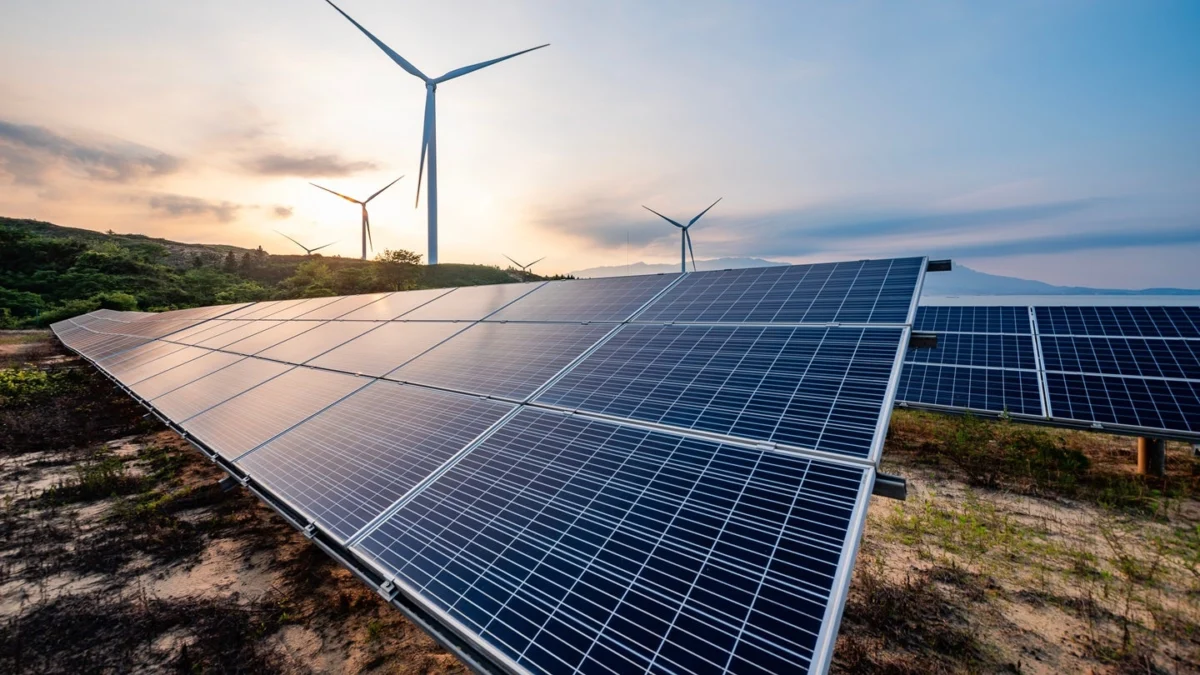
The 216MW facility is a complex, dual-technology installation designed to maximize the utilization of local meteorological conditions. The project comprises two primary components:
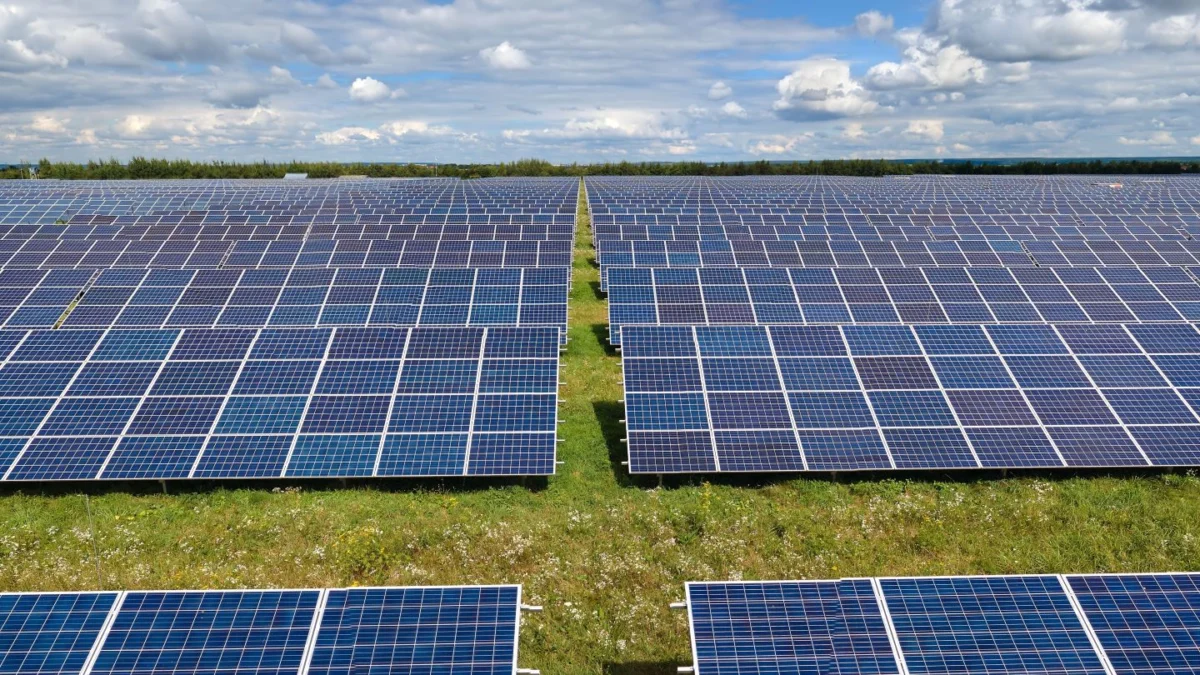
- Solar Photovoltaic (PV) Farm: An 180MW array utilizing high-efficiency solar modules.
- Wind Farm: A 36MW installation consisting of nine state-of-the-art Vestas V136 turbines, each boasting a 4MW capacity.
By integrating these technologies, the ORLEN Group expects the facility to generate approximately 315 gigawatt-hours (GWh) of clean electricity annually. To put this output into perspective, the company estimates that this volume is sufficient to satisfy the electricity requirements of nearly 143,000 Polish households, effectively reducing the region’s reliance on coal-fired power plants and lowering the carbon intensity of the national energy grid.
The acquisition was facilitated through the purchase of special-purpose vehicles (SPVs) previously held by Polish entities ONDE and Neo Energy Group. Under the terms of the agreement, ONDE will transition into the role of general contractor, while Neo Energy Group will maintain oversight of the construction phase, ensuring continuity and technical expertise. Energa Green Development, an ORLEN subsidiary, will act as the project supervisor, monitoring progress on behalf of the parent company.
Chronology of Development: From Concept to Energization
The timeline for the Kazimierz Biskupi project is structured to ensure regulatory compliance and engineering precision. While the acquisition marks a major milestone, the physical manifestation of the project is set to unfold over the next three years:
- Q3 2026: Construction is slated to commence. This phase will involve site preparation, foundation work for the nine Vestas turbines, and the installation of the extensive solar racking systems.
- Early 2028: The project is scheduled for its first energization. This critical phase involves the testing of electrical components and the integration of the hybrid system into the regional transmission network.
- Q2 2028: Commercial operations are expected to begin. Once fully commissioned, the plant will contribute its full 216MW capacity to the Polish national energy system.
This timeline aligns with ORLEN’s broader, aggressive capital expenditure program, which aims to diversify its energy portfolio and fulfill its long-term decarbonization commitments.
Strategic Implications: Creating a Renewable Powerhouse
The Kazimierz Biskupi project does not exist in a vacuum; it is part of a larger spatial strategy. The site is located approximately 8 kilometers from the ORLEN Group’s existing Kleczew Solar & Wind project. By strategically clustering these assets, ORLEN is effectively creating one of the largest onshore renewable energy hubs in Poland.
Once both the Kleczew and Kazimierz Biskupi projects are fully operational, the combined total capacity will reach 485MW. This concentration of renewable power allows for more sophisticated energy management, potential economies of scale in maintenance and operation, and a more robust contribution to the stability of the Polish power grid.
The Role of Cable Pooling
The use of cable pooling is perhaps the most critical technical aspect of this acquisition. In many regions, grid connection capacity is the primary bottleneck for renewable energy developers. By allowing a solar farm (which generates power primarily during daylight hours) and a wind farm (which often peaks during different meteorological cycles or times of day) to share the same grid infrastructure, the developers can avoid costly and time-consuming upgrades to the high-voltage transmission network. This "sharing" approach increases the capacity factor of the grid connection, ensuring that the infrastructure is utilized more consistently throughout the 24-hour cycle.
Official Responses and Corporate Vision
The leadership at ORLEN has framed the acquisition as a testament to the company’s commitment to modernizing Poland’s energy sector while fostering domestic industrial growth.
Ireneusz Fąfara, President of the Management Board of ORLEN, highlighted the multifaceted benefits of the investment:
"With this acquisition, we are adding a 216MW project to ORLEN’s renewable energy portfolio. Combining solar and wind generation will allow it to make more efficient use of the available grid connection infrastructure. This is another tangible outcome of our investment programme. We are developing assets that support Poland’s energy transition while engaging Polish companies and strengthening domestic expertise in the modern energy sector."
By partnering with local firms like ONDE and Neo Energy Group, ORLEN is ensuring that the economic ripple effects of the energy transition remain within the Polish borders, building a local supply chain and workforce skilled in the maintenance and construction of complex hybrid power systems.
The Broader Context: ORLEN’s Green Transformation
The Kazimierz Biskupi project represents only one facet of ORLEN’s massive pivot away from traditional hydrocarbon dependency. The company’s "Green H2 and Hydrogen Eagle" initiatives demonstrate a commitment to deep decarbonization.
In June 2025, ORLEN secured a significant funding boost: 1.7 billion zlotys (approximately $456 million) under the National Recovery Plan. These funds are earmarked for hydrogen-related projects, which are considered essential for decarbonizing heavy industry and transport—sectors that cannot be easily electrified.
Synergy with National Energy Goals
Poland, historically reliant on coal, faces a daunting challenge in meeting the European Union’s ambitious climate targets. The government’s energy strategy, Energy Policy of Poland until 2040 (PEP2040), mandates a significant shift toward offshore wind, solar, and nuclear power. ORLEN’s strategy of building large-scale, hybrid, and integrated energy projects acts as a critical bridge.
The acquisition also addresses the growing demand for "Green PPA" (Power Purchase Agreements) from industrial clients. As multinational corporations operating in Poland face increasing pressure to lower their Scope 2 emissions, the availability of large-scale, stable renewable energy from providers like ORLEN becomes a competitive advantage for the Polish economy as a whole.
Challenges and Future Outlook
While the acquisition is a clear success, the road to 2028 is not without challenges. The integration of 216MW of intermittent power requires sophisticated energy management software and, potentially, the future integration of Battery Energy Storage Systems (BESS). As the penetration of variable renewables increases on the Polish grid, the ability to "firm" that power—storing excess generation and releasing it when demand peaks—will become the next frontier for ORLEN.
Furthermore, the construction industry in Europe currently faces headwinds regarding raw material costs and skilled labor shortages. The partnership between ORLEN, ONDE, and Neo Energy Group will be tested by the logistics of sourcing large-scale wind turbine components and solar panels in an increasingly protectionist global market.
However, given the scale of the project and the financial backing provided by the National Recovery Plan, the Kazimierz Biskupi project is well-positioned to meet its milestones. By 2028, this site will stand as a flagship example of how Poland—long considered the "coal heart" of Europe—is successfully engineering its transition toward a cleaner, more resilient, and technologically advanced energy future.
The project is more than just a power plant; it is a blueprint for the future of energy production in Central Europe, proving that through smart engineering and strategic investment, the challenges of the energy transition can be turned into sustainable growth.