On August 12, 2026, the heavens will stage a dramatic performance that has not been witnessed on the European continent in over a quarter of a century. A rare total solar eclipse will sweep across a narrow corridor spanning Greenland, Iceland, and Spain, plunging millions into an ethereal twilight in the middle of the day. This astronomical alignment—where the Moon perfectly obscures the Sun’s photosphere—will mark the first time the path of totality has graced continental Europe since the landmark eclipse of August 11, 1999.

Main Facts: A Rare Alignment
The Total Solar Eclipse of 2026 is a significant astronomical milestone. The path of totality, a 60-to-70-mile-wide shadow cast by the Moon, will travel from the Arctic Ocean down to the Mediterranean. Observers within this narrow band will experience up to 2 minutes and 18 seconds of complete daytime darkness.
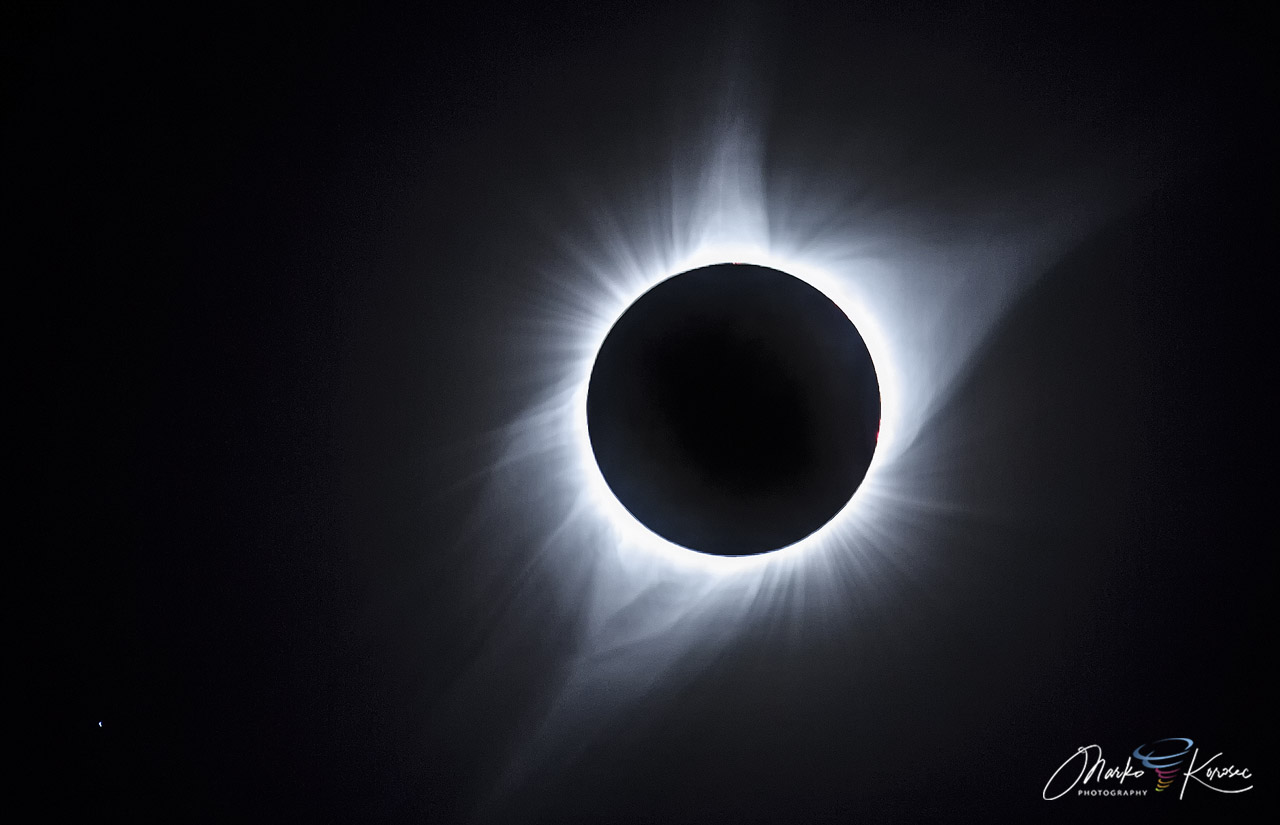
Beyond the sheer spectacle of the Sun’s corona becoming visible, the 2026 event holds a unique scientific and aesthetic intrigue: it coincides with the peak of the Perseid meteor shower. Astronomers and enthusiasts anticipate the rare possibility of capturing shooting stars against the darkened sky during the moments of totality, a visual rarity that promises to make this event one of the most photographed and studied eclipses in modern history.
The Chronology of the Shadow
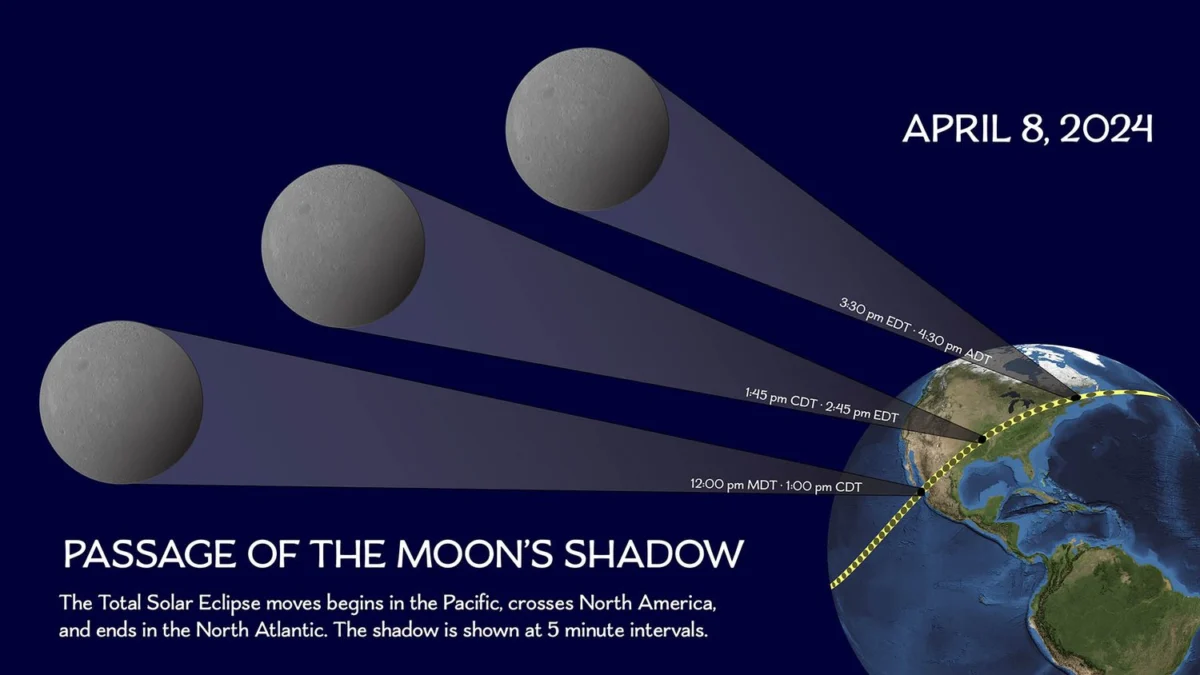
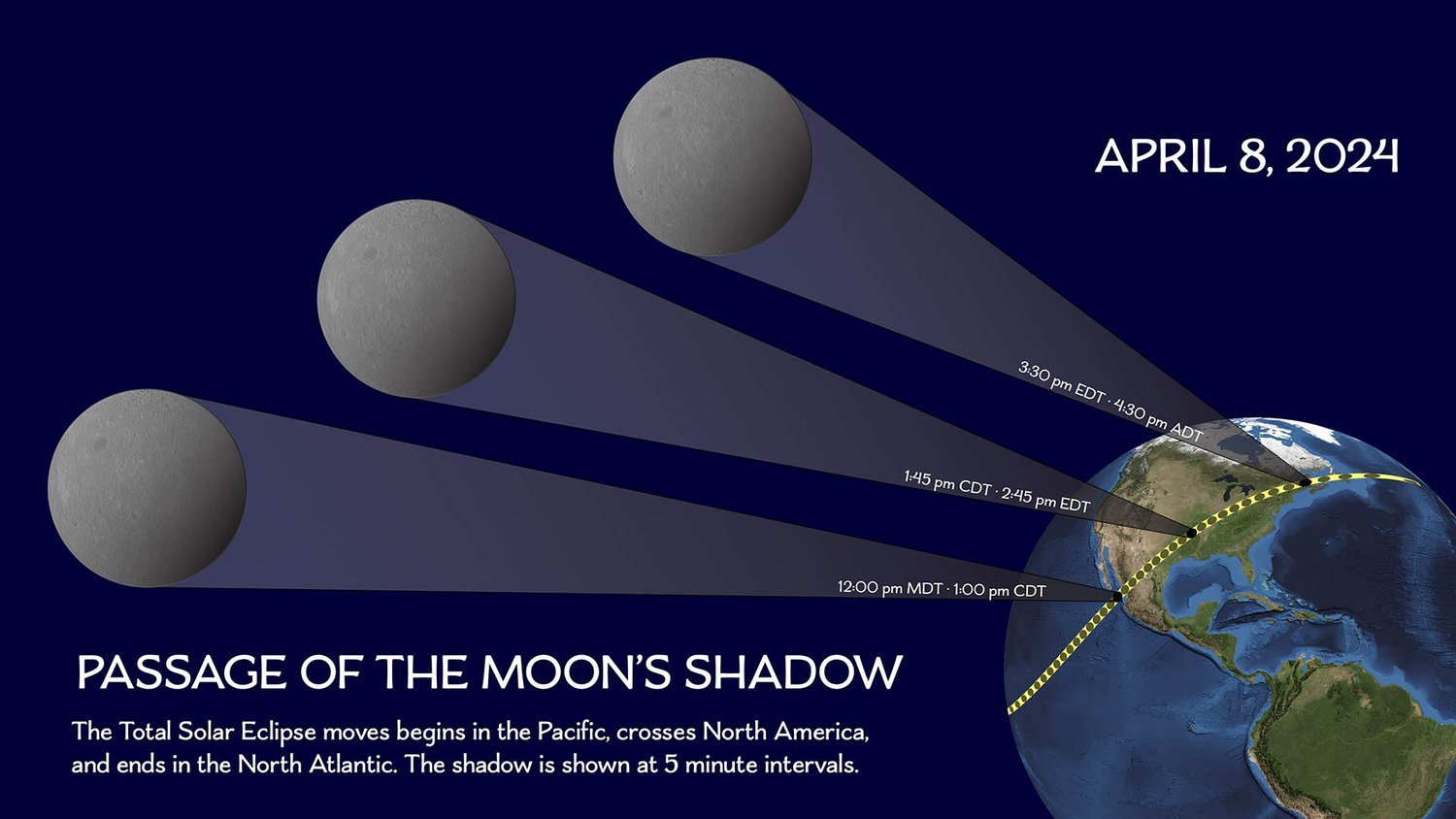
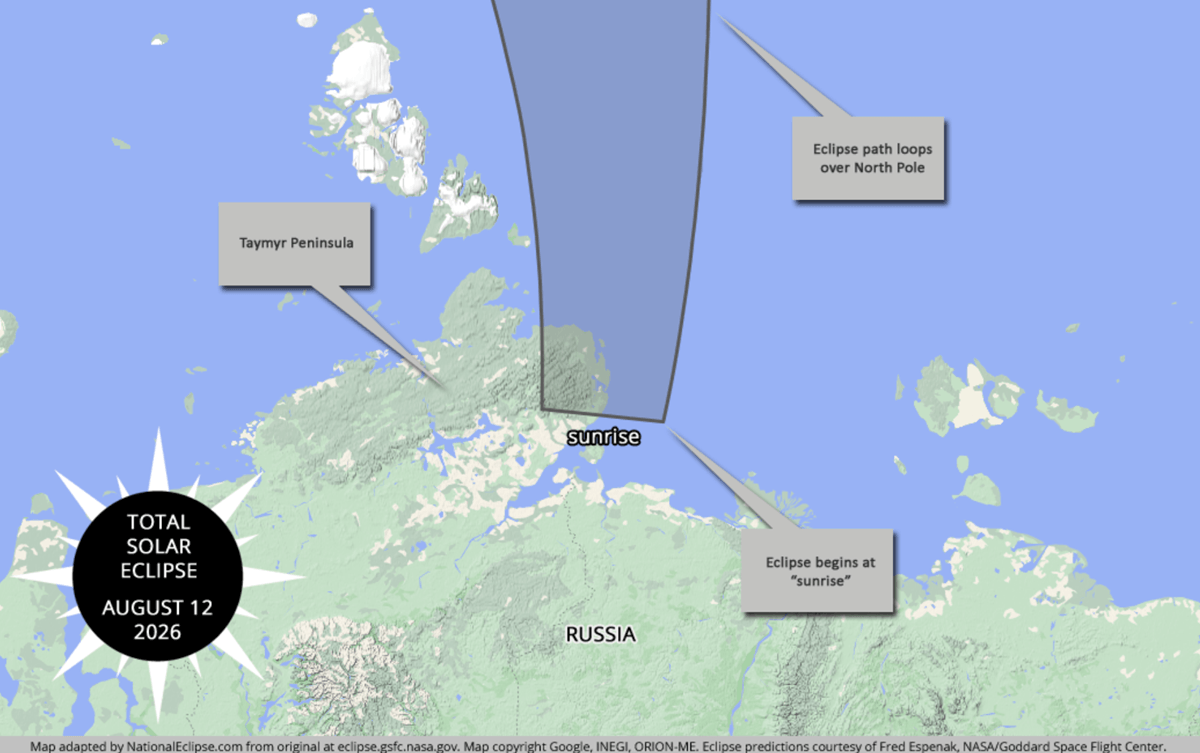
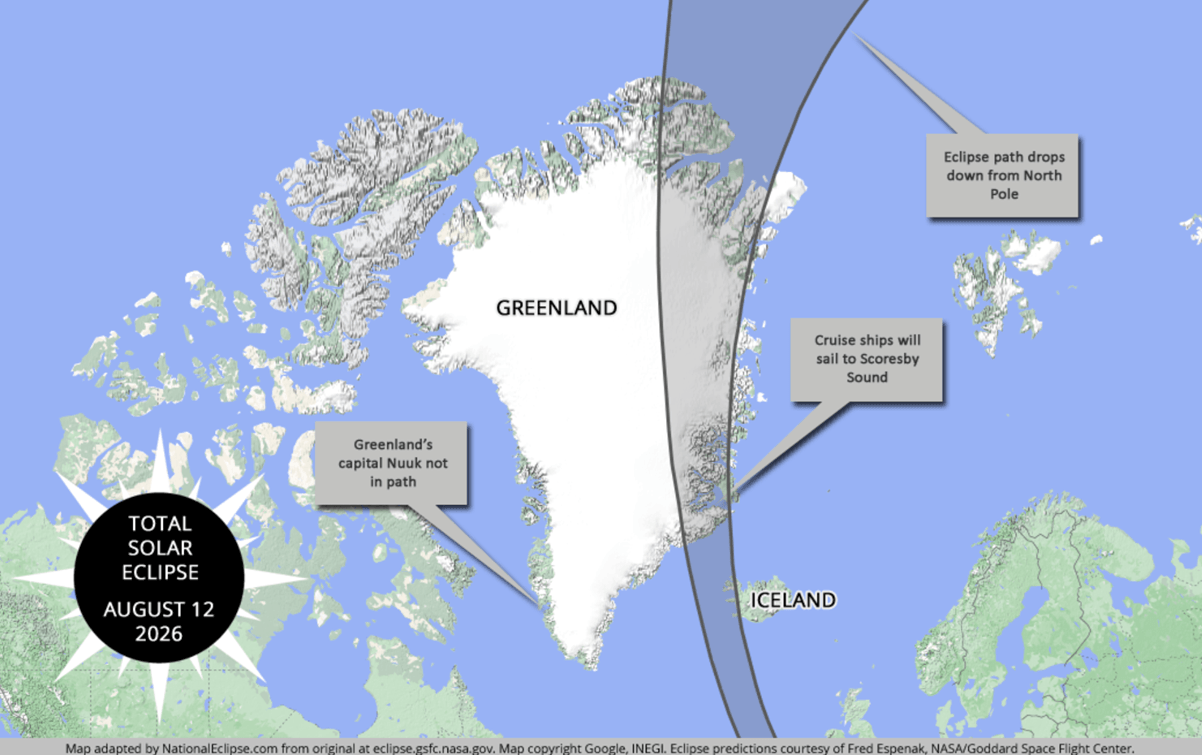
The celestial trajectory begins at sunrise in northern Siberia, moving swiftly south-southwest. As the shadow accelerates across the Atlantic, it will make its first landfall over eastern Greenland. The path then tracks over the western coastline of Iceland before crossing the ocean to reach the Iberian Peninsula.
The European Journey
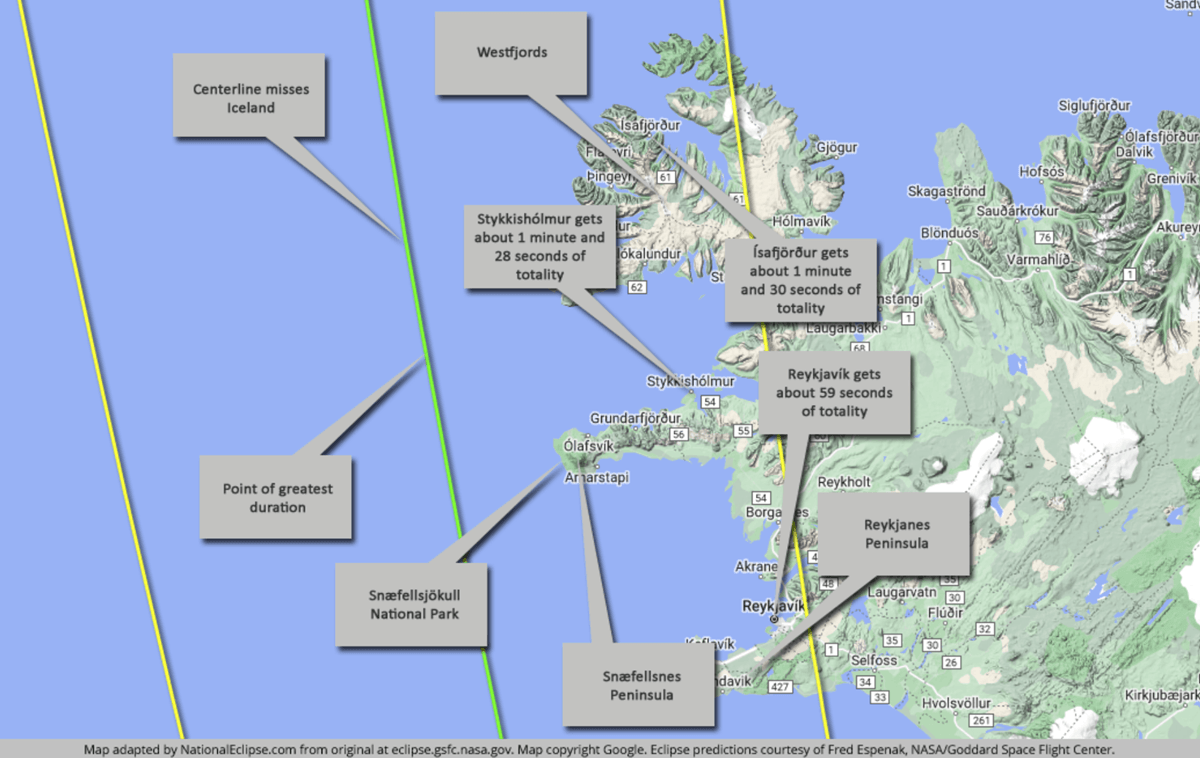
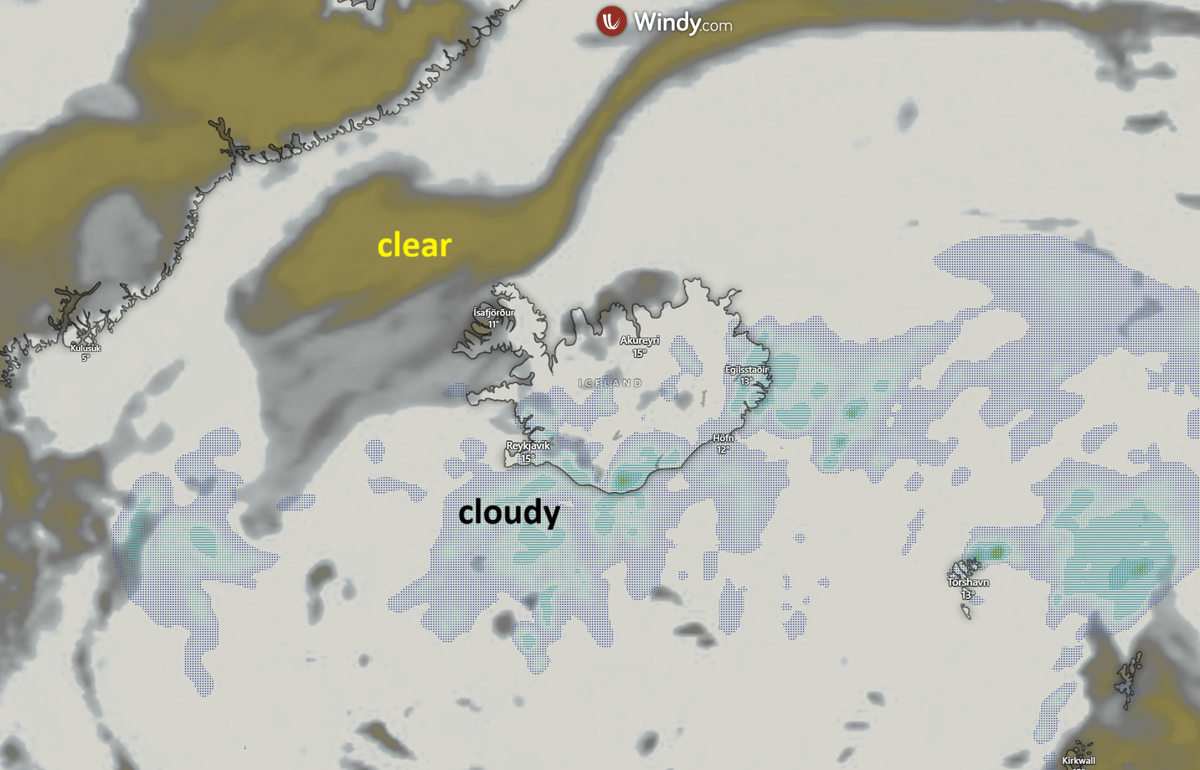
- Iceland: The eclipse enters the Westfjords in the mid-afternoon. In Reykjavik, the partial phase begins at 16:43 local time, with totality commencing at 17:48. While the duration in the capital will be approximately 59 seconds, the Westfjords will enjoy a slightly longer totality of 1 minute and 30 seconds.
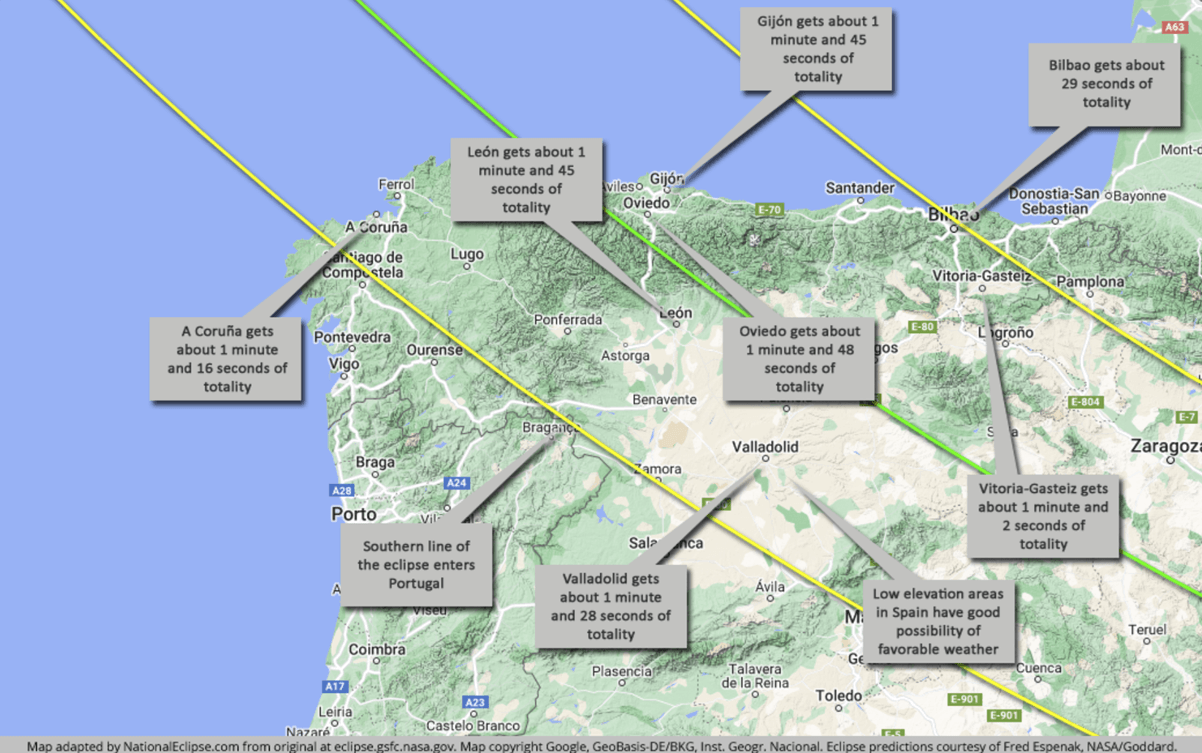
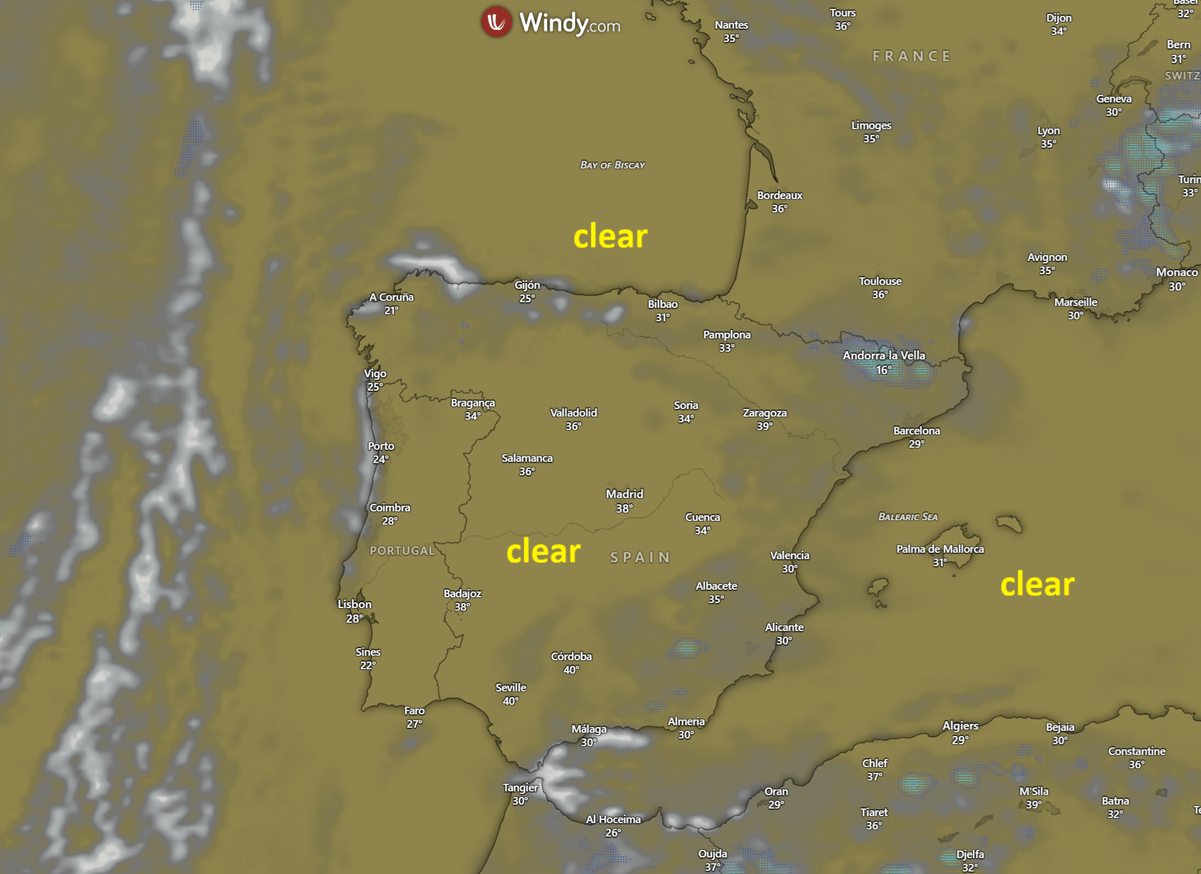
- Spain: As the shadow moves across Spain, the event reaches its peak for millions of residents. In cities such as A Coruña, Zaragoza, and Palma de Mallorca, the sun will be swallowed by the moon, turning afternoon light into a surreal twilight. The partial phase is expected to begin at 19:30 CEST, with totality arriving at 20:26. The duration of darkness will be approximately 1 minute and 45 seconds, shortening slightly as the path exits toward the Mediterranean.
Supporting Data: The Mechanics of the Eclipse
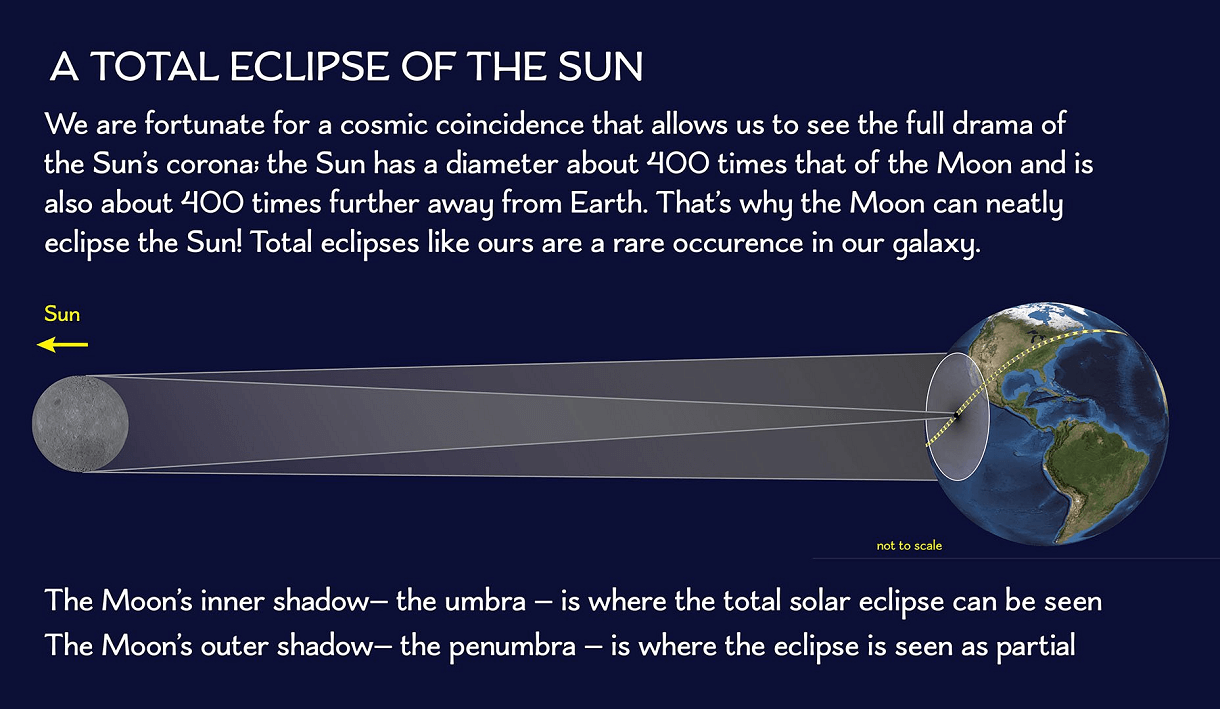
The phenomenon occurs because of a precise cosmic coincidence. While the Sun is 400 times larger than the Moon, it is also approximately 400 times farther away from Earth. This allows the Moon, when in the right orbital position, to perfectly cover the Sun’s disk.
Orbital Dynamics
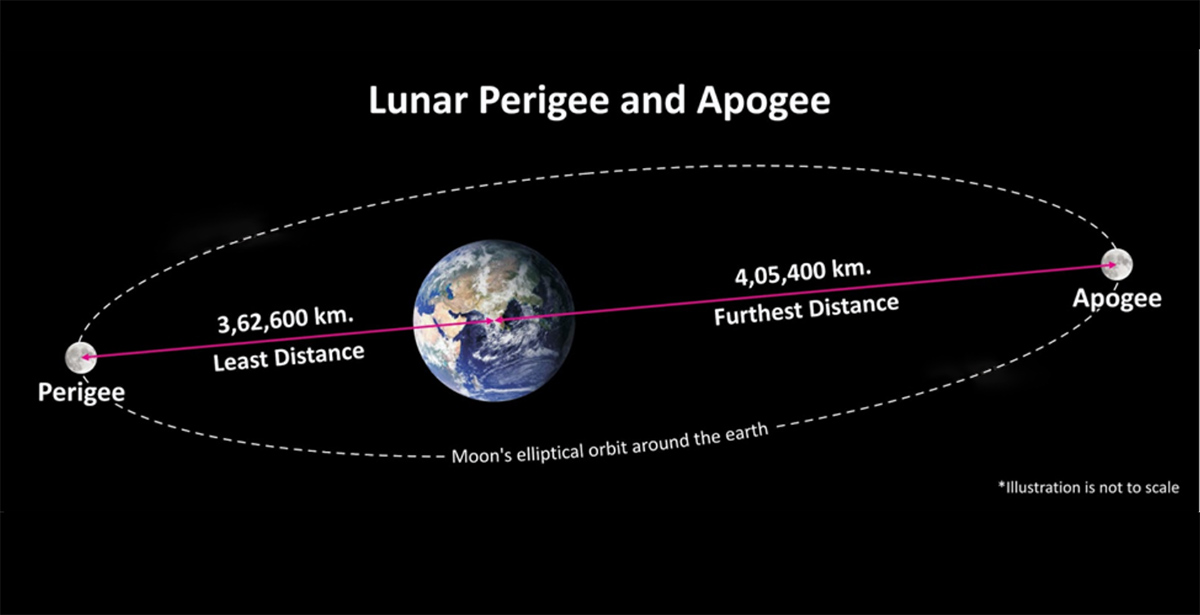
The Moon does not orbit the Earth in a perfect circle, but in an elliptical path. This leads to "Supermoon" (perigee) and "Micromoon" (apogee) events. The 2026 eclipse relies on the Moon’s distance being optimal to achieve the total obscuration of the Sun. Without this precise geometry, we would only witness annular or partial eclipses. The umbra—the inner, darkest part of the shadow—is the only region where the full spectacle occurs. Outside this 165-mile-wide path, observers will experience only a partial eclipse, where the Sun appears as a crescent.
Long-Term Outlook
It is worth noting that total solar eclipses are a temporary feature of our planet’s history. As the Moon slowly drifts away from the Earth at a rate of approximately 3.8 centimeters per year, its apparent size in our sky is diminishing. In about 600 million years, the Moon will be too small to cover the Sun entirely, effectively ending the era of total solar eclipses for future generations.
Implications for Tourism and Infrastructure
The 2026 eclipse is expected to draw millions of spectators to Spain and Iceland, turning quiet parks, mountain passes, and urban centers into bustling observation hubs. Local governments and tourism boards are already preparing for the influx of "eclipse chasers."
Logistical Challenges
- Crowd Control: Major cities in the path of totality, particularly in Spain, are bracing for significant congestion. Transport authorities recommend that observers plan their travel well in advance, as roads and public transportation will likely be pushed to capacity.
- Economic Impact: The hospitality sectors in Iceland and Spain are anticipating a massive surge in demand. Hotels and rental properties along the totality path are expected to reach full occupancy, with many regions organizing public viewing events to manage the crowds safely.
- Safety Protocols: The most critical implication for the public is eye safety. Health organizations are emphasizing that viewing the sun without ISO-certified solar filters can cause permanent retinal damage. The message is clear: never look directly at the sun, even during the partial phases, without proper protection.
Expert Guidance: How to Capture the Moment
For photography enthusiasts, the 2026 eclipse offers a unique challenge. Capturing the Sun requires specialized gear and a disciplined approach.
Technical Recommendations
- Protective Filtration: A solar filter is mandatory for the camera lens at all times except during the brief window of totality. Attempting to photograph the partial phases without a filter will not only ruin the sensor but can be dangerous for the photographer.
- Stability: While the sun is bright, a sturdy tripod is non-negotiable. As the light dims during the eclipse, shutter speeds will slow, making camera shake a major risk to image quality.
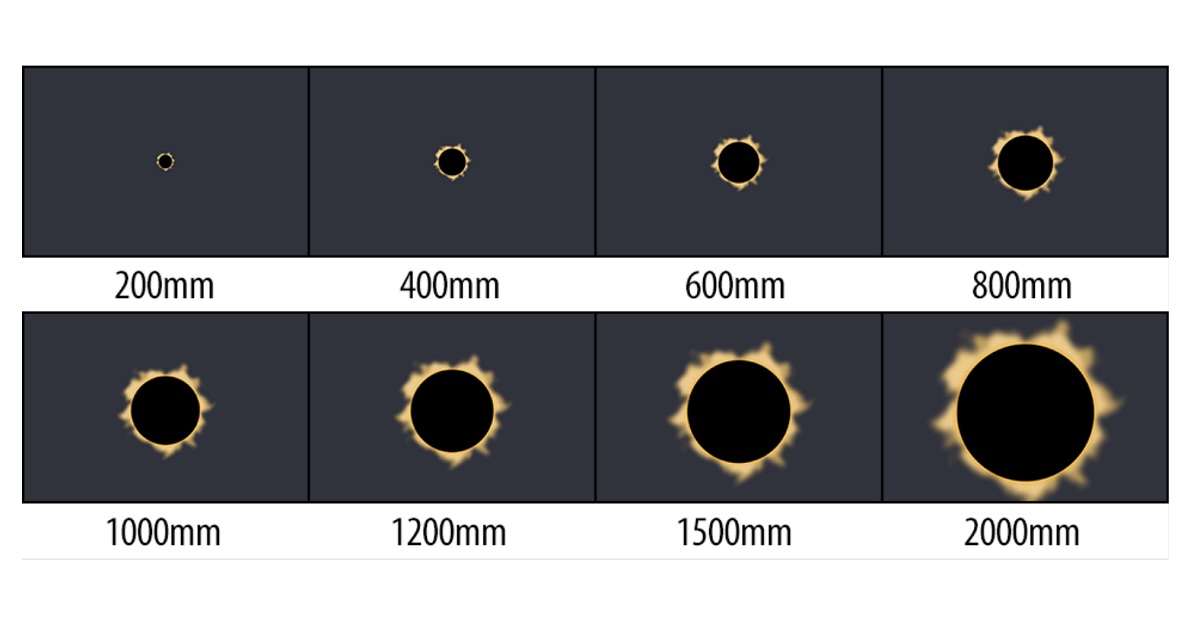
- Focal Length: A lens between 200mm and 600mm is recommended for detailed shots of the Sun. For those wishing to capture the broader landscape as the light changes, an ultra-wide-angle lens (14mm–24mm) can create a stunning composition.
- Remote Triggering: Using a shutter release cable or a smartphone-controlled trigger is highly advised to avoid physical contact with the camera, ensuring maximum sharpness.
Future Outlook and Global Significance
Total solar eclipses occur roughly every 18 months, but they rarely repeat in the same location. This makes the 2026 event a once-in-a-lifetime opportunity for residents of Spain and Iceland.
For those who miss the 2026 spectacle, the next major total solar eclipse is scheduled for August 2, 2027. That event will be particularly noteworthy for its duration, with totality expected to last over six minutes as it travels across North Africa, including parts of Egypt and Libya.
A Reminder on Safety
As we approach August 12, 2026, the global scientific community urges the public to prioritize safety above all else. Whether observing from a crowded city center in Spain or a remote glacier in Iceland, the fundamental rule remains: use eclipse glasses, supervise children, and never use optical devices like binoculars or telescopes without professional-grade solar filters.
The Total Solar Eclipse of 2026 is more than just a passing of shadows; it is a reminder of our place in the solar system. It is a moment for humanity to pause, look upward, and appreciate the complex, clockwork precision of the universe. With careful planning and respect for the mechanics of the event, millions of people across Europe will witness a sight that will stay with them for the rest of their lives.