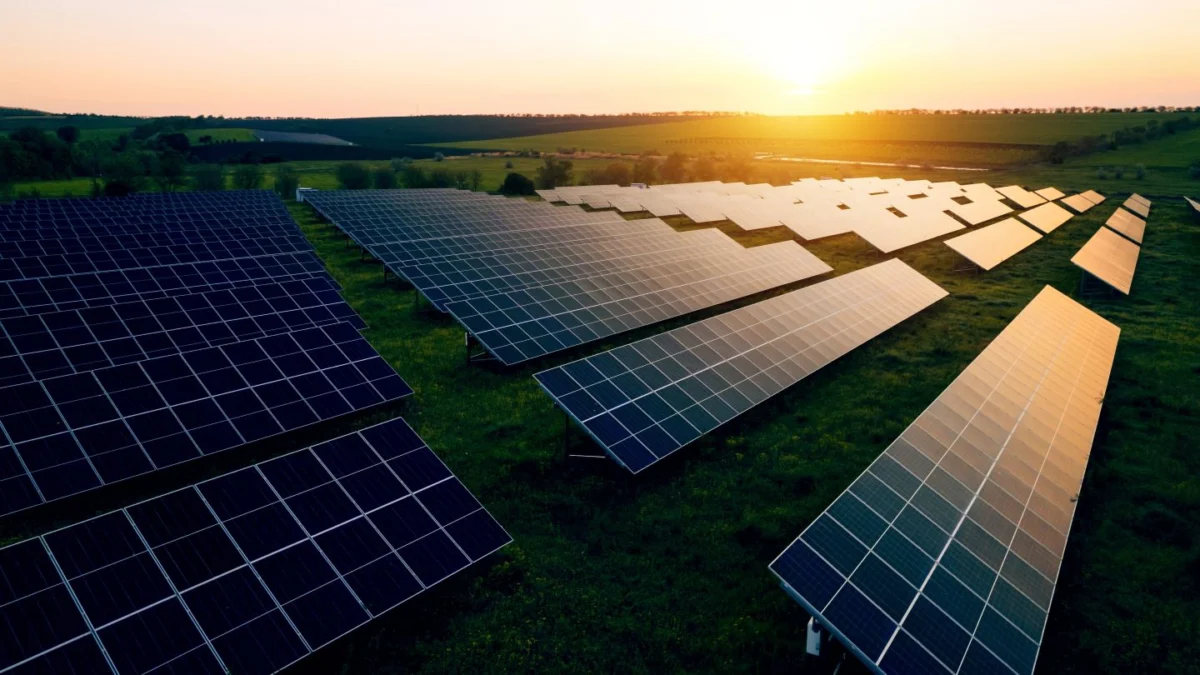
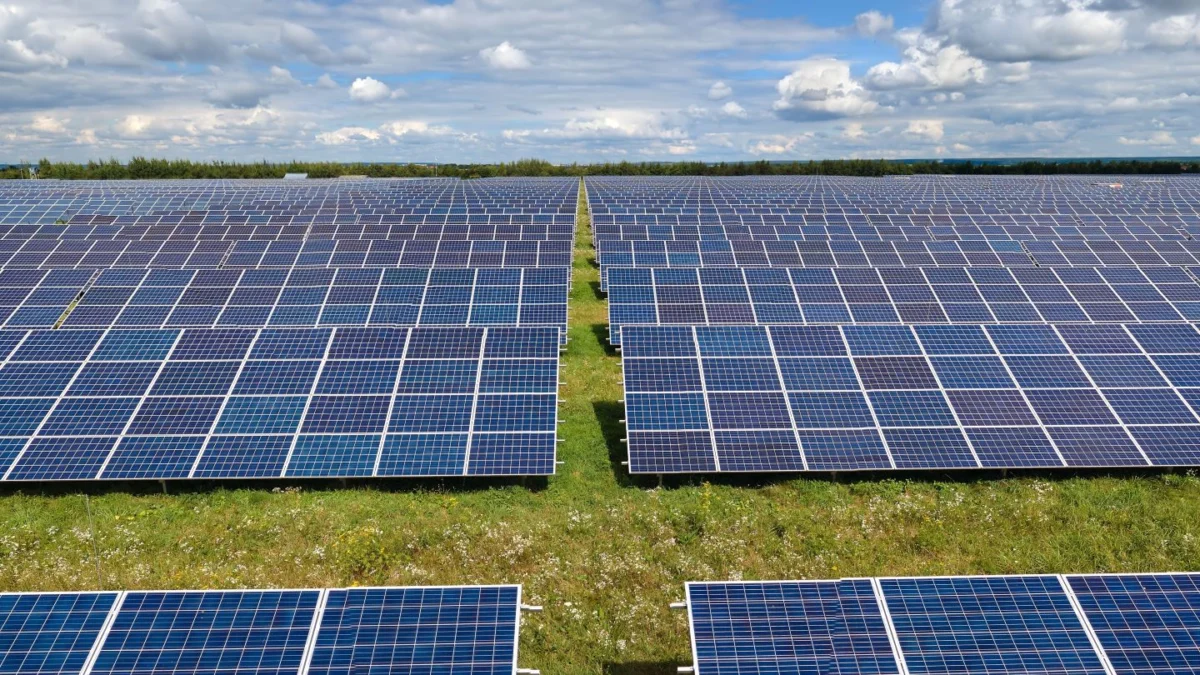
In a significant stride for the United States’ renewable energy infrastructure, Recurrent Energy, a subsidiary of Canadian Solar, has successfully secured $695 million in comprehensive project financing and tax equity. The funding is earmarked for the construction and development of the Cobalt Solar facility, a massive 330MW solar project situated in the high-desert landscape of Riverside County, California.
This financial milestone underscores the growing confidence of major financial institutions in large-scale solar developments as the US pivots toward a decarbonized grid. By leveraging a complex blend of debt and equity instruments, Recurrent Energy is positioning itself to make a substantial contribution to California’s climate goals and the broader national demand for reliable, clean energy.
Main Facts: The Anatomy of the Deal
The $695 million financial package is divided into two primary tranches designed to cover the lifecycle of the project’s construction and early operational phases.
The debt financing, totaling approximately $484 million, was expertly arranged by the Mitsubishi UFJ Financial Group (MUFG) and Nord/LB. This substantial debt facility encompasses a robust suite of financial tools, including construction and term loans, a tax equity bridge loan, and a letter of credit facility. Such a diversified debt structure is essential for navigating the complexities of large-scale energy projects, ensuring liquidity throughout the intensive construction period and into the initial years of commercial operation.
Complementing the debt is a $211 million tax equity investment provided by Wells Fargo. Tax equity remains a cornerstone of renewable energy financing in the United States, allowing developers to monetize federal tax credits—specifically those enhanced by the Inflation Reduction Act (IRA)—to lower the overall cost of capital.
The Cobalt Solar facility, located roughly 20 miles west of Blythe, California, is being developed with the support of Blattner Energy, which has been appointed as the engineering, procurement, and construction (EPC) provider. The project is currently under construction and is strategically slated to commence commercial operations by the end of 2027.
Chronology of Development: From Concept to Construction
The journey of the Cobalt Solar project reflects the typical, yet rigorous, timeline of utility-scale infrastructure in the American Southwest.
- Early Planning and Permitting: Recurrent Energy identified the Riverside County site for its high solar irradiance and proximity to transmission infrastructure. The project underwent rigorous environmental assessments and local permitting processes to ensure compliance with California’s stringent land-use and ecological standards.
- Engineering Selection: With the selection of Blattner Energy as the EPC contractor, the project gained a partner with extensive experience in the logistics and execution of utility-scale solar arrays.
- Financial Close (Q3 2026): The successful closing of the $695 million package marks the transition from pre-development to active, full-scale construction.
- Construction Phase (2026–2027): The ongoing construction phase involves site preparation, the installation of thousands of photovoltaic modules, and the integration of grid-connection infrastructure.
- Anticipated Commercial Operation (Late 2027): The project is on track to begin feeding clean energy into the regional grid by the end of 2027, fulfilling its role as a key contributor to California’s renewable portfolio standards.
Supporting Data: Impact and Economic Contribution
Beyond its capacity to generate 330MW of power, the Cobalt Solar project offers a quantifiable economic and environmental return on investment.
Energy Output and Capacity
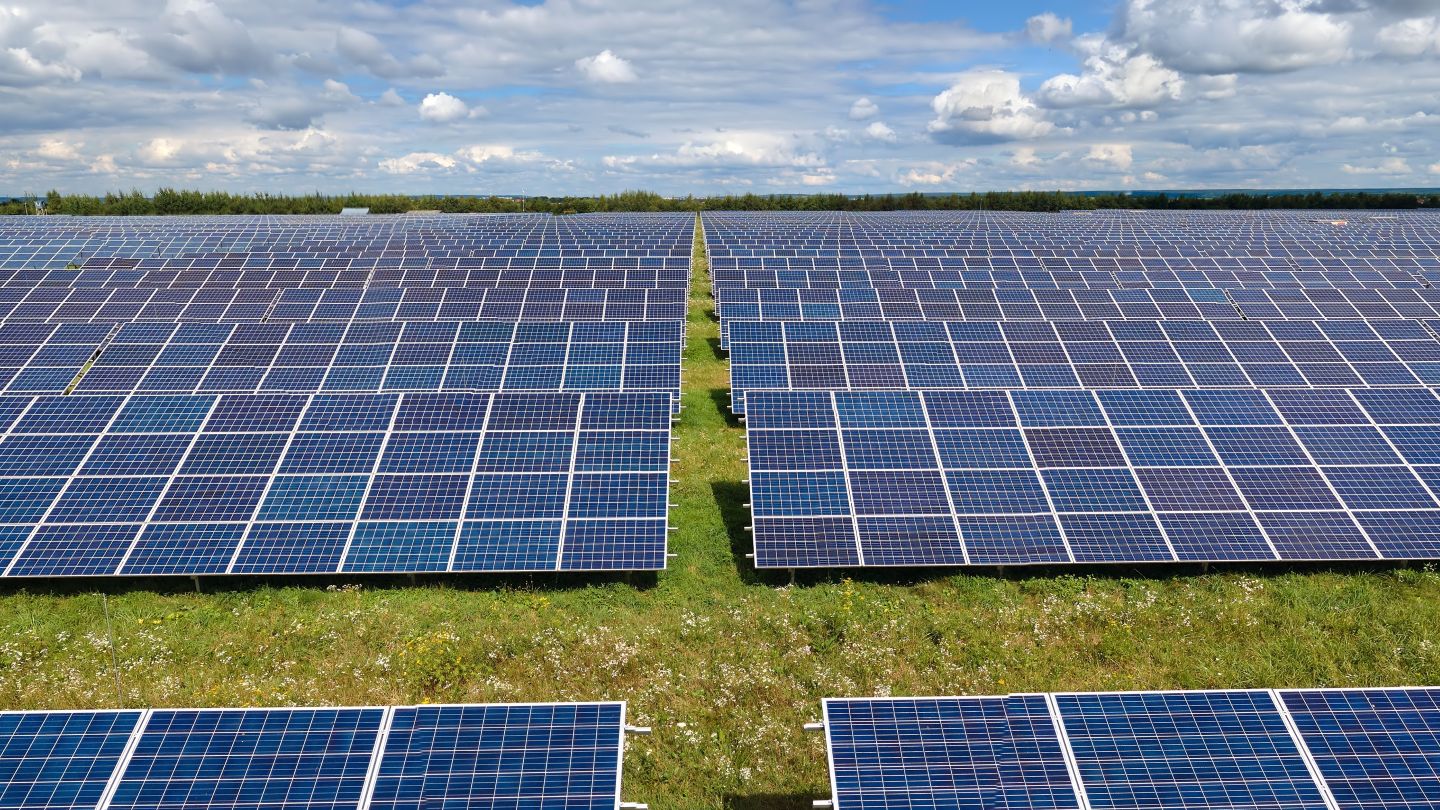
Once fully operational, the facility is projected to generate sufficient electricity to power approximately 82,000 homes annually. By replacing carbon-intensive energy sources, the project will play a critical role in reducing the greenhouse gas emissions profile of the California Independent System Operator (CAISO) grid.
Economic Benefits to Riverside County
The project is not merely an energy asset; it is a fiscal engine for the local community. Recurrent Energy estimates that the Cobalt Solar project will contribute roughly $14 million in property tax revenue to Riverside County over the course of its operational lifetime. These funds provide a vital revenue stream for local public services, education, and infrastructure maintenance, illustrating the positive socioeconomic impact of renewable energy development on rural communities.
Official Responses: Strategic Alignment
The partnership between Recurrent Energy and its financial backers highlights a shared vision for the evolution of the global energy market.
Fred Zelaya, managing director at MUFG, expressed the firm’s commitment to the sector: "MUFG is pleased to support Recurrent Energy as they strive to meet the growing energy demands of the US. We value the opportunity to help Recurrent Energy augment large-scale renewable energy infrastructure and power capacity."
Dylan Marx, CEO of Recurrent Energy, echoed this sentiment, emphasizing the broader significance of the project: "We are thrilled to close the project financing and ramp up construction of Cobalt Solar. This project represents a significant addition to the US energy landscape and will contribute meaningfully to meeting the country’s growing electricity demand. We appreciate the continued support and collaboration of MUFG, Nord/LB, and Wells Fargo in bringing this initiative forward."
Global Context: Recurrent Energy’s Growing Footprint
The Cobalt Solar project is part of a broader, global strategy for Recurrent Energy and its parent company, Canadian Solar. This announcement comes on the heels of another major milestone for the firm: the successful commencement of commercial operations at the Carwarp Energy Park in Victoria, Australia.
The 150MWac Australian facility serves as a testament to the company’s international scalability. Notably, the Carwarp park is supported by a long-term power purchase agreement (PPA) with Microsoft, underscoring the trend of major technology corporations seeking direct renewable energy supply to meet their sustainability commitments. Furthermore, the Carwarp site is future-proofed with approvals to add a 120MW battery storage system, highlighting Recurrent Energy’s shift toward integrating storage solutions to manage intermittency—a strategy they are likely to replicate across their US portfolio.
Implications: The Future of Renewable Financing
The Cobalt Solar project illustrates several key trends in the contemporary energy sector:
- Bankability of Solar: The involvement of major global financial institutions like MUFG, Nord/LB, and Wells Fargo demonstrates that utility-scale solar is now viewed as a mature, bankable asset class. The complexity of the financing structure—blending construction debt with tax equity—reflects a sophisticated understanding of risk mitigation in the renewable sector.
- The Role of Storage and Integration: As seen in their Australian operations, the integration of energy storage is becoming a critical component of renewable projects. While Cobalt Solar focuses on generation, the industry trend suggests that future expansions or similar projects will increasingly rely on battery systems to provide grid stability.
- Regional Economic Integration: The $14 million tax contribution highlights how renewable developers are increasingly focusing on the "Social License to Operate." By aligning project success with local fiscal health, developers like Recurrent Energy are building more resilient projects that enjoy deeper community support.
- Meeting Electrification Demands: With the rise of electric vehicles, data centers, and industrial electrification, the demand for electricity is reaching historic highs. The 330MW capacity of the Cobalt project is a necessary building block for the localized capacity increases required to sustain the US economy’s transition to electrification.
As the US continues to navigate the complexities of grid modernization and decarbonization, projects like Cobalt Solar provide the template for success. By combining technical expertise, robust financial partnerships, and a clear focus on long-term economic and environmental benefits, Recurrent Energy is helping define the next generation of energy infrastructure. The completion of this facility in late 2027 will not only mark the end of a construction project but the beginning of decades of sustainable, reliable power for thousands of California residents.