By Ben Emanuel | July 31, 2026
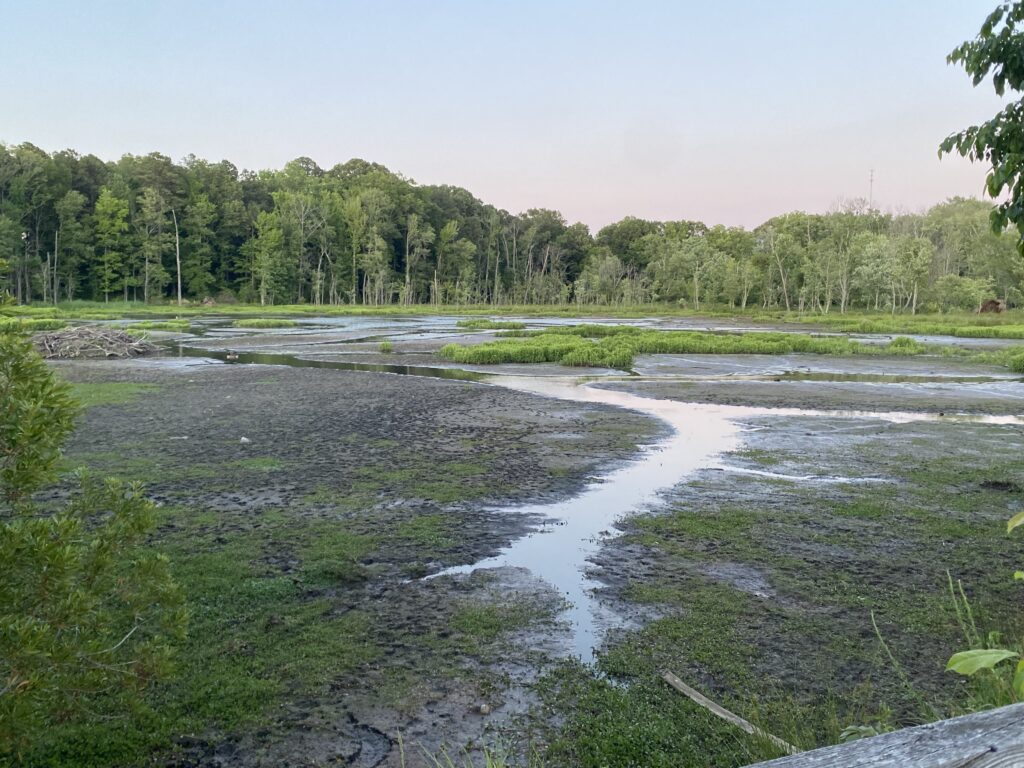
While the blistering heat waves of 2026 have dominated national headlines, a quieter, more insidious threat is unfolding across the American Southeast. Behind the record-breaking temperatures lies a severe, multi-state drought that is fundamentally altering the landscape, straining municipal water supplies, and pushing river ecosystems to the brink of collapse. As of late July, large swaths of the region are grappling with hydrological deficits that threaten not only the immediate health of aquatic life but the long-term water security of millions of residents.
The State of the Watershed: Main Facts
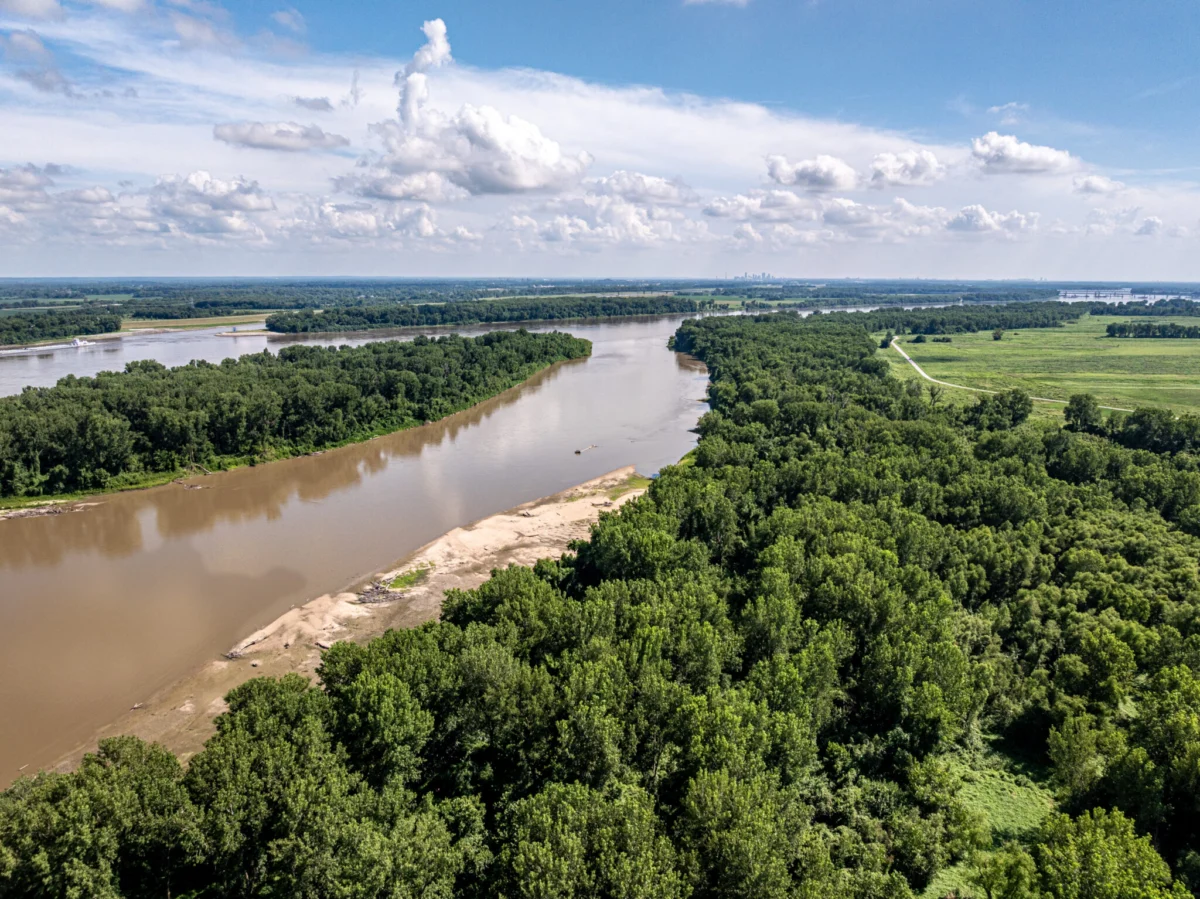
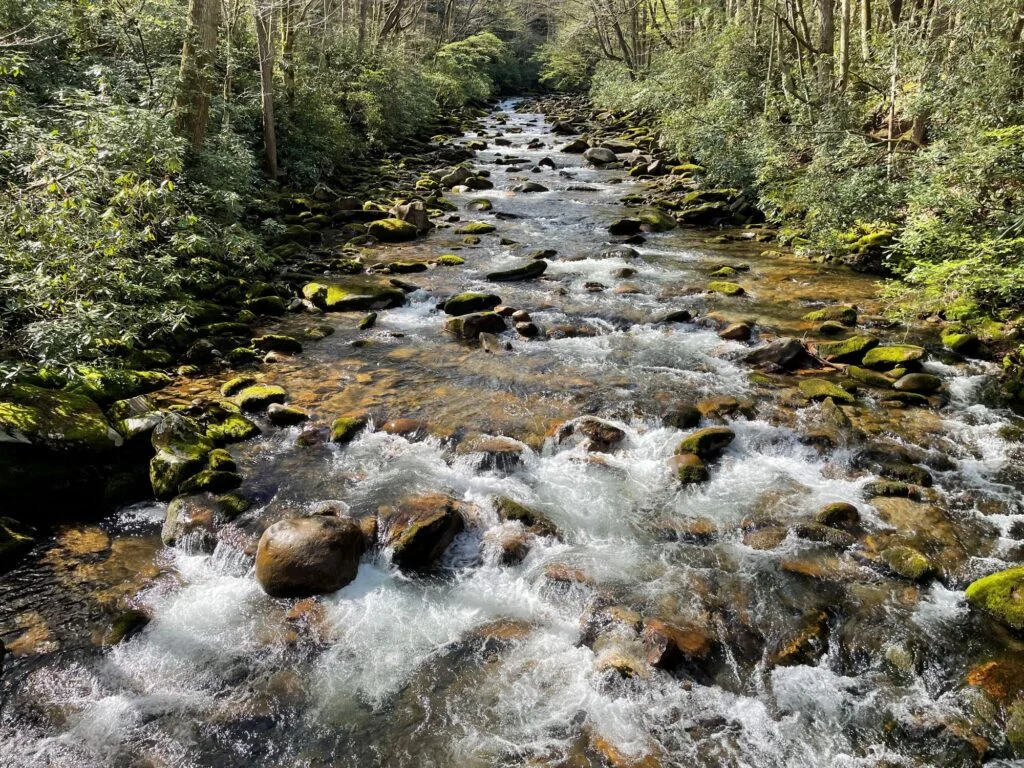
The current drought is not merely a localized event; it is a systemic failure of water availability that has been months in the making. According to the U.S. Drought Monitor, North Carolina remains at the epicenter of the crisis, with significant portions of the state languishing in "severe" or "extreme" drought conditions. River and stream flows across much of the state have plummeted to near-record lows.
In hydrological terms, a drought is rarely a single-season phenomenon. It is a debt that the landscape incurs over time. While the public typically notices drought when grass turns brown or water restrictions are enacted, the true damage is happening beneath the surface, in the aquifers and baseflows that sustain our rivers during the hottest months. When rainfall fails to materialize during the critical winter and spring recharge periods, the "water budget" for the entire year is compromised before the first heat wave even hits.
Chronology of a Developing Disaster
To understand the current crisis, one must look back at the climatic precursors that set the stage for this summer’s struggle:
- The Winter Deficit: The crisis began not with the summer heat, but with an abnormally dry winter. Winter is the primary season for recharging the groundwater that feeds streams and rivers throughout the year. The lack of precipitation during these months meant that by the time spring arrived, the Southeast was already operating at a water deficit.
- The Spring Intensification: Historically, spring is a period of significant rainfall in the Southeast. However, in 2026, the region saw an intensification of drought conditions during these vital months, rather than the expected replenishment. This unexpected dryness effectively "baked" the soil, leaving it unable to absorb the sparse rains that did occur.
- The Summer Tipping Point: By June 2026, the cumulative effect of the winter and spring dryness, coupled with rising temperatures, pushed the region into a critical state. As of late July, the combination of high demand and low supply has left water managers in a state of high alert.
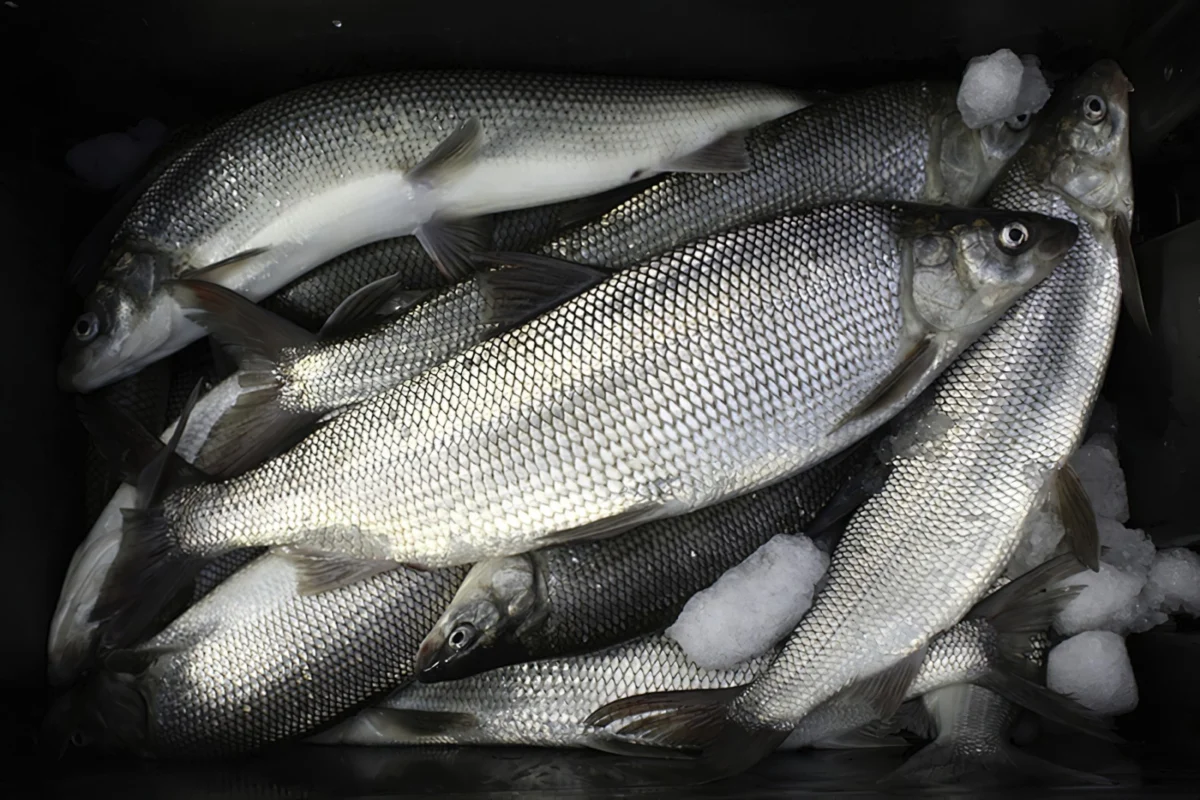
- Weather Whiplash: The volatility of the current climate is further evidenced by "weather whiplash." In areas like Atlanta, the transition from drought to sporadic, intense storm events has created dangerous ecological side effects. These rapid shifts are believed to be a contributing factor to the recent, devastating fish kills in the Chattahoochee River, as sudden runoff flushes pollutants into oxygen-starved, low-flow waterways.
Supporting Data and Ecological Implications
The impact of this drought on natural systems is profound. When river flows drop early in the season and remain depressed, the ecological "buffer" that protects fish and wildlife evaporates.
The Ecosystem at Risk
Rivers are resilient by nature, but they have limits. When we exacerbate natural drought conditions by drawing excessive water for agricultural, industrial, or municipal use, or by paving over the landscapes that naturally replenish groundwater, we strip rivers of their ability to recover.
Low-flow conditions lead to:
- Concentrated Pollutants: With less water to dilute runoff and wastewater, the concentration of pollutants increases, creating toxic environments for aquatic life.
- Thermal Stress: Shallower, slower-moving water heats up faster, reducing dissolved oxygen levels—a lethal combination for many native fish species.
- Habitat Fragmentation: Reduced water levels can isolate populations of fish and amphibians, preventing them from accessing breeding grounds or food sources.
The Human Toll
The impact extends well beyond the riverbank. Communities that rely on surface water face the dual threat of reduced volume and degraded water quality. As reservoirs dip, the cost of treating water rises, and the potential for mandatory, severe water restrictions grows. Furthermore, the loss of consistent river flow has effectively canceled many recreational activities, dealing a blow to the local economies that rely on tourism and outdoor activity.
Official Responses and Strategic Management
Water utilities and state agencies are currently navigating a complex balancing act. The lesson from the 2026 drought is that reactive management is no longer sufficient.
American Rivers and other environmental stakeholders are advocating for a paradigm shift: "Efficiency First." This approach prioritizes the conservation of existing supplies over the construction of costly, environmentally damaging new infrastructure.
Key strategies currently under discussion include:
- Smart Infrastructure Planning: Rather than viewing rivers as mere "pipes" for human consumption, planners are being urged to adopt infrastructure that protects natural flows. This includes restoring floodplains and wetlands, which act as natural sponges that release water slowly during dry periods.
- Proactive Drought Mitigation: The most critical lesson is that we must plan for drought when we are not in a drought. This involves creating flexible, river-friendly policies that trigger conservation efforts early and protect environmental flows as a priority.
- Community-Level Conservation: While infrastructure is key, individual consumption remains a pillar of resilience. Fixing leaky municipal pipes, reducing outdoor irrigation, and rethinking landscaping in the Southeast are essential steps to stretching the limited water supply.
The Intersection of Growth and Climate
The urgency of this situation is compounded by the rapid socio-economic transformation of the Southeast. The region is experiencing unprecedented population growth, an expansion of urban sprawl, and a surge in energy demand—including the intensive water requirements of modern data centers.
These competing demands place an enormous burden on freshwater resources that are already under stress from a changing climate. The "data center boom," for example, requires significant amounts of water for cooling, often in areas where water security is already in question. As we look to the future, the integration of these industries into the regional water footprint will be one of the most significant challenges for policymakers.
Conclusion: A Call for Resiliency
The 2026 drought serves as a stark reminder of the delicate balance between human progress and the natural world. Rivers are the lifeblood of the Southeast, but they are not infinite resources. They are dynamic systems that require thoughtful stewardship, especially as the climate becomes more erratic and our demands upon them continue to escalate.
We have reached a juncture where the status quo is no longer tenable. Protecting our rivers means more than just saving fish; it means securing the water that fuels our communities, our economy, and our future. Whether through aggressive water conservation, smarter urban development that prioritizes permeable landscapes, or infrastructure that works with, rather than against, the natural flow of our watersheds, the time to act is now.
Drought, while natural, is being amplified by our actions. If we are to ensure that the Southeast remains a vibrant, habitable region, we must transition from a mindset of exploitation to one of stewardship. The health of our rivers in 2026 will determine the quality of life for the generations that follow. It is a long road to recover from a drought, but the path forward must be paved with sustainability, conservation, and a deep respect for the rivers that sustain us all.