In an era defined by the frantic global transition toward decarbonization and the mounting demand for reliable, dispatchable power, German energy titan RWE has emerged as a bellwether for the industry. Reporting a robust financial performance for the first half of 2026, the company has not only exceeded market expectations but has also solidified its position as a diversified powerhouse capable of navigating the complex interplay between renewable expansion, grid infrastructure, and the necessity for flexible, thermal backup.
The financial results for the six months ending June 30, 2026, paint a picture of a company in high gear. With adjusted earnings before interest, taxes, depreciation, and amortization (EBITDA) hitting €3bn ($3.47bn)—a sharp climb from the €2.1bn recorded in the same period last year—RWE is signaling that its aggressive pivot toward a sustainable portfolio is beginning to yield significant capital dividends.
Main Facts: The Financial Momentum
The headline figures for H1 2026 are underpinned by a broad-based improvement across almost all business segments. Adjusted net income soared to €1.3bn, nearly doubling from the €800m reported in the first half of 2025. Consequently, adjusted earnings per share (EPS) saw a commensurate jump, rising from €1.08 to €1.77.
This financial leap comes on the heels of a strategic decision in July 2026, when RWE leadership proactively increased its earnings guidance for the remainder of the year and into 2027. This decision, backed by a stronger-than-anticipated operating performance, suggests a confidence in the company’s ability to maintain this trajectory despite the inherent volatility of energy markets.
The growth is not merely organic; it is structural. By integrating a vast array of assets—including offshore and onshore wind, solar, utility-scale battery storage, and an agile energy trading arm—RWE has created a balanced ecosystem that hedges against regional weather anomalies and price fluctuations.
Chronology: The Path to Mid-Year Success
The success of the first half of 2026 is the culmination of long-term strategic planning that began to accelerate in mid-2025.
- June 2025 – May 2026: RWE embarked on a massive capacity expansion, adding 2.6GW of new generation capacity to its global fleet. This phase was characterized by the integration of state-of-the-art offshore wind farms and grid-scale battery storage units.
- July 2026: Following a review of the H1 performance, the executive board announced an upward revision of the fiscal guidance for 2026 and 2027, reflecting the strong operational tailwinds.
- June 30, 2026: The close of the reporting period marked the milestone of a nearly 41GW total portfolio, comprising renewables, flexible generation, and advanced storage solutions.
- Ongoing (Post-H1 2026): RWE continues to advance the construction of an additional 10.3GW of capacity, ensuring a pipeline that will sustain its growth narrative well into the next decade.
Supporting Data: Dissecting the Segments
The strength of RWE’s portfolio lies in its segment-by-segment resilience.
Offshore Wind
The offshore division reported an EBITDA of €810m, up from €643m in the previous year. This improvement is largely attributed to a recovery in wind conditions across Northern Europe. After a notably weak start to 2025, the return to more favorable wind speeds highlights the necessity of long-term climate monitoring in asset management.
Onshore Wind and Solar
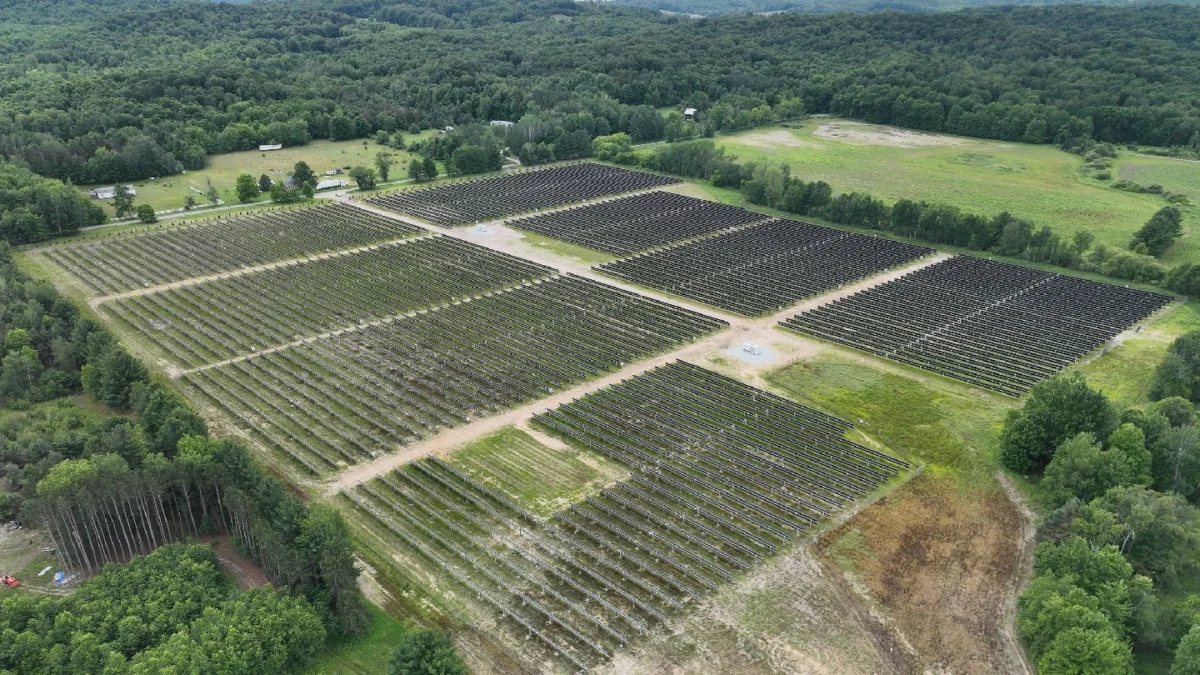
This segment saw earnings climb to €1.02bn, compared to €830m in H1 2025. The expansion of the asset base, coupled with operational efficiencies, allowed RWE to capture more value from the surging demand for green electricity across the European grid.
Flexible Generation
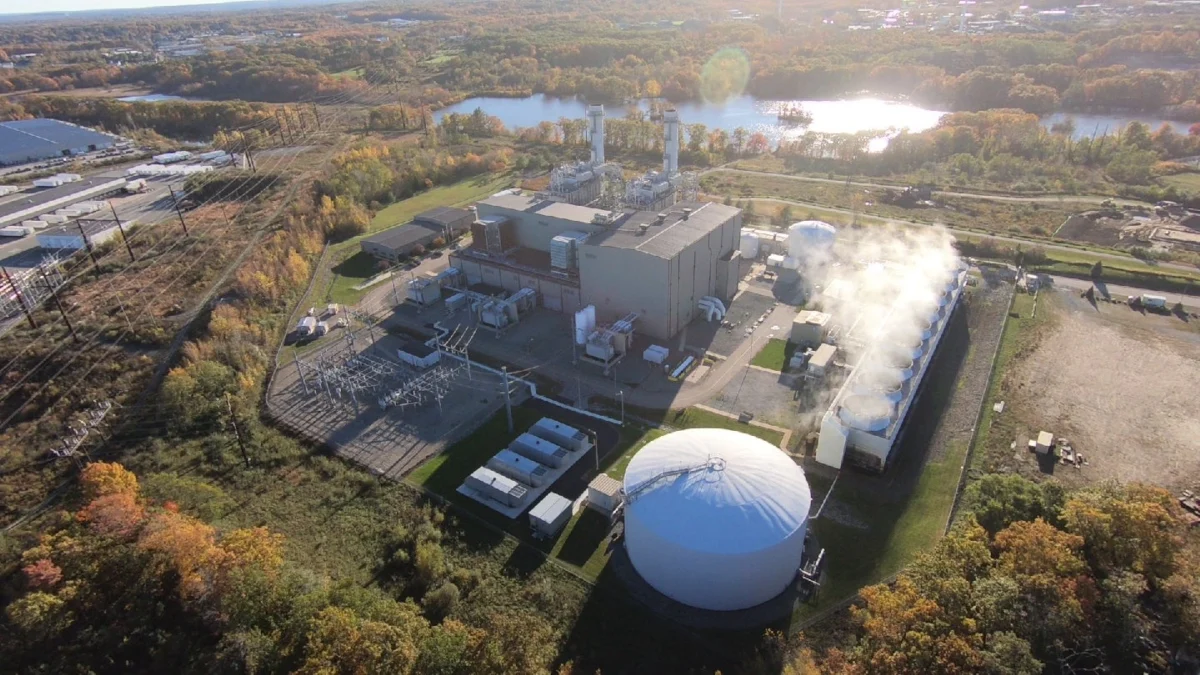
Perhaps the most significant turnaround occurred within the Flexible Generation segment, where EBITDA jumped from €606m to €1.03bn. This segment is critical to the grid’s stability, providing "dispatchable" power when intermittent renewables are unavailable. A key contributor to this figure was a €332m compensation payment from the Dutch government, resolving long-standing losses associated with government-mandated restrictions on coal-fired generation at the Eemshaven plant in 2022. Additionally, higher capacity-market revenues in the UK provided a steady income floor, proving the value of maintaining a diverse, dispatchable fleet.
Trading
After a lackluster performance in the previous cycle, RWE’s trading arm saw a massive rebound, generating €134m in EBITDA compared to a mere €16m previously. This recovery underscores the unit’s ability to navigate volatile wholesale markets and manage risk effectively in an increasingly complex energy landscape.
Official Responses and Strategic Vision
CEO Markus Krebber, in his address to shareholders and analysts, characterized the results as a validation of the company’s "platform for long-term earnings growth." He emphasized that the current financial strength is not an end in itself but a foundation for further investment.
"With total net investments of €42bn through to 2031, we will consistently capitalize on these opportunities in a value-accretive way," Krebber stated.
The company’s investment strategy is perhaps its most ambitious undertaking to date. In the first half of 2026 alone, RWE deployed €6.3bn in net investments. This figure is set to climb as the company solidifies its position in critical infrastructure, specifically through its increased ownership of the transmission operator Amprion. As a result, the full-year net investment forecast has been adjusted upward to a range of €9bn–€11bn, a significant increase from the original projection of €6bn–€8bn.
Despite this heavy capital expenditure, the company’s balance sheet remains robust. Net debt stood at €15bn at the end of June, and management expects its leverage ratio to remain comfortably below the target range of 3–3.5 times, providing the firm with ample liquidity to weather potential economic headwinds or pursue strategic acquisitions.
Implications: The Future of Energy Infrastructure
RWE’s H1 2026 performance offers three vital lessons for the global energy sector:
1. The Necessity of Flexibility
The sharp increase in earnings from "Flexible Generation" proves that while the world is moving toward a net-zero future, thermal and flexible assets remain the backbone of energy security. The ability to pivot these assets to provide grid stability while transitioning away from legacy fuels is a core competency that differentiates RWE from pure-play renewable companies.
2. Infrastructure as the New Frontier
The increased investment in Amprion highlights a fundamental reality: the energy transition is limited by grid capacity. By investing in transmission infrastructure, RWE is ensuring that its own generation capacity—and the capacity of the broader market—can actually reach the end consumer. This vertical integration is a masterstroke in mitigating the risks of renewable curtailment.
3. Diversification as a Risk Hedge
By operating across offshore, onshore, solar, battery, and trading, RWE has insulated itself against the "single point of failure" risk. When wind speeds are low, solar and flexible generation compensate; when commodity prices are volatile, the trading desk manages the exposure.
As RWE looks toward 2031, its trajectory suggests that the winners of the energy transition will be those that do not simply build the most turbines, but those that build the most comprehensive, secure, and flexible energy systems. The company has moved from being a traditional utility to a sophisticated energy manager, and if its H1 2026 results are any indication, the model is not only sustainable—it is highly profitable.