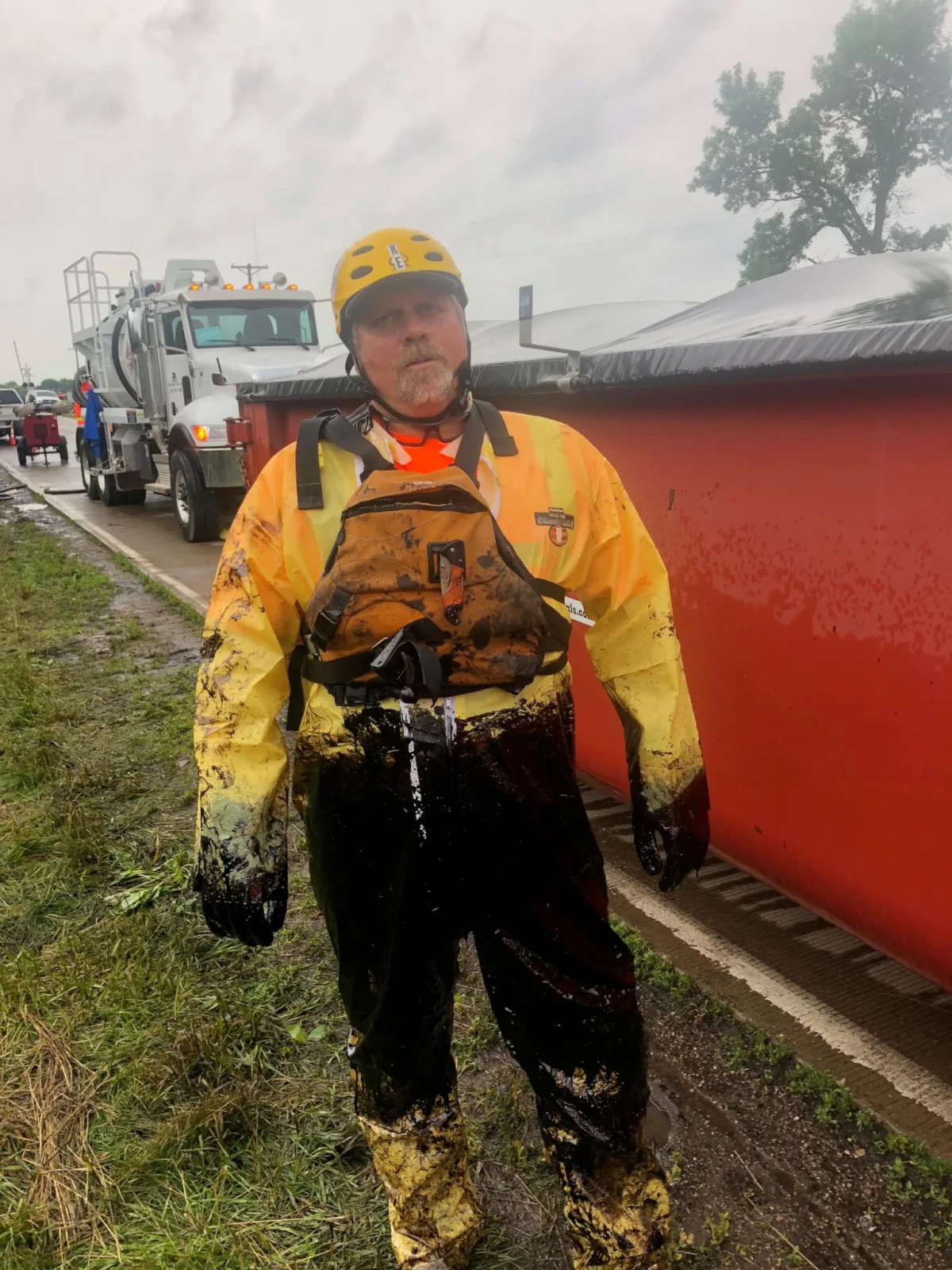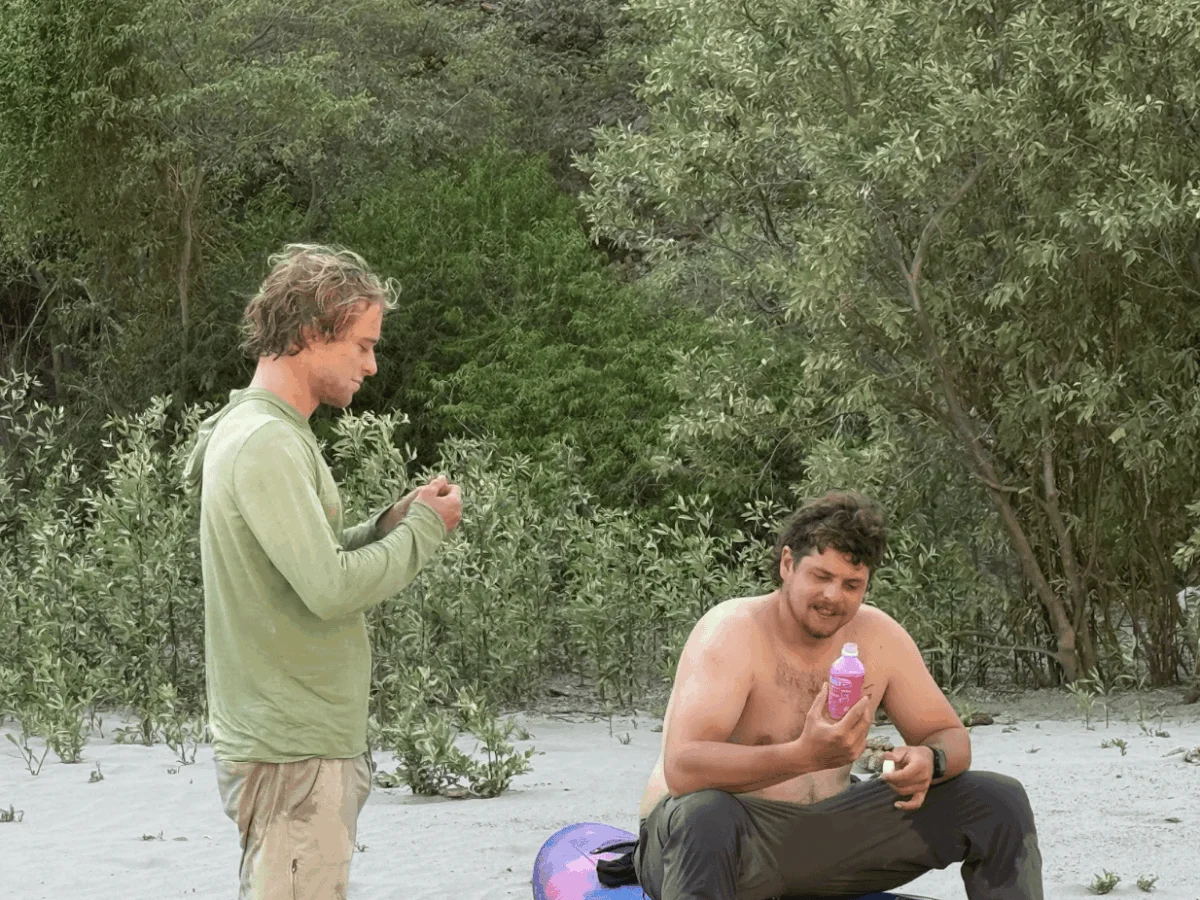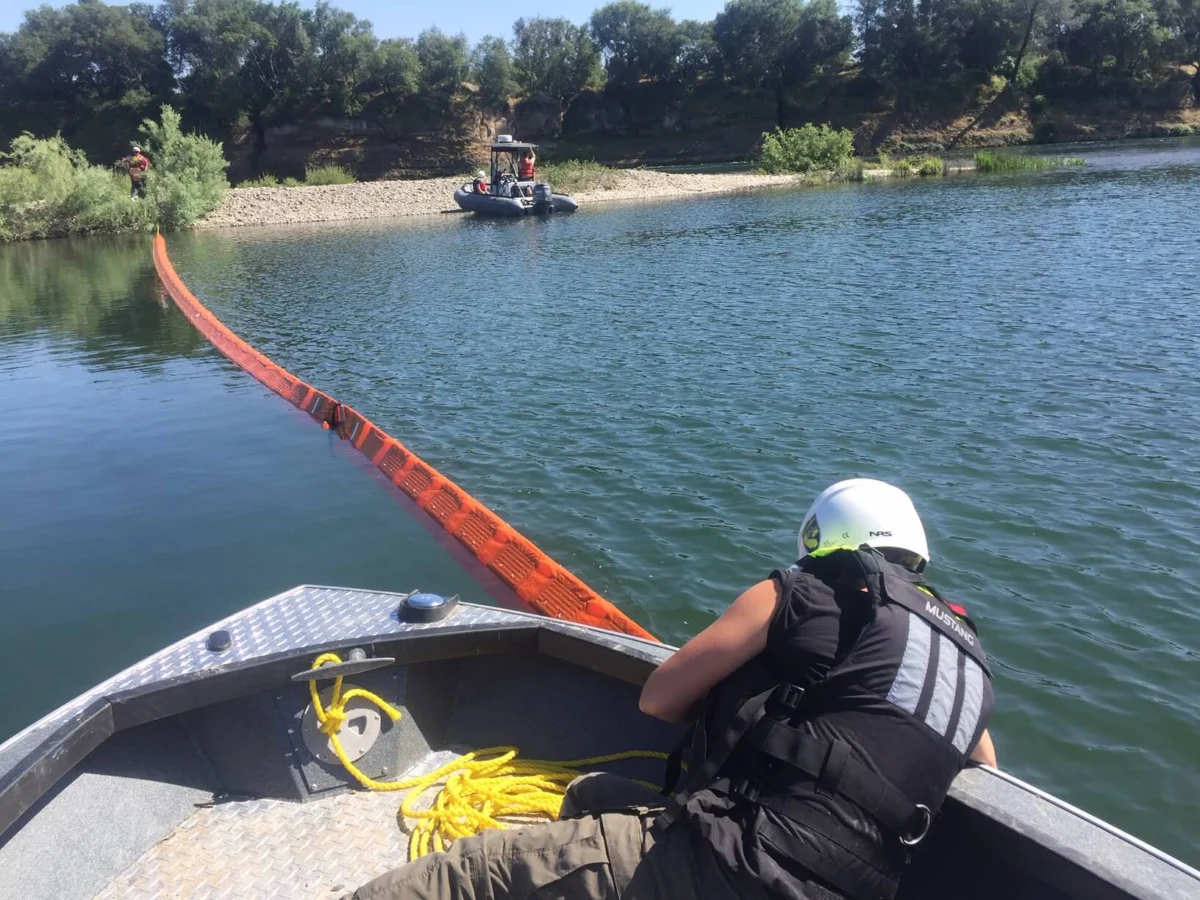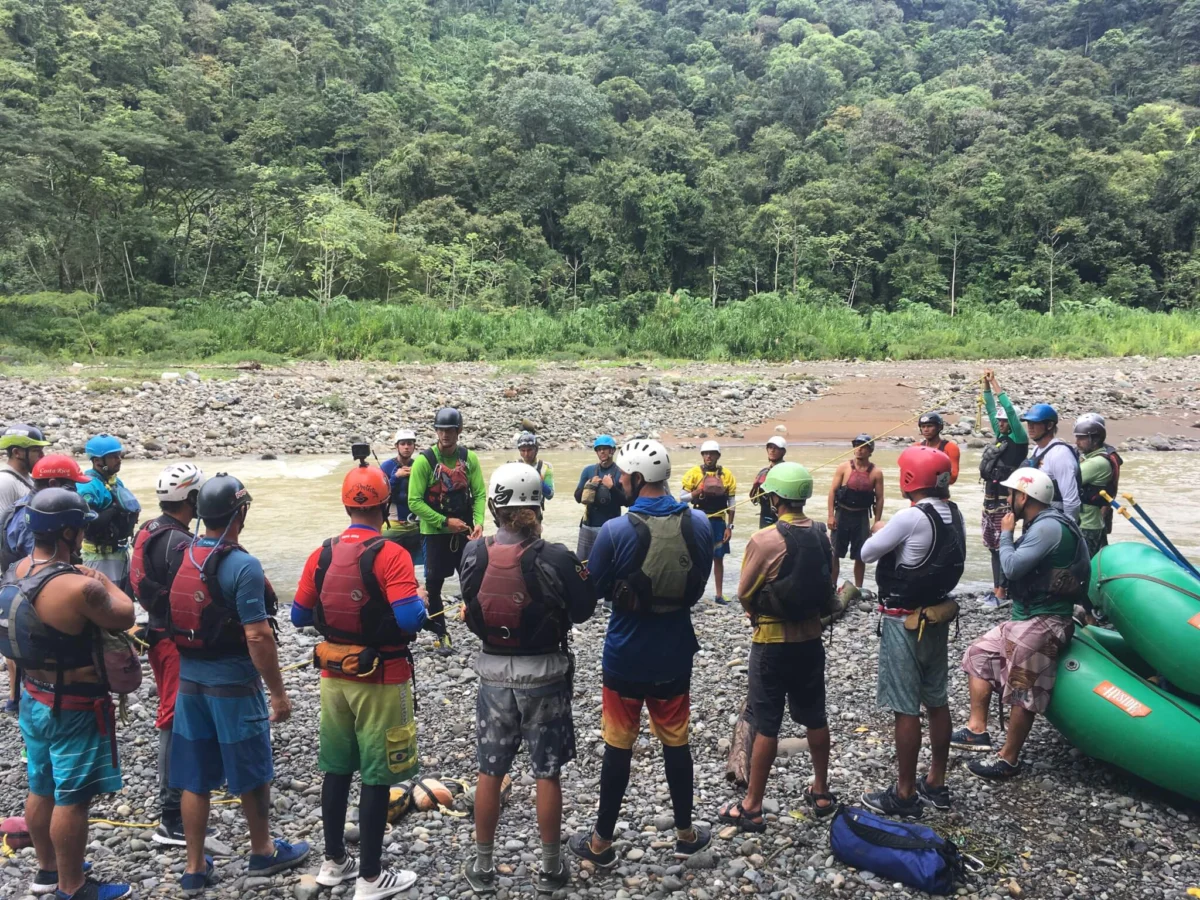
In the rugged, tropical landscapes of Costa Rica, where the river systems are as powerful as they are pristine, the margin for error in commercial rafting is razor-thin. Recently, instructors from the Whitewater Rescue Institute (WRI) concluded an intensive five-day specialized training program, equipping 50 of the country’s most seasoned rafting guides with advanced swiftwater rescue protocols.
This initiative, which spanned the urban logistics hubs of Quepos to the technical, churning waters of the Rio Savegre, serves as a masterclass in global professional development. By bridging the gap between local expertise and international safety standards, the program underscored a fundamental truth of the river industry: professional excellence is not a destination, but a continuous process of preparation, communication, and technical rigor.
The Core Objective: Bridging the Gap
The partnership between the Whitewater Rescue Institute and the local Costa Rican guiding community was born of necessity. While Costa Rican guides possess an intuitive understanding of their home rivers, they often operate in remote environments where traditional emergency infrastructure—such as reliable cellular service, rapid-response medical evacuation, and high-tech search-and-rescue support—is either limited or non-existent.
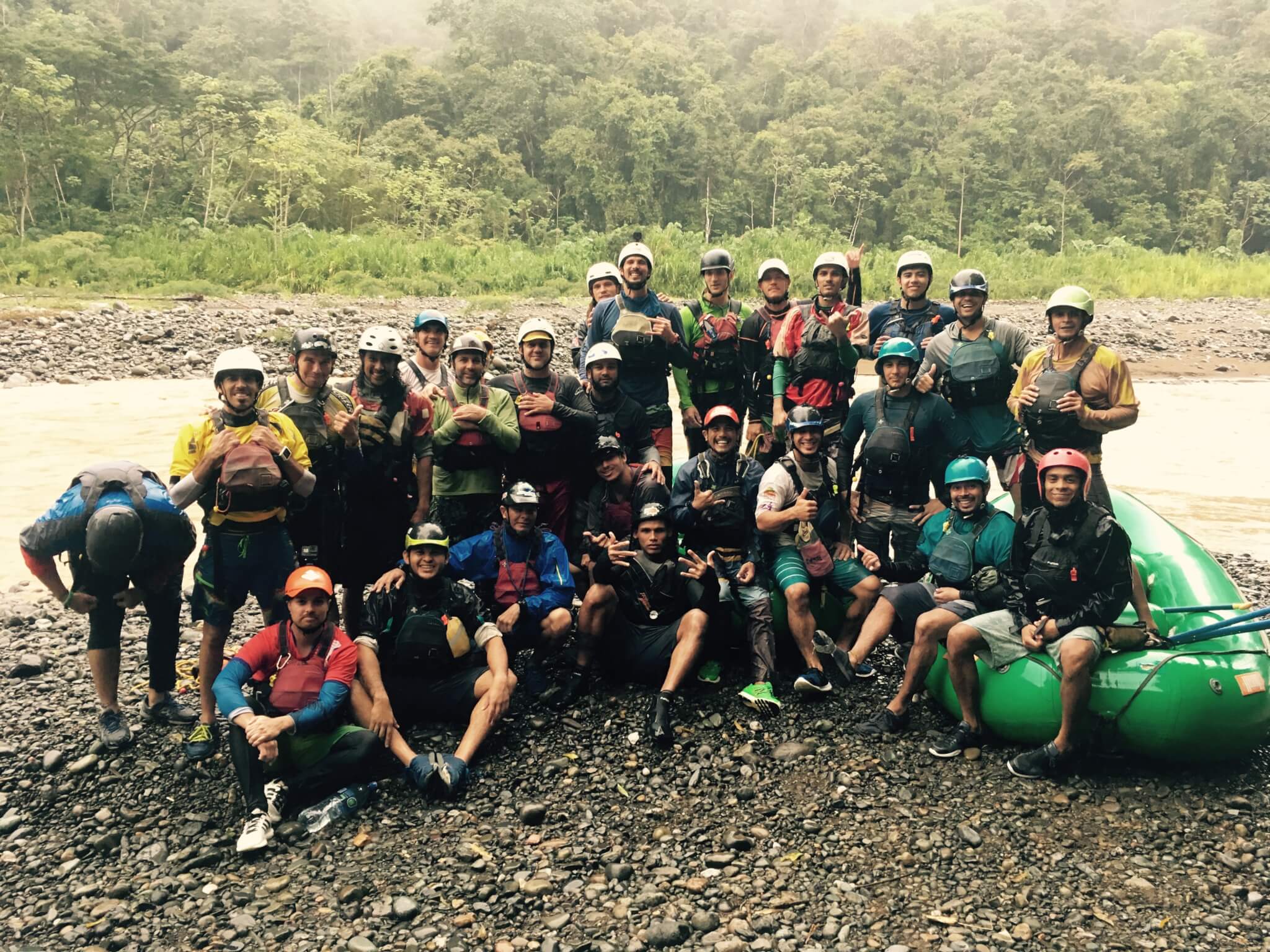
The WRI training sought to formalize the “Four Phases of Rescue”: Locate, Access, Stabilize, and Transport. By teaching guides to standardize these phases, the curriculum aimed to transform individual skill sets into a cohesive, synchronized team response.
A Five-Day Chronology of Technical Immersion
Day 1: Foundational Theory and Risk Management
The training opened in Quepos, where instructors Paul Heffernan and his colleagues set the stage. The focus was on the psychology of rescue: situational awareness, the Incident Command System (ICS), and the necessity of designating a clear team leader. In the absence of external emergency support, the guide becomes the primary responder, the medic, and the incident commander simultaneously.
Days 2-3: Skill Development and Hydrology
Moving to the Rio Savegre, the curriculum shifted to the water. Guides engaged in aggressive and defensive swimming drills, mastering the art of navigating hydraulic features and recirculating currents. This section emphasized the "Progression of Risk"—the Hello, Reach, Throw, Row, and Tow methodology—which prioritizes the safety of the rescuer before any attempt is made to reach the victim.

Days 4-5: High-Fidelity Scenarios
The final two days were the crucible of the training. Instructors simulated complex, multi-victim accidents that forced teams to manage not just the water, but the medical and logistical fallout of an injury. Using mechanical advantage systems (Z-drags), knot-tying, and hasty search techniques, the guides practiced the delicate balance of technical rigging while maintaining constant scene containment.
Supporting Data: Why Specialized Training Matters
The necessity of this training is backed by the realities of river-based tourism. In remote stretches of the Rio Savegre, the "Golden Hour"—the critical window of time following a traumatic injury—is often impossible to meet with standard transport.
- Communication Hurdles: The training highlighted that in many remote canyons, radio and cell communication fails. Guides were taught to rely on whistle signals and non-verbal hand communication, ensuring that a rescue operation can continue even when the primary link to the outside world is severed.
- The Multi-Victim Variable: Most rescue protocols are designed for a single swimmer. By introducing scenarios involving multiple injured passengers, the program forced a shift toward triage, forcing guides to weigh the risks of stabilizing a victim in situ versus the hazards of moving them through complex whitewater.
Professional Perspectives and Industry Insights
The interaction between the WRI instructors and the Costa Rican guides was a two-way street of professional growth. The local guides, who often work year-round on these rivers, brought an unmatched knowledge of local river behavior, while the WRI team provided the global best practices for risk mitigation.

"We have learned by teaching around the world that preparing for the worst-case scenario often leads to a more preventative approach," said the WRI lead instructor. This "proactive vs. reactive" mindset is the hallmark of a world-class guide. When a guide understands exactly how a mechanical advantage system works, they are more likely to rig their gear preventatively to avoid a boat pin in the first place.
The Role of the Incident Command System (ICS)
One of the most significant takeaways was the adoption of the ICS model. In a chaotic river rescue, the tendency for guides is to act individually. The training demonstrated that without a designated "Incident Commander" to oversee the operation, even the most skilled rescuers can inadvertently create more hazards. Identifying a leader allows the remaining team members to focus on specific, manageable tasks, such as downstream safety, victim medical care, or logistics for extraction.
Implications for the Future of Costa Rican Tourism
The implications of this training extend far beyond the five days spent on the Rio Savegre. As Costa Rica continues to solidify its reputation as a premier destination for adventure tourism, the professionalization of its guide workforce becomes a cornerstone of its economic stability.

Enhancing Safety Culture
By embedding high-level medical and rescue training into the standard operating procedure, these rafting companies are elevating their brand. Tourists are increasingly savvy; they value operators who can demonstrate not just a fun day on the river, but a robust safety plan.
A Model for Global Collaboration
This program serves as a blueprint for how international expertise can partner with local knowledge to solve regional logistical challenges. Rather than imposing a "one-size-fits-all" solution, the WRI instructors tailored their teaching to the specific equipment, river types, and environmental limitations of the Costa Rican landscape.
Closing Reflections: The Spirit of Pura Vida
The training concluded with a profound sense of camaraderie. The partnership between the WRI and local outfitters—including Amigos del Rio, Pro Rafting, Unique Tours, and H2O Adventures—demonstrated that the spirit of Pura Vida (the pure life) is rooted in the respect for the power of the river and the dedication to one another’s safety.

As these 50 guides return to their respective companies, they carry with them more than just new techniques for setting anchors or swimming rapids. They carry a sharpened sense of situational awareness and a refined ability to act with purpose under pressure.
In the world of swiftwater rescue, you are only as strong as your weakest link. By investing in the collective skill of their guides, the Costa Rican rafting industry has ensured that their strongest link is their commitment to professional, life-saving standards. The river will always be unpredictable, but for the guests of these 50 professionals, the next trip downriver will be backed by the highest level of global safety expertise.
Acknowledgements:
This training was made possible through the collaboration of the Whitewater Rescue Institute and Rafiki Safari Lodge. Special recognition is extended to Loki, Randall, Kenneth, and Allan for their logistical expertise and their unwavering support throughout the duration of the program.