Introduction: A Global Pulse Check
The International Ecotourism Society (TIES) recently concluded an extensive survey of its members and professional network, aimed at gauging the pulse of the global ecotourism industry. The results, drawn from 971 viable responses across 91 nations, paint a vivid picture of a sector that is not merely surviving but is in a phase of rapid, energetic expansion. From the sprawling national parks of the United States to the biodiversity hotspots of Nepal, Bhutan, and Cote d’Ivoire, the consensus among professionals is clear: ecotourism has moved from a niche interest to a central pillar of the modern global travel economy.
This comprehensive data collection exercise offers a unique window into the priorities, frustrations, and optimism of those working on the front lines of sustainable travel. As the industry grapples with the dual pressures of environmental conservation and the surging demand for authentic, low-impact experiences, this survey provides the foundational intelligence required to navigate the coming decade.
Chronology of the Survey and Reach
The survey was launched via the TIES newsletter, inviting a broad spectrum of stakeholders to weigh in on the current state and future trajectory of the industry. The geographic reach of the responses exceeded initial expectations, confirming the truly global nature of the ecotourism movement.
While the United States accounted for the largest single share of respondents, the survey captured significant input from regions often underrepresented in global industry reports. Responses arrived from a diverse array of nations including Iran, Montenegro, Bosnia and Herzegovina, Sudan, the Palestinian territories, and Venezuela. This wide-ranging participation underlines the universality of the challenges facing ecotourism and the shared desire for a unified, sustainable framework.
Following the collection period, TIES conducted a rigorous cleaning of the data to ensure that the 971 responses reflected professional engagement. While 90% of participants were able to easily categorize their work within the provided industry segments, the survey also served as a feedback loop for TIES’s own operational processes. Respondents noted a desire for more granular self-classification, specifically the ability to select multiple industry roles—an insight that will undoubtedly shape future data collection efforts.
Supporting Data: The Growth Narrative
Perhaps the most striking takeaway from the survey is the near-unanimous agreement on the growth trajectory of the sector. When asked about the current momentum of ecotourism, a staggering 99.5% of respondents indicated that they saw the industry growing—and growing fast. A mere four respondents out of 971 suggested a slowdown.
This data aligns with broader industry trends identified by global travel giants like Booking.com, which have similarly reported a significant uptick in consumer interest regarding sustainable travel options. The TIES survey, however, adds a layer of depth by confirming that this growth is being felt at the operational level by consultants, tour operators, and destination managers worldwide.

Industry Segment Breakdown
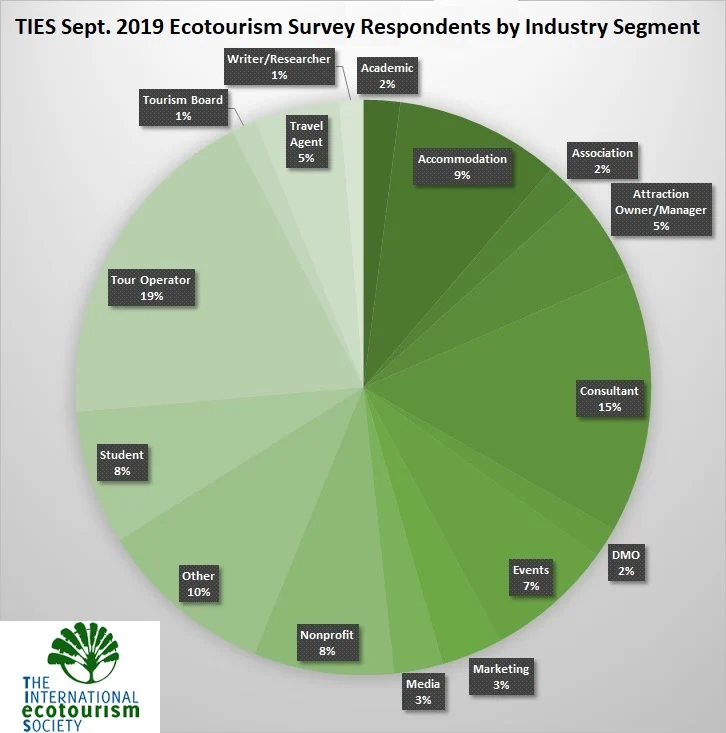
The survey provided a detailed breakdown of the professional backgrounds of respondents. While tour operators and consultants formed the backbone of the response group, the data revealed a surprising under-representation of academics—a group that typically maintains a high profile within the TIES membership. This discrepancy suggests that while the "boots-on-the-ground" practitioners are highly engaged with current industry shifts, there remains a potential gap in the dialogue between academic research and operational application.
Official Responses and Strategic Shifts
In light of these findings, TIES has identified several key areas where the organization must pivot to better serve its global constituency.
The Multilingual Mandate
One of the most actionable insights gained from the survey was the urgent call for linguistic diversity. A significant majority of respondents identified Spanish as a priority for future content development, highlighting the robust and vital nature of ecotourism development within Spanish-speaking nations. Beyond Spanish, respondents also championed the need for content in French and Mandarin. The inclusion of Mandarin as a priority is particularly notable, given that only four responses originated from China, suggesting that the international community recognizes the future influence of the Chinese market on global sustainable travel.
TIES has committed to an immediate rollout of Spanish-language support across its digital platforms and publications. This is viewed as a pilot initiative that will establish the infrastructure necessary to expand into other languages, including French and Mandarin, in the near future.
Redefining the TIES Mission
Perhaps the most unexpected feedback concerned the organizational focus of TIES. The survey explicitly asked members which initiatives the society should prioritize. The results were as follows:
- Education (41%): The clear frontrunner, indicating a strong desire for professional development and capacity-building.
- Conservation and Partnerships (18%): A continued emphasis on the fundamental environmental mission of the society.
- Ecodestinations (14%): A call for descriptive, country-by-country breakdowns of ecotourism offerings.
- Publications and Social Media (20%): A recognition of the need for better communication and dissemination of research.
Notably, fewer respondents prioritized traditional organizational goals such as policy lobbying, UN-level partnerships, or aggressive membership recruitment. TIES has acknowledged this feedback and has already begun outreach to partners within the education sector to develop curricula and training programs that meet the needs of its members.
Implications: Navigating the Challenges of Success
Despite the overwhelming optimism regarding the growth of the industry, the survey respondents were candid about the hurdles that lie ahead. The "growing pains" of the sector were a central theme in the qualitative data.
The Shadow of Overtourism
The industry is currently struggling with a variety of external and internal pressures. Respondents frequently cited "greed" and "overdevelopment" as primary threats to the integrity of ecotourism. The phenomenon of "overtourism"—where the sheer volume of visitors destroys the very environments they come to enjoy—is a top-of-mind concern.
Structural and Systemic Barriers
Beyond environmental concerns, there is a clear frustration regarding the structural barriers to doing business. Respondents highlighted the following as critical pain points:
- Lack of Awareness and Knowledge: A need for better education for both providers and travelers.
- Regulatory Hurdles: Difficulty in navigating complex permit systems and securing sustainable financing.
- The "Fair Booking" Gap: A significant concern regarding the lack of transparency in the booking process, which makes it difficult for eco-conscious travelers to verify the authenticity of the services they purchase.
The survey makes it clear that while ecotourism is thriving, it is also maturing. The "Wild West" era of early-stage ecotourism is ending, replaced by a demand for rigorous standards, transparent certifications, and educational frameworks.
Conclusion: The Road Ahead
The International Ecotourism Society’s latest survey serves as a vital snapshot of an industry at a crossroads. While the growth metrics are indisputably positive, the qualitative data provides a sobering reminder of the complexities involved in scaling sustainable travel.
The message from the 971 respondents is one of cautious optimism. There is a profound belief that ecotourism remains the most viable path for the future of travel, provided that the industry can successfully tackle the challenges of climate change, regulatory rigidity, and consumer education.
As TIES moves forward, its strategic agenda will be defined by the voices of its members. By prioritizing educational initiatives, expanding its linguistic reach, and addressing the systemic issues that prevent fair and transparent booking, the society aims to lead the charge in defining what responsible, global tourism looks like in the 2020s and beyond. The future of ecotourism is not just about moving more people; it is about moving them in a way that preserves the world’s most precious destinations for generations to come.