Date: August 18, 2026
Author: Samuli Haapasalo | Vuosi luonnossa (A Year in Nature)
At first glance, pipits are often dismissed by the casual observer as mere "gray sparrows." They are modest, unassuming birds that blend seamlessly into the lichen-covered rocks, damp meadows, and wind-swept tundras of the North. However, to look past their understated plumage is to ignore the very heartbeat of the Nordic landscape. Without the presence of these agile, melodious birds, the silence of the wilderness would be profound and unsettling.
As part of the Vuosi luonnossa (A Year in Nature) series, our recent expedition to the Varanger Peninsula in Northern Norway—specifically the rugged cliffs of Ekkerøy—has offered a masterclass in the avian diversity of the Arctic. By examining the distinct roles of the Rock Pipit, Meadow Pipit, and their kin, we gain insight into the ecological health of our northernmost habitats.
Main Facts: The Pipits of the North
Pipits belong to the family Motacillidae, which also includes wagtails. They are masters of adaptation, occupying niches ranging from the arid coastal cliffs of the Baltic Sea to the vast, open expanses of the Lappish tundra.
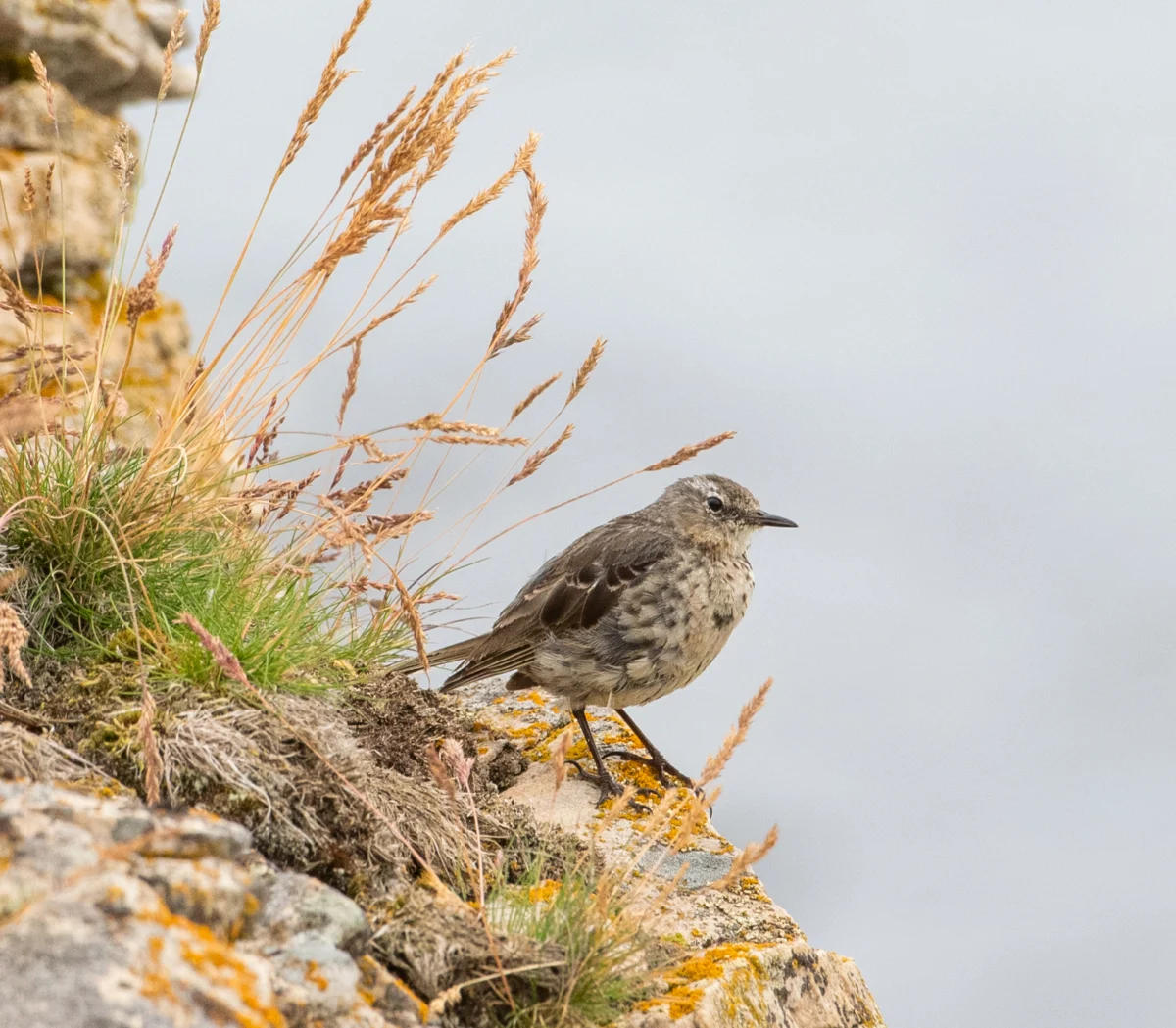
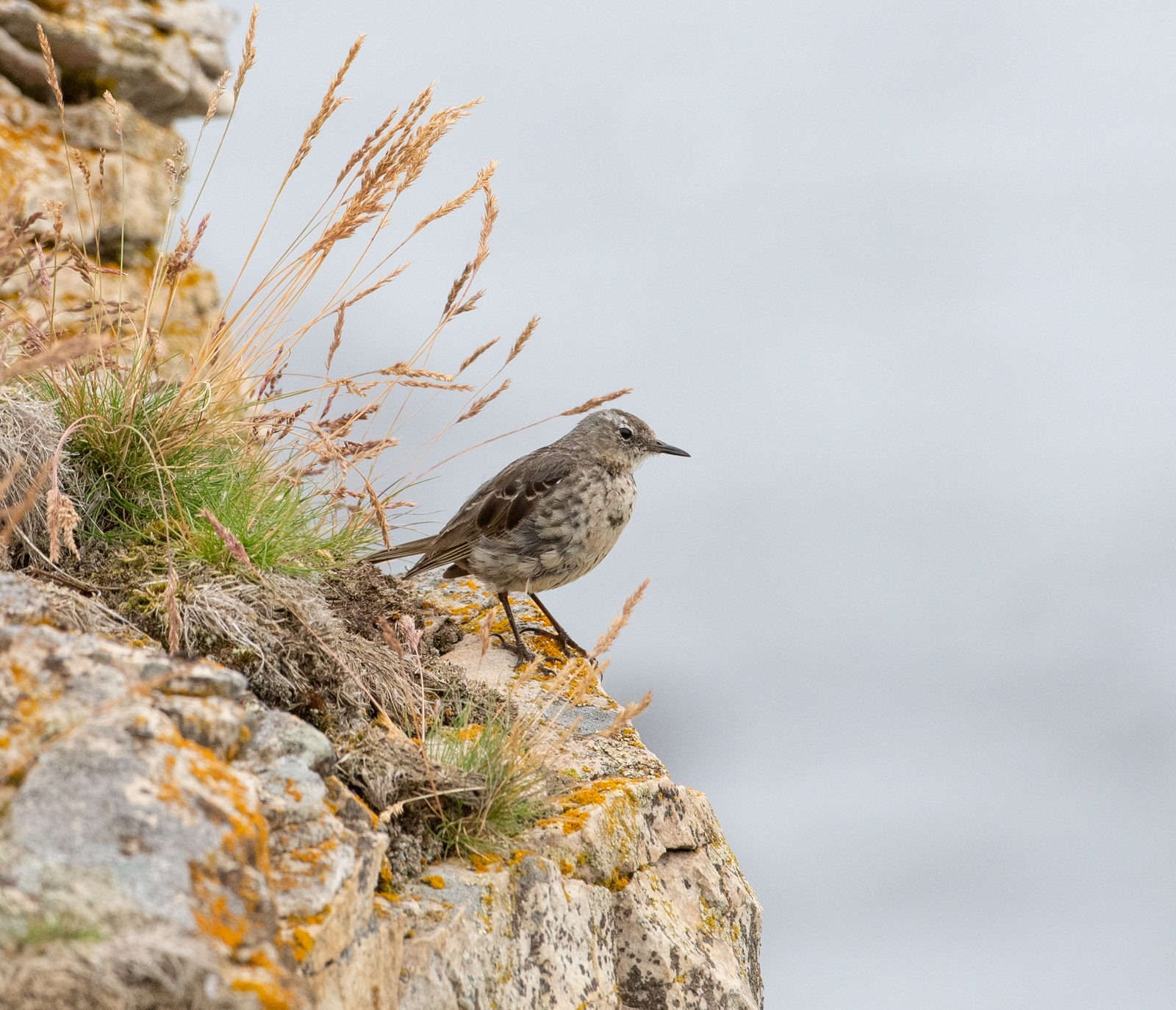
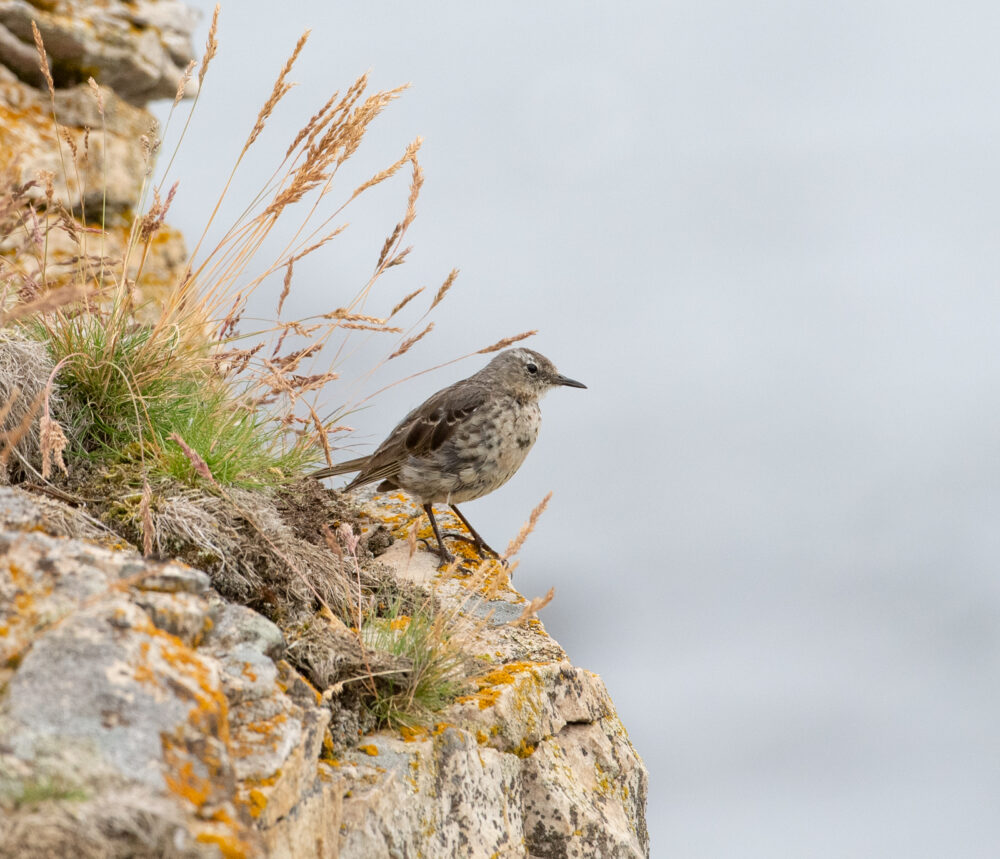
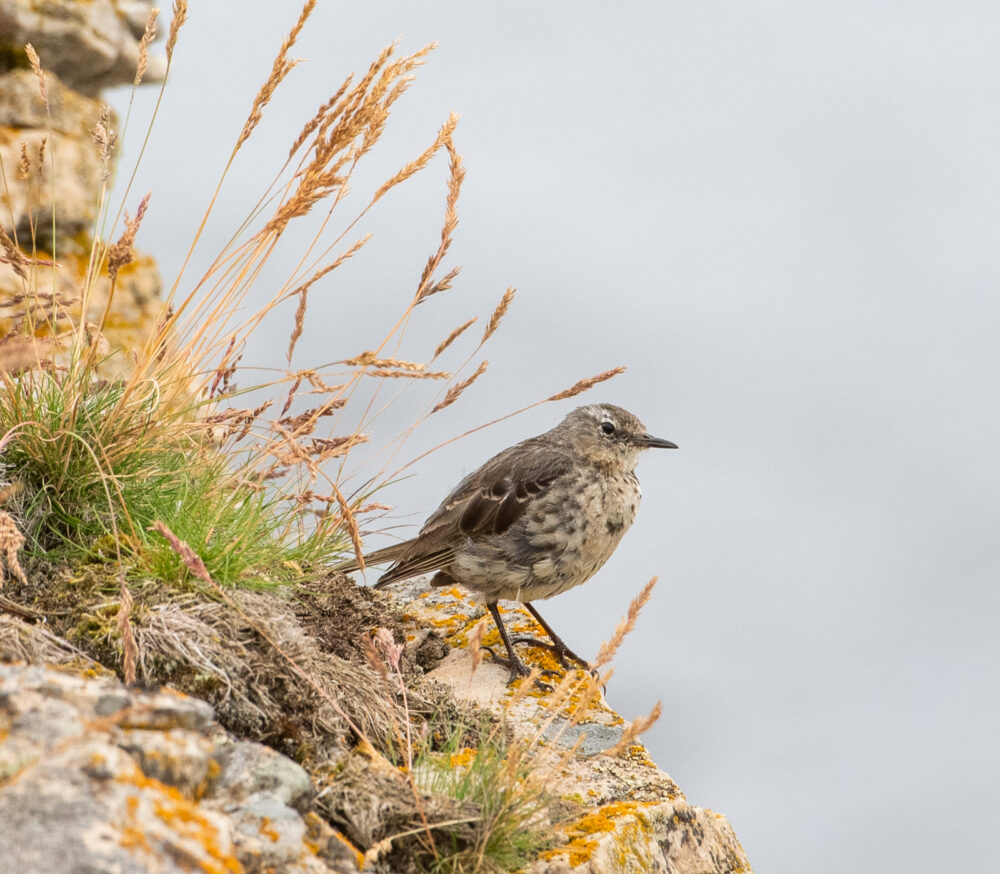
- The Rock Pipit (Anthus petrosus): Often characterized by its dark, relatively long legs and a stout, elongated beak. Its plumage is camouflaged for the rocky, barren environments it calls home.
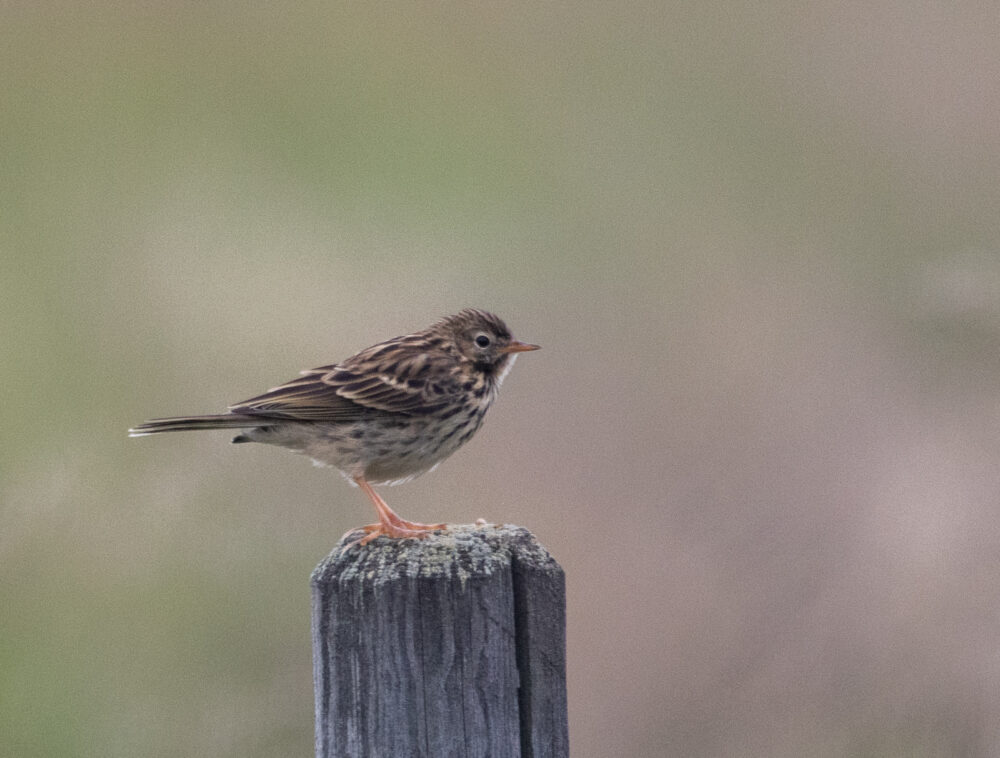
- The Meadow Pipit (Anthus pratensis): The most common of the genus in Finland. It is a vital indicator species for grassland and meadow health.
- The Red-throated Pipit (Anthus cervinus): A bird of the high north, recognized by its distinctive, sharp, and elongated "psiii" call.
- The Tree Pipit (Anthus trivialis): A master of the dry pine forest, known for its dramatic song-flight that punctuates the stillness of the woodland.
These birds are far from "just gray sparrows." They are the soundscapes of our northern meadows and the vigilant observers of our desolate coasts.
Chronology: A Field Report from the Varanger Peninsula
The observations recorded in this report were gathered between late July and mid-August 2026. The Varanger Peninsula, a region of stark beauty, serves as a vital transition zone for migratory and nesting species.
Late July 2026: Initial surveys focused on the Ekkerøy bird cliff. While the primary attention of birders is often drawn to the Kittiwakes and other colonial seabirds, our team noted the quiet persistence of the Rock Pipit. Unlike many other small songbirds, the Rock Pipit thrives in the periphery of these massive seabird colonies, seemingly unfazed by the cacophony of the gulls.
Early August 2026: As the season began to shift, we conducted comparative studies between the Rock Pipit and the more common Meadow Pipit. By placing these two species in side-by-side observation—specifically near the lamb fences of Ekkerøy—the diagnostic differences became clear. The Rock Pipit possesses a more cryptic eye-stripe and a subtle, almost invisible, pale eye-ring, which contrasts with the more vibrant, generalized appearance of the Meadow Pipit.
Mid-August 2026: Continued documentation of the northern reaches of the peninsula allowed us to map the distribution of the Red-throated Pipit. The density of these populations appears to be fluctuating, likely in correlation with the shifting availability of insect prey in the warming tundra.
Supporting Data: Ecological Significance and Identification
To understand the pipits is to understand the complexity of our ecosystems. Their presence is a barometer for environmental integrity.
Morphological Distinctions
Distinguishing between these species requires a keen eye. The Rock Pipit, for example, is defined by:
- Leg Coloration: Darker, more robust legs adapted for navigating slippery, wave-battered rocks.
- Bill Structure: A longer, more specialized bill, evolved for foraging in the crevices of littoral zones.
- Facial Markings: An indistinct, blurred eye-stripe compared to the more defined features of other pipit species.
The Meadow Pipit as a Baseline
The Meadow Pipit acts as a reference point for all other pipit observations. Its widespread success in meadows and northern wetlands makes it a stable, if common, inhabitant. However, even this common species is susceptible to the degradation of agricultural lands and changes in land-use practices.
The Declining Specialists
The Snow Bunting (Plectrophenax nivalis), while not a pipit, shares the same habitat niche. We have observed a marked decline in their populations on the tundra. The evidence points to a combination of climate-induced habitat loss and changes in the quality of their traditional wintering grounds. When the "specialists" of the North begin to disappear, it serves as an early warning for the broader ecosystem.
Official Perspectives and Environmental Implications
The scientific community has long monitored these populations, yet there is a growing consensus that the "unassuming" nature of these birds has led to an underestimation of their importance.
The Impact of Climate Change
The warming of the Arctic is not merely a headline; it is a physical reality altering the nesting behaviors of northern birds. As the tundra landscape shifts due to the encroachment of shrubbery (a process known as "greening of the Arctic"), the open-ground nesting habits of birds like the Red-throated Pipit are being compromised.
According to ornithological data, the expansion of the tree line and the reduction of permafrost-dependent habitats are forcing these birds to migrate further north or face population bottlenecks. The survival of these species is intrinsically linked to the preservation of the barren, high-latitude habitats that only they can exploit.
Habitat Management and Protection
In Finland, the Rock Pipit population is small but currently stable, particularly in the outer archipelago of the Gulf of Finland and the Bothnian Bay. The protection of these "luoto" (islet) environments is paramount. Human activity, such as recreational boating and unauthorized landing on sensitive islands during the nesting season, can have devastating effects on these localized populations.
The official stance of conservation organizations is clear: the preservation of these species requires a multi-faceted approach, including:
- Stricter monitoring of nesting sites in the outer archipelago.
- Increased public awareness regarding the fragility of northern avian ecosystems.
- Climate mitigation policies that address the root causes of the warming in the Arctic Circle.
Implications: Why the "Gray Sparrows" Matter
Why should we care about the subtle differences between a Rock Pipit and a Meadow Pipit? The answer lies in the concept of ecological resilience.
A landscape that supports a wide variety of insectivorous songbirds is a functional landscape. Pipits play a vital role in controlling insect populations, including those that may otherwise reach pest status in the delicate northern ecosystems. Their songs, while modest to some, are the defining soundtrack of our wild places. If we lose the "gray sparrows," we lose the very essence of the Nordic silence.
As we conclude our series from the Varanger Peninsula, we are reminded that nature conservation is not just about the large, charismatic mammals or the dramatic raptors. It is about the small, the subtle, and the resilient. The pipits are the sentinels of the North; they are the first to adapt and the first to signal when the balance of nature is tipping.
We invite our readers to join the Suomen Luonto community in supporting expert journalism. By subscribing, you contribute to the ongoing study and protection of the species that define our natural heritage.
The exploration of the Varanger Peninsula continues in our next report. Stay tuned as we dive deeper into the avian wonders of the North.
For further reading on the status of avian species in Finland, visit the Suomen Luonto archives and explore our previous entries on the Ruddy Turnstone and the Black-throated Diver.