East Africa is a land defined by its dramatic geological history, a region where the Earth’s crust has pulled apart to create some of the most spectacular landscapes on the planet. From the snow-capped peak of Mount Kilimanjaro to the dense, misty jungles of Rwanda’s Volcanoes National Park, the region serves as a global beacon for ecotourism. As travelers increasingly seek experiences that balance adventure with environmental stewardship, East Africa’s volcanic circuits offer a unique opportunity to engage with nature in its most raw and powerful form.
Main Facts: The Volcanic Backbone of East Africa
The East African Rift, a tectonic marvel, has gifted the continent with a series of volcanic peaks and craters that function as the backbone of the region’s tourism industry. Tanzania, in particular, stands out as a premier destination where geographical wonder meets biodiversity.
The primary volcanic ecotourism hubs include:
- Mount Kilimanjaro (Tanzania): The highest peak in Africa and the world’s tallest free-standing mountain.
- Mount Meru (Tanzania): A rugged, volcanic neighbor to Kilimanjaro, offering spectacular crater views.
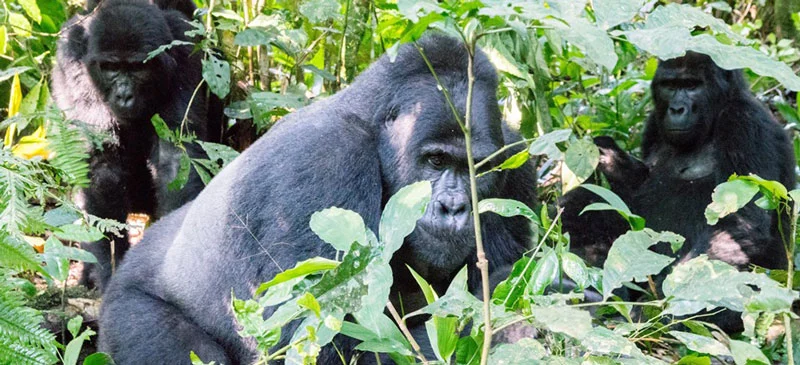
- Volcanoes National Park (Rwanda): The epicenter of mountain gorilla conservation and primate trekking.
- Mount Kenya (Kenya): A majestic, ancient volcanic plug that challenges mountaineers and hikers alike.
- The Eastern Arc Mountains (Tanzania): An ancient chain of mountains known for high levels of endemism.
- Oldonyo Lengai (Tanzania): Known as the "Mountain of God," this is the world’s only active carbonatite volcano.
These destinations are not merely sites for sightseeing; they are vital ecosystems that support local economies through sustainable, community-focused tourism.
Chronology: Planning the Ultimate African Expedition
A successful expedition to East Africa requires careful orchestration of time and terrain. For those looking to experience the best of the region, experts recommend a 12-to-14-day itinerary that balances high-altitude trekking with the wildlife-rich plains of the Serengeti and the cultural depth of the Ngorongoro Highlands.
The 14-Day "Volcano and Wildlife" Itinerary
- Days 1–3: Arrival and Acclimatization. Begin in the Ngorongoro Conservation Area. Utilizing the Highlands for nature trekking and walking safaris serves as a vital physiological primer for those intending to climb Kilimanjaro. Exploring the Olmoti and Empakai craters provides a gentle introduction to the Rift Valley’s volcanic geography.
- Days 4–7: The Kilimanjaro Ascent. Embark on a multi-day expedition, such as the Lemosho route. This period is dedicated to the physical challenge of the climb, supported by professional mountain guides and sustainable base camps.
- Days 8–11: Wildlife and Culture. Transition from the mountains to the savannahs. Engage with the Maasai community at traditional Bomas to understand the deep cultural significance of the landscape.
- Days 12–14: The Primate Connection. Conclude the trip by flying to Rwanda. Spend the final days in Volcanoes National Park for a once-in-a-lifetime gorilla trekking experience, complemented by a visit to the Kigali Genocide Memorial to understand the nation’s resilience.
Supporting Data: Why Ecotourism Matters
Ecotourism is defined by its commitment to traveling responsibly, conserving the natural environment, and enhancing the well-being of local people. In East Africa, this is not just a marketing slogan—it is an economic necessity.
According to recent industry reports, sustainable tourism initiatives in Tanzania and Rwanda have led to a significant increase in local employment. By staying in eco-lodges—which prioritize solar energy, water conservation, and locally sourced materials—travelers directly subsidize the preservation of these volcanic habitats.
Furthermore, data suggests that hikers who engage in "acclimatization trekking" in the Ngorongoro Highlands report a 30% higher success rate in summiting Mount Kilimanjaro compared to those who arrive and immediately begin the ascent. This underscores the symbiotic relationship between biodiversity, geography, and human performance.
Official Responses and Conservation Perspectives
Conservationists and tourism authorities in the region have emphasized that the influx of visitors must remain strictly regulated to protect the sensitive mountain environments.
"The goal is to ensure that the mountain gorilla population and the unique alpine flora of the Eastern Arc are not compromised by our presence," says a representative from the Rwanda Development Board. "Every permit issued for gorilla tracking contributes directly to the anti-poaching units that protect these magnificent creatures."
Similarly, in Tanzania, the Kilimanjaro National Park authorities have implemented strict "leave-no-trace" policies. Partnerships with specialized operators, such as Kilimanjaro Tanzanite Safaris DMC, have become the industry standard for ensuring that tourists are guided by professionals who understand the fragility of the high-altitude ecosystem. These organizations play a crucial role in vetting eco-lodges to ensure they meet the highest standards of environmental responsibility while remaining affordable for the international traveler.
Implications: The Future of Responsible Travel
The future of East African tourism lies in the "Combo Tour"—a strategy that combines the high-octane physical challenge of mountaineering with the meditative experience of primate trekking.
The Synergy of Tanzania and Rwanda
Combining a Tanzania safari—with its Big Five wildlife, Serengeti migration, and volcanic trekking—with a Rwanda gorilla tour creates a comprehensive African experience. The implications of this model are profound:
- Economic Diversification: Local communities benefit from a longer duration of stay, as tourists spend more time and money in diverse regions rather than just one.
- Environmental Awareness: By visiting the jungle of the gorillas and the ice fields of Kilimanjaro in a single trip, travelers gain a holistic view of the region’s climate diversity, fostering a stronger sense of environmental advocacy.
- Cultural Exchange: Interactions with the Maasai, the Rwandese people, and other local groups break down cultural barriers and transform tourism from a passive observation into an active, human-centric endeavor.
Practical Tips for the Modern Traveler
For those preparing for these expeditions, research is paramount. As highlighted by Travel and Leisure, visiting Volcanoes National Park requires advanced planning, particularly regarding gorilla tracking permits. Chimpanzee trekking in Gombe and Southern circuit safaris in Udzungwa Mountains offer further avenues for those looking to avoid the crowds and immerse themselves in the deep wilderness.
When selecting a travel package, prioritize:
- Transparency: Ensure your operator provides clear details on how they support local communities.
- Quality over Cost: While budget is a concern, cheap travel often skips the safety protocols and environmental safeguards necessary for high-altitude trekking.
- Integration: Look for packages that combine the "Big Five" with "Big Adventure," ensuring your trip is as diverse as the landscape itself.
Conclusion
East Africa is more than a destination; it is a testament to the power of nature and the resilience of human culture. Whether you are navigating the steep slopes of the Lemosho route, walking the caldera rim of Empakai, or coming face-to-face with a mountain gorilla in the misty forests of Rwanda, you are participating in a grand tradition of exploration. By choosing to travel responsibly and supporting local initiatives, you ensure that these volcanic wonders will remain for generations to come. As you plan your journey, remember that every step on these trails is a contribution to the conservation of one of the most vital regions on Earth.
For those ready to embark on this journey, detailed itineraries for private Kilimanjaro expeditions and Tanzania wildlife safari packages provide the necessary roadmap to turn these volcanic dreams into a reality.