The historic city of Tokat, nestled in the heart of Turkey’s Anatolian region, is preparing to step onto the world stage. From July 27 to 31, 2021, the city will serve as the host for the 16th Ecotourism and Sustainable Tourism Conference (ESTC), organized by The International Ecotourism Society (TIES). This event promises to bridge the gap between ancient historical preservation and the modern imperative of sustainable travel, positioning Tokat as a premier destination for conscious globetrotters.
Main Facts: A Convergence of History and Sustainability
Tokat is far more than a simple stopover; it is an archaeological treasure trove with a history stretching back to the 5th century. Having served as a crossroads for 14 distinct civilizations, the city occupies a unique geographical niche, bridging the lush, humid climate of the Black Sea region with the continental climate of the Anatolian plateau. This transition zone has fostered an extraordinary level of ecological diversity.
The 16th ESTC, a cornerstone event for global sustainability experts, will utilize this rich backdrop to facilitate discussions on how heritage sites can adapt to modern environmental pressures. The conference aims to showcase Tokat’s transformation into a hub for sustainable tourism, proving that urban development and ecological conservation are not mutually exclusive.
A Chronological Perspective: From Antiquity to the 16th ESTC
To understand the gravity of Tokat hosting the ESTC, one must look at the city’s timeline.
- 5th Century AD: The foundational era of the city begins, as civilizations recognize the strategic importance of the region’s topography.
- Centuries of Prosperity: Throughout the Middle Ages and the Ottoman period, Tokat flourishes as a center for trade, arts, and agriculture, shielded by the imposing Tokat Castle.
- Early 21st Century: Under the leadership of modern, forward-thinking local government, Tokat begins a systematic shift toward eco-conscious tourism infrastructure.
- February 2021: The official announcement is made that Tokat will host the 16th ESTC.
- July 27–31, 2021: The scheduled dates for the conference, where global delegates will convene to exchange knowledge on sustainable tourism models.
This trajectory reflects a city that has consistently reinvented itself while holding tight to its cultural roots. By moving from a historic trade center to a model for 21st-century ecotourism, Tokat provides a living case study for delegates attending the conference.
Supporting Data: The Ecological and Gastronomic Wealth of Tokat
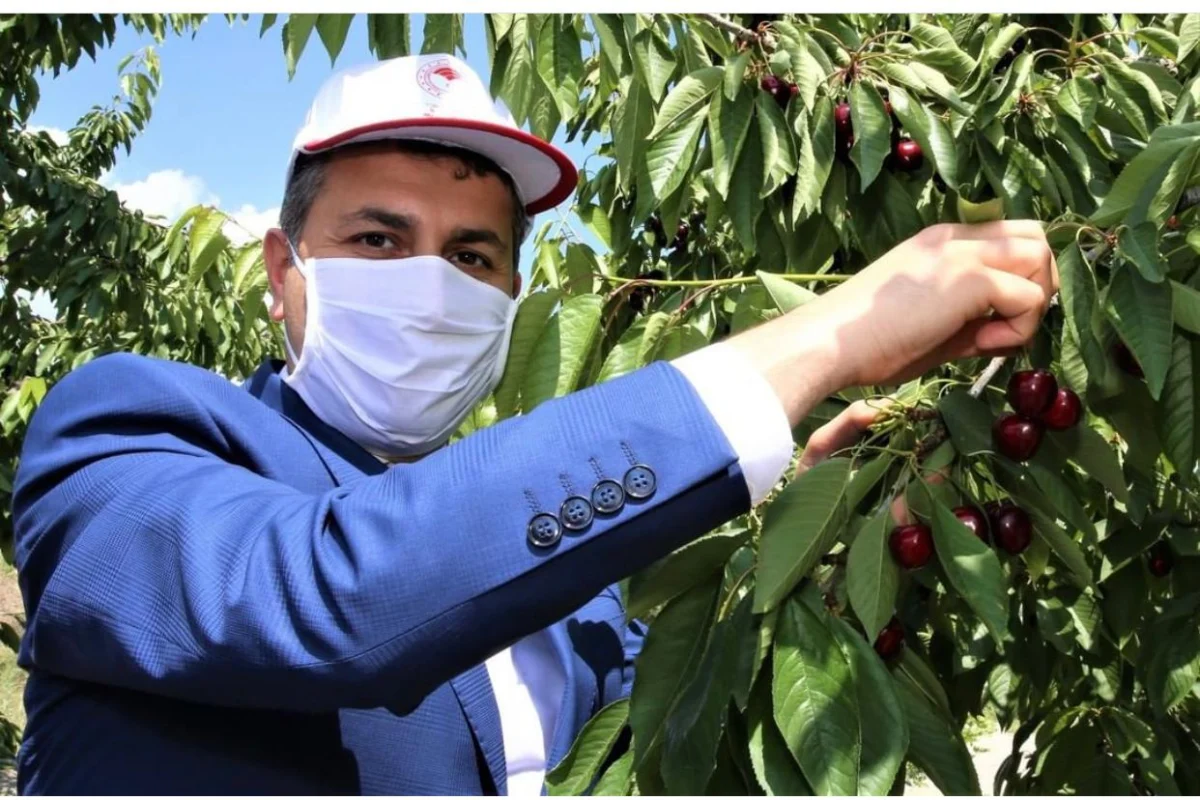
Tokat’s candidacy for the ESTC was not merely a matter of convenience; it was driven by its diverse natural assets. The city’s geography supports an impressive agricultural sector, featuring 82 distinct varieties of cereals, fruits, and vegetables. This biodiversity is the bedrock of the local economy and its burgeoning gastronomic tourism sector.
The Gastronomic Landscape
The culinary identity of Tokat is defined by its land. Signature products—such as its famous grape leaves, walnuts, molasses, and fenugreek—form the backbone of its traditional cuisine. The most iconic of these, the "Tokat Kebab," is a testament to the region’s culinary heritage, combining locally sourced, high-quality ingredients with centuries-old cooking methods.
Ecological Diversity
The region’s "transitional climate" acts as a natural laboratory. Because the city lies at the intersection of different climatic zones, it hosts a variety of flora and fauna that are rarely found in such close proximity elsewhere. For ecotourism advocates, this provides a unique opportunity to study how local communities manage and protect biodiversity while maintaining a thriving agricultural output.
Official Responses: A Vision for the Future
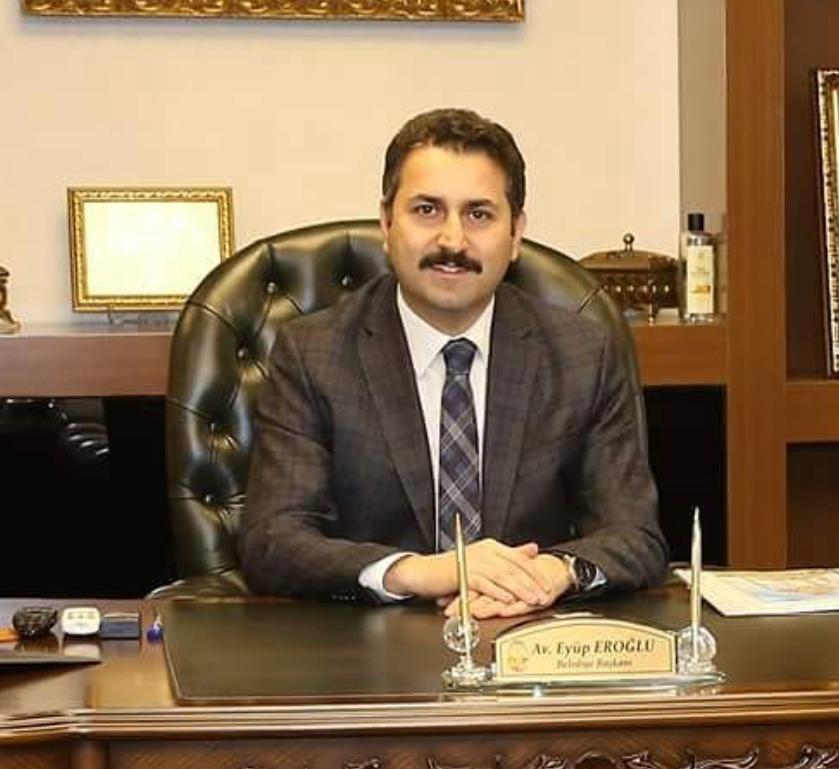
During a recent interview, Tokat’s Mayor, Attorney Eyüp Eroğlu—one of Turkey’s youngest and most dynamic political leaders—expressed his enthusiasm for the upcoming conference. Mayor Eroğlu has gained national recognition for his efforts to modernize the city while preserving its environmental and cultural integrity.
"Along with Tokat’s friendly local people and their welcoming outlook, the Tokat Municipality will make every effort to develop our city’s tourism to be represented in the international arena," Mayor Eroğlu stated. "We will accomplish this in a sustainable way."
His approach centers on the philosophy that tourism should serve the local community as much as the visitor. By focusing on "Anatolian heritage," the Mayor aims to invite guests into a culture that is defined by hospitality. Addressing the logistical concerns that naturally arise during a global event, the Mayor noted, "I am impressed with the care TIES has taken to ensure the safety of ecotravelers and the community of Tokat. We are prepared to host our guests with the highest standards of safety and hospitality."
Regarding the broader goal of the conference, Mayor Eroğlu added, "Tokat Municipality welcomes The International Ecotourism Society and its valuable guests to our city. We look forward to focusing international attention on our thriving, unique destination. We are sure that ecotourists and travelers will collect many unforgettable memories in Tokat."
Implications for the Future of Sustainable Tourism
The selection of Tokat as a host city for the 16th ESTC has profound implications for both the city and the global ecotourism industry.
1. The Decentralization of Tourism
For years, major international tourism conferences have gravitated toward primary capitals or well-known resort hubs. By choosing Tokat, TIES is making a statement: the future of sustainable tourism lies in secondary cities—places with deep cultural roots, manageable scales, and the potential for authentic interaction. This shift could inspire other historic, lesser-known cities in the Middle East and Central Asia to prioritize sustainability as a means of economic development.
2. Bridging the Gap Between Heritage and Ecology
Tokat’s model demonstrates that environmental sustainability is not just about planting trees or reducing carbon emissions—it is about the preservation of traditional agriculture and the protection of historical landmarks like the Tokat Castle. The conference will likely serve as a blueprint for how cities can protect their historical legacy while catering to the needs of the modern, eco-conscious traveler.
3. A Catalyst for Local Development
Hosting an event of this magnitude will act as a catalyst for local infrastructure improvements, potentially boosting the city’s profile as a permanent destination for eco-conscious travelers. The focus on "authentic experiences" rather than "mass tourism" aligns perfectly with the values of TIES, ensuring that the influx of visitors will support, rather than exploit, the local ecosystem.
Conclusion: An Invitation to Discover Tokat
As July approaches, the anticipation in Tokat is palpable. The city is readying its landscapes, its kitchens, and its hospitality to welcome delegates from across the globe. For those attending the 16th ESTC, the conference offers more than just workshops and seminars; it offers a chance to walk through 1,500 years of history, taste the bounty of a fertile land, and witness firsthand how a city can successfully transition into a sustainable future.
The International Ecotourism Society invites all interested professionals, travelers, and stakeholders to register for this pivotal event. Tokat is prepared to show the world that the heartbeat of Anatolia is not only a relic of the past but a vibrant, living, and sustainable model for the future.
To join this gathering of global leaders and to witness the beauty of Tokat for yourself, interested delegates are encouraged to complete their registration through the official TIES portal. The journey to the heart of sustainable tourism begins in Tokat.