Portugal stands at the vanguard of Europe’s energy transition. Long reliant on imported fossil fuels, the nation has pivoted aggressively toward a decarbonized grid, leveraging its geography to harness solar, wind, and hydropower. However, this rapid transformation—while celebrated for its environmental benefits—has introduced a new layer of complexity to the national grid. As electricity demand is projected to climb from 53TWh in 2025 to approximately 57.3TWh by 2030, policymakers and grid operators are grappling with a dual challenge: integrating massive volumes of intermittent renewable energy while maintaining the structural reliability of a system historically designed for baseload stability.
The Main Facts: A Grid in Flux
The core of Portugal’s energy narrative lies in the changing composition of its supply stack. By 2030, the increase in electricity consumption is driven not only by population growth but by the electrification of transport and the decarbonization of industrial processes.
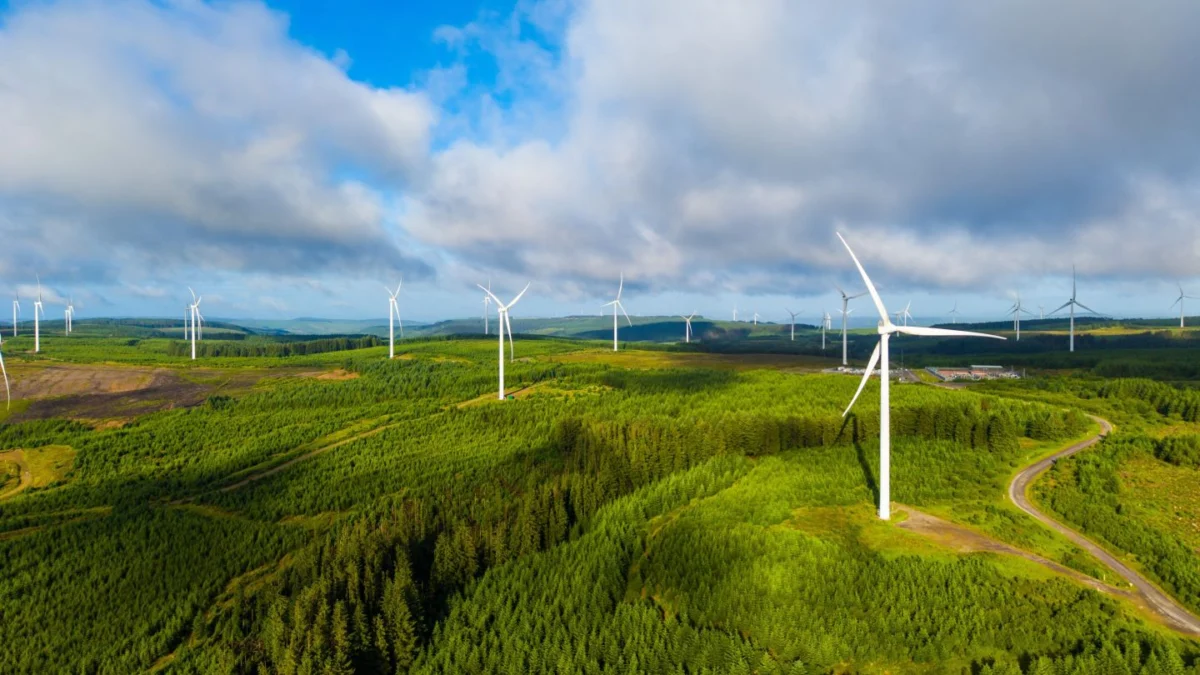
To meet this rising demand, the Portuguese government has facilitated a surge in renewable capacity. Solar photovoltaics (PV) are being deployed at record speeds, complemented by significant upgrades to wind energy infrastructure. Hydropower, which has traditionally served as the backbone of the country’s clean energy portfolio, continues to provide vital storage and balancing capabilities.
However, the sheer speed of this deployment is testing the limits of the existing transmission infrastructure. The grid, which was originally configured to move power from large, centralized thermal power plants to urban load centers, must now accommodate decentralized, variable flows from renewable installations often located in remote regions. This creates a phenomenon known as "grid strain," where the physical limits of cables and transformers are challenged, leading to curtailment risks and potential reliability concerns.
Chronology: The Path to 2030
Portugal’s journey to its current state is the result of over two decades of policy evolution.
- 2005–2015: The Foundation Phase. Portugal begins an aggressive push into wind energy, incentivized by early feed-in tariffs. During this period, the nation significantly reduces its coal dependency.
- 2016–2020: Diversification and Solar Adoption. The government pivots to competitive auction models for solar projects, leading to some of the lowest strike prices in the world. Large-scale solar farms begin to dominate the landscape.
- 2021–2024: Integration and Market Volatility. The energy crisis triggered by geopolitical instability in Europe forces Portugal to accelerate its move away from natural gas. The grid experiences its first major tests of balancing high renewables penetration during peak demand hours.
- 2025: The Current Benchmark. Demand sits at 53TWh. Renewables account for a massive share of the daily generation mix, often exceeding 80% during optimal weather conditions.
- 2026–2030: The Scale-Up. The transition shifts focus toward grid modernization, the introduction of utility-scale battery storage, and the potential for green hydrogen production to act as a demand-side sink for excess renewable generation.
Supporting Data: The Mathematical Reality
The figures provided by energy analysts illustrate a tightening corridor for grid management. The jump from 53TWh to 57.3TWh represents a compound annual growth rate that necessitates massive investment in both generation and transmission.
Projected Energy Demand Growth (TWh)
| Year | Demand (TWh) | Primary Drivers |
|---|---|---|
| 2025 | 53.0 | Electrification of residential heating |
| 2027 | 54.5 | Industrial automation and EV growth |
| 2029 | 56.2 | Data center expansion and industrial heat pumps |
| 2030 | 57.3 | Full-scale integration of green hydrogen pilot projects |
While capacity is expanding, the Capacity Factor—the ratio of actual output to maximum potential output—remains lower for solar and wind than for traditional gas-fired plants. This necessitates a "multiplier effect" in installed capacity. For every 1GW of demand, Portugal must now install nearly 2.5GW of renewable capacity to ensure that, even on cloudy or low-wind days, the minimum baseload requirements are met.
Official Responses and Strategic Policy
The Portuguese Ministry of the Environment and Energy has emphasized that the transition is not merely about adding megawatts, but about creating a "smart energy ecosystem."
In recent official statements, the Ministry highlighted a three-pronged approach to maintaining reliability:
- Investment in Interconnectors: Portugal is working closely with Spain and the wider EU to increase the capacity of cross-border power lines. By integrating more deeply with the European Internal Energy Market, Portugal can export surplus green power when its own grid is saturated and import power during supply deficits.
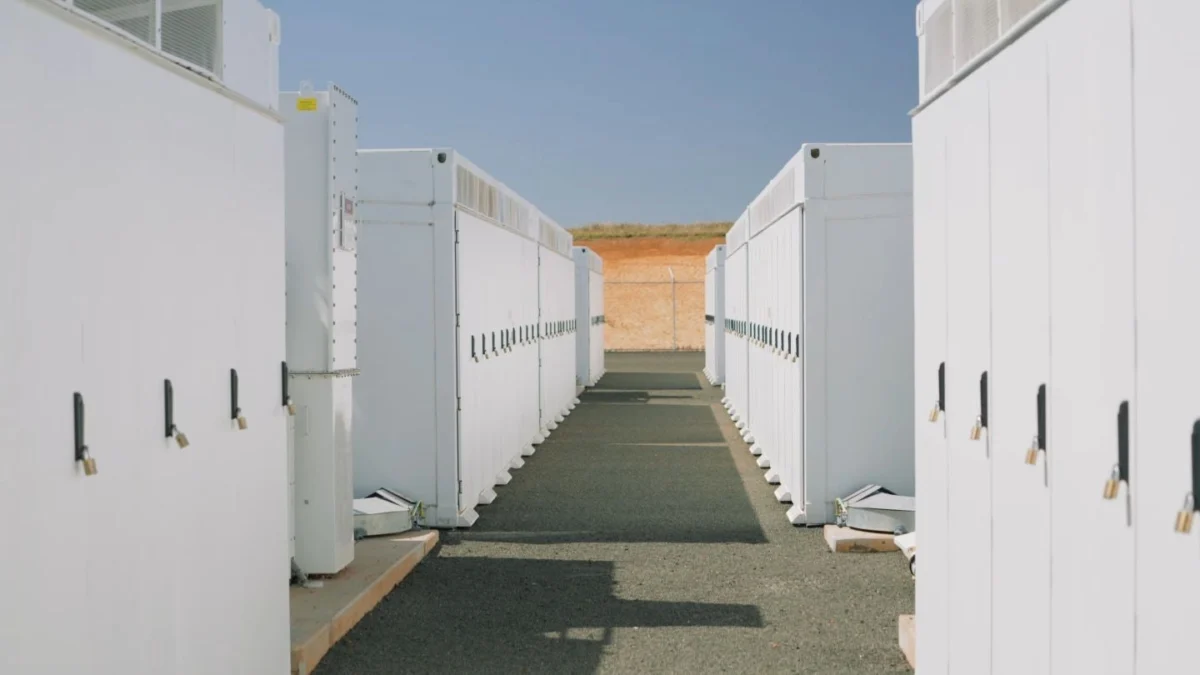
- Storage Mandates: Future auctions for renewable capacity now include requirements for integrated battery energy storage systems (BESS). This ensures that developers—not just the state—take responsibility for the intermittency of their assets.
- Modernization of the Distribution Grid: Investment is being funneled into digital substations and AI-driven grid management systems. These technologies allow for "dynamic line rating," a method that allows power lines to carry more current during colder or windier conditions, effectively increasing capacity without building new physical towers.
"The goal is not to eliminate gas-fired plants overnight," a spokesperson for the national grid operator, REN (Redes Energéticas Nacionais), noted in a recent industry forum. "The goal is to transition them into strategic reserves. They serve as the insurance policy for the grid, providing the inertia and frequency response that pure renewable setups struggle to maintain on their own."
Implications: The Road Ahead
The implications of this energy trajectory are profound, touching upon economics, national security, and industrial strategy.
Economic Implications
For the consumer, the transition is a double-edged sword. While the marginal cost of wind and solar is near zero, the capital expenditure required to reinforce the grid is substantial. These costs are typically passed down to the consumer via network access charges. However, the long-term benefit is a decoupling of electricity prices from volatile global natural gas markets. Portugal’s move toward renewables is, at its heart, a move toward energy sovereignty.
Grid Reliability and the "Duck Curve"
As solar penetration increases, Portugal faces the classic "duck curve" challenge: a massive surplus of energy during midday hours followed by a sharp spike in demand as the sun sets. Without sufficient battery storage or flexible demand-side management (such as smart EV charging), the grid risks instability. The implication is clear: the next five years will see the rise of the "prosumer"—households and businesses that not only consume power but feed it back into the grid, requiring a bidirectional infrastructure that is far more complex than the one-way grids of the 20th century.
Industrial Competitiveness
The success of Portugal’s renewable strategy will determine its industrial future. Energy-intensive industries, such as green steel or chemical production, are increasingly looking for regions with low-cost, carbon-free energy. If Portugal can successfully manage its grid reliability, it stands to become a hub for green manufacturing, effectively trading its old fossil-fuel dependence for a new status as an exporter of green technology and industrial products.
Conclusion
Portugal’s energy sector is in the midst of a historic transformation. Moving from 53TWh to 57.3TWh in consumption is more than just a data point; it is a signal of a changing economy. While the strain on the grid is undeniable, the tools to manage this stress—battery storage, digital grid optimization, and regional interconnection—are already being deployed.
The path to 2030 will require a delicate balance. Portugal must continue to encourage the rapid growth of solar and wind while simultaneously ensuring that the "backbone" of the system—the grid itself—is upgraded to handle the influx. As the country moves away from fossil fuel dependence, it is not just decarbonizing its power supply; it is redefining the very architecture of its national infrastructure. The challenges ahead are significant, but they are the necessary growing pains of a nation determined to lead the European transition to a sustainable, electrified future.