As the United Kingdom accelerates its transition toward a net-zero economy, the intermittency of renewable energy sources—specifically wind and solar—has emerged as the primary challenge for grid operators. To bridge the gap between volatile generation and consistent demand, EnergyPathways has embarked on the Marram Energy Storage Hub (MESH), a flagship infrastructure project in the Irish Sea. By selecting global engineering leader Jacobs to spearhead its consenting and regulatory strategy, EnergyPathways is moving closer to realizing a 300MW facility that promises to redefine ultra-long-duration energy storage (LDES) in the UK.
The Genesis of MESH: Strategic Vision and Technical Innovation
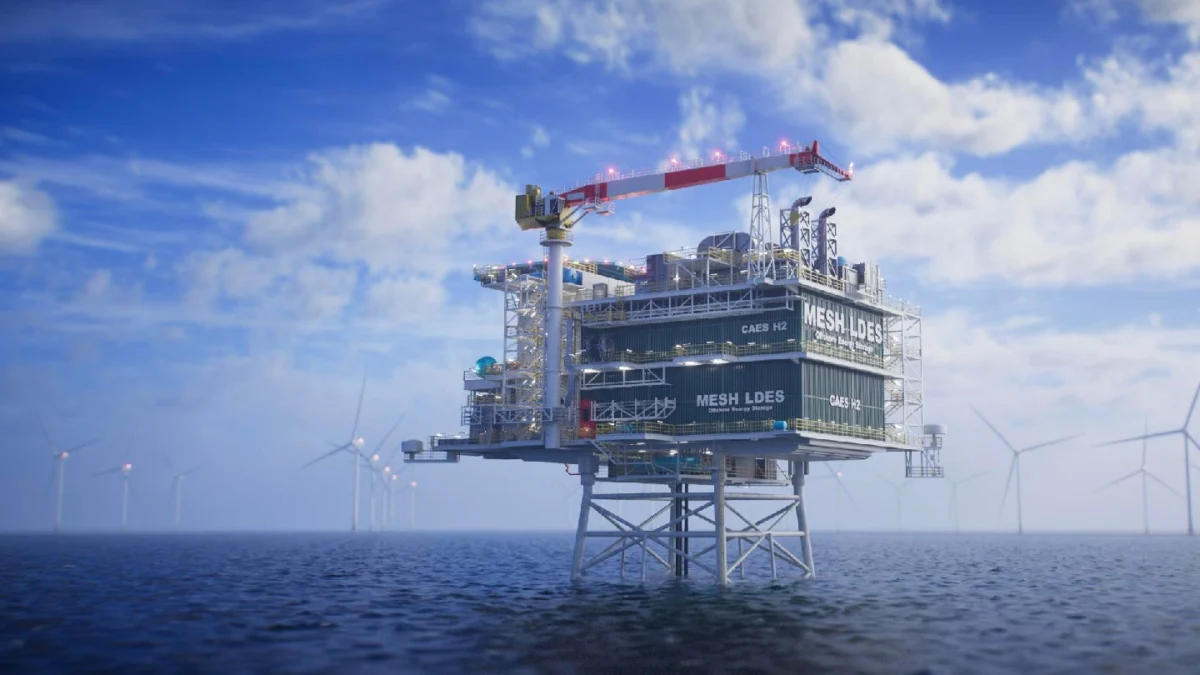
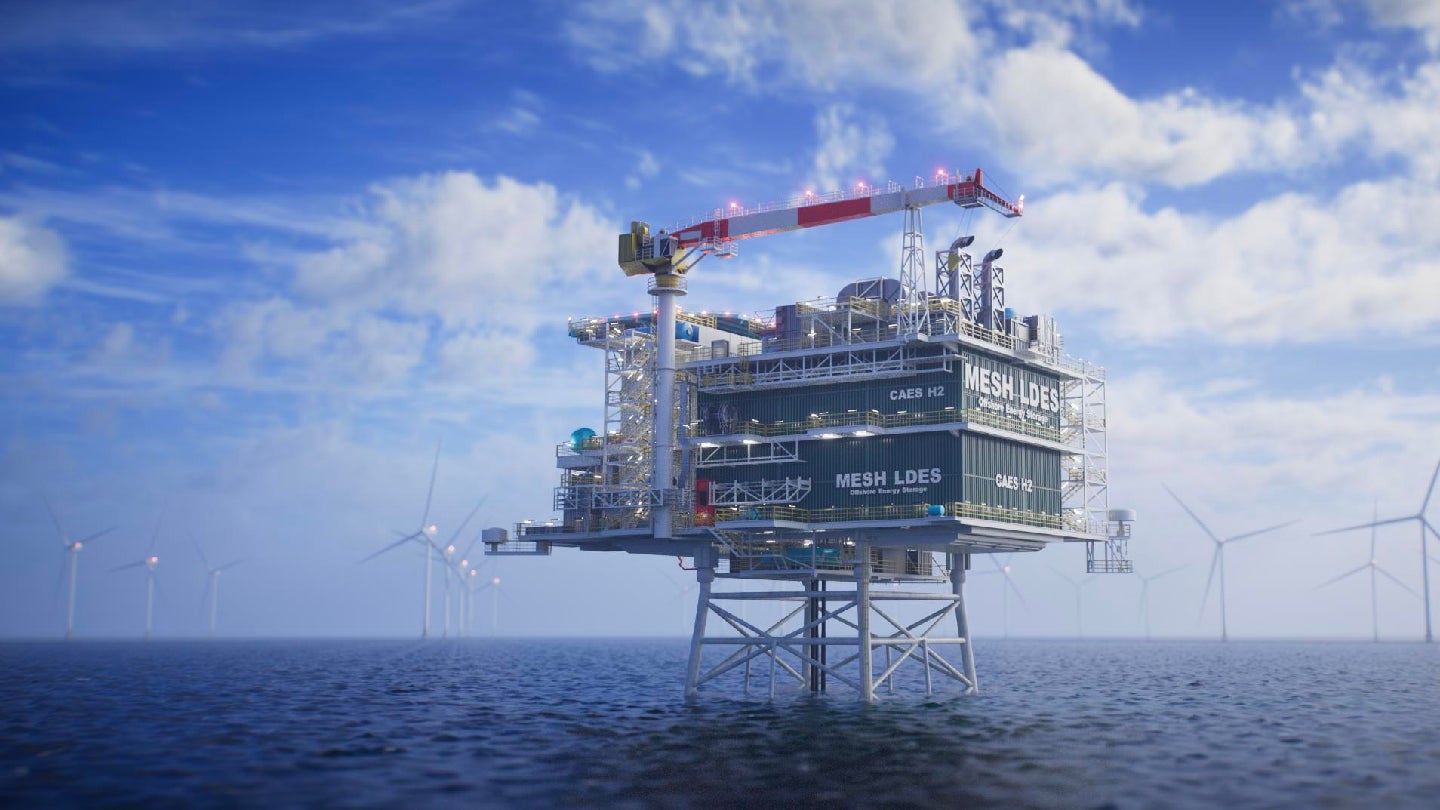
The MESH project is not merely an energy storage facility; it is a critical piece of infrastructure designed to provide the “missing link” in the UK’s energy transition. Located in the Irish Sea and connecting onshore at Barrow-in-Furness, the hub is engineered to deliver a staggering 300MW of power with a capacity of 55 gigawatt-hours (GWh).
What sets MESH apart from conventional battery storage systems is its multi-modal approach. The facility will integrate Compressed Air Energy Storage (CAES) with the capability to store both natural gas and hydrogen. This hybridization allows for ultra-long-duration storage exceeding 190 hours, providing the grid with the flexibility to manage supply-demand imbalances over days or even weeks—a feat impossible for standard lithium-ion installations.
Jacobs Takes the Helm: Navigating the Regulatory Landscape
EnergyPathways has formally appointed Jacobs to navigate the complex Development Consent Order (DCO) process. Under the UK’s Nationally Significant Infrastructure Project (NSIP) regime, projects of this scale require meticulous planning, environmental impact assessments, and rigorous stakeholder engagement.
Jacobs’ remit is comprehensive:
- DCO Strategy: Leading the planning and consenting roadmap to ensure the project meets all statutory requirements.
- Environmental Oversight: Managing environmental planning and technical assessments to mitigate potential ecological impacts.
- Ofgem Advisory: Providing strategic guidance for EnergyPathways’ submission to the UK energy regulator’s “Long Duration Electricity Storage Cap & Floor” scheme—a crucial financial mechanism designed to de-risk investments in LDES.
- Regulatory Monitoring: Proactively identifying legislative changes to streamline the consenting process and minimize project risk.
A Chronology of Progress: From Concept to 2031
The path to commissioning by 2031 is marked by several critical milestones that EnergyPathways must navigate in collaboration with Jacobs.
- Pre-Development and Site Selection: EnergyPathways identified the Irish Sea’s geological potential for gas and hydrogen storage, coupled with the strategic grid connectivity available at Barrow-in-Furness.
- Appointment of Strategic Partners (2024-2025): The selection of Jacobs serves as the foundational step for the formal planning phase.
- Regulatory Engagement and DCO Submission (2025-2027): This period will involve extensive public and stakeholder consultations, alongside the technical design finalization required for the DCO application.
- Investment Decision and Financial Close (2027-2028): Success hinges on securing the “Cap & Floor” support from Ofgem and finalizing private sector financing.
- Construction and Commissioning (2028-2031): The physical build-out of the subsea and onshore infrastructure, culminating in the goal of full operational status by 2031.
The Technical Architecture: Why Ultra-Long Duration Matters
The UK’s energy grid is increasingly reliant on wind power. However, the "Dunkelflaute" phenomenon—periods of low wind and low sunlight—poses a systemic risk to energy security. Current battery technologies are optimized for frequency response and short-duration storage (1–4 hours). They cannot sustain the grid through prolonged periods of low renewable output.
MESH addresses this through:
- Compressed Air Energy Storage (CAES): Utilizing underground geological formations to store air under pressure. When demand peaks, the air is released to drive turbines, providing a robust and repeatable energy release mechanism.
- Hydrogen Integration: Hydrogen acts as the ultimate clean energy carrier. By storing hydrogen produced during periods of excess renewable generation, MESH ensures that the fuel is available for power generation or industrial use when the grid needs it most.
- Resilience through Hybridization: By combining these technologies, MESH offers a “firm” energy supply that mimics the reliability of traditional fossil-fuel-based power stations while maintaining a net-zero footprint.
Official Responses and Industry Sentiment
The collaboration between EnergyPathways and Jacobs has been met with optimism by industry observers.
Richard Sanderson, an executive vice-president at Jacobs, emphasized the importance of the project for the regional and national economy: “MESH represents an important infrastructure development for Barrow-in-Furness and the wider UK energy system. Our extensive experience delivering complex infrastructure projects through the Development Consent Order process will support EnergyPathways in navigating planning and regulatory requirements while maintaining project momentum.”
From the perspective of EnergyPathways, the partnership is a strategic necessity. The DCO process is notoriously complex, and by outsourcing this to a firm with a proven track record in the UK’s NSIP regime, the company is effectively de-risking the project’s development timeline.
Economic and Strategic Implications for the UK
The implications of the MESH project extend far beyond the immediate technical benefits.
Strengthening Energy Security
By domesticating energy storage, the UK reduces its reliance on imported energy and volatile global gas markets. MESH effectively creates a "strategic energy reserve" that can be deployed at a moment’s notice.
Regional Regeneration
Barrow-in-Furness has a storied history in industrial engineering. The construction and subsequent operation of the MESH facility will bring high-skilled jobs to the region, positioning the town as a hub for green energy innovation. The infrastructure project is expected to stimulate local supply chains and provide a long-term boost to the regional economy.
Supporting the Net-Zero Target
The UK government has set ambitious targets to decarbonize the power system by 2030. However, achieving this requires a massive scaling of storage capacity. The 55GWh capacity offered by MESH represents a significant portion of the total storage required to balance a grid powered largely by offshore wind. Without such projects, the cost of grid balancing would likely fall on the consumer, making MESH a vital component in keeping energy prices competitive.
The Role of the Ofgem Cap & Floor
A pivotal aspect of the project’s success is the forthcoming Ofgem Cap & Floor scheme. This policy framework is designed to protect developers from the volatility of wholesale energy markets while also protecting consumers from excessive costs. Jacobs’ role in navigating this application is arguably as important as the engineering itself. By providing technical and environmental guidance that aligns with the requirements of this scheme, Jacobs is helping to ensure that MESH remains an attractive proposition for institutional investors.
Looking Ahead: The Challenges of Implementation
While the vision for MESH is compelling, the project faces several hurdles.
- Technological Scaling: Integrating hydrogen storage at this scale requires precise geological modeling and advanced safety protocols.
- Supply Chain Pressures: As the global demand for energy transition infrastructure spikes, securing the necessary components—from turbines to advanced monitoring software—will require proactive supply chain management.
- Regulatory Fluidity: As mentioned by Jacobs, the planning landscape is subject to change. Government policy regarding net-zero infrastructure is evolving, and the project must remain agile enough to adapt to shifts in planning law or environmental regulations.
Conclusion: A Blueprint for the Future
The Marram Energy Storage Hub stands at the intersection of geology, engineering, and policy. By leveraging the technical prowess of Jacobs and the strategic foresight of EnergyPathways, the UK is taking a concrete step toward a resilient, carbon-neutral power grid.
The successful delivery of MESH would set a precedent for future LDES projects, demonstrating that the challenges of renewable intermittency can be solved through large-scale, integrated infrastructure. As we look toward 2031, the MESH project serves as a beacon of what is possible when private enterprise, engineering excellence, and regulatory support converge to address the most pressing existential challenge of our time: the transition to a sustainable and secure energy future.
The journey from planning to power will be rigorous, but if the current trajectory holds, the Irish Sea will soon host one of the most sophisticated energy storage assets in the world, ensuring that the UK remains at the forefront of the global energy transition.