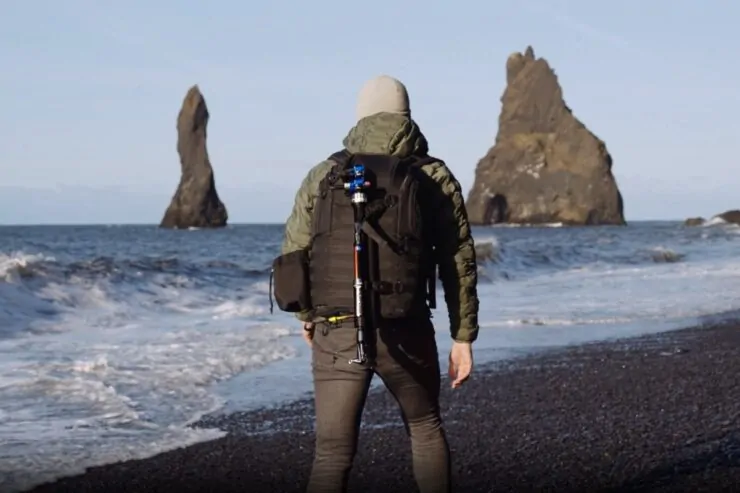
For the modern outdoor enthusiast, the ability to combine the serenity of a remote backcountry hike with the thrill of a cast into untouched waters is the pinnacle of the wilderness experience. However, traditional fishing gear is often cumbersome, heavy, and ill-suited for the confines of a trekking backpack. As an avid angler, I have learned that the key to unlocking these hidden gems—pristine alpine lakes and secluded river bends—lies in the specialized world of backpacking fishing rods.
These instruments of precision are designed for convenience, portability, and, above all, the sheer joy of the angling pursuit. Whether you are a novice looking to dip your toes into the sport or a seasoned professional seeking to minimize your load, selecting the right rod is an investment in your future adventures. Below, we examine the landscape of high-performance travel rods, analyze the technical specifications that dictate their performance, and provide a roadmap for choosing your next essential piece of gear.
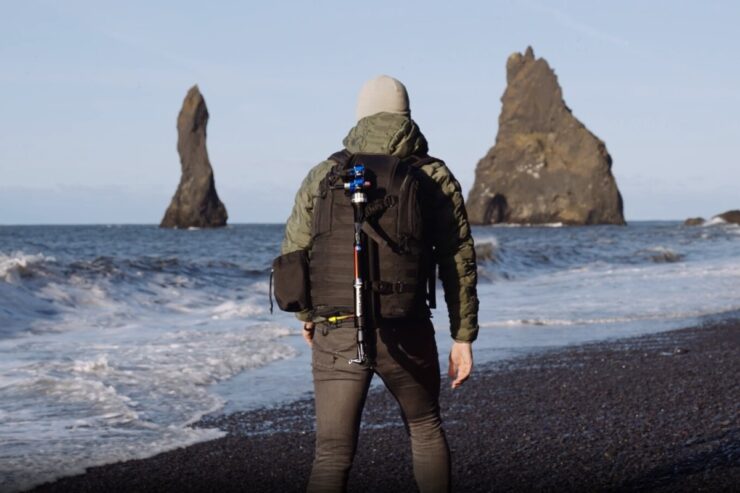
The Evolution of Portability: Top-Rated Backpacking Rods
Choosing a rod can be a daunting process given the current market saturation. To assist in your decision-making, I have curated a selection of the most reliable, top-rated rods currently available, vetted through personal field testing and peer recommendations.
1. Ugly Stik GX2 Spinning Fishing Rod
The Ugly Stik GX2 has become a modern classic for a reason: it balances legendary durability with surprising sensitivity. Its "Ugly Tech" construction—a blend of graphite and fiberglass—allows the rod to flex under pressure while maintaining the structural integrity required to land larger species.
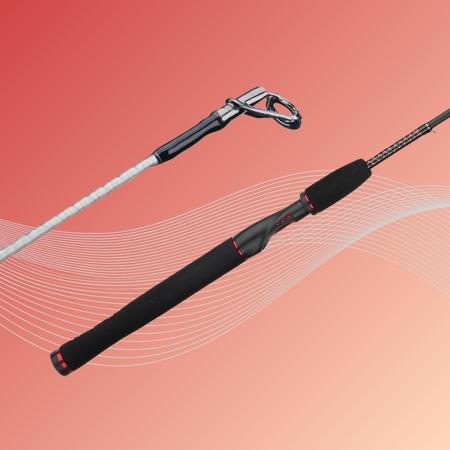
- Performance: Excellent for both small panfish and larger catches.
- Portability: Its compact, multi-piece design ensures it occupies minimal space.
- Verdict: While the reel seat is limited to smaller-sized reels (4000 series or below), its affordability and resilience make it an unbeatable entry-level choice.
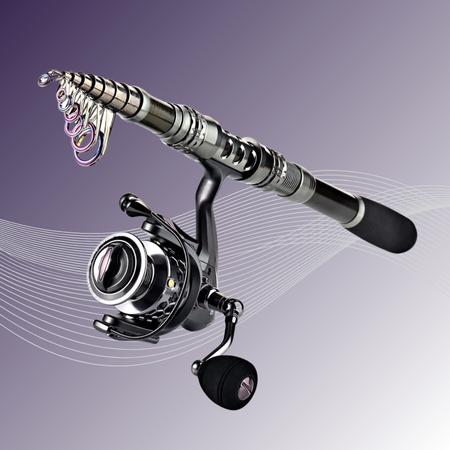
2. PLUSINNO Fishing Rod and Reel Combo
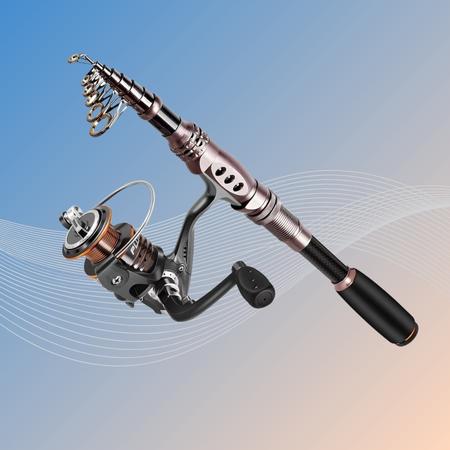
The PLUSINNO system is a comprehensive solution for the angler who prioritizes the "ready-to-go" aspect of gear.
- Key Features: This is a telescopic unit, offering significant length when extended but collapsing into a highly manageable package.
- Construction: Crafted from high-density carbon fiber mixed with fiberglass, it is sturdy, though it can feel slightly heavy during extended casting sessions.
- Utility: The package includes lines, lures, and a carrier, making it ideal for those who want to avoid the headache of piecing together a custom rig.
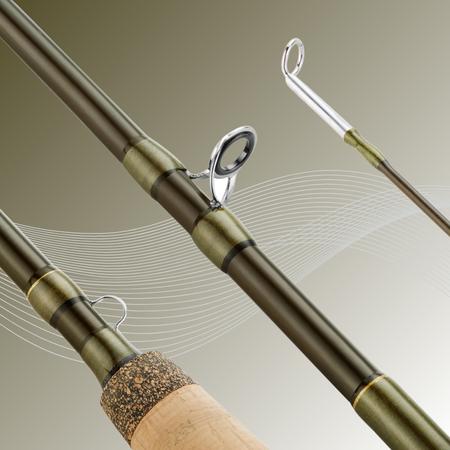
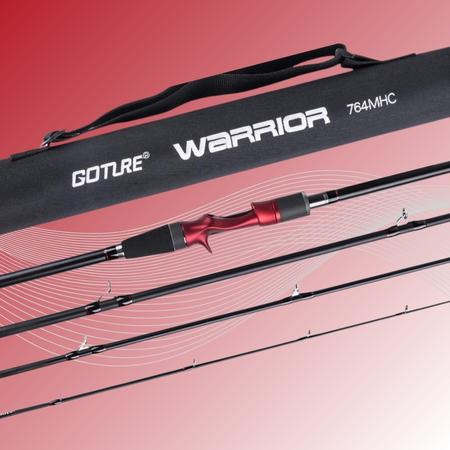
3. Piscifun Sword Fly Fishing Rod
For the fly-fishing traditionalist, the Piscifun Sword is a masterpiece of value.
- Design: This four-piece graphite rod is designed for the hiking enthusiast. It comes with a high-quality PVC protective tube, ensuring that your gear survives the rigors of a mountain trail.
- Casting: The ceramic guide rings facilitate smooth line movement, allowing for accurate, effortless casting even in wind-prone environments.
- Implication: It is a professional-grade tool at a entry-level price point, suitable for both beginners and veterans.
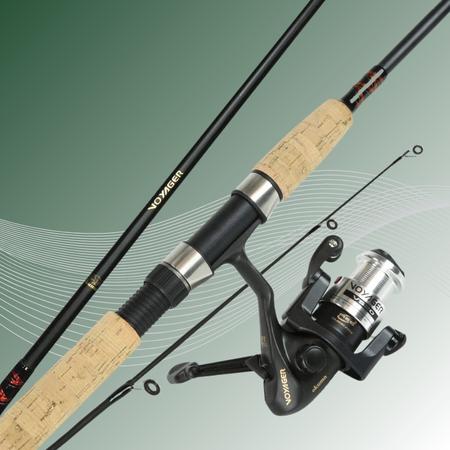
4. Okuma Voyager Spinning Freshwater Travel Kit
The Okuma Voyager represents the pinnacle of travel-ready convenience. It is not merely a rod; it is a full ecosystem including a tackle box and a durable carrying case.
- Resilience: Despite its compact size, this rod has proven its ability to handle surprisingly large fish, showing that "travel gear" does not have to mean "fragile gear."
- Limitation: It is a utilitarian tool. Those seeking the nuanced action of a boutique, high-end rod may find it lacks a certain degree of refinement.
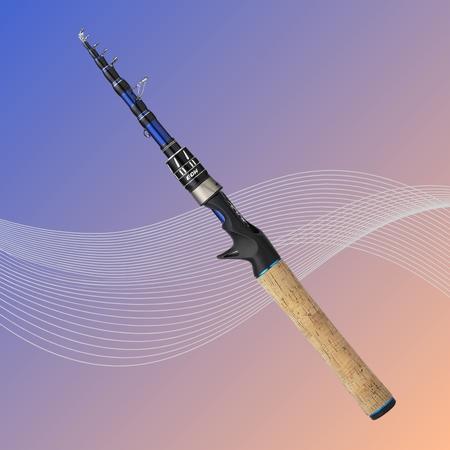
5. EOW XPEDITE Portable Telescopic Spinning Rod
This rod utilizes a sophisticated carbon fiber and E-Glass composite. The result is a rod that is remarkably stiff yet responsive.
- Versatility: Whether fishing in freshwater lakes or brackish saltwater, the EOW Xpedite maintains its performance.
- Care Requirement: Because it is a telescopic unit, it requires regular cleaning to ensure the joints remain smooth and free of debris.
Technical Specifications: The Anatomy of a Quality Rod
When selecting a rod, one must look beyond the brand name and delve into the mechanics of the equipment.
Rod Action
Action describes the point at which a rod begins to bend under pressure.
- Fast Action: Bends near the tip. These are highly sensitive and ideal for detecting subtle bites.
- Slow/Moderate Action: Bends closer to the handle. These offer a more "forgiving" experience and are generally preferred for heavier, more aggressive fighting fish.
Rod Power
Power refers to the rod’s "backbone" or its resistance to bending.
- Ultra-Light/Light: Essential for backpacking. These allow for the sport of fighting smaller fish and are the most common choice for alpine trekking.
- Medium/Heavy: Necessary if your wilderness destination is known for pike, bass, or larger salmonids.
The Debate: Telescoping vs. Multi-Piece
Telescoping rods offer the ultimate in speed—you can extend them in seconds. However, multi-piece "take-down" rods (like the Piscifun Sword) generally offer a more consistent "taper" or action, as they don’t have the structural complications of overlapping sections. If you are hiking for days, the weight savings of a multi-piece carbon fiber rod are often worth the extra 30 seconds of setup time.
Chronology of Use and Maintenance
To ensure your gear lasts for multiple seasons, follow this standardized maintenance chronology:
- Post-Trip Inspection: Always rinse your rod with fresh water after use, especially if you have been fishing in brackish or saltwater. Salt crystallization can fuse the segments of a telescopic rod.
- The "Dry-Down" Period: Never store a damp rod in its tube. Moisture leads to mold and can compromise the integrity of graphite fibers over time.
- Storage: During the off-season, store your rods vertically or in a hard-shell case. Avoid leaning them against walls where they may develop a "set" (a permanent curve) over months of gravity-induced pressure.
Supporting Data: Why Portability Matters
According to recent outdoor recreation studies, anglers who carry gear weighing under 2 lbs are 40% more likely to actually fish during a multi-day hike than those carrying heavier, traditional gear. The reduction in "equipment friction"—the psychological barrier created by carrying heavy, awkward items—is directly proportional to the frequency of use. By choosing a rod that fits inside your pack rather than being strapped to the outside, you eliminate the risk of snagging branches, damaging guides, or losing the rod entirely during river crossings.
Official Perspectives and Expert Implications
Professional guides often emphasize the "Extension of the Self" theory of fly fishing. They argue that when a rod is perfectly balanced, the angler stops thinking about the gear and starts thinking about the water.
The Implications for the Consumer:
- Budget vs. Performance: While high-end rods offer superior vibration transmission (allowing you to feel the fish "bumping" the lure), modern manufacturing has closed the gap. A $50–$100 rod today performs better than a $300 rod did fifteen years ago.
- The Future of Materials: We are seeing a move toward Zylon-reinforced carbon fibers, which offer near-indestructible properties. Investing in these materials now means your rod will likely remain relevant for the next decade.
Final Words
Choosing the right backpacking fishing rod is the first step toward a more immersive wilderness experience. Whether you choose the rugged simplicity of the Ugly Stik or the precision of a Piscifun fly rod, the ultimate goal remains the same: to reduce the distance between you and the water.
Remember, the "best" rod is the one that you actually pack. If a rod is too heavy or too complex, it will stay in your garage, and the most beautiful alpine lake will remain un-fished. Select a tool that matches your skill level, respect the wilderness, and—most importantly—enjoy the quiet, meditative moments that only a day on the water can provide. Happy fishing, and may your line always remain taut.