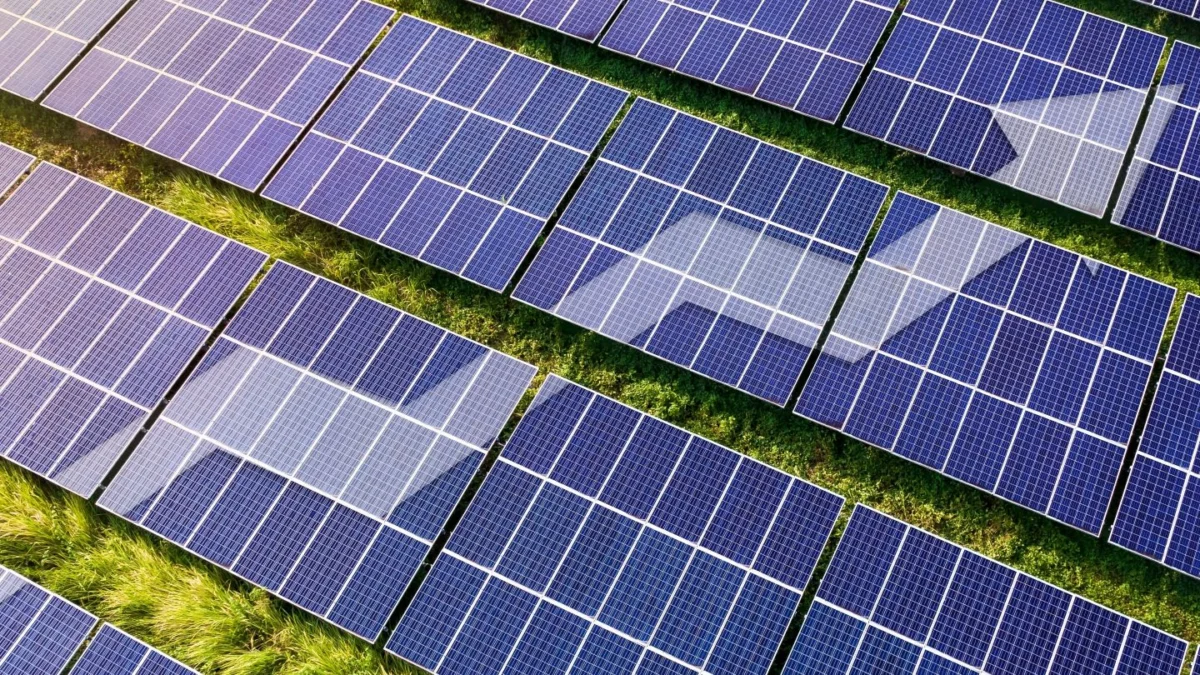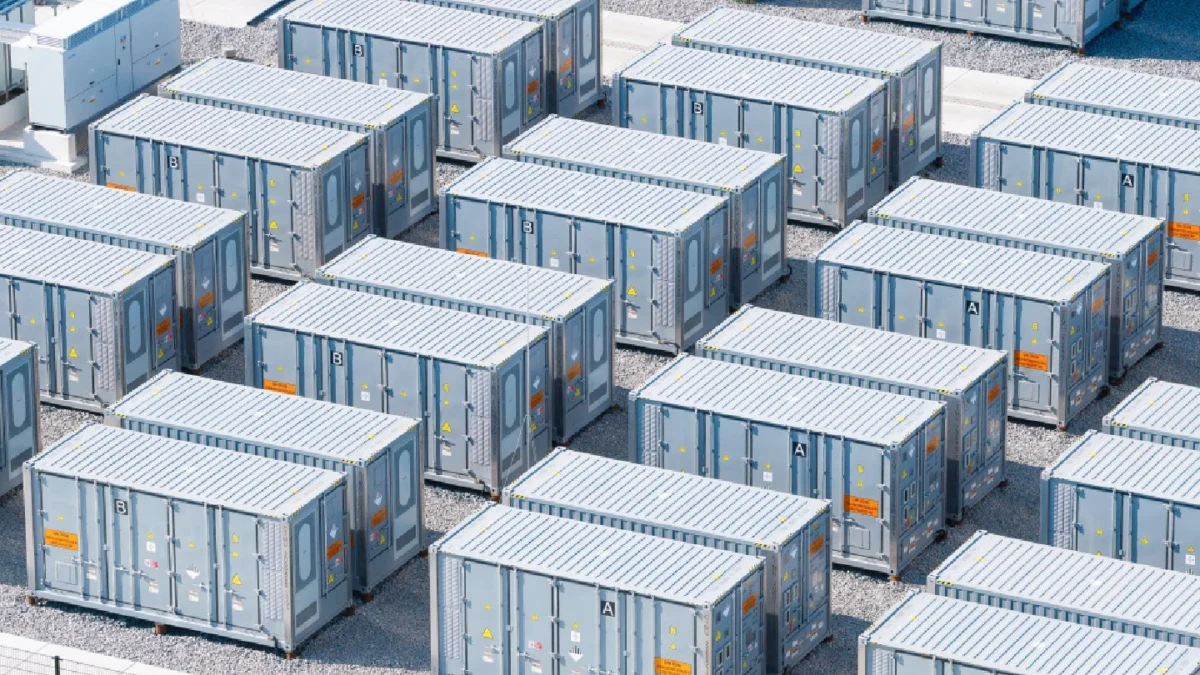
The landscape of Scotland’s energy infrastructure is set for a transformative shift. Renewable energy developer Island Green Power has officially received consent from Scottish Ministers to construct a monumental 500MW battery energy storage system (BESS) near New Deer, Aberdeenshire. The "Abbotshaugh Energy Storage" project represents a significant milestone in the UK’s transition toward a decarbonized grid, addressing the critical challenge of intermittency that has long hindered the full integration of wind and solar power.
Main Facts: The Abbotshaugh Project at a Glance
The Abbotshaugh Energy Storage project is not merely an infrastructure development; it is a strategic asset designed to fortify Scotland’s national grid. Located approximately 5km west of New Deer, the facility will occupy a nine-hectare (ha) plot within a larger designated site.
With a capacity of 500MW, the facility is designed to act as a massive "shock absorber" for the electricity network. By capturing surplus energy generated during periods of high wind or solar output—when supply often outstrips demand—the system will store that electricity in large-scale battery arrays. When demand spikes or renewable generation dips, the facility will discharge this stored power back into the grid, ensuring a steady, reliable flow of electricity for households and businesses across Scotland.
This project is a cornerstone of Island Green Power’s strategy to facilitate the UK’s Net Zero ambitions, providing the flexibility required to manage a grid increasingly reliant on weather-dependent energy sources.
Chronology: From Concept to Consent
The journey to the approval of the Abbotshaugh project is a reflection of the rigorous planning and consultation processes required for major infrastructure in the UK.
- 2013: Island Green Power is founded, marking the beginning of a decade-long trajectory that has seen the company advance more than 3GW of solar projects to "ready-to-build" status.
- Early Development Phase: Following site selection, the company conducted comprehensive environmental and technical feasibility studies to ensure the location near New Deer could support a high-capacity BESS without compromising local ecological integrity.
- Engagement and Consultation: Throughout the planning cycle, Island Green Power held extensive consultations with local residents, council members, and environmental stakeholders. This process was instrumental in shaping the final design, including the commitment to extensive landscaping and biodiversity enhancement measures.
- May 2025: A pivotal corporate shift occurred when Macquarie Asset Management completed the acquisition of Island Green Power. This acquisition provided the developer with the capital backing and long-term investment stability necessary to push forward large-scale projects like Abbotshaugh.
- September 2026 (Approval): The Scottish Ministers granted formal consent for the project, citing its alignment with Scotland’s energy security objectives and its potential to balance the national grid.
Supporting Data: Why BESS is Essential
To understand the significance of the Abbotshaugh project, one must examine the volatility of the modern energy market. As Scotland aggressively scales up its wind energy capacity—both onshore and offshore—the grid faces "curtailment" issues. Curtailment occurs when the grid cannot handle the volume of electricity being produced, forcing operators to pay wind farm owners to turn off their turbines.
The Role of Energy Storage
Energy storage systems provide a solution to this inefficiency. Data suggests that for every 1GW of renewable capacity added to the grid, a proportionate amount of storage is required to maintain frequency stability.
- Flexibility: The 500MW capacity allows for significant load shifting, moving power from times of low value (high supply) to high value (high demand).
- Grid Services: Beyond basic storage, the Abbotshaugh facility will likely participate in "frequency response" markets, providing ancillary services that help maintain the grid at 50Hz, preventing brownouts and technical failures.
- Environmental Impact: The site development includes a holistic biodiversity strategy. Beyond the battery containers, the project will implement native planting schemes to minimize the visual impact of the facility on the Aberdeenshire landscape, ensuring that the transition to green energy also respects the natural aesthetics of the rural environment.
Official Responses and Stakeholder Sentiment
The approval of the project has been met with measured optimism from both the developer and the broader energy sector.
Nick Bowen, project development manager at Island Green Power, highlighted the collaborative nature of the development: "We are grateful to everyone who engaged with the proposals and provided feedback throughout the development process. We will continue working closely with the local community and our project partners as we progress towards the next stage."
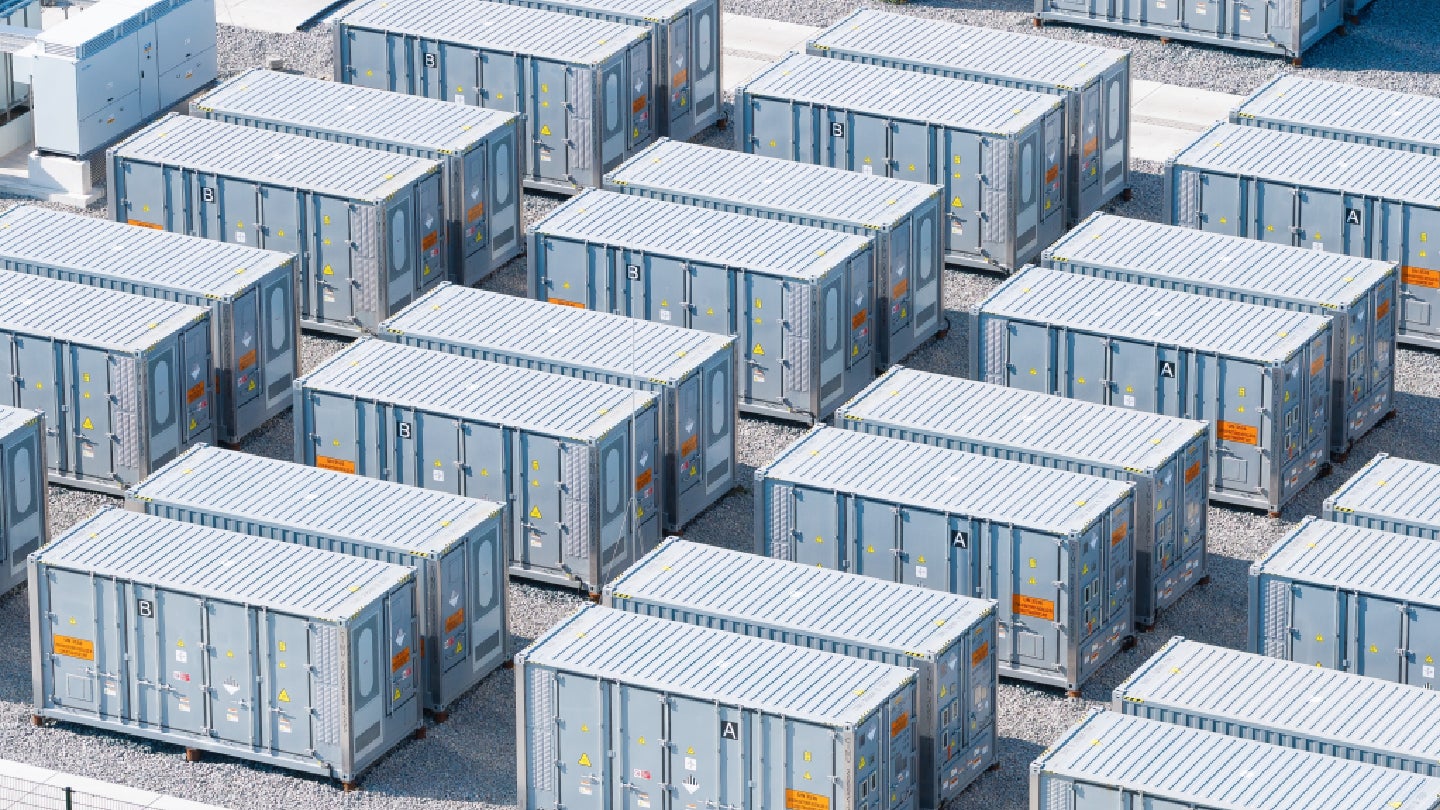
Bowen emphasized the strategic necessity of the project: "Abbotshaugh Energy Storage will play an important role in supporting a secure and resilient electricity system. By storing electricity and releasing it when it is needed, the project will help balance supply and demand and enable more effective use of Scotland’s renewable energy generation."
Local stakeholders have noted that the inclusion of landscaping and environmental mitigation was a primary factor in navigating the planning phase, setting a precedent for how renewable energy developers can coexist with rural community expectations.
The Broader Implications for the UK Energy Market
The Abbotshaugh Energy Storage project is emblematic of a global trend. As countries move away from fossil-fuel-based "baseload" power (such as coal or gas), they must replace it with a combination of intermittent renewables and flexible storage.
Strengthening Scotland’s Energy Position
Scotland is a leader in renewable generation, often producing more electricity than its population consumes. However, the lack of storage infrastructure has historically limited its ability to export this energy efficiently. Projects like Abbotshaugh act as a "battery buffer," allowing Scotland to solidify its position as an exporter of clean energy to the rest of the UK and Europe.
The Macquarie Factor
The acquisition of Island Green Power by Macquarie Asset Management in 2025 has provided a massive tailwind for the company. Macquarie’s deep-pocketed infrastructure arm is known for long-term investments in green energy. With a portfolio that now includes Island Green Power’s pipeline, the development of Abbotshaugh is likely just the first of many such projects. The ability to deploy capital quickly—and with the institutional expertise of a global asset manager—positions Island Green Power as a critical player in the energy transition across its operational regions, including Italy, Spain, Australia, and New Zealand.
A Blueprint for Future Developments
The planning success in Aberdeenshire serves as a blueprint for future BESS projects. The key takeaways for developers are:
- Early-stage transparency: Engaging with local communities before the planning application is finalized.
- Environmental integration: Moving beyond the "industrial" look of batteries by incorporating landscape architecture and biodiversity net gain.
- Strategic placement: Identifying sites near existing grid connection points to reduce the need for extensive, disruptive new transmission infrastructure.
Conclusion: The Road Ahead
As the Abbotshaugh project moves from the planning stage to construction, all eyes will be on the operational efficiency of the system. If the project performs as projected, it will provide a stable, reliable, and sustainable solution to one of the most pressing problems in modern electrical engineering: the intermittency of the sun and wind.
With the backing of Macquarie Asset Management and the formal consent of the Scottish Government, Island Green Power is poised to make a substantial contribution to the UK’s energy security. As the world watches the transition to a zero-carbon future, projects like Abbotshaugh demonstrate that the path to a sustainable grid is not just about generating power—it is about storing it, managing it, and ensuring it is available exactly when the consumer needs it most.
The successful delivery of this 500MW system will not only bolster Aberdeenshire’s local economy through construction and maintenance roles but will also serve as a vital piece of the national puzzle in reaching the UK’s 2035 and 2050 climate targets. The Abbotshaugh Energy Storage project is, quite literally, a power bank for the future of the nation.