In a significant move toward stabilizing India’s renewable energy landscape, ACME Solar has successfully secured $164 million (Rs15.71bn) in long-term project financing from the India Infrastructure Finance Company (IIFCL). This capital injection is earmarked for the development of the ACME Renewtech Sixth facility in Rajasthan, a 300MW "assured peak power" project that represents a critical shift in how India manages its grid stability through hybrid renewable solutions.
This transaction marks a milestone in corporate-institutional collaboration, as it is the first time IIFCL has acted as the sole lender for a greenfield project under the ACME Solar umbrella. The financing package comes with a generous 19-year repayment tenor, reflecting the long-term viability and strategic importance of the facility.
Main Facts: A Hybrid Energy Powerhouse
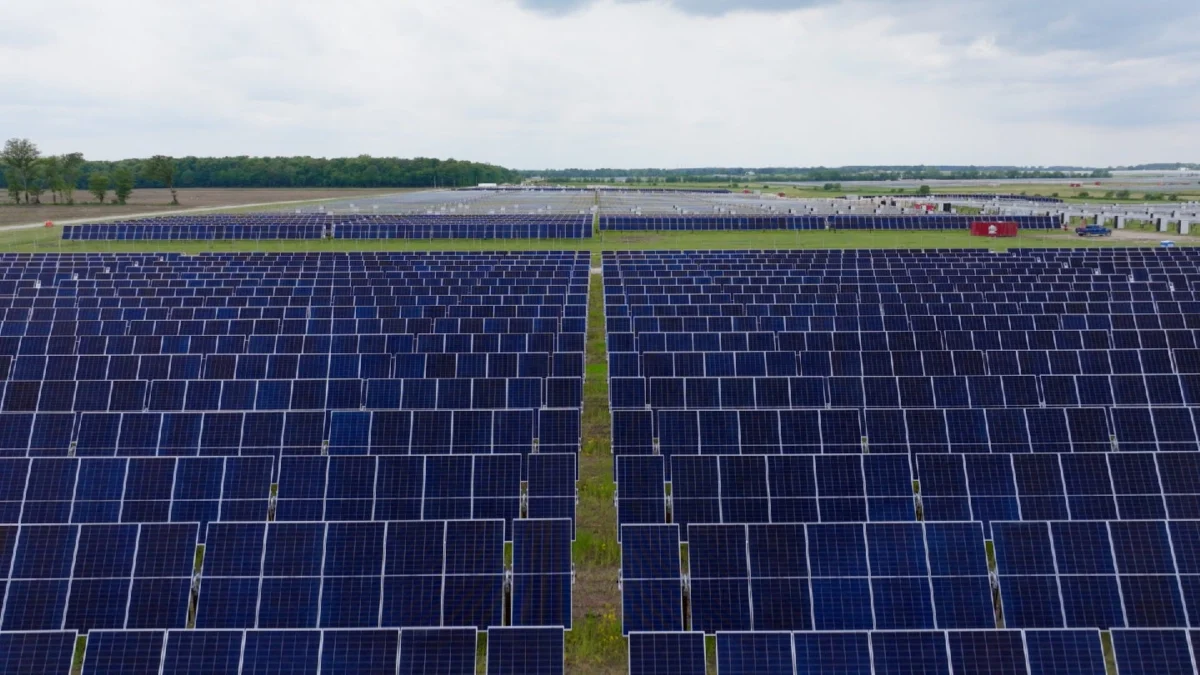
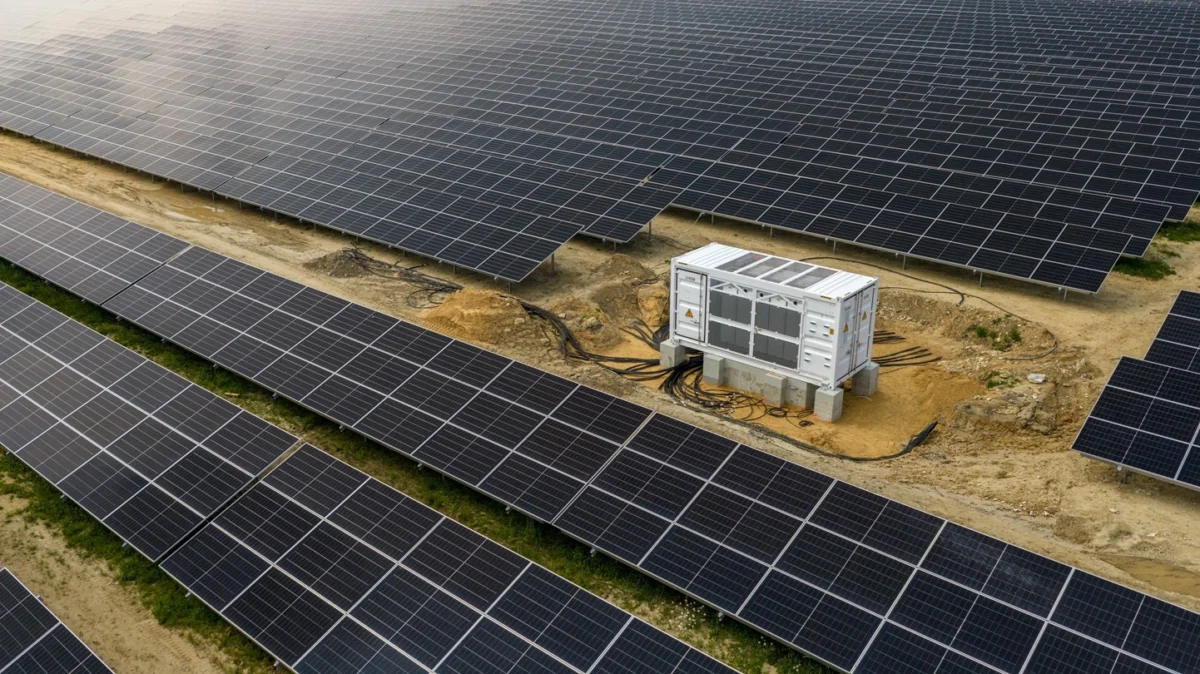
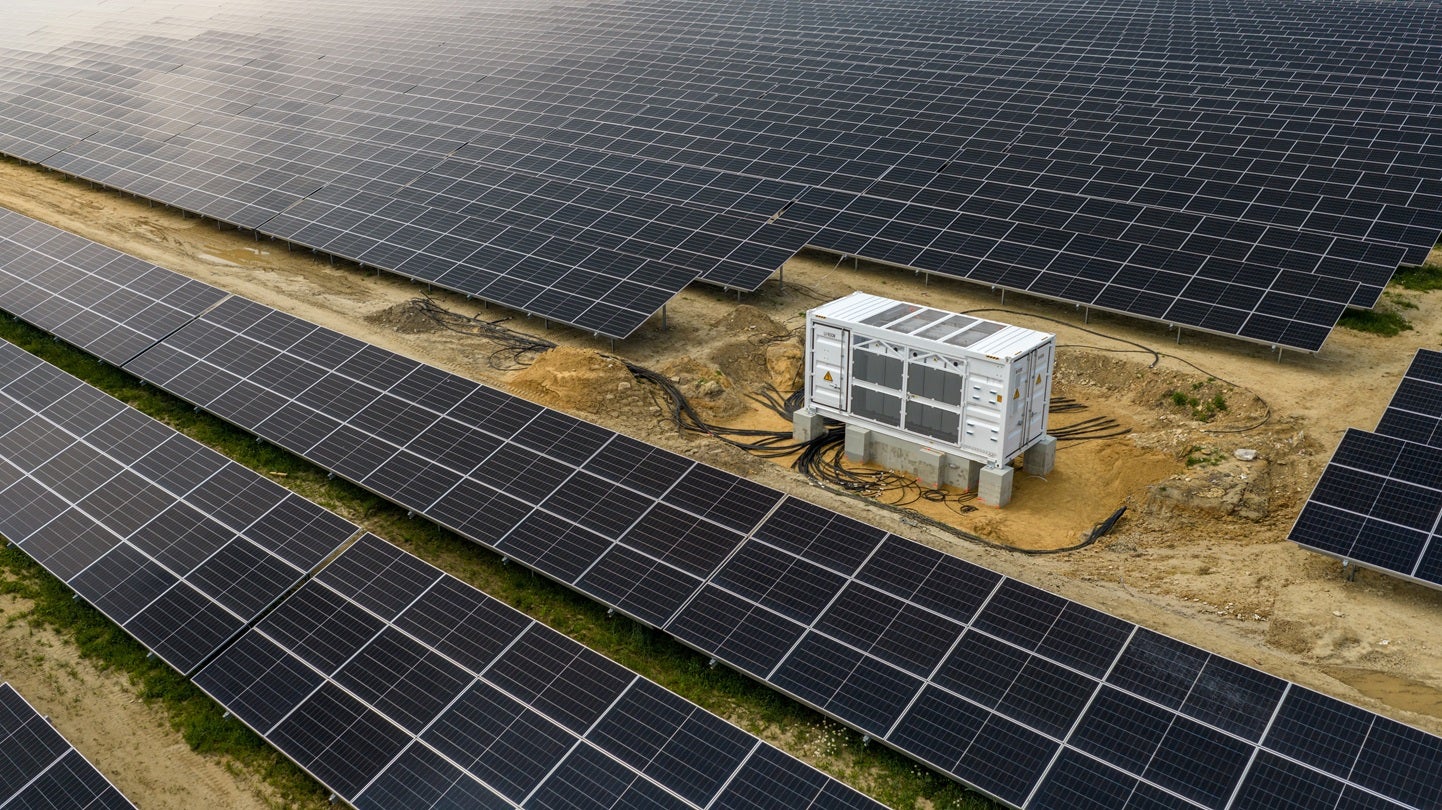
The ACME Renewtech Sixth project is not a conventional solar farm. Designed to address the intermittency challenges inherent in solar power, the facility integrates a massive 1.35GWh battery energy storage system (BESS). By coupling 300MW of solar generation with this significant storage capacity, the project is engineered to provide dispatchable, peak-load power—an essential requirement for the modern Indian electrical grid.
Under the terms of the project, ACME Solar has finalized a 25-year Power Purchase Agreement (PPA) with the Solar Energy Corporation of India (SECI). The agreed-upon tariff is set at Rs6.28 per unit, a rate that reflects the premium value of "on-demand" renewable energy compared to standard solar generation. The total capital expenditure for this state-of-the-art facility is estimated at Rs21.23bn.
Chronology of Development and Financial Milestones
The path to the current financial close has been marked by rigorous planning and rapid execution. While the funding announcement serves as the most recent catalyst, the project has been in development for several months:
- Initial Planning and Land Acquisition: ACME Solar prioritized the acquisition of land in Rajasthan, a region favored for its high solar irradiance. As of the latest update, land acquisition is reported as largely complete, clearing the primary hurdle for large-scale infrastructure deployment.
- Infrastructure Progress: Construction is currently in an advanced phase. Significant milestones have been achieved in grid connectivity, with the pooling substation and dedicated transmission infrastructure now nearing completion.
- Broadening the Portfolio: This project is part of a wider strategic push by ACME Solar to accelerate its deployment of hybrid, storage-linked assets. The company’s financial momentum is evidenced by its total fundraising for the current fiscal year, which has reached an impressive Rs109.7bn.
- Strategic Financing: July 2026 served as a precursor to this deal, with ACME Solar securing Rs34bn from the Power Finance Corporation (PFC) for its 250MW "ACME Urja One" (Phase III) project. This established a pattern of successful engagement with major Indian financial institutions.
Supporting Data: The Scale of Ambition
To understand the magnitude of ACME Solar’s impact, one must look at their broader portfolio and the technical specifications of their recent ventures.
The Portfolio Footprint
ACME Solar currently manages a diversified renewable energy portfolio totaling 8.37GW. This portfolio includes a mix of operational and under-construction assets spanning:
- Solar Photovoltaic (PV)
- Battery Energy Storage Systems (BESS)
- Wind Power
- Hybrid Renewable Technologies
Financial Context
The Rs21.23bn capital requirement for the Renewtech Sixth facility is being met through a combination of debt and equity, with the Rs15.71bn from IIFCL forming the bedrock of the project’s debt structure. The 19-year repayment cycle is particularly noteworthy, as it aligns with the 25-year lifespan of the PPA, ensuring that debt service coverage ratios (DSCR) remain healthy throughout the project’s productive life.
Official Strategic Perspectives
ACME Solar has maintained a consistent narrative regarding its development strategy: the transition from "intermittent" to "dispatchable" renewables. Company leadership has frequently emphasized that the future of the Indian energy market lies in hybrid assets. By integrating BESS, ACME is effectively mitigating the "duck curve" phenomenon—where solar production peaks during the day when demand is low, and drops off in the evening when demand spikes.
By fulfilling contractual supply obligations through these hybrid configurations, the company is positioning itself as a reliable partner to state-owned distribution companies (DISCOMs) and central entities like SECI. The collaboration with IIFCL further validates this model; having a premier infrastructure lender step in as a sole financier indicates a high level of institutional confidence in both the technology and the project’s long-term revenue visibility.
Implications for the Indian Energy Market
The successful financing of the ACME Renewtech Sixth project carries profound implications for the renewable sector in India.
1. The Rise of "Firm" Renewables
For years, the critique of solar energy has been its inability to provide power when the sun is not shining. The shift toward projects that include large-scale battery storage, such as this 1.35GWh facility, changes the discourse. This project is a clear indicator that India is moving toward a "Round-the-Clock" (RTC) or "Peak-Power" renewable model, which will be essential for meeting the nation’s ambitious net-zero targets.
2. Deepening Capital Markets for Green Infrastructure
The role of IIFCL as a sole lender is a significant development. It suggests that Indian public financial institutions are becoming increasingly comfortable with the risk profile of advanced renewable technologies. This could pave the way for more "project-specific" financing structures, reducing the reliance on syndicated loans and simplifying the debt management process for independent power producers (IPPs).
3. Economic Impact in Rajasthan
Rajasthan continues to emerge as the renewable energy hub of India. The development of such high-capacity, technology-intensive plants drives local employment, infrastructure upgrades, and technological transfer. Furthermore, the reliance on domestically produced or managed power assets strengthens India’s energy security and reduces dependence on imported fossil fuels.
4. Setting a Tariff Benchmark
The Rs6.28 per unit tariff is higher than traditional solar-only tariffs, which have often hovered in the lower Rs2-Rs3 range. However, this premium is a reflection of the "value-added" nature of the power supplied. By providing dispatchable, peak-time electricity, the project is essentially providing a service that competes with thermal and gas-based peaking plants. The success of this pricing model will likely dictate how future auctions for firm and dispatchable renewable energy are structured.
Future Outlook
As ACME Solar continues to deploy capital into its 8.37GW portfolio, the industry will be watching the Renewtech Sixth facility closely. Its operational success will serve as a bellwether for the viability of large-scale BESS integration in the Indian climate.
With grid connectivity and substation work nearing completion, the project is well-positioned to meet its construction timelines. For the broader Indian energy market, the success of this project is not merely about adding 300MW of capacity; it is about proving that the grid can be stabilized through smart, storage-backed renewable infrastructure. As India races to meet its energy demands, the blueprint provided by ACME and its financial partners—IIFCL, PFC, and others—will likely become the standard for the next decade of energy transition.
In conclusion, the $164 million financing for the ACME Renewtech Sixth facility is more than just a capital transaction. It is a strategic endorsement of the hybrid energy future. By bridging the gap between intermittent generation and peak demand, ACME Solar is helping to redefine the role of renewable energy in India’s industrial and economic development.