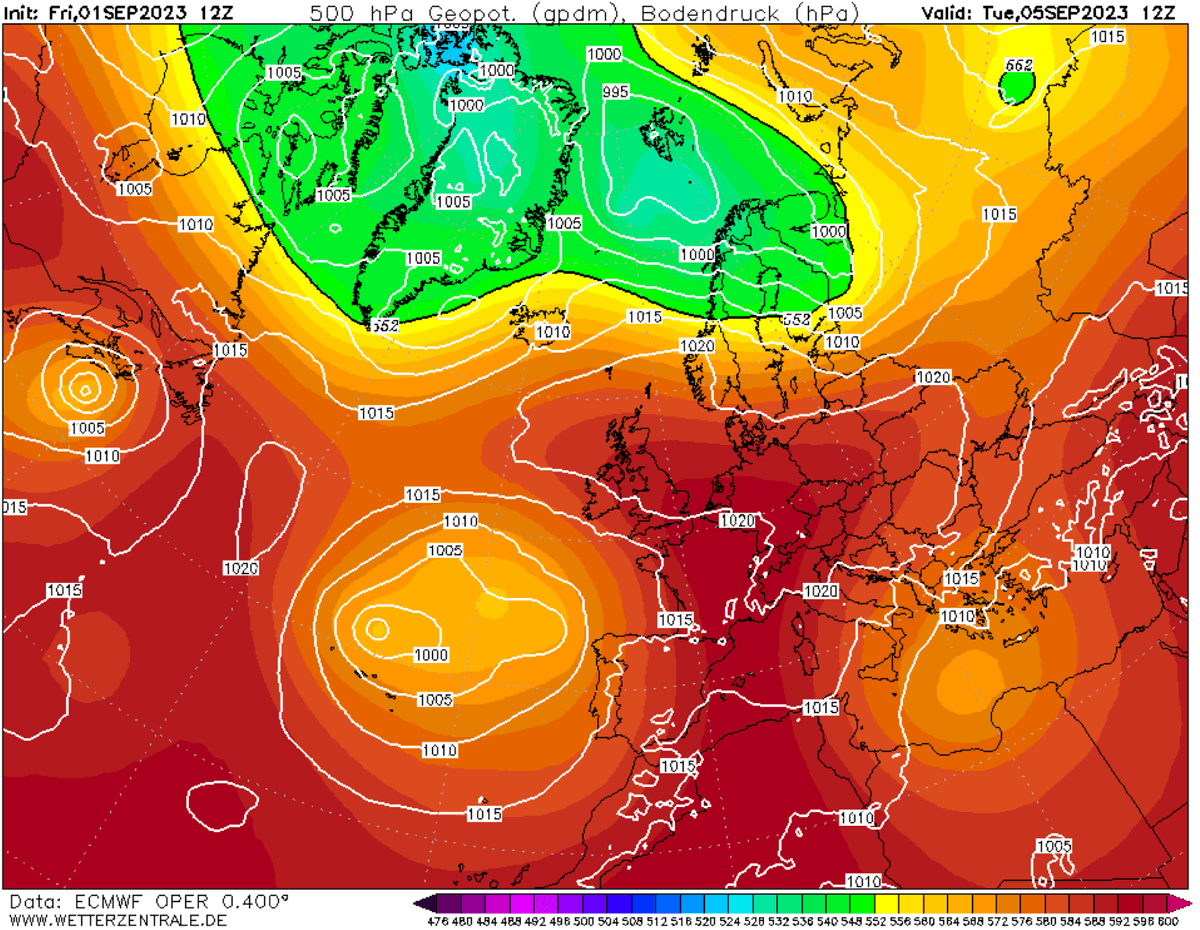
As July 2026 draws to a close, the European continent is preparing for what meteorologists are calling a "monstrous" and potentially record-shattering weather event. A textbook atmospheric Omega block has locked a persistent, long-lasting Heat Dome over Western and Central Europe, as well as the Mediterranean. This marks the fourth significant heatwave of the summer, and experts warn that it may be the most intense and geographically expansive one yet.
With North African air masses surging northward, the coming days threaten to rewrite historical climate data as temperatures soar toward levels previously considered outliers.

The Meteorological Engine: Understanding the Heat Dome
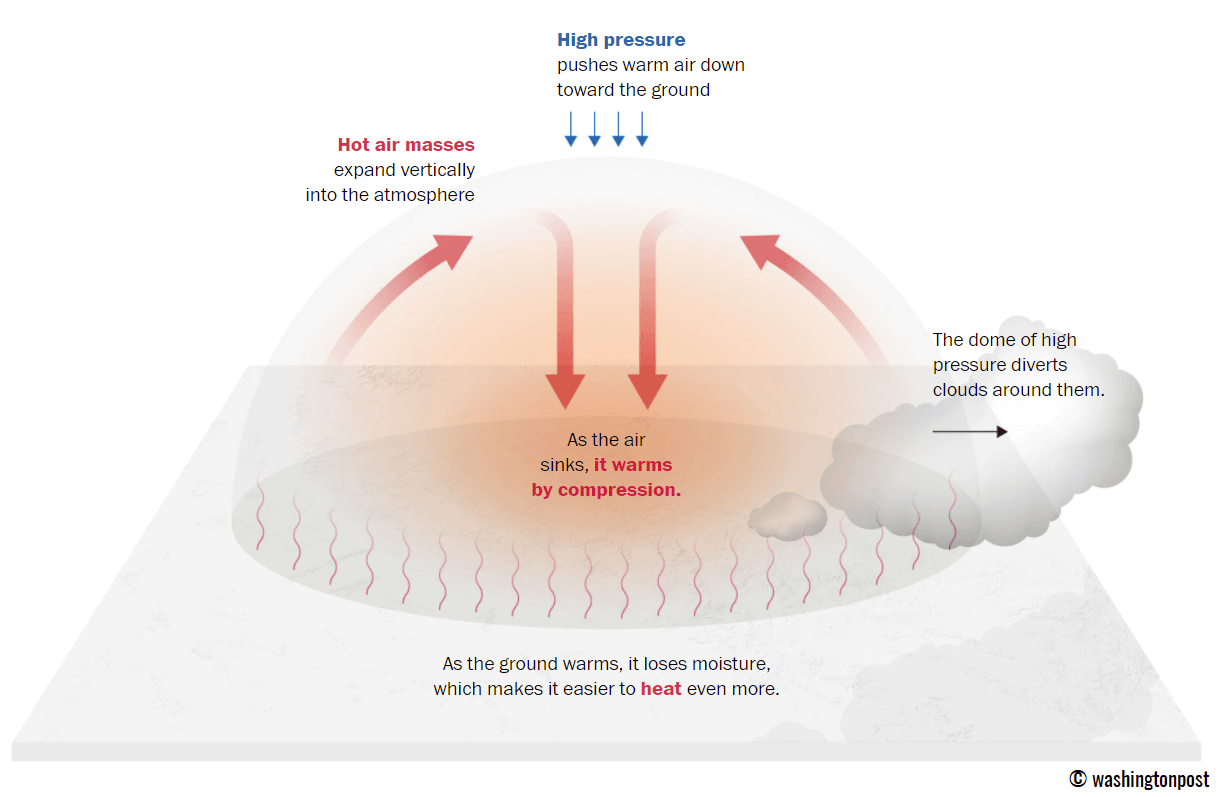
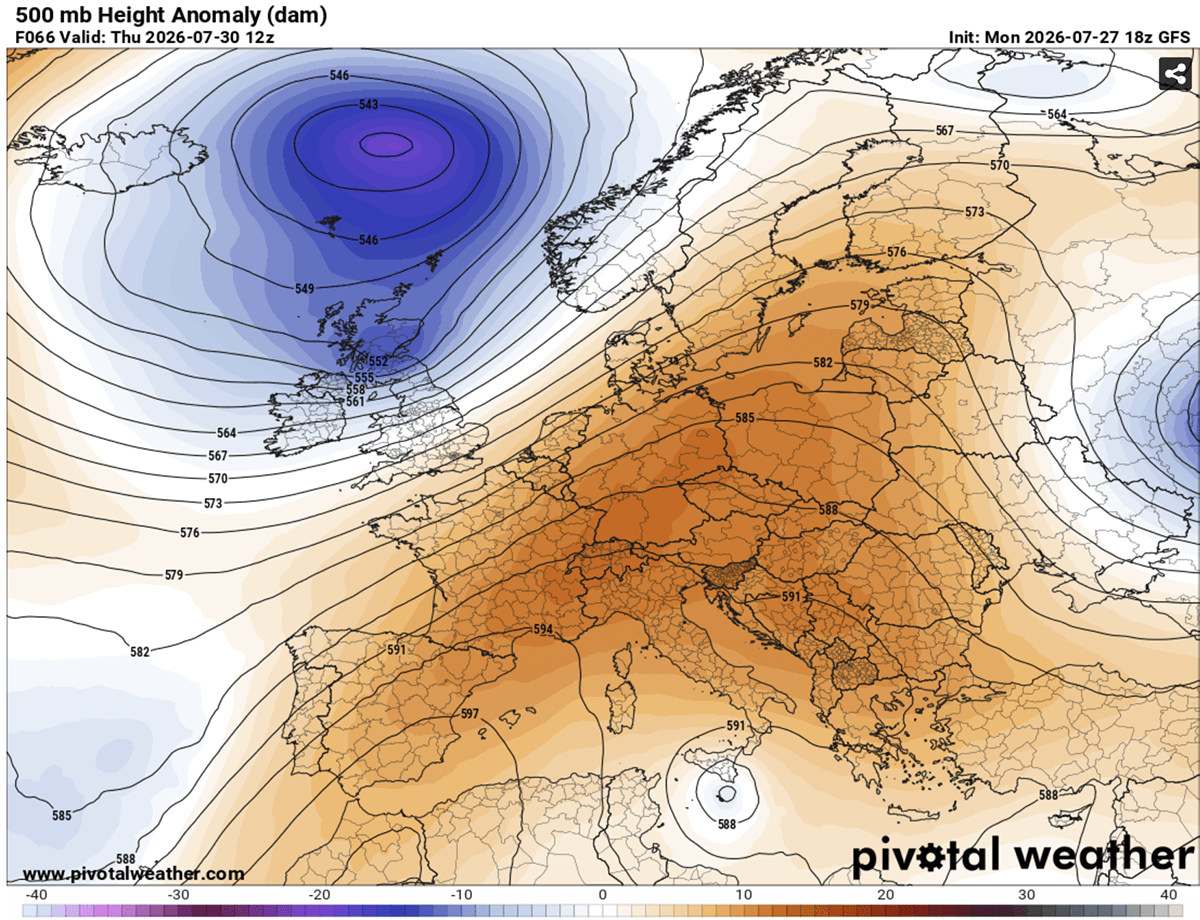
At the heart of this crisis is a stationary high-pressure system, technically referred to as a "Heat Dome." To the average observer, this phenomenon acts as a lid on a pot: it traps warm air at all levels of the atmosphere and forces it to sink toward the ground. As this air compresses, it heats up rapidly, creating an oven-like effect that can persist for days or even weeks.
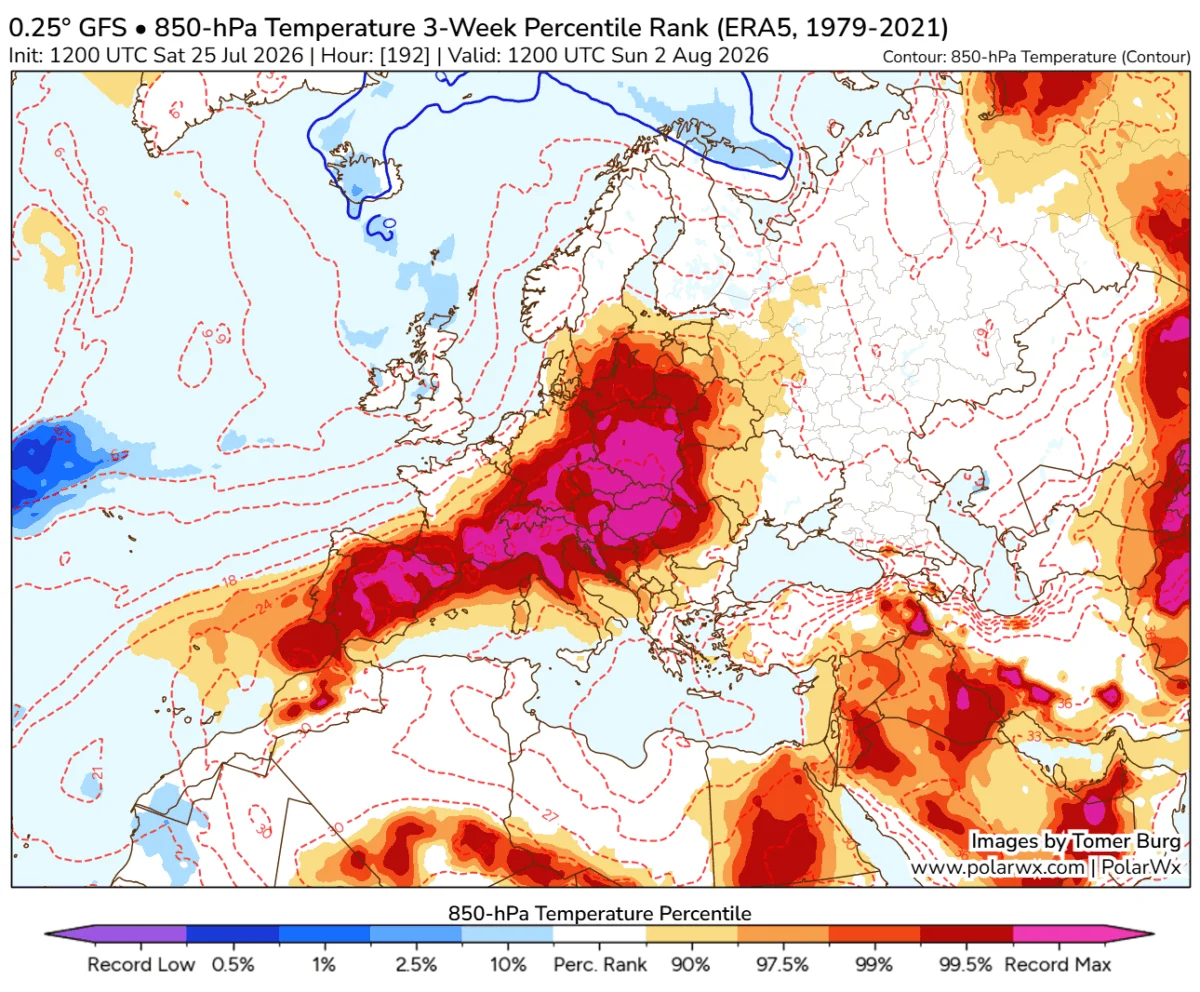
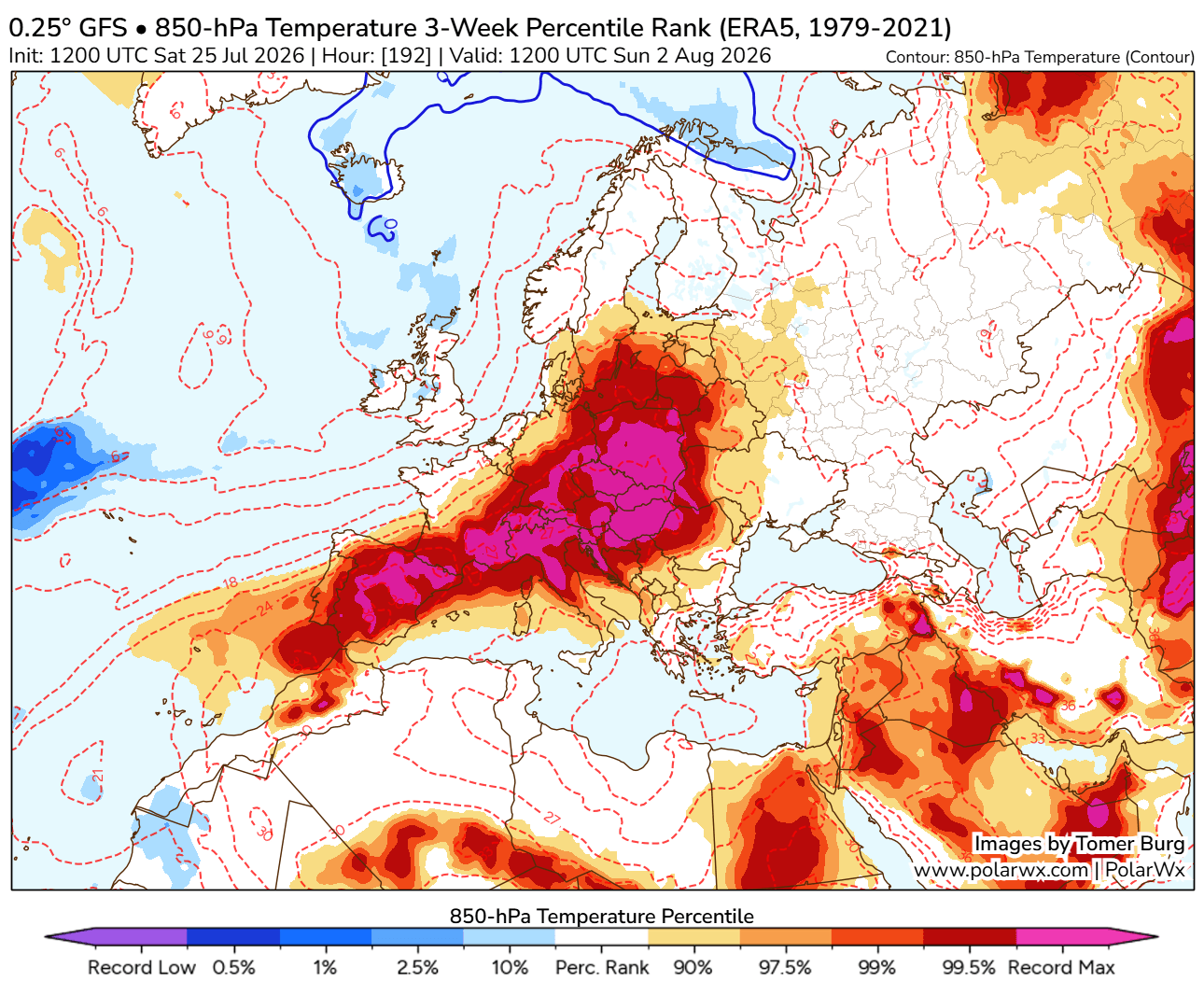
This specific event is driven by a synoptic setup that pumps an exceptionally hot, dry air mass straight from the Sahara Desert into the heart of Europe. Global ensemble weather models are currently indicating mid- to upper-air thermal anomalies tracking well into the 99th percentile. Some models suggest temperatures at the 850 mbar level—a key metric for tracking atmospheric heat—could reach between 25 and 28°C, an extreme reading that historically correlates with the most severe heatwaves on record.
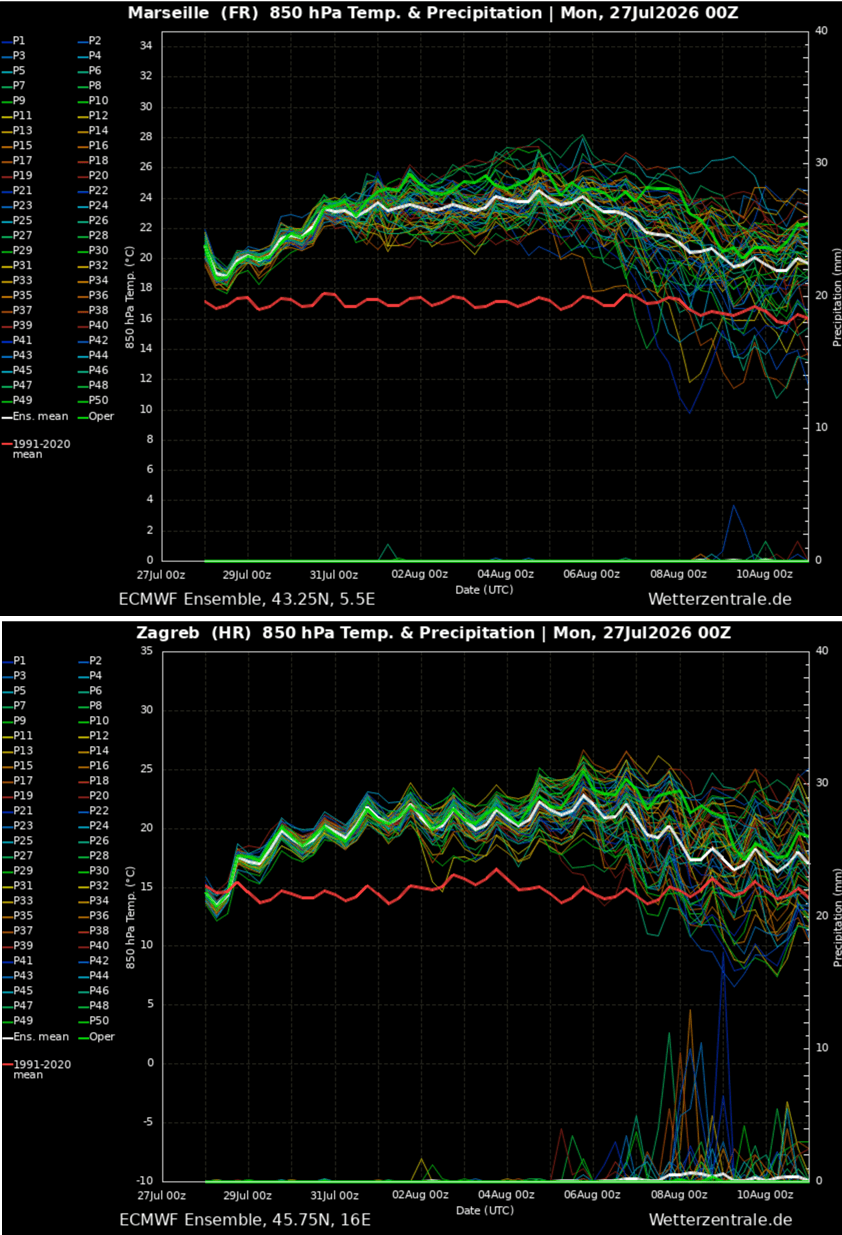
A Chronology of the 2026 Heat Siege
The progression of this heatwave is methodical and relentless, moving across the continent in stages:
- Late July (The Onset): The Iberian Peninsula and France serve as the initial battleground. Temperatures are expected to surge past the 40°C mark, with some localized areas in the south potentially hitting 45°C.
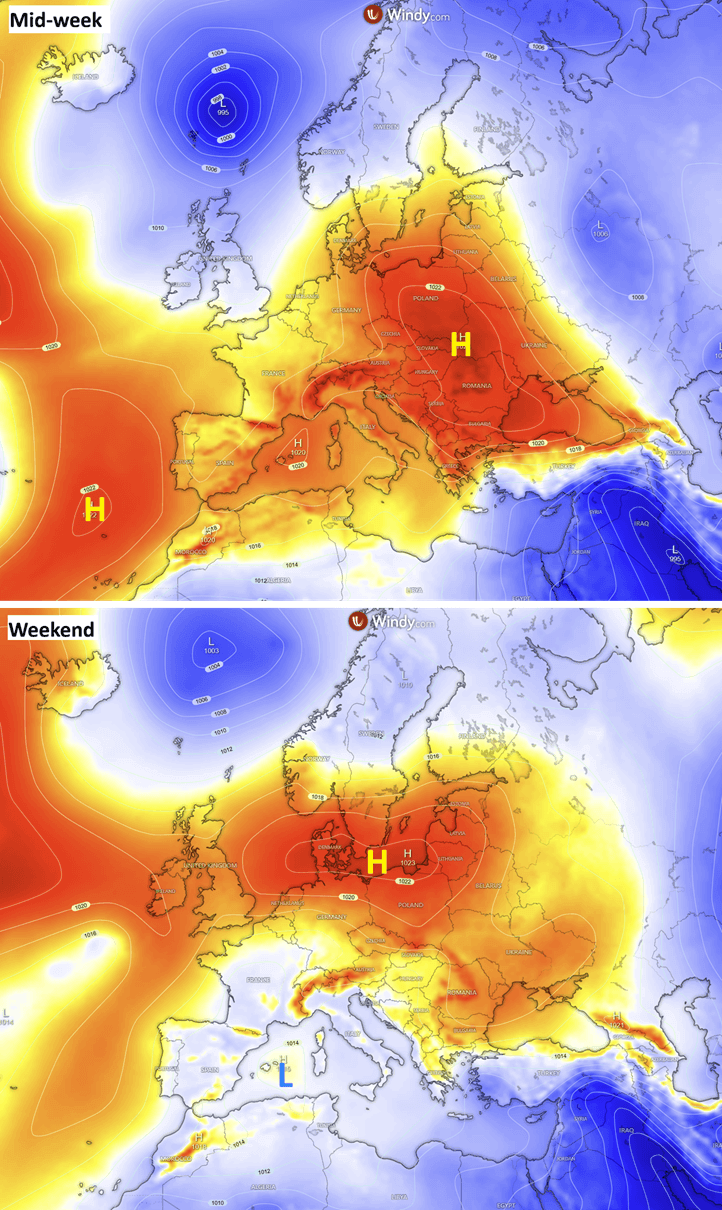
- Mid-Week (Expansion): The core of the ridge will drift eastward. Germany, the Benelux region, and the United Kingdom will experience their peak intensity on Wednesday and Thursday. In the UK, southern and central England may see temperatures climb to between 33 and 36°C.
- The Weekend (The Balkan/Central Peak): As the high-pressure system shifts its center toward Eastern Europe, the Balkans, Italy, and Hungary will face the brunt of the heat. The Po Valley and the Pannonian plains are projected to see 40–43°C readings for multiple consecutive days.
- Early August (The Eastern Shift): The heat will ultimately penetrate Ukraine, Moldova, and Western Russia, with temperatures sustaining levels between 38 and 41°C well into the following week.
Supporting Data and Technical Forecasts
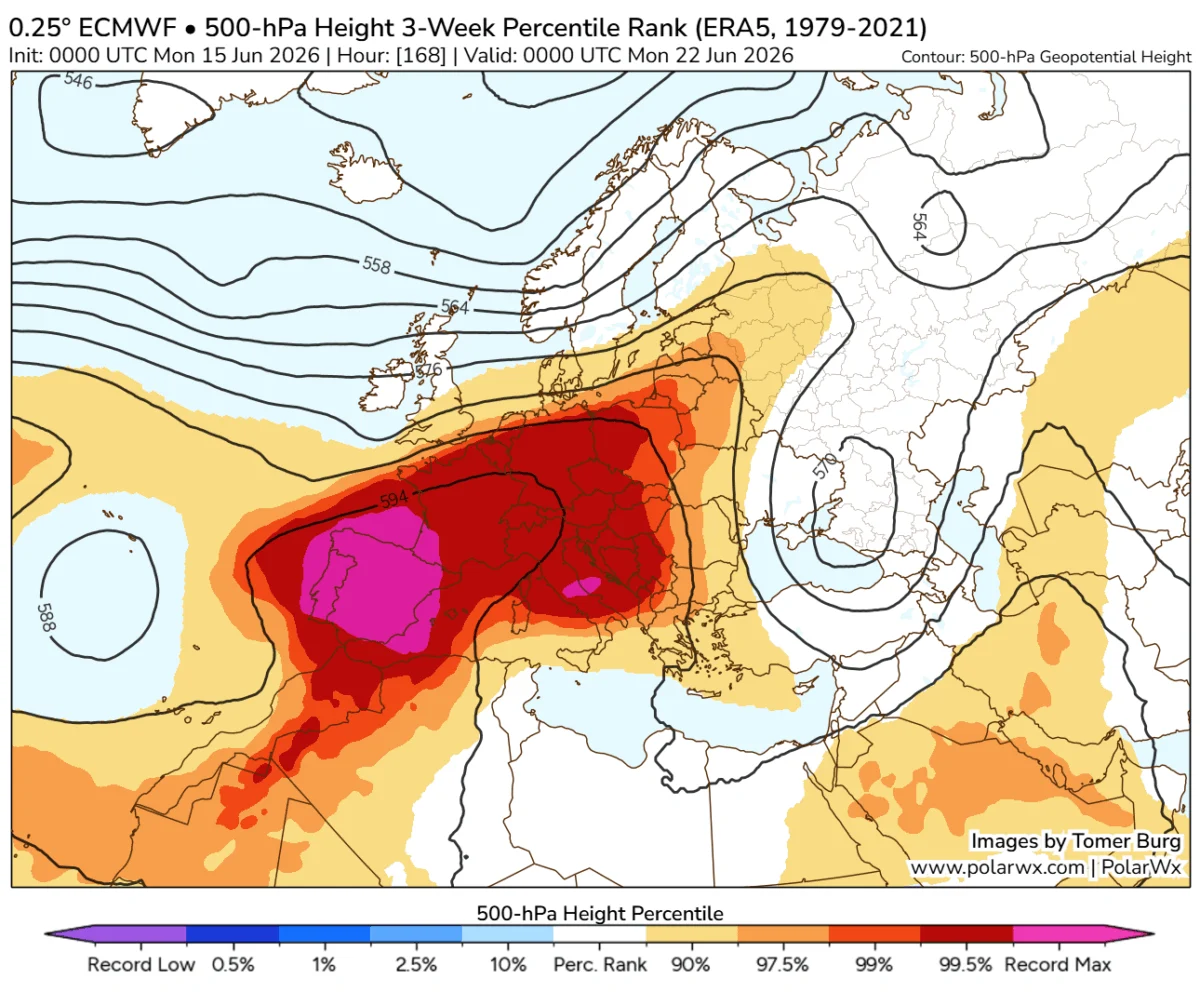
The sheer scale of this anomaly is supported by high-resolution modeling from the ECMWF and GFS. The 500 mbar geopotential heights—a measure of how "thick" and warm the atmosphere is—are forecast to reach near-record levels.
A critical factor compounding the heat is the "Foehn effect," where dry air descending from mountainous regions warms further as it loses moisture. This, combined with relative humidity levels plunging below 20 percent, creates a landscape primed for combustion. The nighttime relief, which is essential for human recovery, will be virtually nonexistent. Forecasters are predicting "tropical nights," where temperatures refuse to dip below 25–28°C, effectively keeping the human body in a constant state of heat-induced physiological stress.
Ecological and Societal Implications
The danger of this heatwave extends far beyond the thermometer. We are witnessing an intersection of meteorological extremes and ecological fragility.
The Wildfire Crisis
Tinder-dry forests in southern France and Spain are currently under extreme wildfire risk. As the dry heat expands toward the Balkans and Italy, the risk of explosive, uncontrollable fire behavior increases. The combination of sustained high temperatures and low humidity, exacerbated by strong winds, creates a dangerous environment where fires can ignite and spread with unprecedented speed.
Human Health and Vulnerability
"Extreme heat is a silent killer," note health officials. The human body requires a cooling period, typically during the night; when nighttime temperatures remain in the mid-20s, the body’s ability to recover from daytime heat stress is compromised.
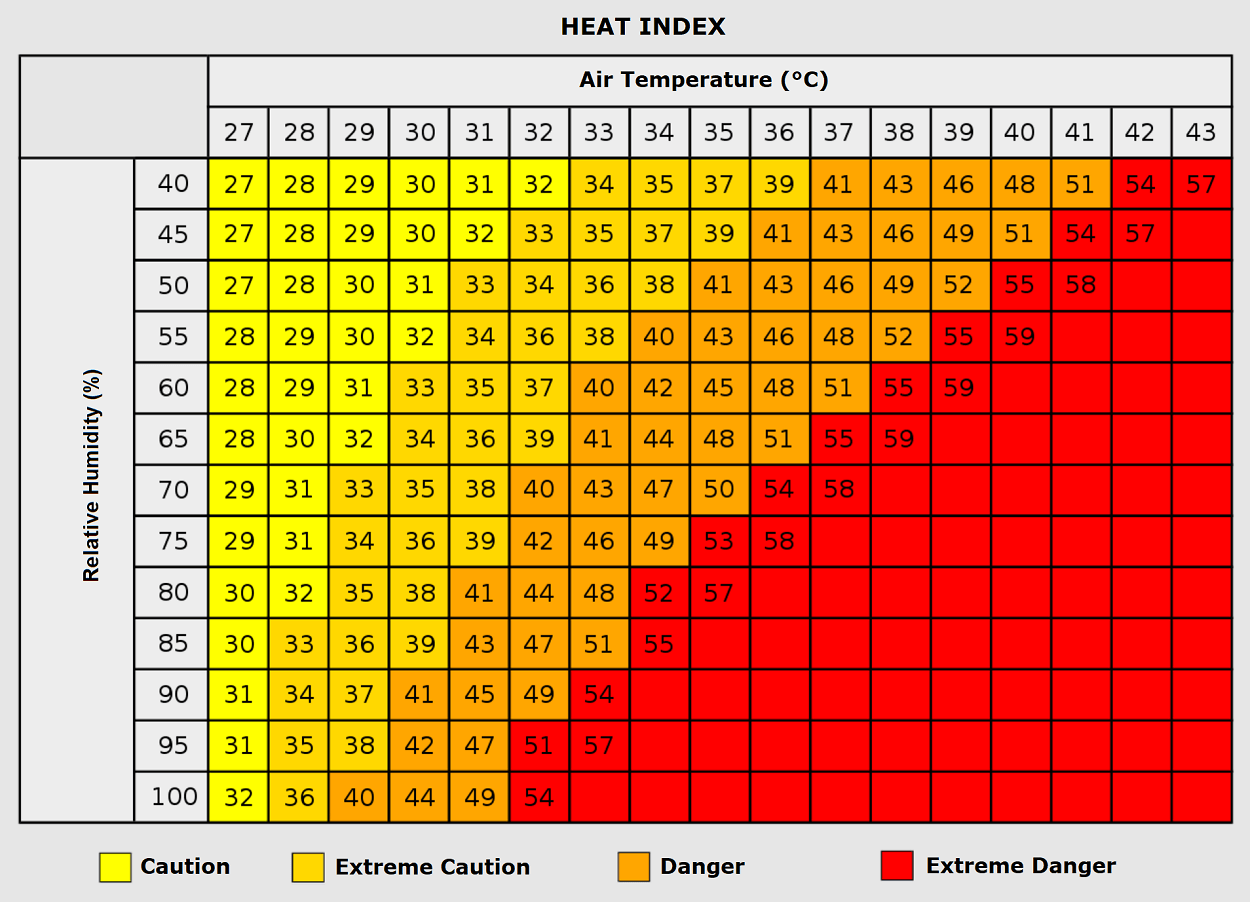
Vulnerable populations—specifically the elderly, children, and those with pre-existing cardiovascular or respiratory conditions—are at the highest risk. Furthermore, the socio-economic impact cannot be ignored. In Europe, where residential air conditioning is significantly less common than in the United States, the infrastructure is not designed to handle such prolonged, high-intensity heat. Emergency services are bracing for a surge in heatstroke, dehydration, and cardiovascular events.
Farmers and outdoor laborers face a dual threat: the physical toll of working in 40°C+ conditions and the catastrophic impact of crop failure due to prolonged drought conditions being exacerbated by this current dome.
Official Responses and Public Safety
While there is no "official" regional government to issue a continent-wide mandate, national weather services across the affected countries have begun issuing "Red" and "Orange" level alerts. These warnings emphasize:
- Hydration and Shelter: Residents are urged to stay indoors during peak hours (11:00 AM to 6:00 PM) and maintain hydration.
- Energy Conservation: As air conditioning usage spikes, grid stability becomes a concern. Authorities are asking for cautious consumption to prevent localized power outages.
- Fire Safety: Most regional governments in the Mediterranean and the Balkans have implemented total bans on open fires, campfires, and agricultural burning.
Looking Ahead: A New Climate Norm?
The 2026 summer season has been characterized by a series of high-pressure blocks. The driving force behind this pattern is a recurring, yet increasingly intense, ridge building out of Northwest Africa. While heatwaves are a natural occurrence, the frequency and intensity of these "Omega blocks" are being closely studied by climatologists for links to broader atmospheric shifts.
As the continent enters August, the focus remains on the persistence of the heat. With the potential for the Heat Dome to linger for nearly two weeks, the accumulation of thermal energy in the soil and urban structures will make the latter half of the summer significantly more challenging.
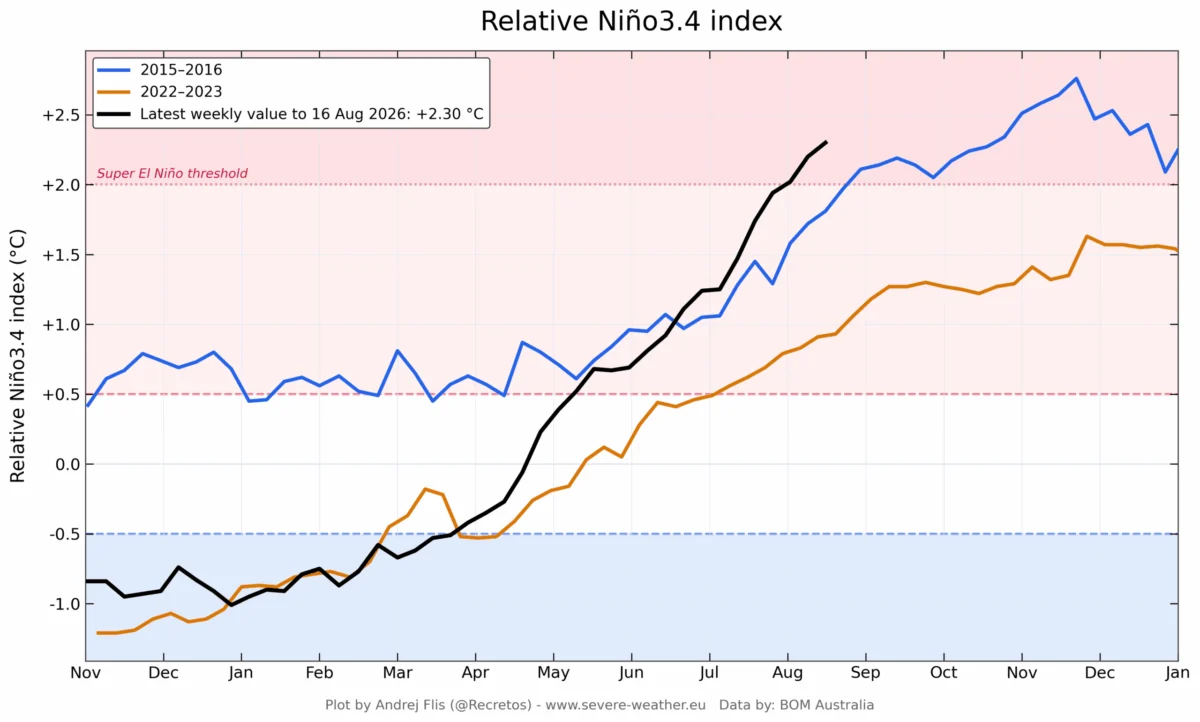
The scientific community is also keeping a wary eye on the Pacific Ocean, where a "Super El Niño" signal is beginning to emerge. Whether this current heatwave is a precursor to a volatile winter or merely a symptom of a warming global climate, the message to the public remains the same: this is a historic event, and the coming days require extreme caution.
For the millions of residents and tourists currently across Europe, the priority must be vigilance. With temperatures set to challenge all-time records in multiple countries, the continent is entering a period where historical context is being rewritten, and the resilience of both infrastructure and humanity is being put to the ultimate test. Stay tuned to local meteorological updates, as forecasts will evolve as the system settles over Central and Eastern Europe throughout the weekend.