As July progresses, Europe finds itself gripped by a formidable atmospheric phenomenon that is rewriting the meteorological record books. A massive, persistent upper-level ridge—commonly referred to as a "Heat Dome"—has locked into place over Southwestern Europe, effectively acting as a thermal lid that prevents the influx of cooler maritime air from the Atlantic. The result is a prolonged, high-stakes weather event characterized by extreme temperatures, dangerously low soil moisture, and a rapidly escalating wildfire crisis.
The Anatomy of the Heat Dome: A Meteorological Stranglehold
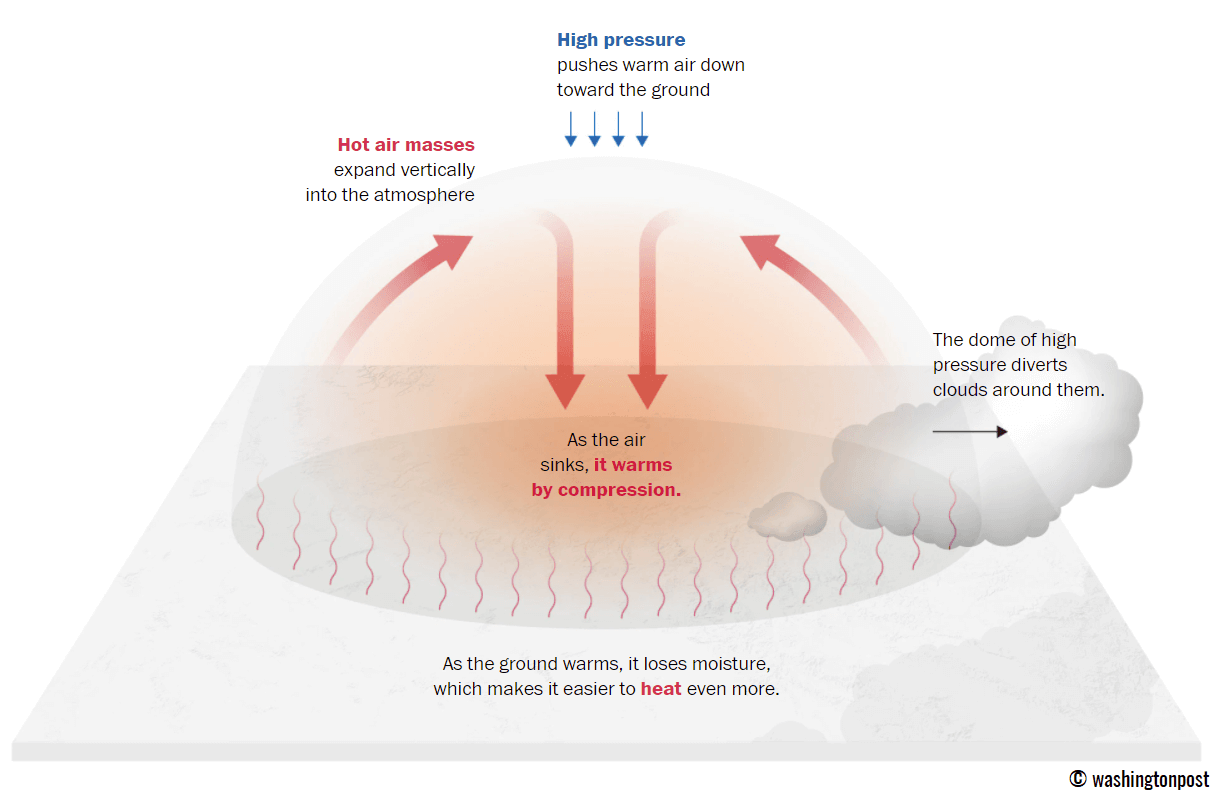
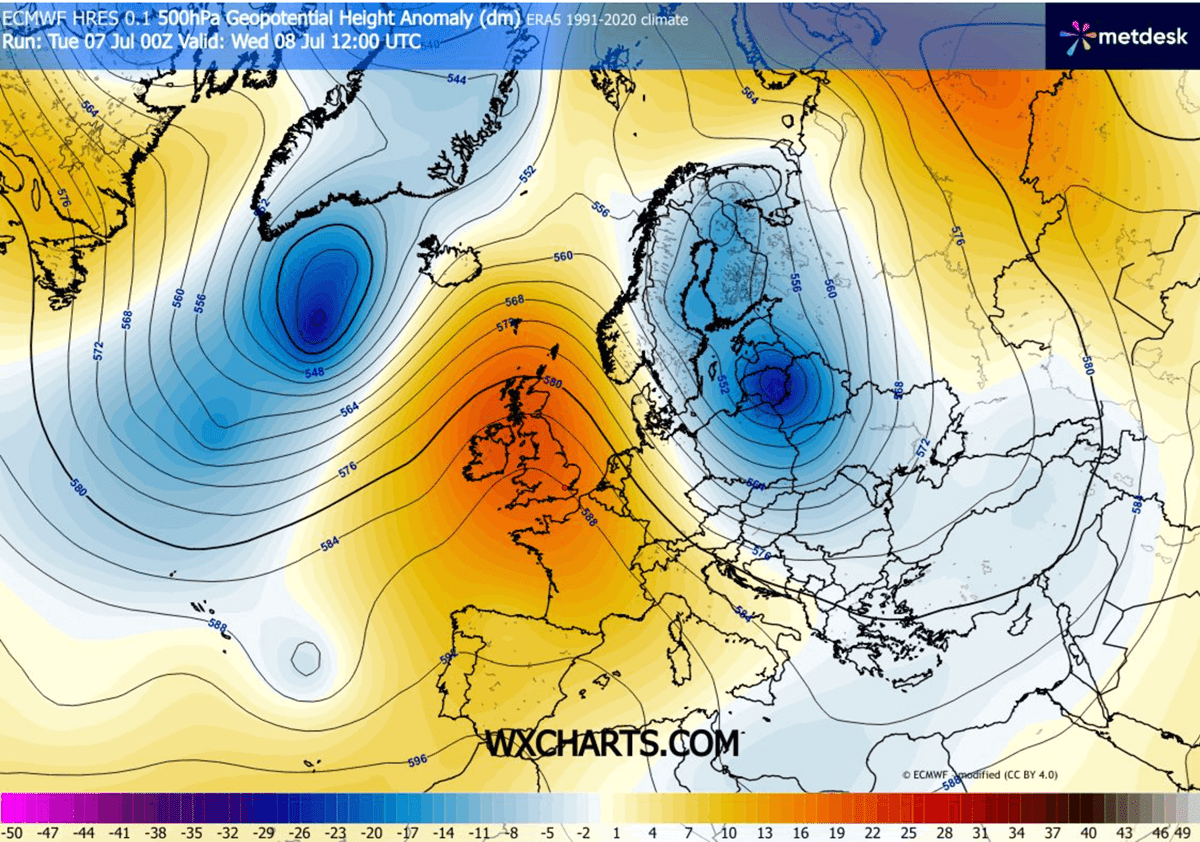
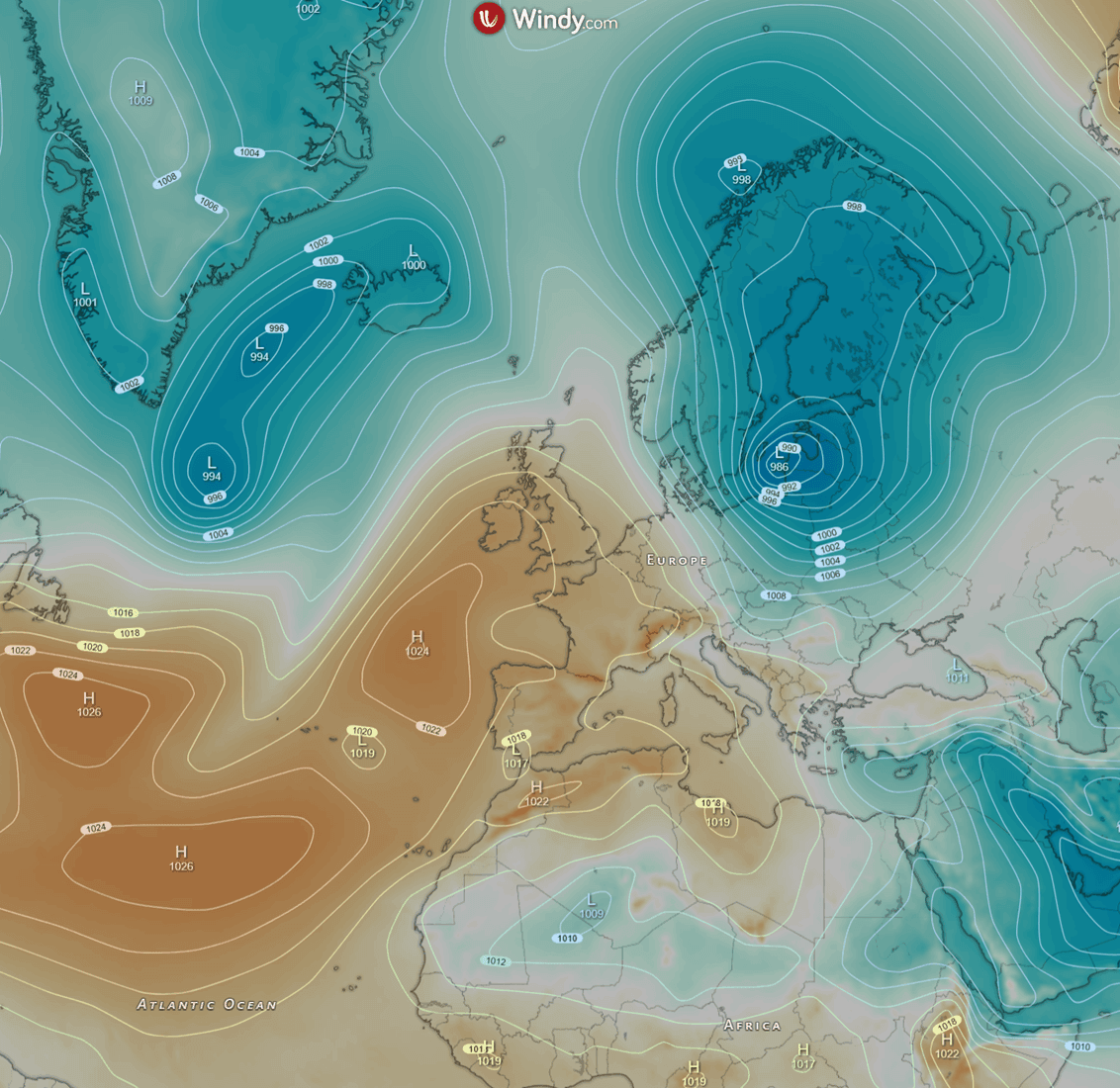
To understand the current crisis, one must understand the mechanics of the Heat Dome. This phenomenon occurs when a broad area of high-pressure air parks itself over a significant portion of a continent. Often associated with "Omega Blocking" patterns, the ridge forces air to descend, which compresses and heats it, creating an oven-like effect at the surface.

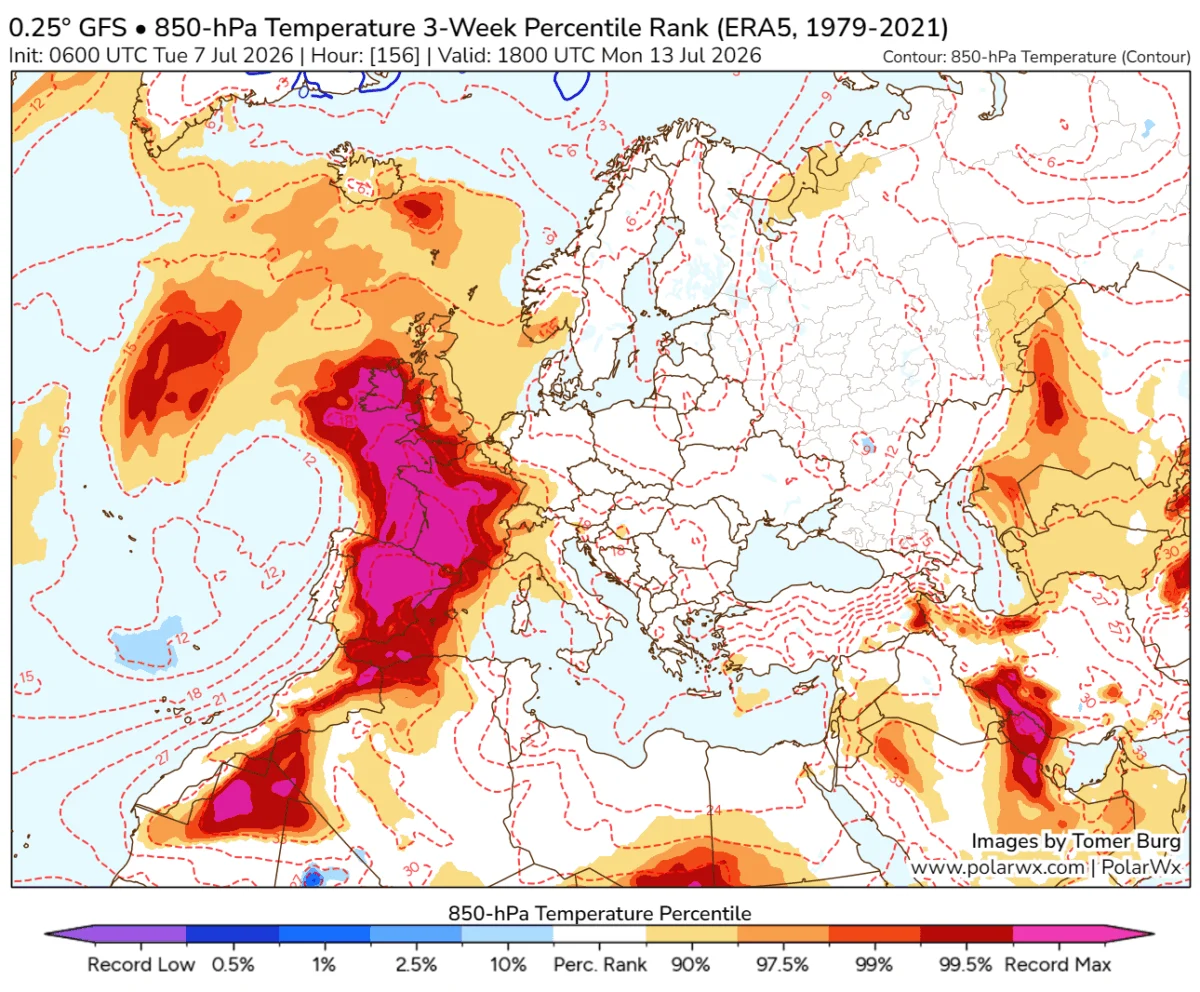
In this specific instance, the ridge is drawing an intensely warm air mass directly from Northwest Africa, funnelling it into Spain, Portugal, and France. Because this system is remarkably stable, it refuses to dissipate, trapping heat at all levels of the atmosphere. This lack of movement is the primary reason why overnight cooling cycles are failing, leading to "tropical nights"—a meteorological term for periods where the temperature fails to drop below 20°C (68°F), denying urban populations a critical reprieve from the daytime swelter.
Chronology of a Continental Scorcher
The trajectory of this heatwave is both alarming and predictable based on current models.
Late June Foundation: The current event is not an isolated incident; it follows a historic, record-obliterating heatwave in late June that left the soil parched and ecosystems fragile. The residual impact of these previous records means that the landscape entered July with a massive "thermal debt."
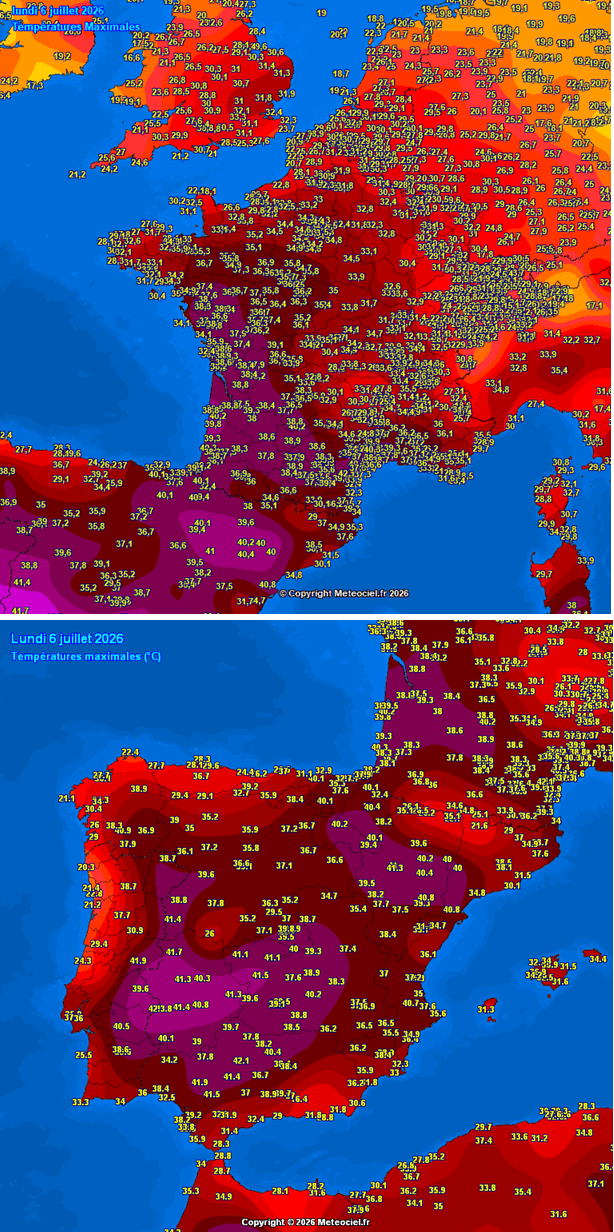
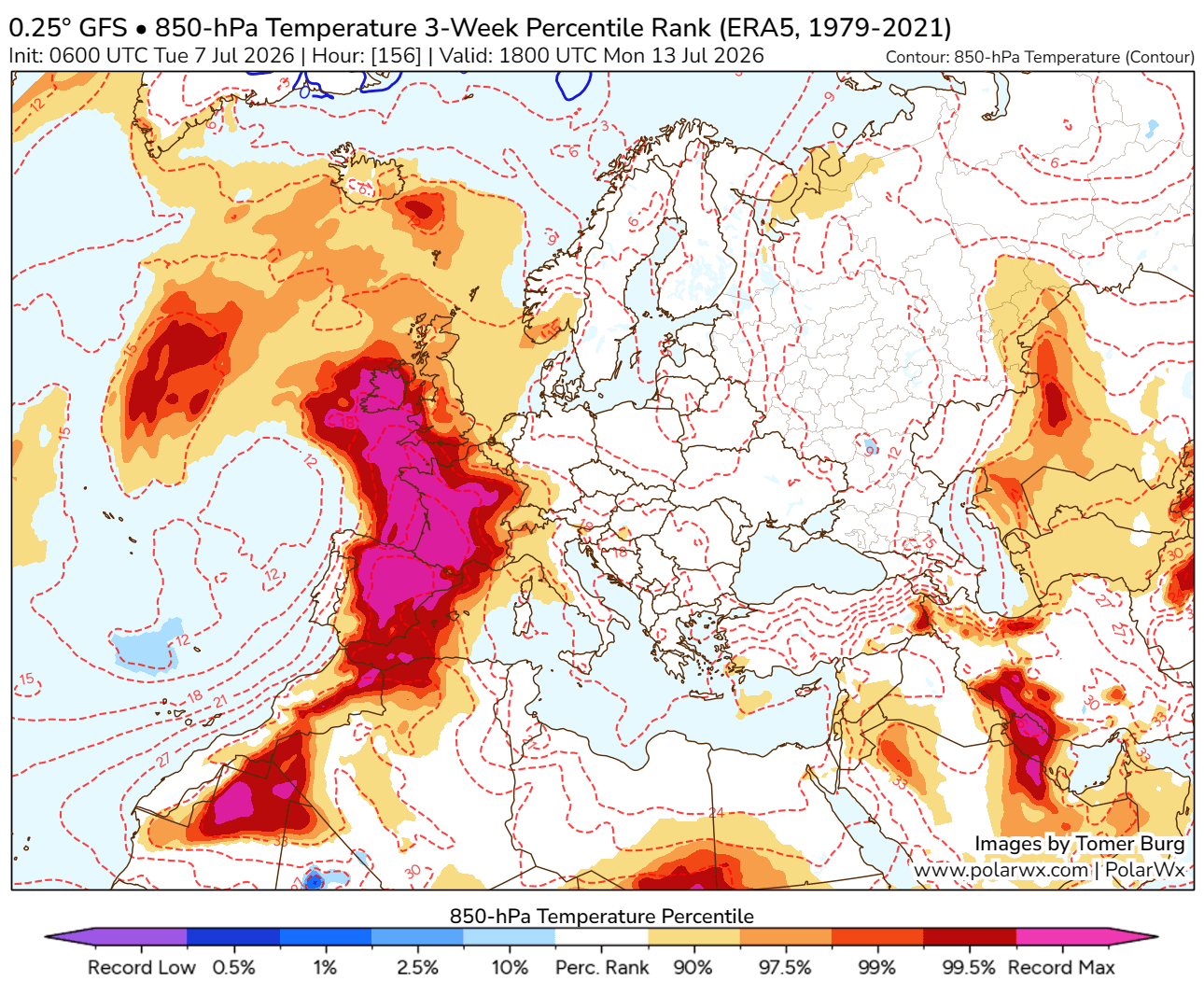
The Current Week: As of early July, Spain, Portugal, and France have been the primary epicenters. Temperatures are consistently 10 to 15°C above historical norms for this time of year. Daytime highs in core regions are repeatedly breaching the 40°C mark.
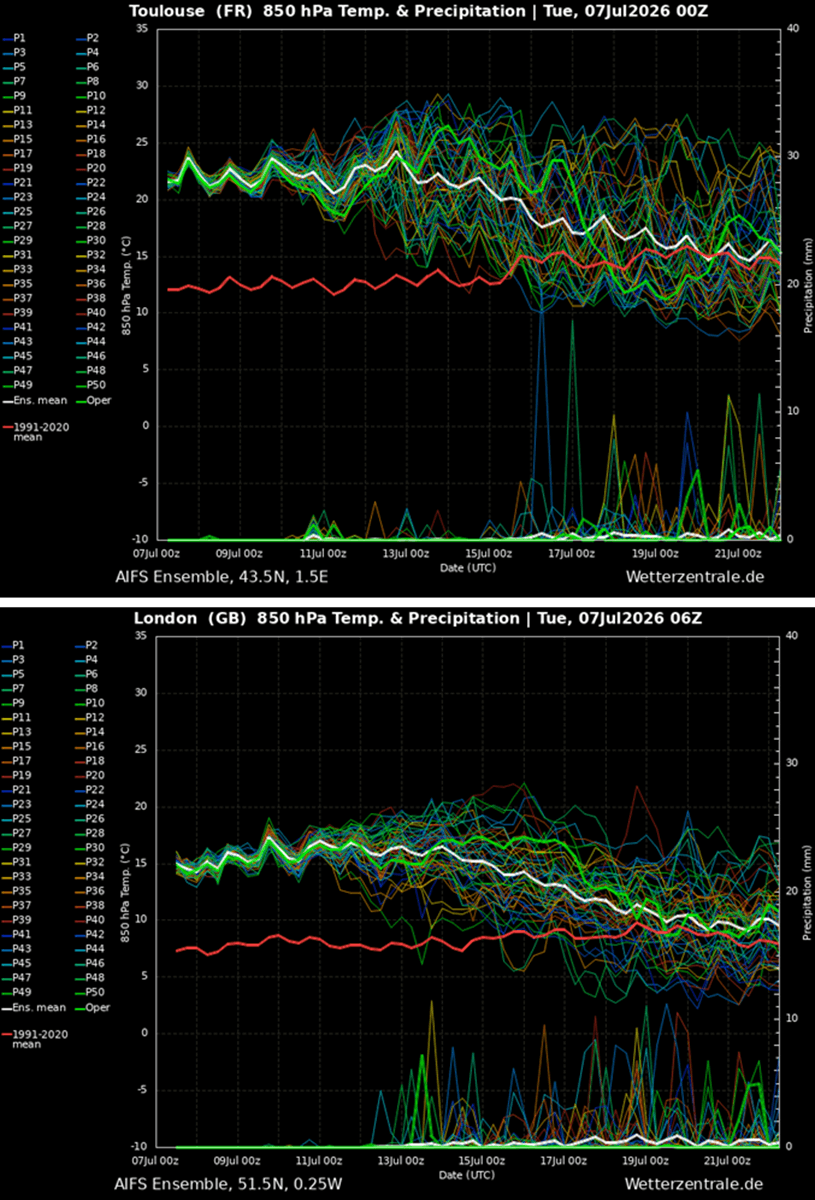
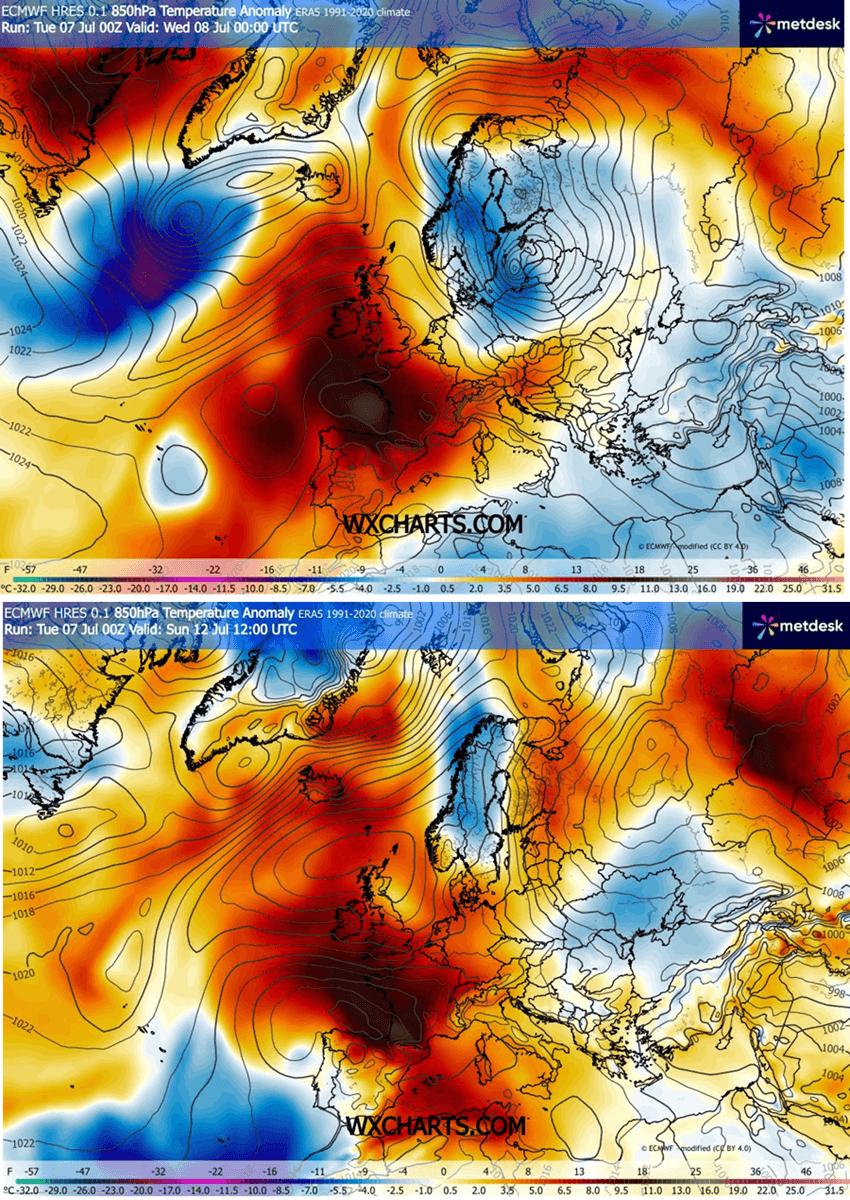
The Weekend Expansion: Forecast models indicate that as the Heat Dome strengthens, its influence will expand. By the weekend, the heat will push significantly into the British Isles, Germany, and the Benelux region. While these areas may not see the 45°C extremes predicted for parts of France, they will face unseasonable mid-30s temperatures, which can be devastating for infrastructure and populations not adapted to such conditions.
Mid-July Projections: All major medium-range ensemble guidance, including the European Centre for Medium-Range Weather Forecasts (ECMWF) and the Global Forecast System (GFS), suggest that this ridge will remain structurally stable for at least another week. This implies that the extreme heat will persist well into mid-July, likely deepening the drought conditions and increasing the intensity of regional wildfire outbreaks.
Supporting Data: The Numbers Behind the Heat
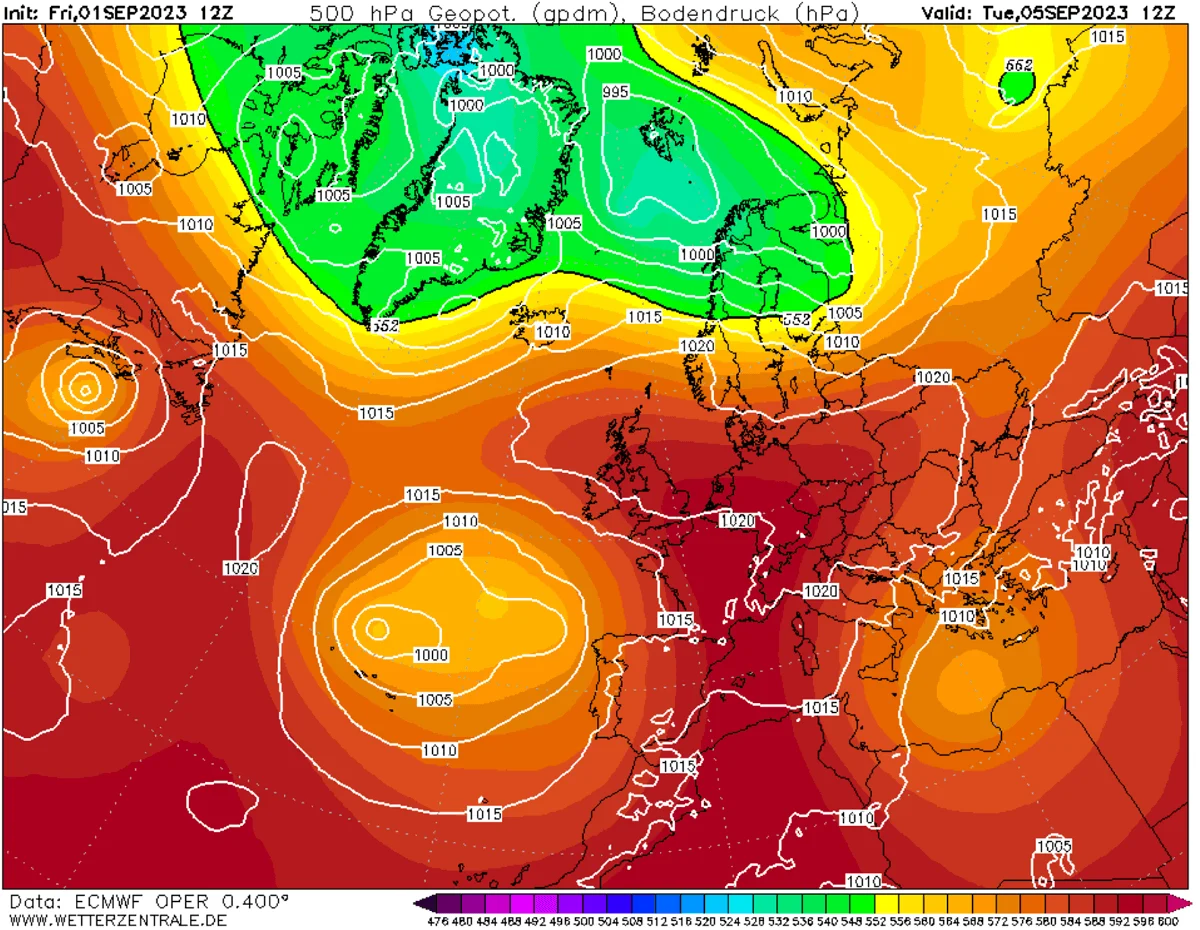
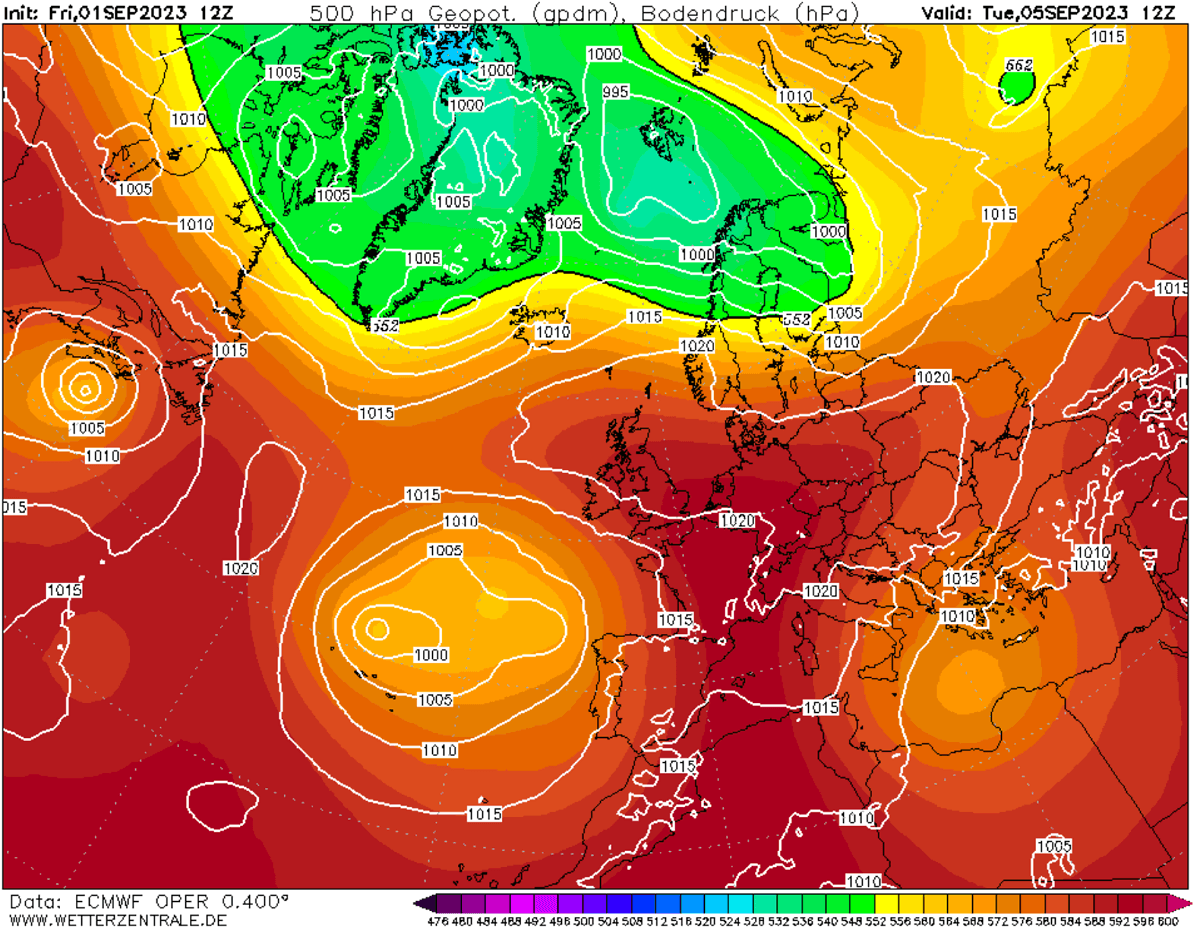
The scale of this event is best understood through geopotential height anomalies. At 500 mbar, the tropospheric heights are reaching levels that are highly anomalous for a mid-summer period. These measurements are not just statistical outliers; they represent a fundamental shift in the regional atmospheric state.
- Temperature Anomalies: Parts of Southwestern Europe are currently experiencing temperatures 12 to 16°C above the long-term July average.
- Threshold Breaches: The consistent testing of the 40–45°C threshold in Spain and France is indicative of the severity. Even in northern regions, the persistent "stagnant air" is preventing the usual refreshing breeze from the North Atlantic, causing temperatures to climb steadily rather than fluctuating.
- Soil Moisture Deficits: Rapid evaporation rates, driven by the combination of high temperatures and low relative humidity, have caused a critical decline in soil moisture. This "pre-conditioning" of the land makes it highly susceptible to spontaneous combustion and rapid fire spread.
Socio-Economic and Health Implications
The human cost of a heat dome is significant and often underreported until the event concludes. The health risks are not distributed equally; the most vulnerable populations—the elderly, children, and those with pre-existing cardiovascular or respiratory conditions—are at the highest risk of heat exhaustion and heat stroke.
The Urban Heat Island Effect
Major urban centers like Madrid, Paris, and London are suffering from the "Urban Heat Island" effect. Concrete, asphalt, and building materials absorb heat during the day and re-radiate it at night. In the context of a Heat Dome, this prevents the city from ever truly "cooling down." For residents in low-income housing, often characterized by poor ventilation and heat-trapping materials like concrete or asbestos, these conditions can become life-threatening within days.
Occupational Hazards
Construction workers, agricultural laborers, and emergency responders are currently facing an unprecedented occupational hazard. With temperatures soaring into the mid-40s, physical labor becomes a dangerous endeavor. The risk of dehydration and dizziness is extreme, and employers are under increasing pressure to adjust working hours to early morning or late evening shifts to mitigate the risk of heat-related fatalities.
The Wildfire Vector: A Continent at Risk
Perhaps the most tangible threat resulting from the Heat Dome is the wildfire risk. With soil moisture at record lows and the air mass exceptionally dry, a single spark can lead to a catastrophic blaze.
Ongoing wildfires in Portugal, Spain, and Southern France are already proving difficult to contain. Firefighters are dealing with a "triple threat": high ambient temperatures, low humidity, and strong, gusty winds often associated with the periphery of high-pressure systems. As the heat dome expands, the wildfire risk vector is expected to move into more northern latitudes, requiring emergency services to remain in a state of high alert across the continent.
Official Responses and Public Safety
While individual nations are managing their own disaster response protocols, there is a mounting consensus that Europe must adapt its infrastructure for a future defined by more frequent, high-intensity heatwaves.
Public health agencies have already issued "Red" and "Amber" alerts across major European capitals, advising citizens to:
- Restrict Outdoor Activity: Avoid strenuous exercise or labor between 11:00 AM and 6:00 PM.
- Hydration Protocols: Increase water intake, regardless of thirst, to prevent dehydration-led heat exhaustion.
- Community Checking: Reach out to elderly neighbors or those living alone to ensure they have access to cooling and are managing the heat safely.
Conclusion: A Persistent Threat
As we look toward the remainder of July, the data is clear: the Heat Dome is the dominant feature of European weather. The atmospheric configuration is locked, the air mass is anomalously warm, and the lack of moisture in the soil is creating a feedback loop that sustains the heat.
While the heatwave will inevitably end, the implications of this event—particularly regarding infrastructure resilience, agricultural stability, and public health preparedness—will remain a topic of intense debate. For now, the priority remains the safety of the population and the containment of the wildfire crisis. As the ridge shifts and expands, vigilance is required. The atmospheric "lid" remains firmly in place, and the continent must prepare for at least another week of record-breaking, life-altering temperatures.
Stay tuned for further updates as the meteorological situation evolves, and always refer to your local national weather services for real-time safety alerts.