Introduction: A Journey into the Absolute
For most professional river guides, the allure of the water is universal, but few waterways command the reverence—or the logistical complexity—of India’s Ganges. Recently, Mike and Cody, seasoned whitewater professionals, returned from a transformative expedition in northern India. Their mission was twofold: to engage in technical exchange with instructors from the Hannibal Outdoor Center and to experience the raw, gargantuan power of the Himalayan river systems firsthand.
What they encountered was not merely a rafting trip, but a profound immersion into a culture of extremes. From the silent majesty of the Himalayan foothills to the chaotic, vibrant pulse of pilgrimage sites like Haridwar, the duo found themselves navigating a landscape that defies simple categorization. This report chronicles their expedition, the technical realities of Himalayan rafting, and the complex dichotomy of a nation where the sacred and the systemic collide.
The Technical Expedition: Whitewater on a Global Scale
Himalayan Dynamics and Flow Rates
To understand the scale of the Ganges, one must first discard the standard metrics applied to North American river systems. While many of the rivers Mike and Cody frequent in the West are snowmelt-fed, the rivers tumbling out of the Himalayan range operate on a scale of pure geological dominance.
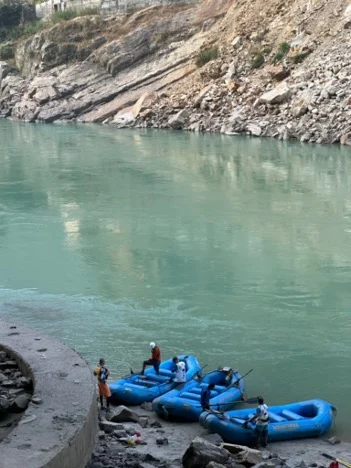
During their tenure in the region, the team found themselves operating at elevations between 8,000 and 12,000 feet—altitudes that, in most of the world, would be considered high-alpine peaks, yet in India, they are merely the foothills. The sheer volume of water moving through these mountain channels is staggering. During their descent of the Ganges, the team estimated flow rates at approximately 40,000 cubic feet per second (cfs). For context, this is a torrent of immense power, requiring a level of precision, scouting, and risk assessment that tests the limits of even the most seasoned expedition leaders.
Cross-Cultural Knowledge Exchange
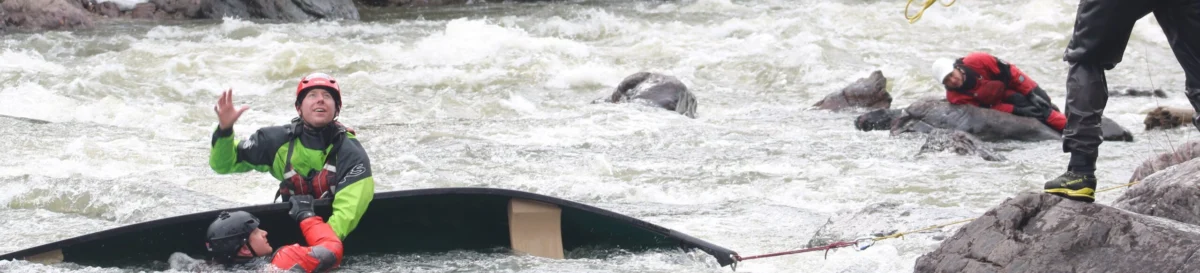
The primary objective of the trip was to bridge the gap between Western rafting standards and Indian operational protocols. Working alongside the Hannibal Outdoor Center, Mike and Cody conducted a comparative study of safety, rescue, and guide training. This exchange highlighted that while the universal language of water remains consistent, the local knowledge—ranging from reading specific Himalayan eddy lines to managing high-altitude logistics—is a unique craft perfected by local Indian guides.
Chronology: A Week of Sensory Overload
Phase 1: The Spiritual Gateway (Haridwar)
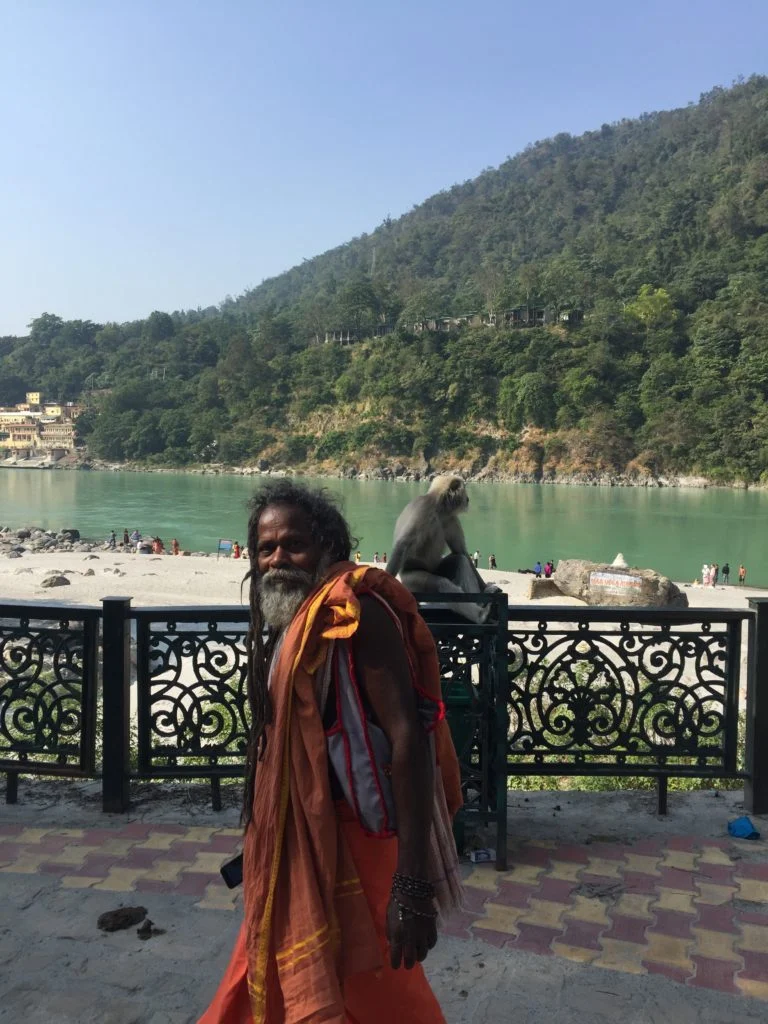
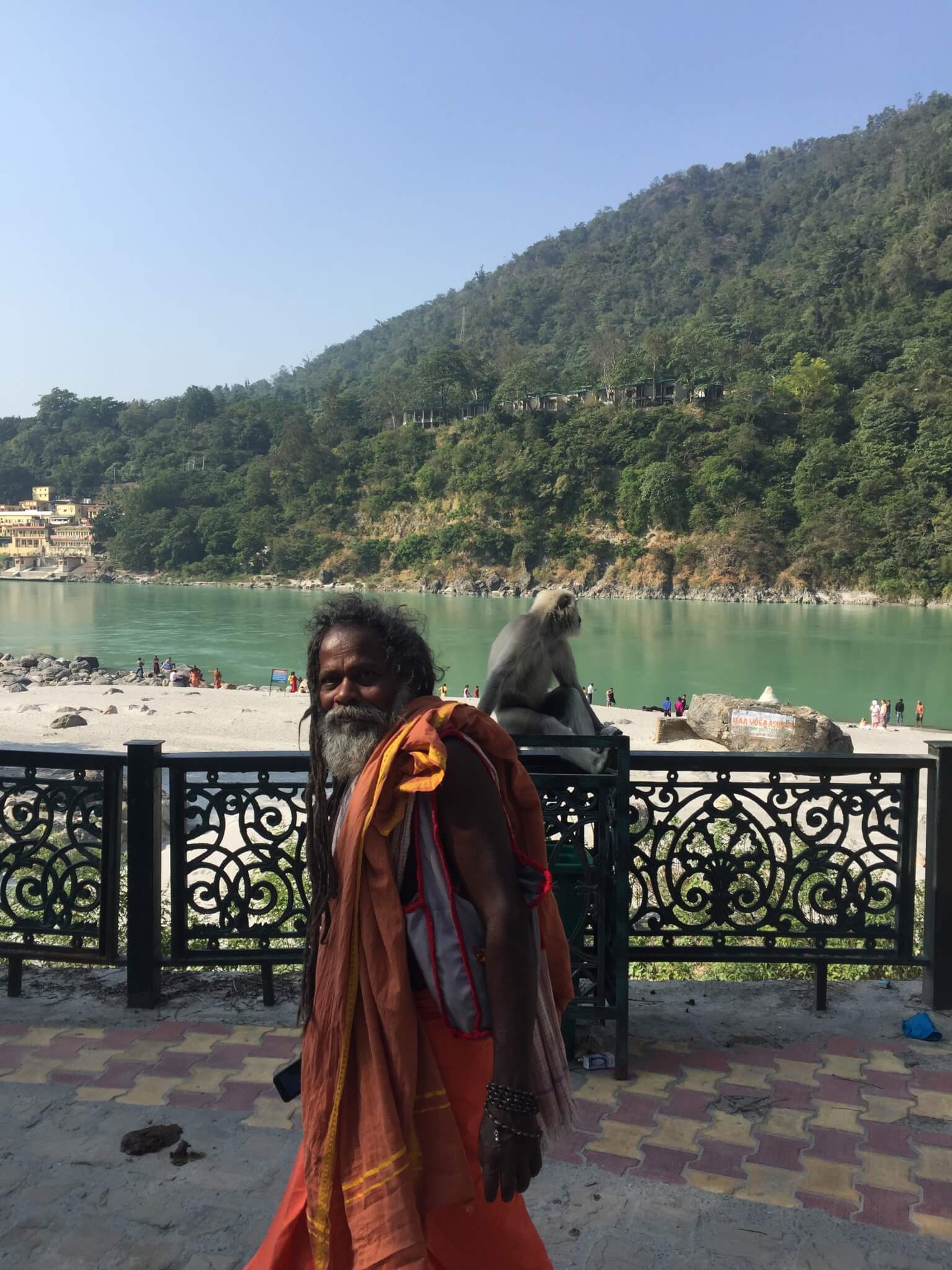
The journey began in Haridwar, one of the seven holiest cities in Hinduism. Here, the Ganges exits the mountains and spills into the plains. The team witnessed the daily Aarti ceremonies, where thousands of pilgrims congregate at the river’s edge. The sight of mass ablution—thousands of individuals cleansing themselves in the water—provided an immediate, visceral understanding of the river’s status as a spiritual lifeline. It is not merely a resource; it is a deity.
Phase 2: The Deep Descent
Transitioning from the city to the upper reaches, the team entered the wilderness. The expedition involved complex logistics, necessitating a departure from traditional road travel. The team utilized India’s legendary railway network, an experience they described as essential for understanding the country’s scale. Between the train cars, they observed a fleeting, kaleidoscopic view of India: lush agricultural terraces, sprawling landfills, and the heroic, stoic labor of subsistence farmers.
Phase 3: Wildlife and Remote Frontiers
The remoteness of the Himalayan foothills offered a stark contrast to the density of the cities. The region is home to a staggering array of biodiversity, including wild elephants, cobras, and primates. Navigating these remote sections required constant vigilance, both for the hazards of the river and the unpredictability of the surrounding wildlife, underscoring the reality that in India, humanity is never truly separated from the natural world.
Supporting Data: The Paradox of the Ganges
The Environmental Conflict
The most jarring aspect of the expedition was the environmental condition of the Ganges. Despite its status as the most worshipped river on the planet, it is simultaneously one of the most polluted. This is the "Great Indian Paradox." The river is the recipient of massive amounts of untreated human waste and industrial runoff, yet it remains the site of daily ritual bathing.
Data from the Indian Central Pollution Control Board (CPCB) has historically categorized large stretches of the river as unfit for bathing due to high fecal coliform levels. However, the spiritual imperative for millions of Indians outweighs these ecological warnings. The team noted that witnessing this pollution firsthand, amidst such natural grandeur, was a sobering reminder of the global environmental challenges facing developing nations with rapidly expanding populations.

Demographics and Diversity
India’s complexity is rooted in its sheer scale. As the world’s most populous nation, India manages a demographic weight that is difficult for a Westerner to fathom. The presence of approximately 3,000 spoken languages and a myriad of cultural practices creates a societal fabric that is as fragile as it is resilient. The team observed that the "overwhelming" nature of the country is not just a result of population density, but a result of the constant, simultaneous existence of ancient traditions and modern systemic failures.
Official Perspectives: The Future of Indian Adventure Tourism
While Mike and Cody’s visit was personal, their observations mirror the broader shift in India’s adventure tourism sector. Local operators, such as those at the Hannibal Outdoor Center, are increasingly focused on formalizing safety standards to align with international expectations.
Government initiatives, such as the Namami Gange project—a flagship program to accomplish the abatement of pollution and conservation of the National River—show that there is a top-down effort to address the environmental degradation witnessed by the team. Officials in the region have acknowledged that the future of the river as an adventure destination depends entirely on the success of these restoration efforts.
Implications: Lessons Learned from the Foothills
The Professional Takeaway
For Mike and Cody, the trip served as a masterclass in adaptability. Returning to their home base in the United States, they brought with them a refined perspective on risk management. When you are operating in a environment where the river flow is 40,000 cfs and the nearest medical facility is hours away by train or rickshaw, your margin for error shrinks to near zero.
A Call for Responsible Exploration
The implications of this journey extend beyond rafting. It serves as a reminder that travel, at its best, should be an exercise in empathy. By engaging with the local guides and observing the daily lives of the people who live along the banks of the Ganges, the team was able to move past the superficial aesthetic of the "tourist" and gain a deeper respect for the resilience of the Indian people.

"India is a place where you are constantly forced to confront the best and the worst of humanity," the team noted in their post-trip debrief. "You see the most incredible acts of devotion and the most crushing realities of poverty, often within the same square mile. It is a place that demands you pay attention."
Conclusion: The Road Back
As the global rafting community looks toward emerging markets, the Ganges remains the crown jewel of Asian whitewater. However, it is a jewel that requires protection. Mike and Cody’s expedition was a testament to the fact that the river is not just a playground for adrenaline seekers; it is a complex, living entity that sustains a civilization.
The team has already begun planning their return. They argue that one visit to India is merely the initiation; to truly understand the rhythm of the Ganges, one must return to the water, the train, and the rickshaw. They leave behind a challenge for their fellow adventurers: to visit not just to conquer the rapids, but to witness the reality of the river, and in doing so, perhaps contribute to the global conversation on how we protect our most sacred, and most vulnerable, natural resources.
India’s diversity, beauty, and systemic problems are not just obstacles to be navigated; they are the essential components of a journey that changes how one views the world. For Mike and Cody, the river is the thread that ties it all together—a constant, churning flow of history, faith, and water that continues to pull them back toward the Himalayas.