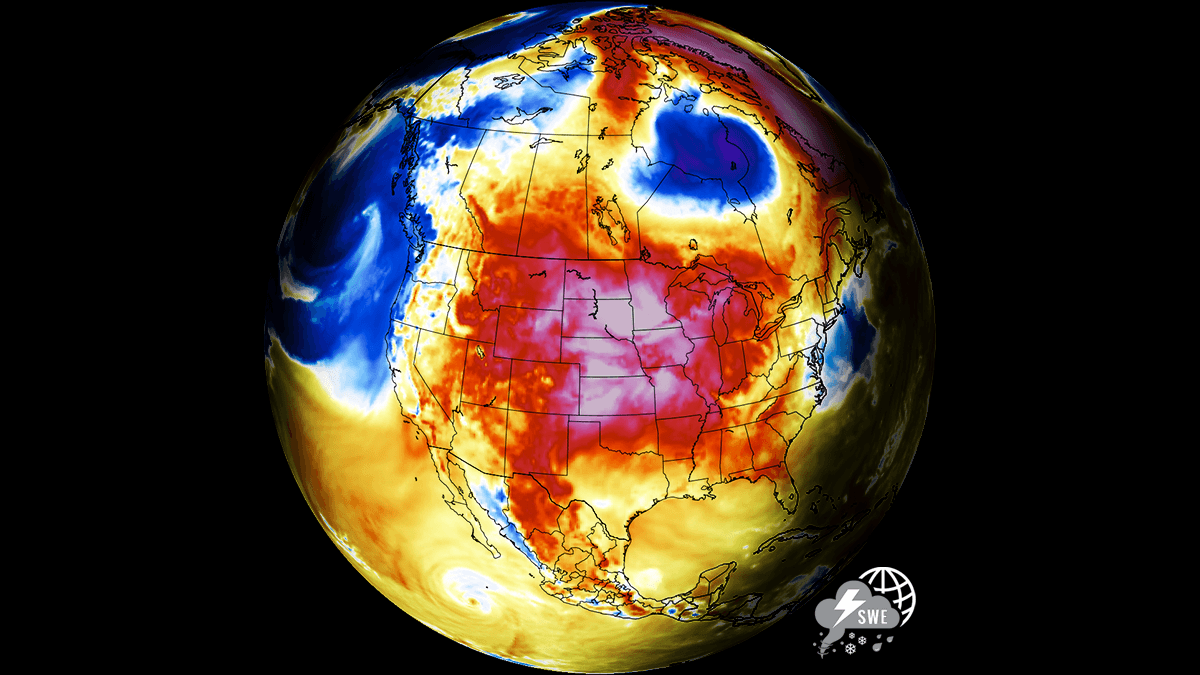
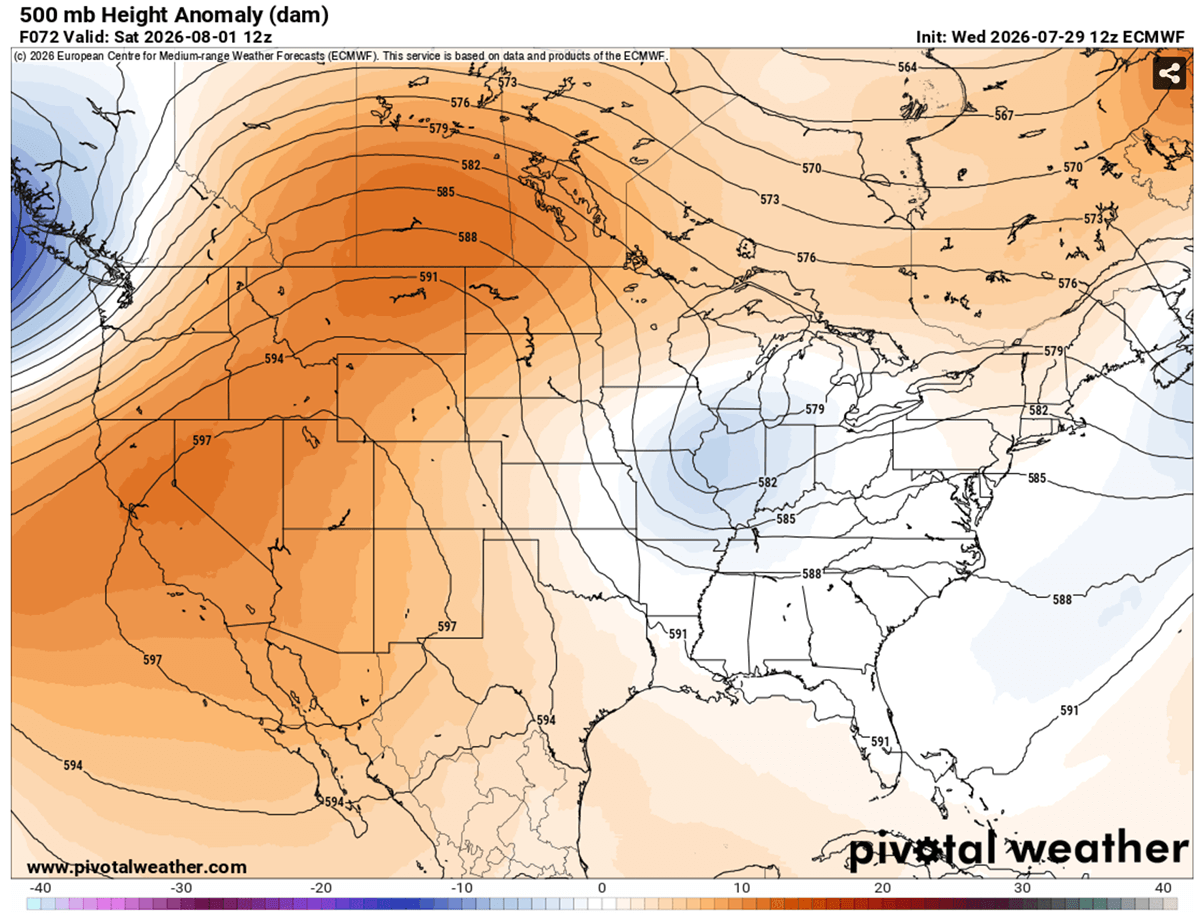
A high-amplitude upper-level ridge has firmly locked a massive, persistent "Heat Dome" over the United States, triggering a multi-week thermal event that is shattering temperature records across the Southwest, the Central Plains, and extending into the heart of Canada. With peak afternoon temperatures surging between 105°F and 110°F—and occasionally eclipsing 120°F in desert basins—the nation is grappling with one of the most significant weather anomalies of the summer season.
Driven by deep atmospheric compression and characterized by upper-air thermal anomalies reaching the 99th percentile, this weather pattern is not merely a passing wave of heat. It is a sustained environmental crisis, creating dangerously high heat indices that stretch from Southern California to the Mississippi Valley. As meteorologists monitor the situation, the focus has shifted from the initial onset of the heat to the profound, compounding impacts on public health, national energy infrastructure, and agricultural stability.
The Mechanics of the Heat Dome: A Lid on the Atmosphere
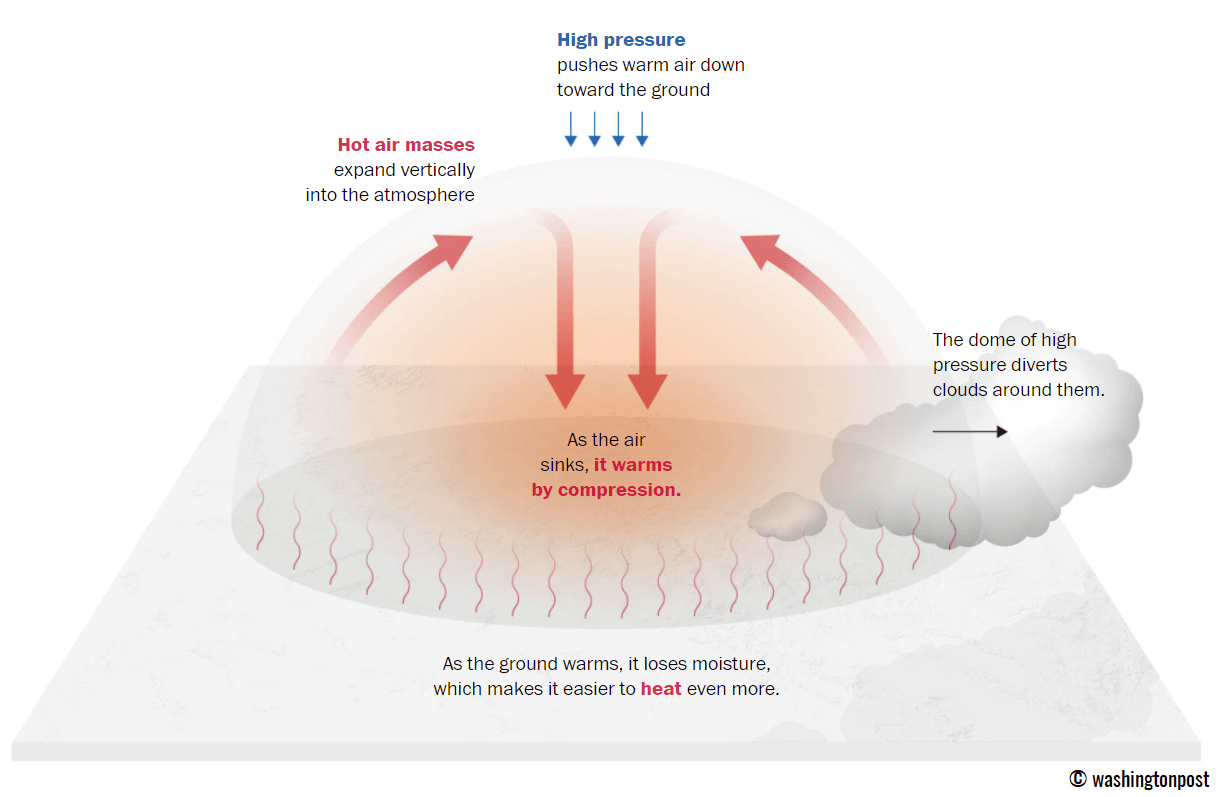
To understand the severity of the current crisis, one must first understand the atmospheric mechanics at play. A heat dome occurs when a high-pressure system parks itself over a large geographic area, functioning much like a heavy lid on a pressurized pot.
In this scenario, a robust upper-level ridge—a “blocking high”—forms in the upper atmosphere. This system acts as a barrier, preventing cooler, lower-pressure air masses from moving into the region. Beneath this ridge, the air is forced to sink, or subside, toward the surface. As this air descends, it is compressed, causing it to warm significantly. This process traps heat near the ground, where it accumulates over days and weeks. Because the system is remarkably stable, it prevents the usual nocturnal cooling that allows cities and natural landscapes to recover from daytime highs.
When the air mass is unable to escape, it creates a feedback loop: the ground continues to bake, the air grows hotter, and the high-pressure system intensifies its grip. This creates the "Heat Dome" effect, where extreme temperatures become the "new normal" for the duration of the system’s residency.
Chronology of the Event: From Onset to Extended Impact
The current heatwave began its intensification phase in late July, with weather models indicating a clear shift toward a persistent, high-amplitude pattern.
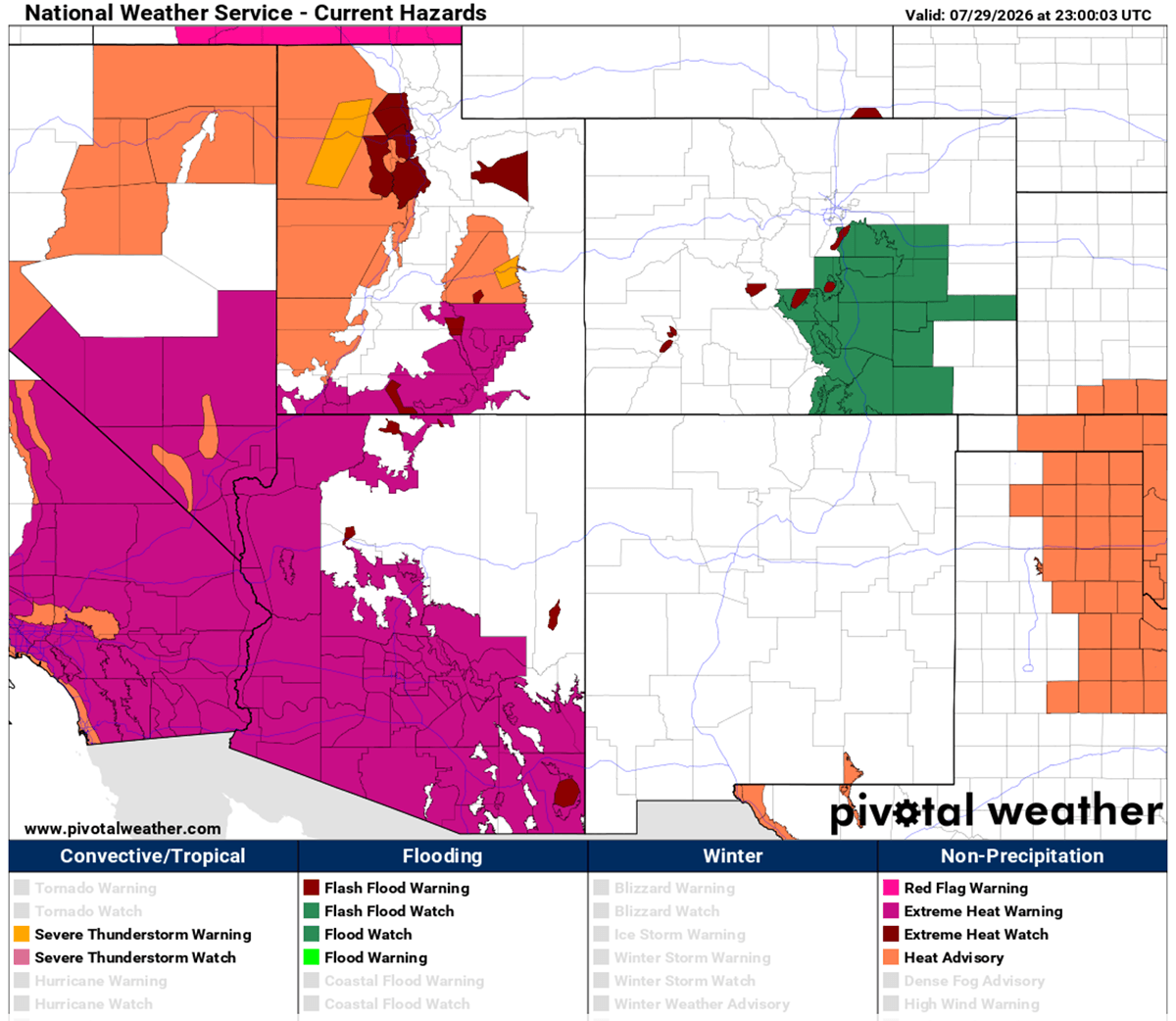
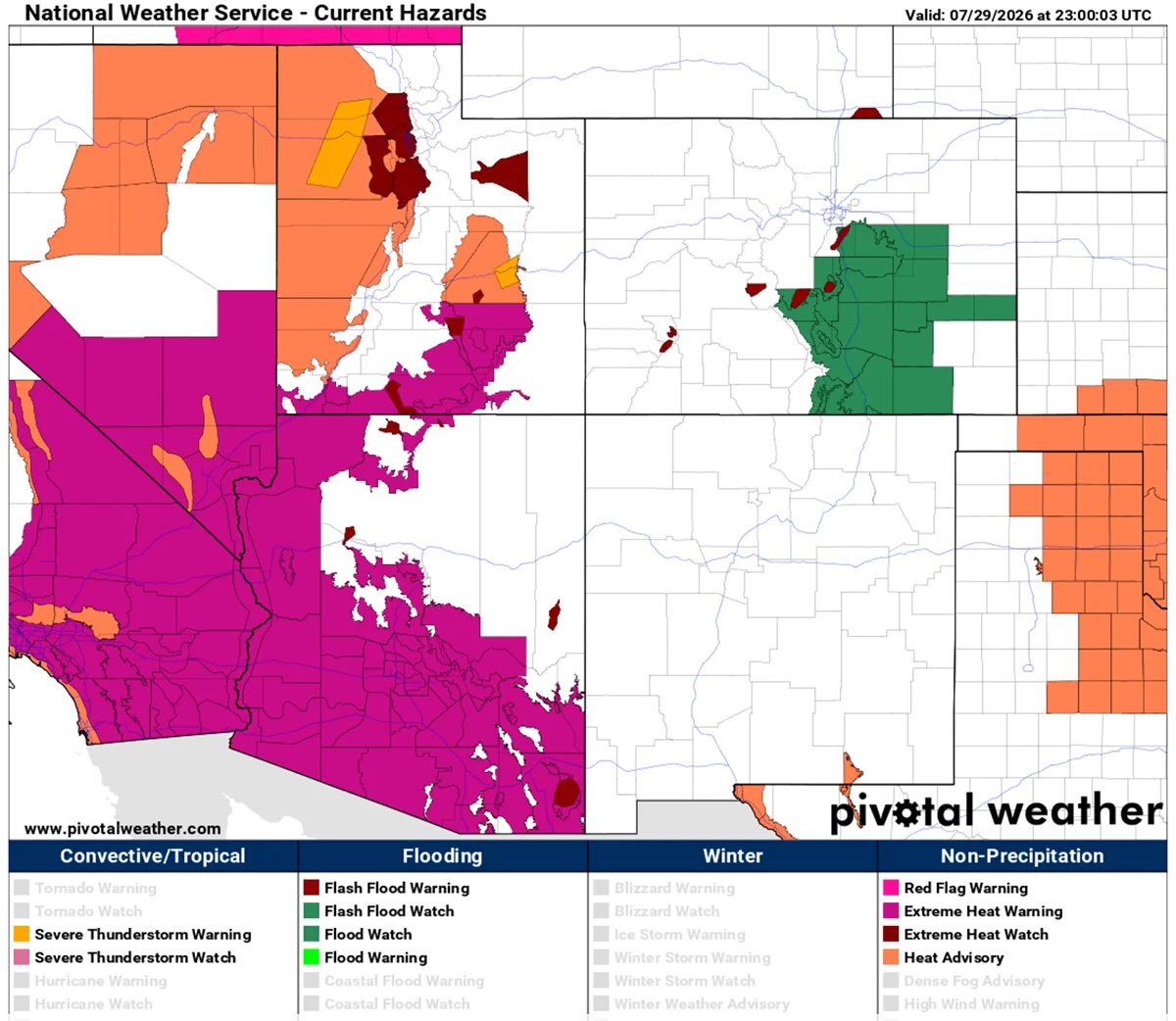
Late July (The Onset): The high-pressure ridge established its foothold over the Western United States, initially impacting the desert Southwest. Residents in Arizona, Nevada, and California began seeing the first signs of the "nocturnal heat crisis," where overnight temperatures struggled to dip below 80°F.
Early August (Peak Intensity): As the calendar flipped to August, the ridge expanded its reach. The core of the heat began to shift from the desert basins toward the Great Plains. By mid-week, the synoptic setup showed the most extreme thermal anomalies concentrated over Texas, Oklahoma, and Kansas. Meteorological data confirmed that afternoon peaks were consistently hitting the 100°F–105°F range in the Plains, while the Southwest remained locked in a 115°F–120°F death grip.
The Outlook: Forecasts suggest that while the Northern High Plains may see some relief by mid-next week as a frontal system moves eastward from Canada, the central and southern corridors of the U.S. will remain under significant thermal stress through the first week of August.
Supporting Data: Meteorological Extremes
The statistical weight of this event is evidenced by 850 hPa temperature anomalies, which represent the heat content at approximately 1,500 meters above sea level. Current data indicates that these anomalies are consistently in the 99th percentile of historical records for this time of year.
- Desert Basin Extremes: Areas in the Mojave and Sonoran Deserts have seen highs ranging from 115°F to 120°F. These figures are not just uncomfortable; they are near the biological limit for human outdoor activity.
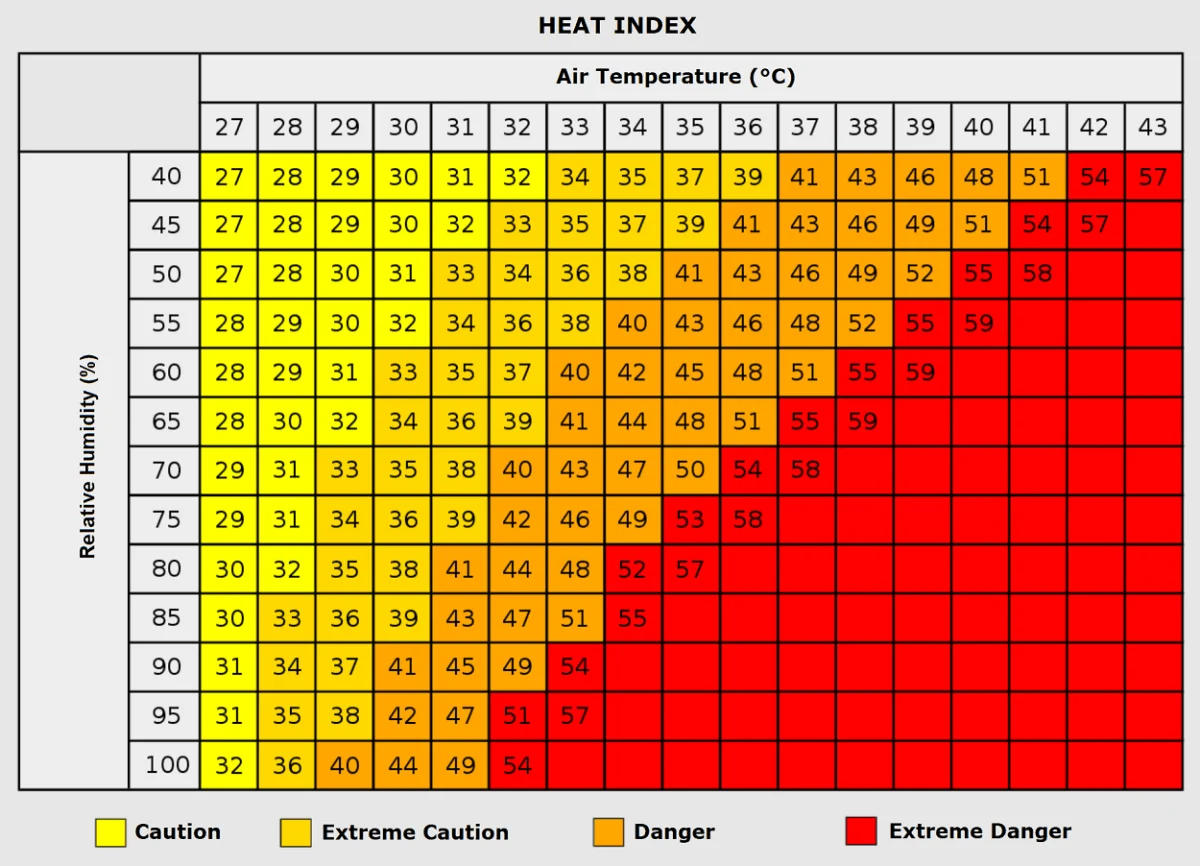
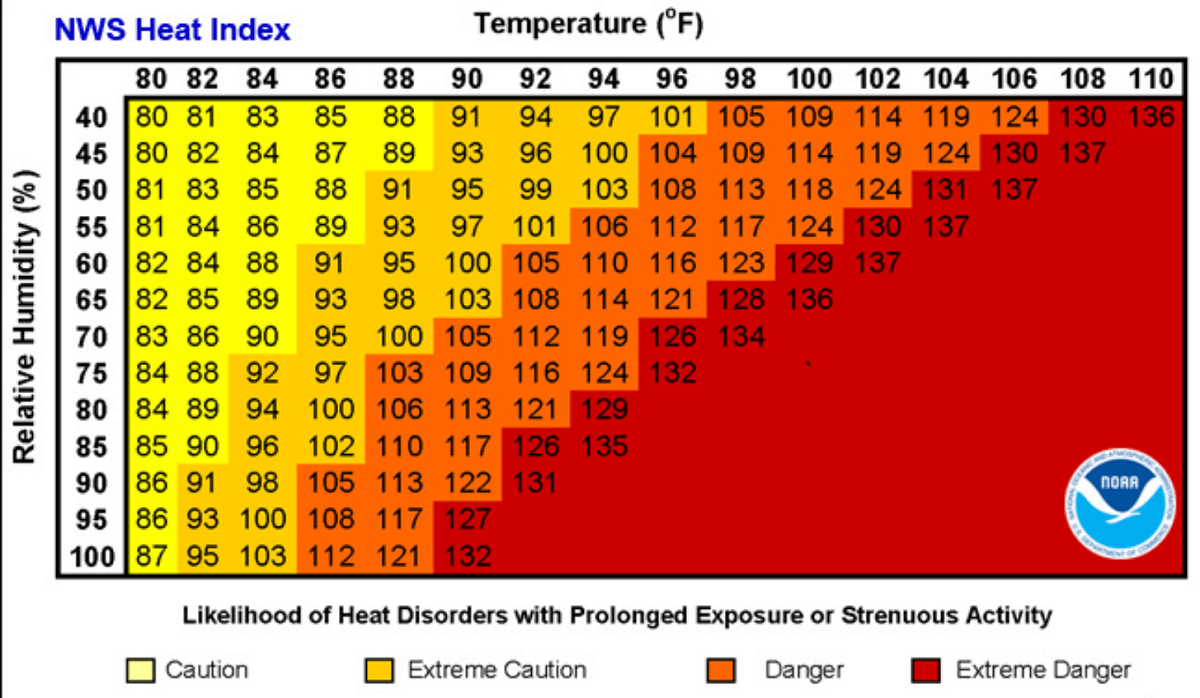
- The Plains and Midwest: Highs across the Great Plains have surged into the 100°F–105°F range. The danger here is amplified by humidity, which, when paired with extreme temperatures, pushes the Heat Index—the "real feel"—to levels that can cause rapid onset of heat-related illness.
- Nocturnal Failure: Perhaps the most critical metric is the overnight low. In major urban centers, where the "urban heat island" effect exacerbates temperature retention, lows have remained above 80°F. This prevents buildings from cooling down, leading to cumulative physiological strain on those without access to robust air conditioning.
Implications for Public Health and Infrastructure
The sustained nature of this heat dome brings with it a cascade of societal and physical consequences.
The Human Toll
Prolonged exposure to extreme heat is a significant public health hazard. Vulnerable populations—including the elderly, children, and those with pre-existing cardiovascular or respiratory conditions—are at the highest risk. The inability for the body to cool down at night means that individuals are under constant thermal stress.
Medical professionals have reported an increase in cases of heat exhaustion, characterized by dehydration, dizziness, and fatigue. If untreated, these symptoms can rapidly escalate into heat stroke, a life-threatening condition where the body’s internal temperature regulation fails. Furthermore, research consistently shows that heatwaves are linked to spikes in heart attacks and strokes, as the body works harder to maintain its core temperature, placing undue stress on the heart and circulatory system.
Energy Grid Strain
The energy sector is under immense pressure. As citizens increase their use of air conditioning to combat the 100°F+ temperatures, the demand on the power grid skyrockets. This creates a precarious situation: if the grid fails due to the sheer volume of demand, the most vulnerable citizens—those who rely on cooling for medical reasons or simply to survive the day—are left without a defense. Utility providers across the Plains and the West have been forced to issue calls for conservation, highlighting the fragility of our infrastructure in the face of record-breaking climate events.
Agricultural and Soil Impacts
Beyond the human impact, the agricultural belt is suffering. The persistence of the heat, combined with the lack of precipitation under the high-pressure ridge, is leading to rapid soil moisture depletion. Crops that are currently in critical stages of development are facing significant stress, which could lead to reduced yields in the coming harvest. For farmers, this is a multi-front battle: they must protect their livestock from heat-related mortality while simultaneously managing the dehydration of their fields.
Official Responses and Safety Recommendations
In response to the extreme conditions, local and state authorities have mobilized, opening "cooling centers" for those without adequate home cooling and issuing heat advisories to the general public.
Key Safety Recommendations:
- Hydration is Paramount: Health officials emphasize that waiting until you are thirsty is too late. Consistent water intake is essential.
- Strategic Timing: The public is urged to reschedule strenuous outdoor activities for the early morning or late evening hours, avoiding the peak intensity of the sun between 10:00 AM and 6:00 PM.
- Check on Neighbors: Social isolation is a silent killer during heatwaves. Checking on elderly neighbors or those living alone can be a life-saving intervention.
- Understand the Heat Index: Residents are encouraged to monitor the Heat Index rather than just the ambient temperature, as humidity can make a 90°F day feel like 110°F.
Conclusion: Looking Ahead
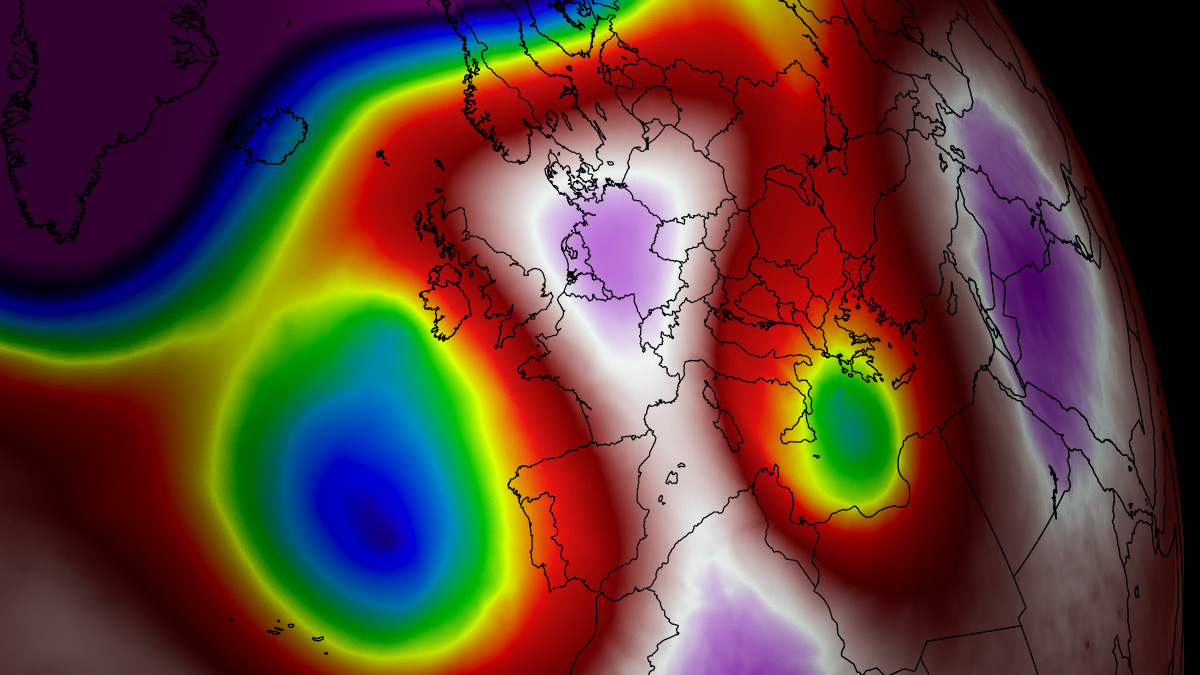
As the United States remains under the influence of this high-amplitude ridge, the narrative of this summer is one of resilience. While current global weather models hint at a potential shift in the pattern toward the middle of August—as a frontal system from Canada begins to erode the ridge’s northern edge—the immediate reality remains one of extreme caution.
This event serves as a stark reminder of the power of atmospheric blocking patterns. The "heat dome" is not a new phenomenon, but its increasing frequency and intensity in recent years have forced a reevaluation of how we manage urban planning, energy grid reliability, and public health responses. As we move through the final weeks of the summer, the focus remains on navigating this current crisis while preparing for the inevitable challenges that arise when the atmosphere remains locked in such a volatile state.
For now, the advice from meteorological services is clear: stay hydrated, monitor the updates, and respect the limits of the human body in the face of such relentless, record-breaking heat.