In a move set to reshape the energy landscape of Northern Europe, Finnish renewable developer Aurinkokarhu and Futureal Energy Partners (FEP)—the energy division of the pan-European investment giant Futureal Group—have announced a strategic joint venture (JV). This ambitious partnership aims to finance and develop a massive 3GW pipeline of solar, battery energy storage systems (BESS), and hybrid energy projects across Finland, with imminent plans to expand operations into Sweden.
The collaboration represents a significant injection of capital and expertise into the Nordic energy market. By combining Aurinkokarhu’s local development capabilities with FEP’s financial muscle, the JV seeks to tackle the volatility of regional power prices and bolster grid reliability at a time when the Nordic region is undergoing a rapid industrial electrification process.
The Scope of the Portfolio: A Multi-Technology Approach
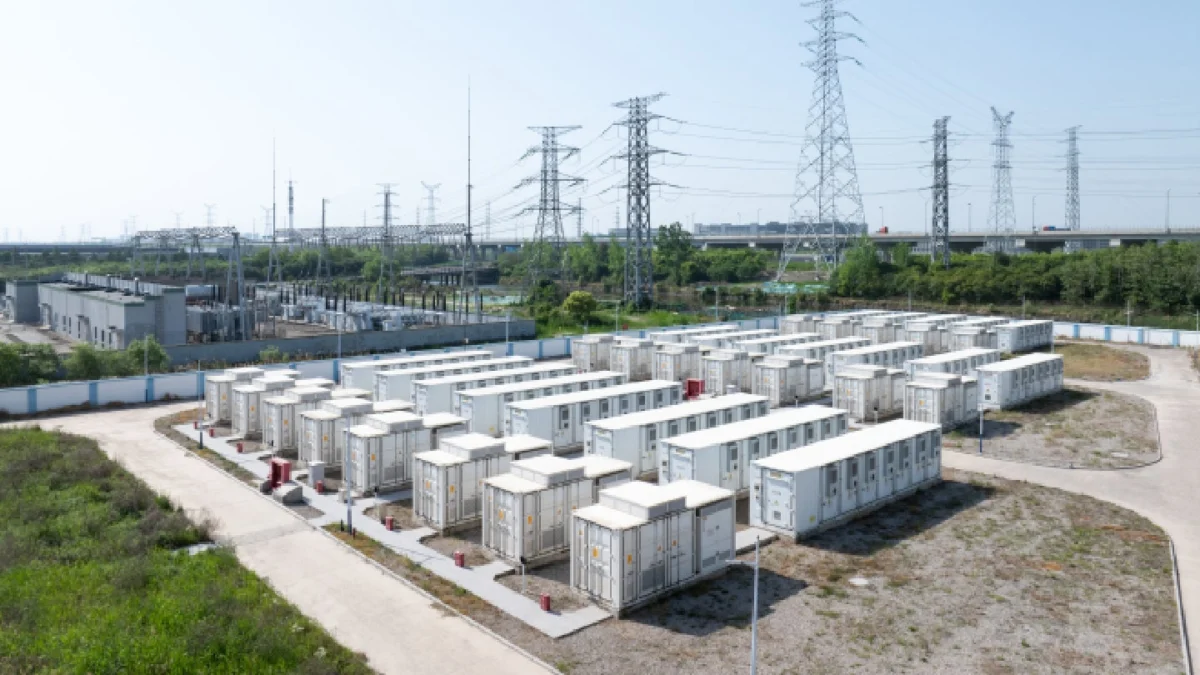
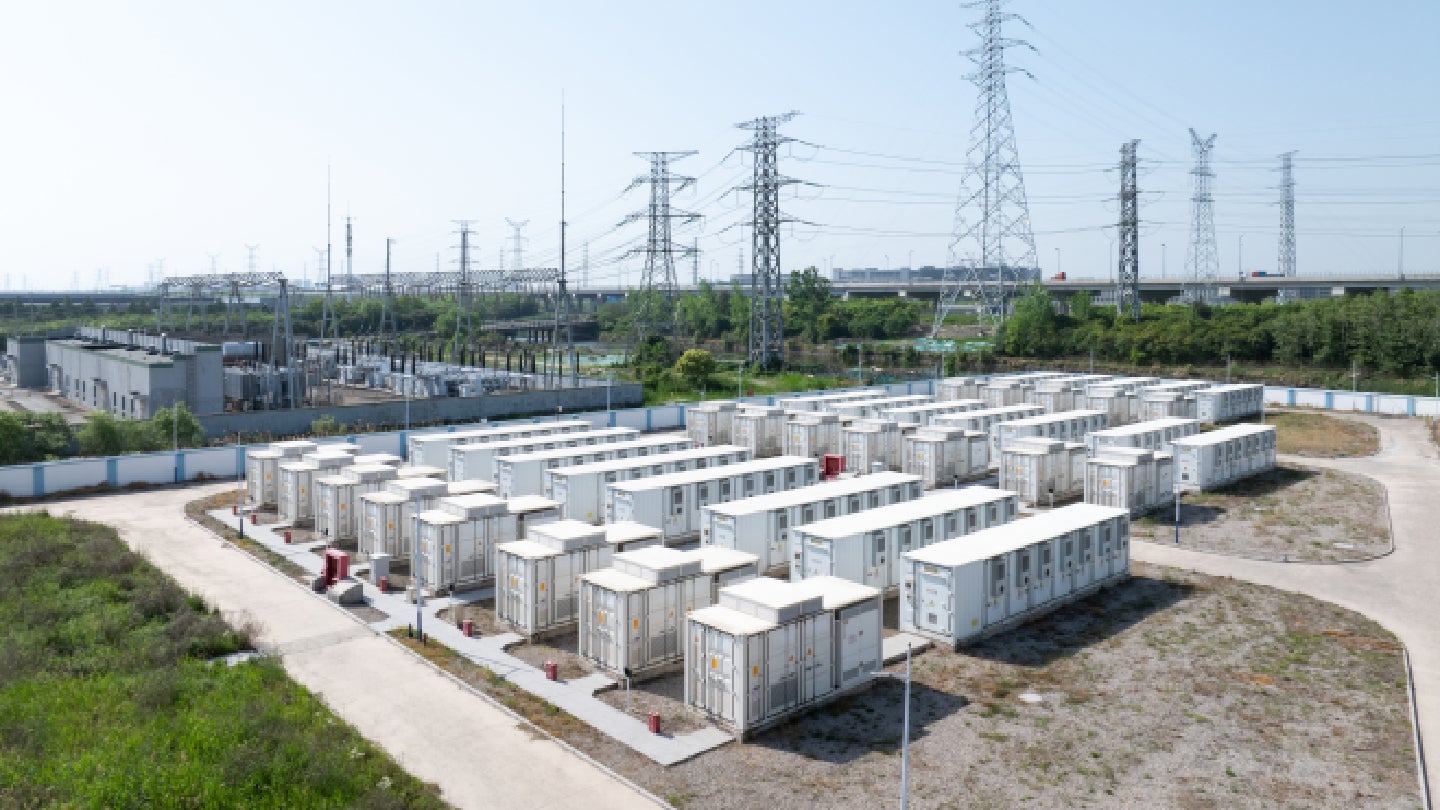
The joint venture’s 3GW portfolio is meticulously diversified, focusing on technologies that complement one another to provide a stable, dispatchable power supply. At the heart of this strategy is a heavy emphasis on energy storage. Currently, approximately 2GW of the total pipeline is dedicated to BESS projects.
Battery storage is increasingly viewed as the "missing link" in the Nordic transition to renewables. As Finland and its neighbors continue to integrate high levels of wind and solar capacity, the intermittency of these sources creates significant price swings. The JV’s BESS projects are designed to act as a buffer, absorbing excess energy during peak generation hours and discharging it during periods of high demand, thereby playing a critical role in stabilizing the regional spot markets.
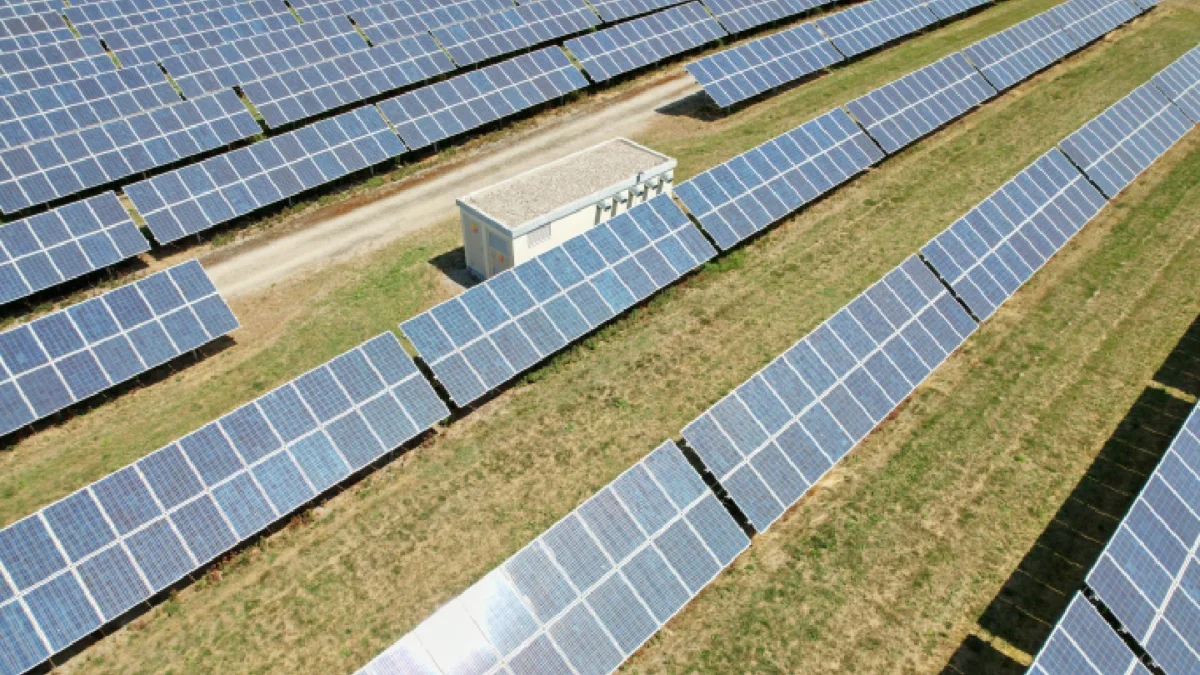
The remaining 1GW of the project pipeline is comprised of utility-scale solar farms and integrated hybrid projects. These hybrid installations—which co-locate solar arrays with battery storage—are strategically designed to maximize land use and transmission capacity, ensuring that the solar energy generated is not curtailed but stored and utilized effectively.
Chronology of Development: From Concept to Construction
The roadmap for this 3GW pipeline is aggressive, reflecting the urgent demand for grid-scale storage and renewable capacity in the Nordics.
Phase One: Foundation and Early Funding (2025)
The partnership’s operational capability was effectively tested in 2025, when the JV successfully secured funding for its maiden project: a 124MW battery storage facility in Tuovila, Toby, located in the Korsholm municipality. This project served as the proof-of-concept for the collaboration, demonstrating FEP’s ability to provide the necessary liquidity to accelerate Aurinkokarhu’s development pipeline.
Phase Two: Construction Readiness (2026)
Looking ahead, the partnership has set a milestone of 1GW of project capacity to reach "Ready to Build" (RTB) status by 2026. This phase is critical, as it transitions the portfolio from paper-based development to physical infrastructure. Among the standout sites currently in the development queue are:
- The Äback Energy Storage facility: Located in Tjöck, Kristinestad, this project represents a significant investment in the region’s storage capacity.
- The Annis Energy Storage site: Situated in Jussila, Nykarleby, this site exemplifies the JV’s commitment to geographic diversification within Finland.
Phase Three: Scaling and Expansion (2027–2028)
Beyond 2026, the JV has targeted the development of the remaining 2GW of the portfolio. This timeframe coincides with the anticipated increase in regional energy demand, driven by the expansion of data centers and the electrification of heavy industry. During this window, the partners intend to finalize their market entry into Sweden, leveraging the lessons learned in the Finnish market to navigate the complexities of the Swedish regulatory and grid environments.
Supporting Data and Strategic Rationale
The impetus for this partnership is rooted in the fundamental shift occurring within the Nordic power market. Historically, the region benefited from a stable, low-cost baseline of hydro and nuclear power. However, the rapid integration of variable renewable energy (VRE) has increased price volatility, necessitating a new class of assets that can provide ancillary services, such as frequency regulation and spinning reserves.
Market Dynamics
Data suggests that the Nordic region requires a massive influx of flexible capacity to support its 2030 climate targets. By focusing on BESS, the Aurinkokarhu-FEP JV is positioning itself as a vital service provider to the transmission system operators (TSOs). The 2GW BESS focus is not merely an environmental play; it is a financial strategy intended to capitalize on the price arbitrage opportunities that exist between high-supply and high-demand windows.
Economic Impact
The JV aims to provide more than just electrons; it intends to offer long-term stability to local municipalities. By focusing on projects that are "well-capitalized," the partnership addresses a common hurdle in the renewable sector: the "abandoned project" risk. Local governments are often wary of developers who cannot secure financing; the backing of Futureal Group provides the necessary assurance that these projects will reach completion.
Official Perspectives: The Value of Local Dialogue
In an industry often criticized for its "top-down" approach, the leadership of Aurinkokarhu has emphasized a philosophy of integration and transparency.
Staffan Asplund, co-founder of Aurinkokarhu, highlighted the importance of stakeholder engagement during the announcement of the partnership:
"We develop our projects in close dialogue with landowners, municipalities, and utility companies. This partnership allows us to move projects to the construction phase quickly. It also sends a message of continuity to the local communities that are hosting one of our projects. We want to offer residents, municipalities, and other local stakeholders a well-capitalized developer with a long-term commitment."
This approach is designed to mitigate the "NIMBY" (Not In My Backyard) sentiment that frequently slows down renewable energy deployment in Europe. By positioning themselves as long-term partners in the regions where they operate, the JV hopes to streamline the permitting process and maintain social license to operate.
Implications for the Nordic Energy Market
The entry of this joint venture into the Nordic market carries several broader implications for the European energy sector:
1. Strengthening the "Nordic Battery Hub"
Finland, in particular, is becoming a strategic hub for battery technology. With its proximity to raw material supply chains and its cold climate—which is inherently efficient for data center cooling and battery thermal management—the region is an ideal location for the JV’s proposed data center and storage projects.
2. Price Stabilization and Grid Reliability
The primary value proposition of this JV—the stabilization of power prices—is of immense interest to industrial consumers. Heavy industries, such as green steel and chemical processing, require not only cheap energy but predictable pricing to remain competitive. By smoothing out the peaks and valleys of energy costs, the 3GW pipeline could prove to be an essential pillar for the region’s industrial competitiveness.
3. A Model for Cross-Border Investment
The structure of this JV—a local development specialist paired with a large-scale institutional investor—provides a blueprint for how other European markets might scale their renewable transition. It solves the two most common problems in the energy transition: the lack of local development expertise and the scarcity of efficient project financing.
4. Expansion into Sweden
The signaled expansion into Sweden is perhaps the most significant indicator of the JV’s long-term ambitions. Sweden’s grid is currently undergoing significant strain due to the industrial growth in the north. By bringing a proven model of storage-heavy deployment into the Swedish market, the JV is set to play a key role in the integration of the two nations’ power grids.
Conclusion: A New Era for Nordic Renewables
As the energy transition moves from the "early adoption" phase into a period of massive infrastructure scaling, partnerships like that of Aurinkokarhu and Futureal Energy Partners will become the backbone of the European power system.
By focusing on a blend of BESS, solar, and hybrid technology, the JV is not just adding capacity; it is adding intelligence to the grid. The success of the 124MW Tuovila facility serves as a harbinger of what is to come: a series of well-funded, community-integrated, and technologically sophisticated projects that will help the Nordic region maintain its position as a global leader in clean, reliable, and affordable energy.
As the calendar turns toward 2026, all eyes will be on the construction starts in Finland. If the JV can deliver on its promise of 1GW of active capacity within the next two years, it will likely serve as a definitive success story in the broader narrative of the European green energy revolution. Through disciplined capital deployment and a firm commitment to local stakeholders, the Aurinkokarhu-Futureal partnership is positioning itself to be a cornerstone of the Nordic energy future for decades to come.