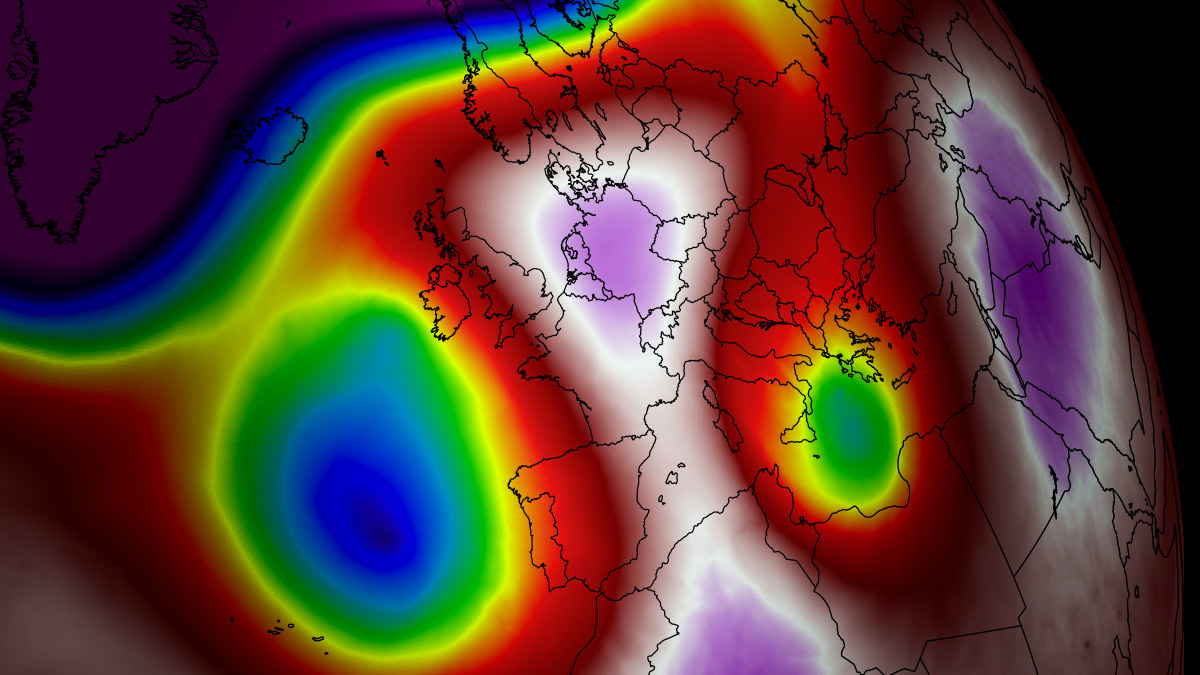
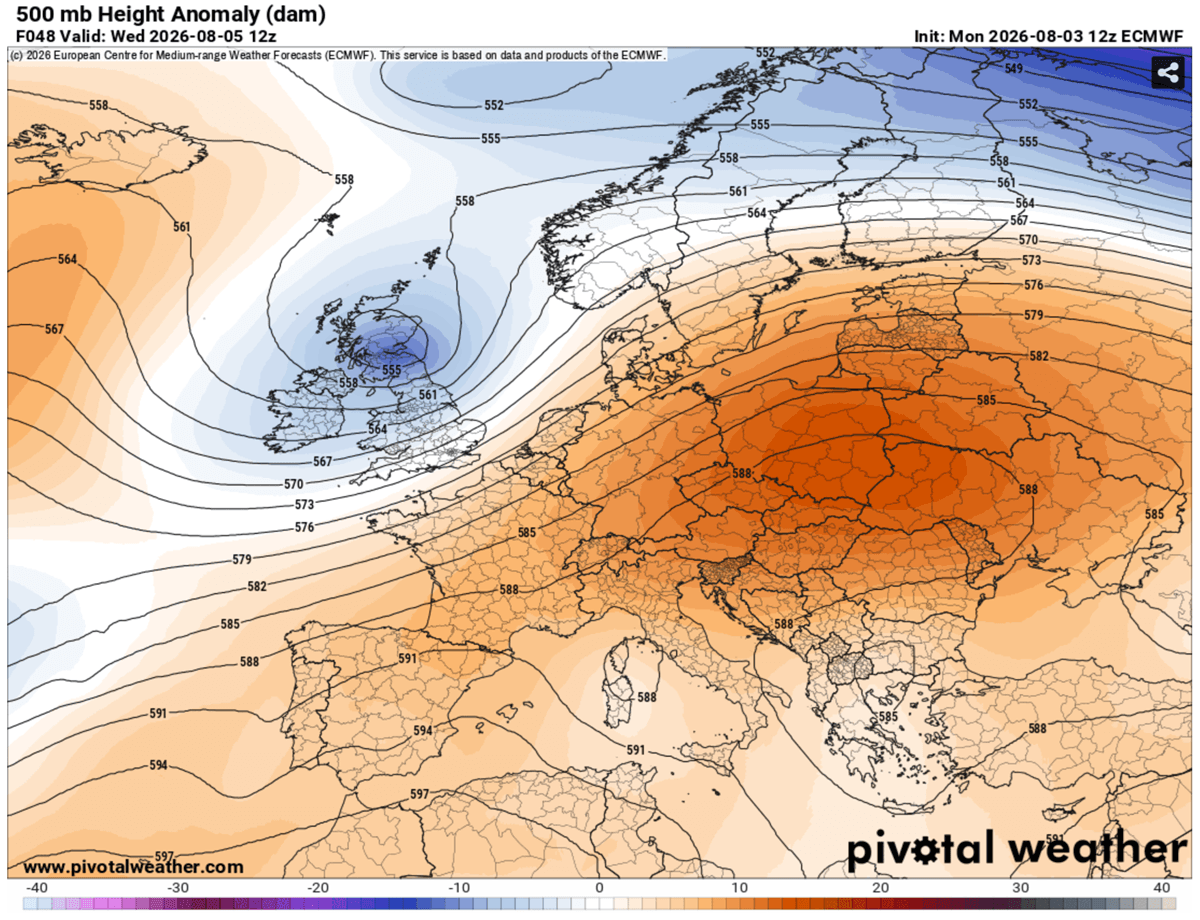
A formidable and unrelenting meteorological phenomenon is currently unfolding across the European continent. A high-amplitude upper-level ridge, locked into a stagnant Omega block pattern, has expanded eastward across Central Europe and the Balkan Peninsula. This system has acted as a atmospheric vacuum, drawing in an exceptionally warm and dry air mass directly from North Africa. As this air mass settles, it has triggered a prolonged, widespread heatwave that is shattering seasonal norms, with daytime highs consistently projected to exceed 40°C well into the first week of August.

Meteorologists have identified this event as a "Heat Dome"—a high-pressure system that functions like a lid on a pressure cooker. By trapping warm air at all levels and forcing it to compress and heat as it sinks toward the surface, the system has pushed upper-air thermal anomalies into the 99th percentile. From the Po Valley in northern Italy to the expansive Pannonian Basin, millions of residents are enduring temperatures that are not merely uncomfortable, but physiologically dangerous.
The Mechanics of the Heat Dome: A Continental Lid
To understand the severity of this event, one must grasp the atmospheric mechanics at play. An "Omega block," named for its resemblance to the Greek letter Ω, is a high-pressure ridge flanked by two lower-pressure troughs. This configuration effectively "parks" the high-pressure system in place, preventing the normal west-to-east progression of weather patterns.
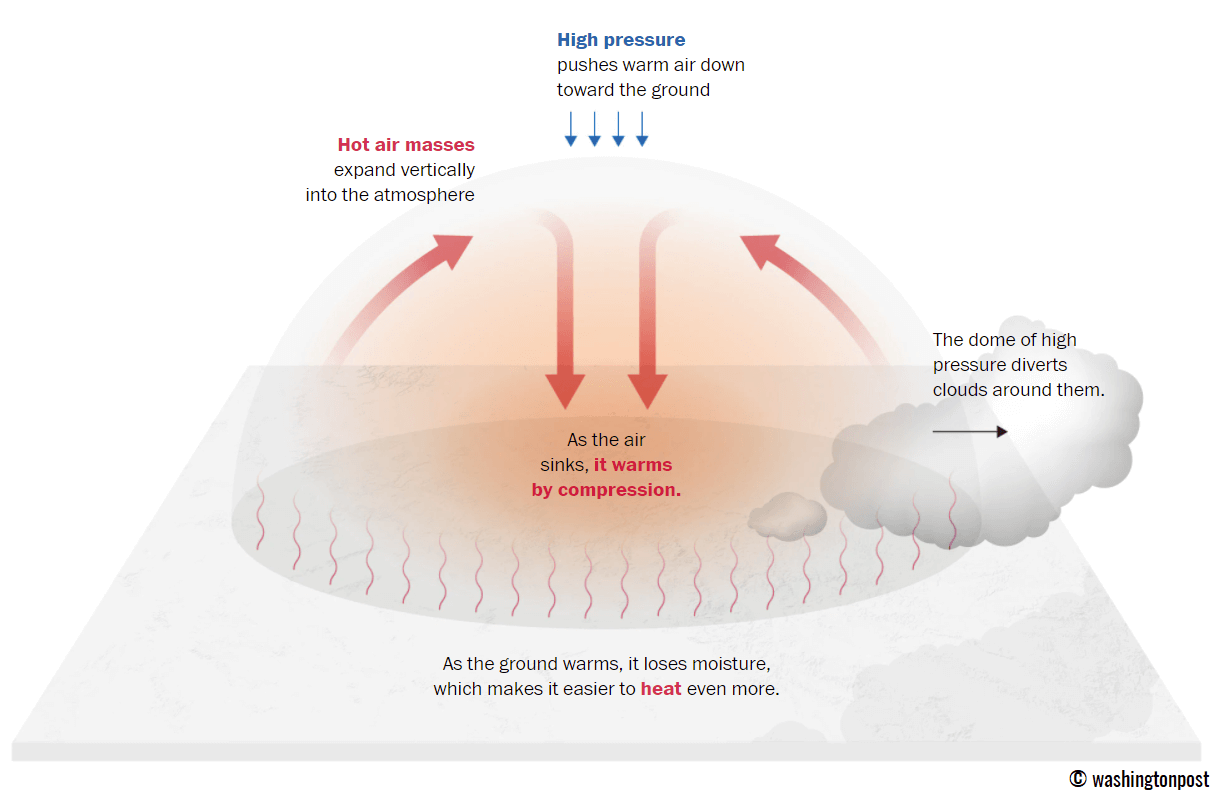
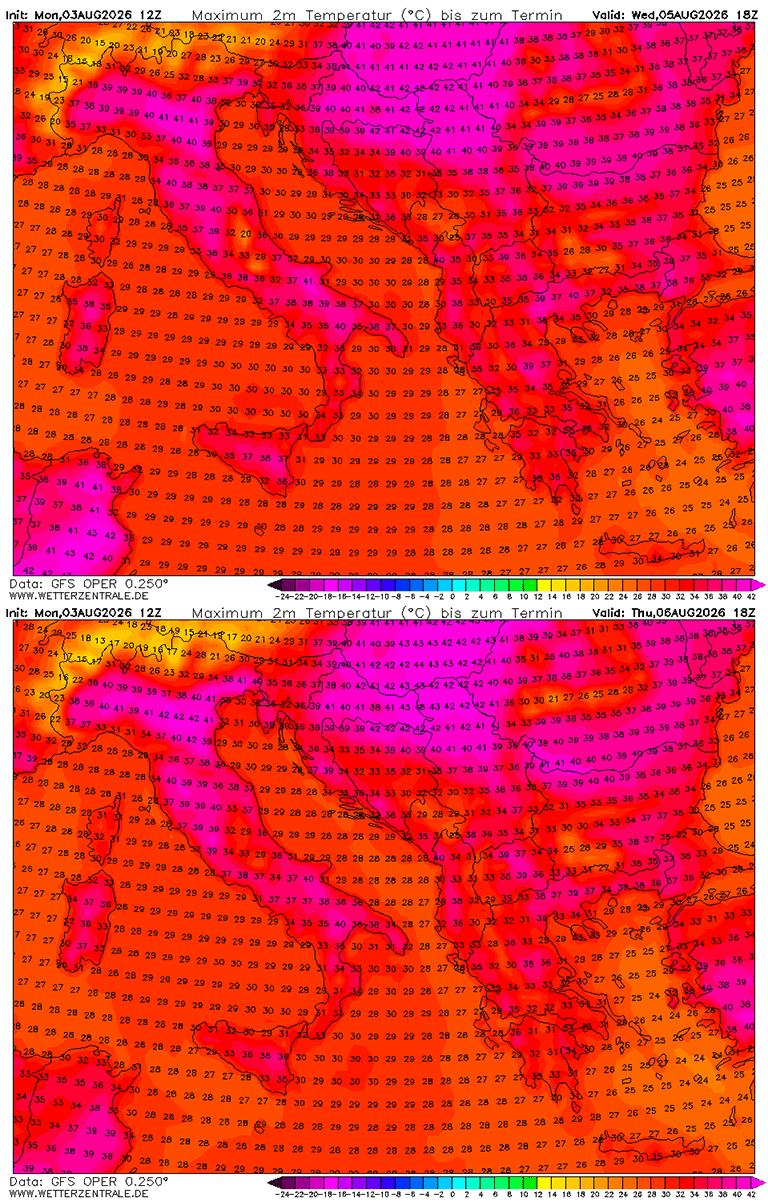
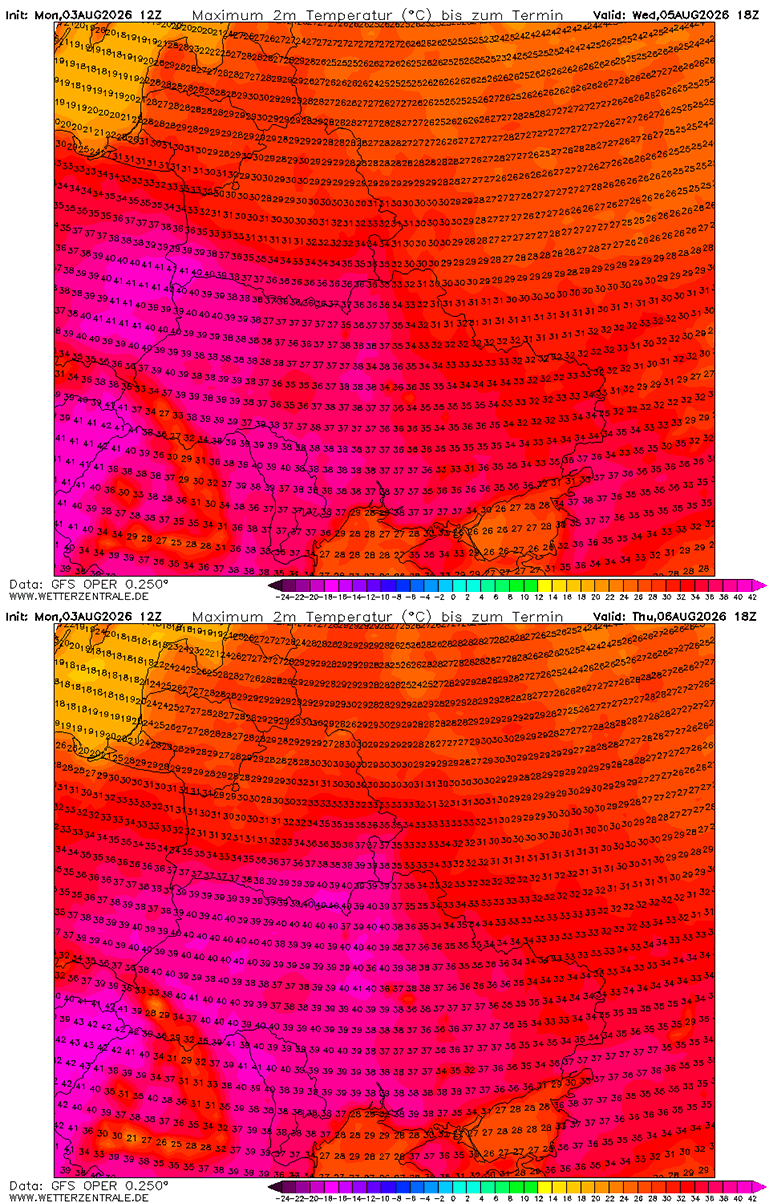
Under this dome, the air mass becomes remarkably stable. The sinking motion of the air—known as subsidence—compresses the atmospheric column. As air is compressed, it warms adiabatically. With the ridge remaining stationary for days, or even weeks, this process creates a feedback loop: the ground dries out, the air loses moisture, and the lack of cloud cover allows for maximum solar radiation absorption, which in turn further heats the surface. This cycle explains why temperatures in the heart of the continent are currently oscillating between 40°C and 43°C.
A Chronology of the Thermal Surge
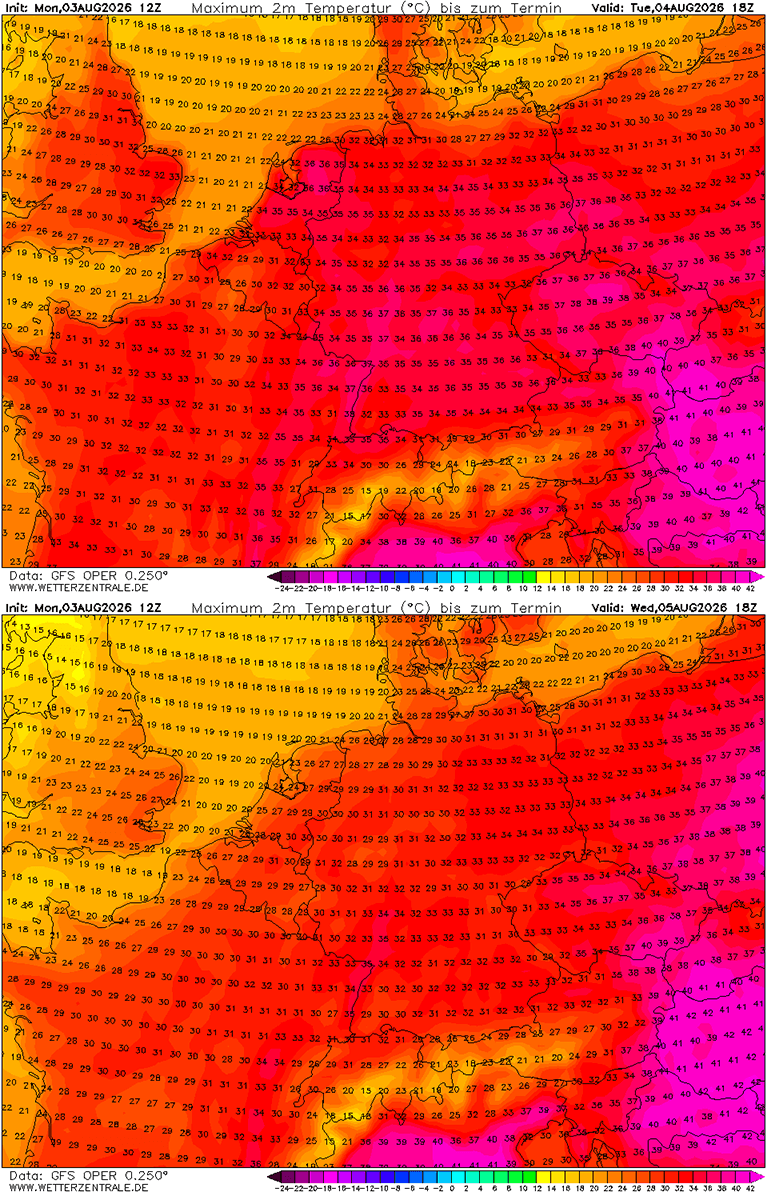
The progression of this heatwave is as precise as it is punishing. The event began with the initial development of the ridge over the core of Central Europe, impacting Germany, the Czech Republic, and Austria.
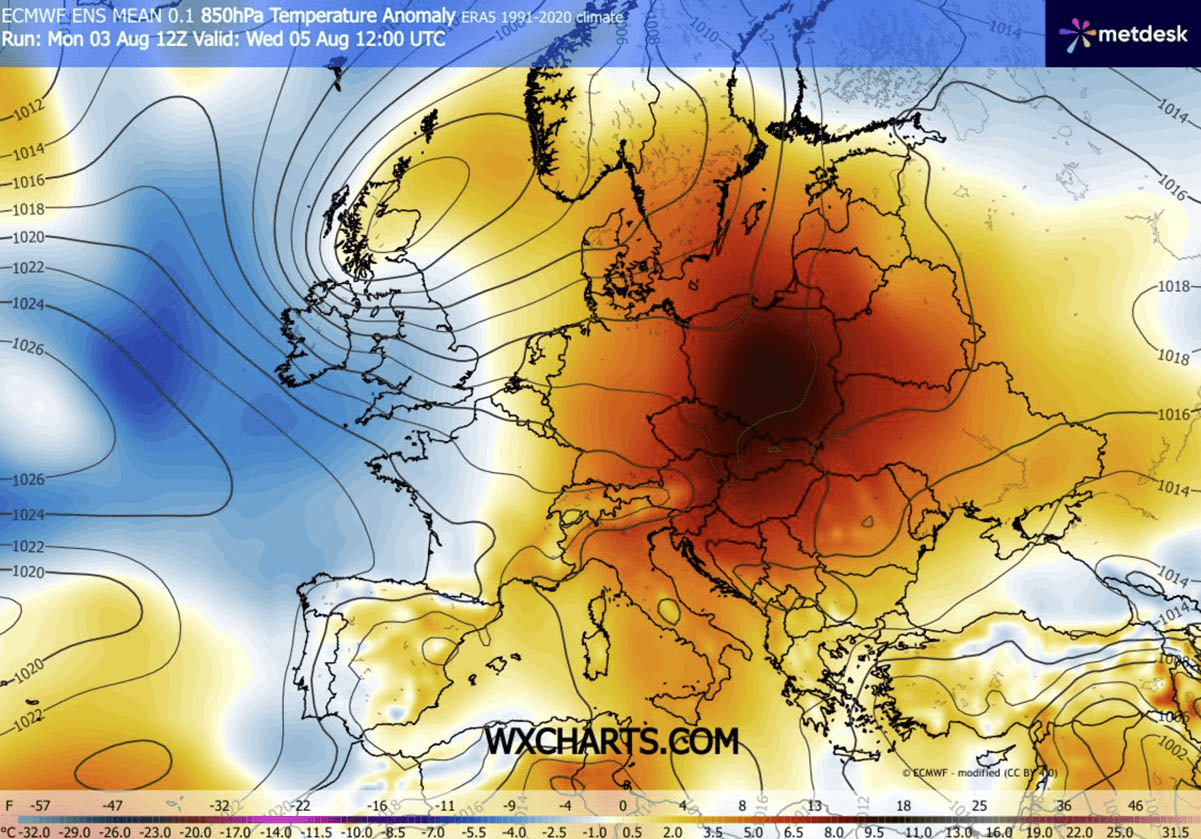
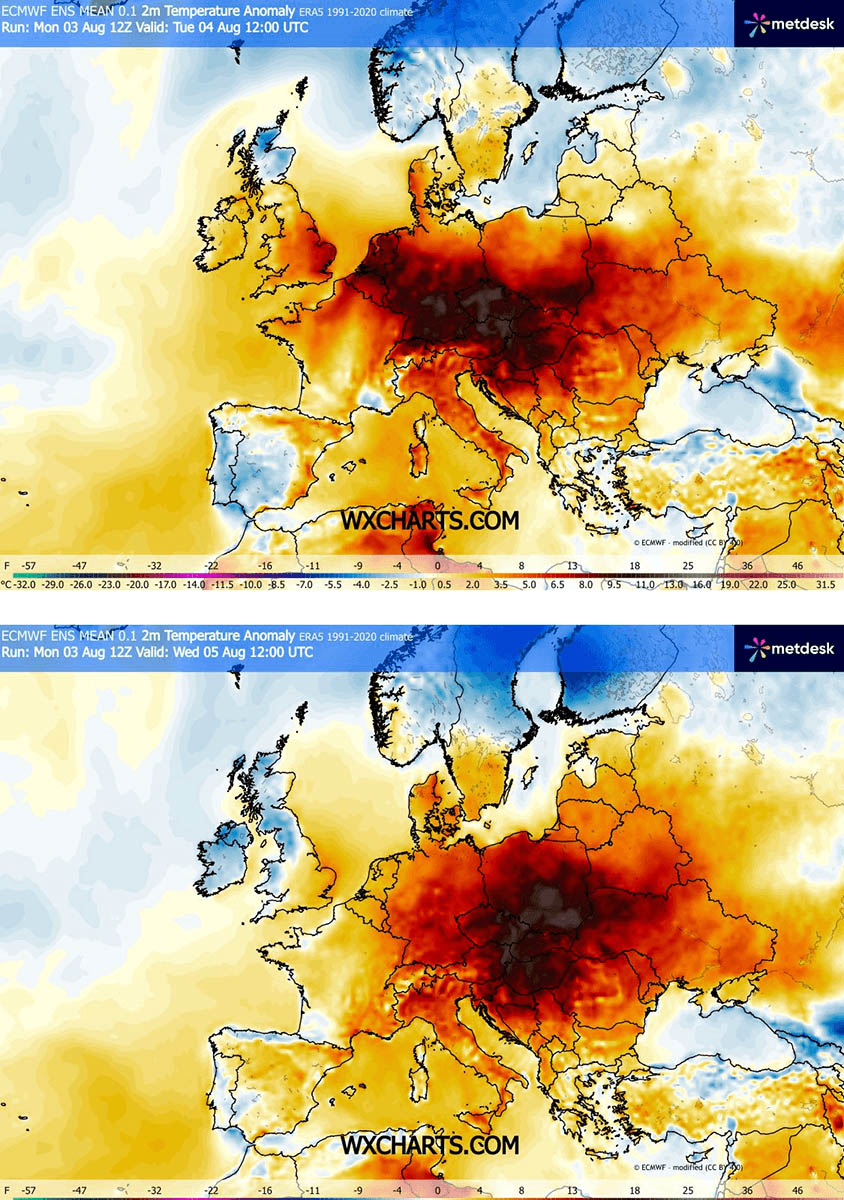
- Early Week (Tuesday–Wednesday): The peak of the initial surge hit Germany, Eastern Austria, and the Czech Republic, with thermometers in these regions reaching 36°C to 40°C. By mid-week, as the atmospheric engine shifted, the maritime air from the Atlantic provided slight relief to the Benelux region and parts of France, but the core of the heat dome simply migrated eastward.
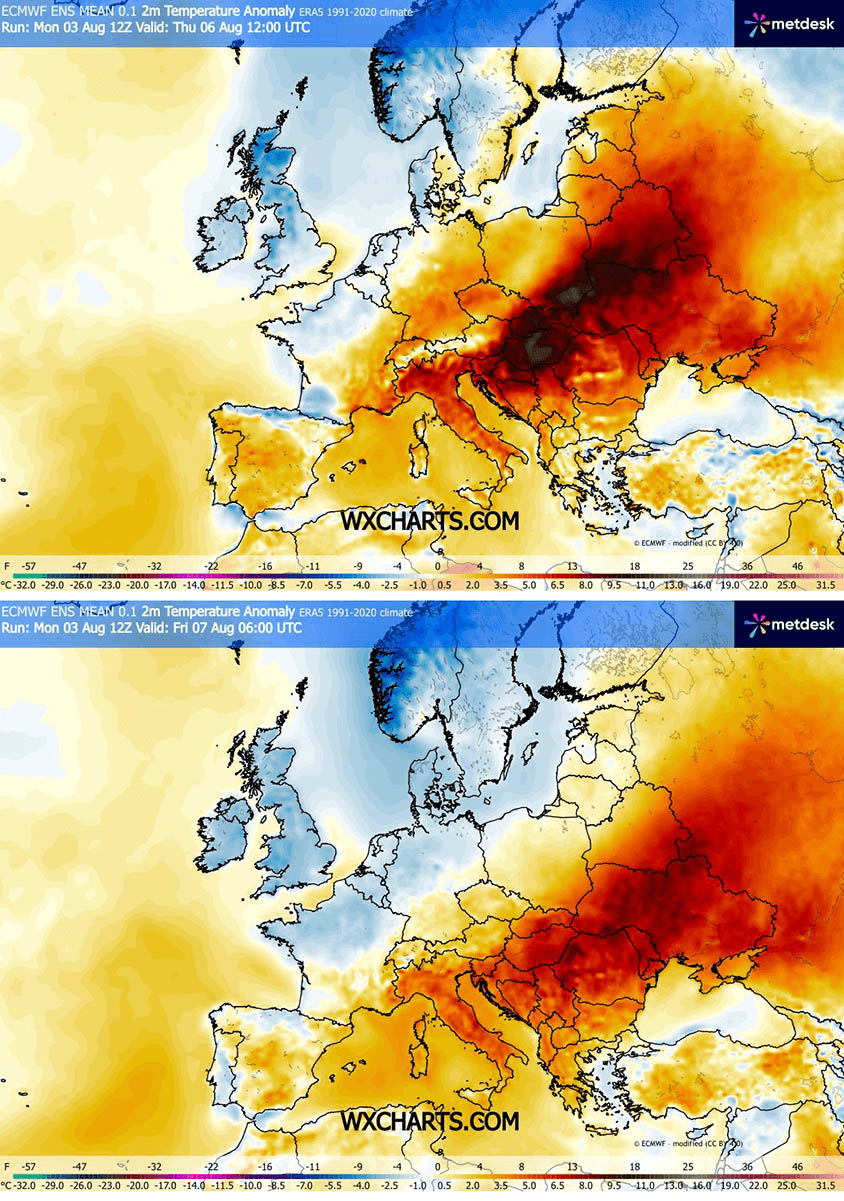
- Mid-Week (Wednesday–Thursday): The epicenter shifted toward the Pannonian Basin. Hungary, eastern Croatia, and northern Serbia began recording temperatures in the low 40s. These regions, characterized by low-lying basins, are particularly susceptible to extreme heat accumulation, with projections indicating peaks of up to 43°C.
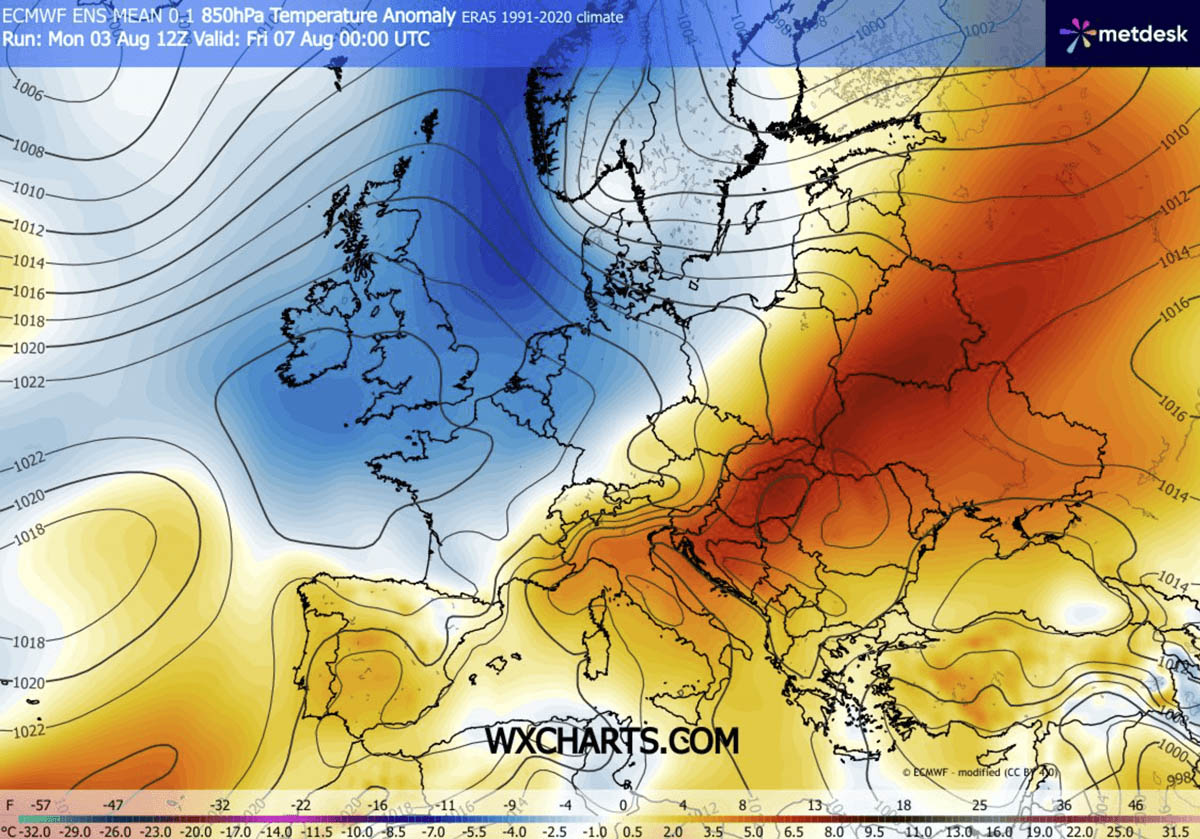
- Late Week (Friday–Weekend): The system is now expected to elongate and push further into Eastern Europe, affecting Romania, Ukraine, and western Russia. By Friday, the Balkan Peninsula—specifically Bulgaria and Greece—will be under the full influence of the anomaly.
Supporting Data and Meteorological Anomalies
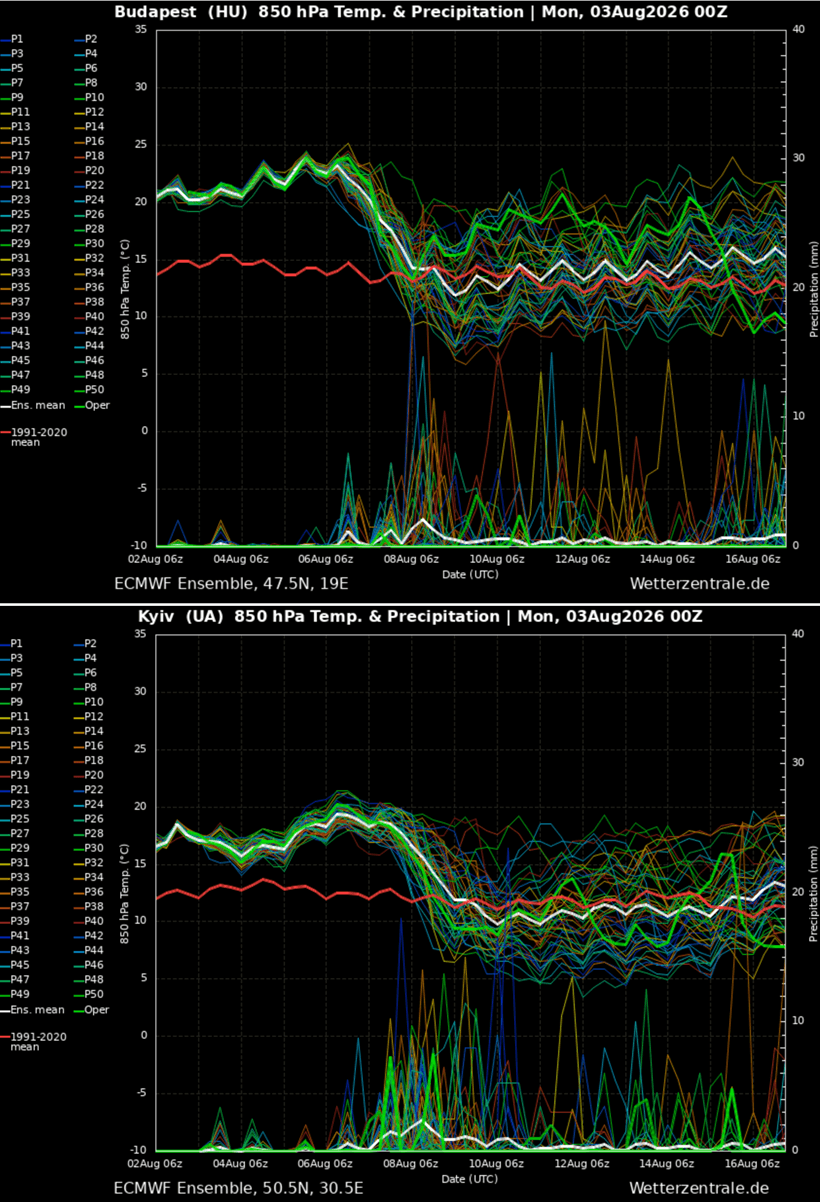
The 850 hPa temperature anomaly maps—which measure temperatures at approximately 1,500 meters above sea level—show a staggering departure from the long-term average. In many areas, the air mass is 8°C to 12°C warmer than what is typically expected for early August.
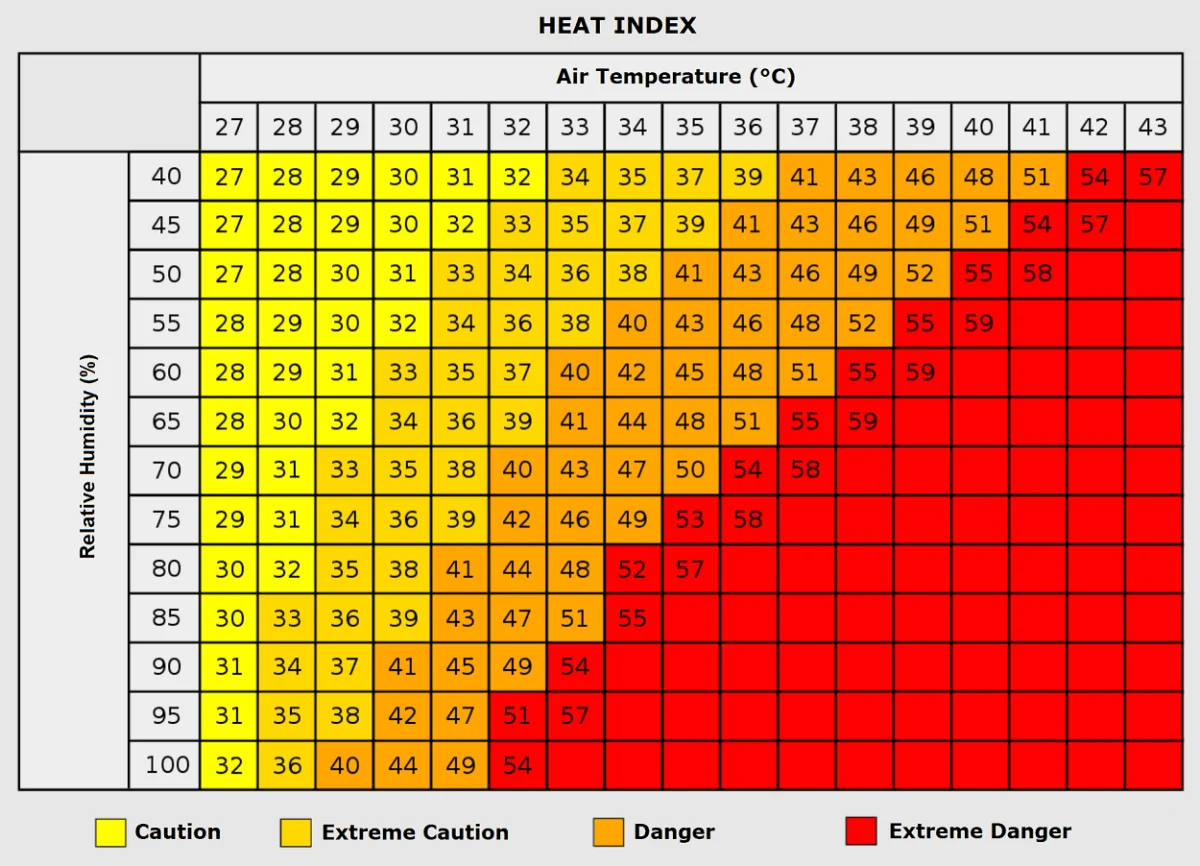
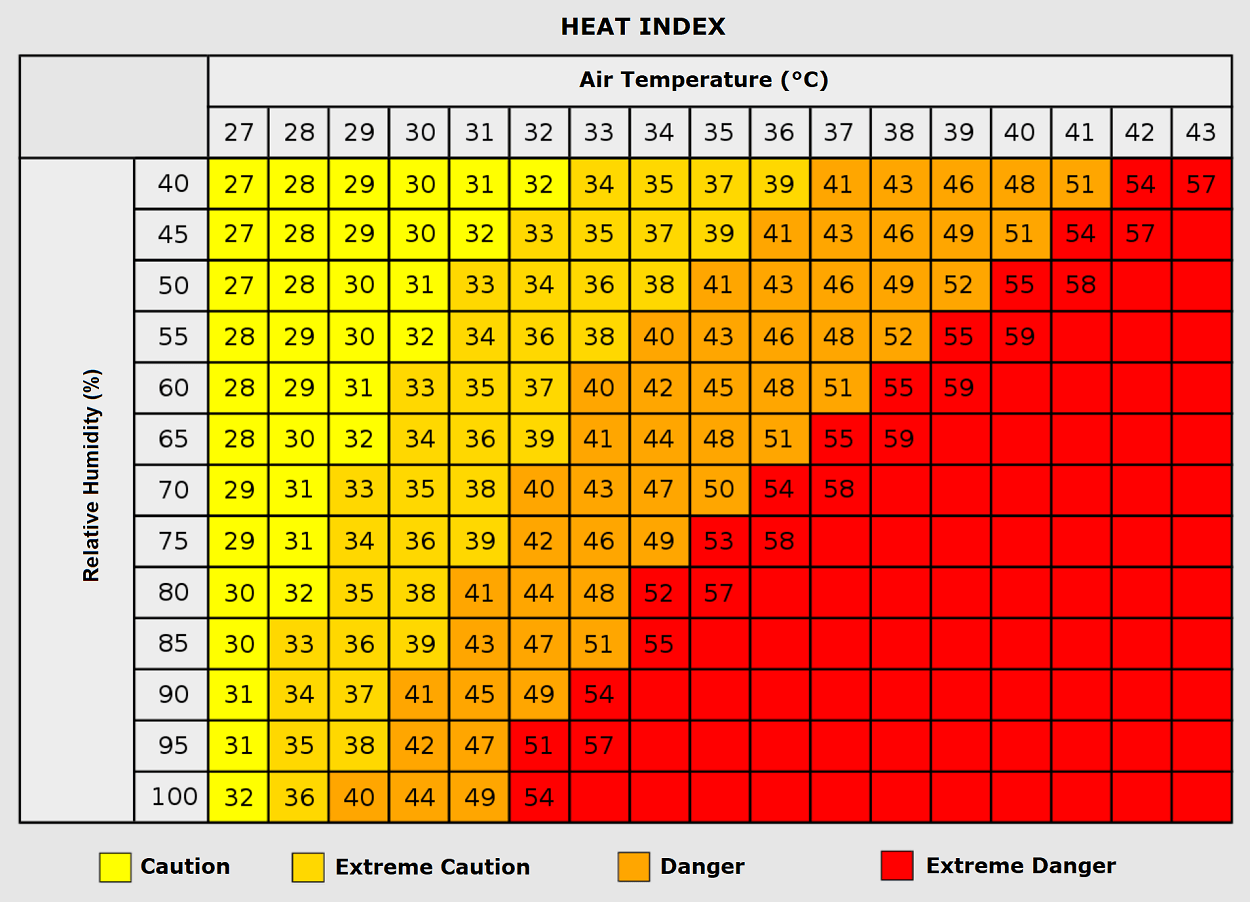
Crucially, the "Heat Index" is proving to be a more accurate representation of the danger than raw temperature. Even in areas where the air is relatively dry, the extreme heat is exacerbated by the total lack of nighttime cooling. These "tropical nights," where temperatures refuse to drop below 24°C to 26°C, prevent the human body from recovering from the daily thermal assault. Without this nightly "thermal reset," the cumulative stress on the cardiovascular and respiratory systems increases exponentially.
Implications: Public Health and Infrastructure
The human and economic costs of this prolonged heat event are already becoming apparent. Public health officials have warned that the most vulnerable populations—the elderly, children, and those with pre-existing cardiovascular conditions—are at the highest risk of heatstroke, dehydration, and heart failure.
Occupational Hazards and Urban Stress
Construction workers, agricultural laborers, and those whose livelihoods depend on outdoor activity are facing extreme occupational risks. In urban centers, the "Urban Heat Island" (UHI) effect is compounding the crisis. Concrete, asphalt, and other heat-trapping surfaces absorb solar radiation throughout the day and radiate it back at night, preventing cities from cooling down. This is particularly lethal in densely populated areas where housing, often constructed with materials like concrete or asbestos, does not offer adequate thermal insulation.
Agricultural and Wildfire Risks
Beyond the human toll, the agricultural sector is bracing for significant losses. The combination of extreme temperatures and low humidity is accelerating the depletion of soil moisture, threatening crop yields in the grain-producing regions of the Pannonian Basin. Simultaneously, the vegetation across southern Europe and the western Balkans has reached a state of extreme aridity, making the landscape highly susceptible to explosive wildfire growth. Emergency services in these regions have been placed on high alert, as even a minor spark in these conditions can lead to rapid, uncontrollable conflagrations.
Emerging Trends: A Second Wave?
As meteorologists look toward the mid-range forecast, the outlook remains concerning. Numerical weather models are in good agreement that the current ridge over Eastern Europe will eventually collapse by the end of the upcoming weekend. However, this may be merely a reprieve.
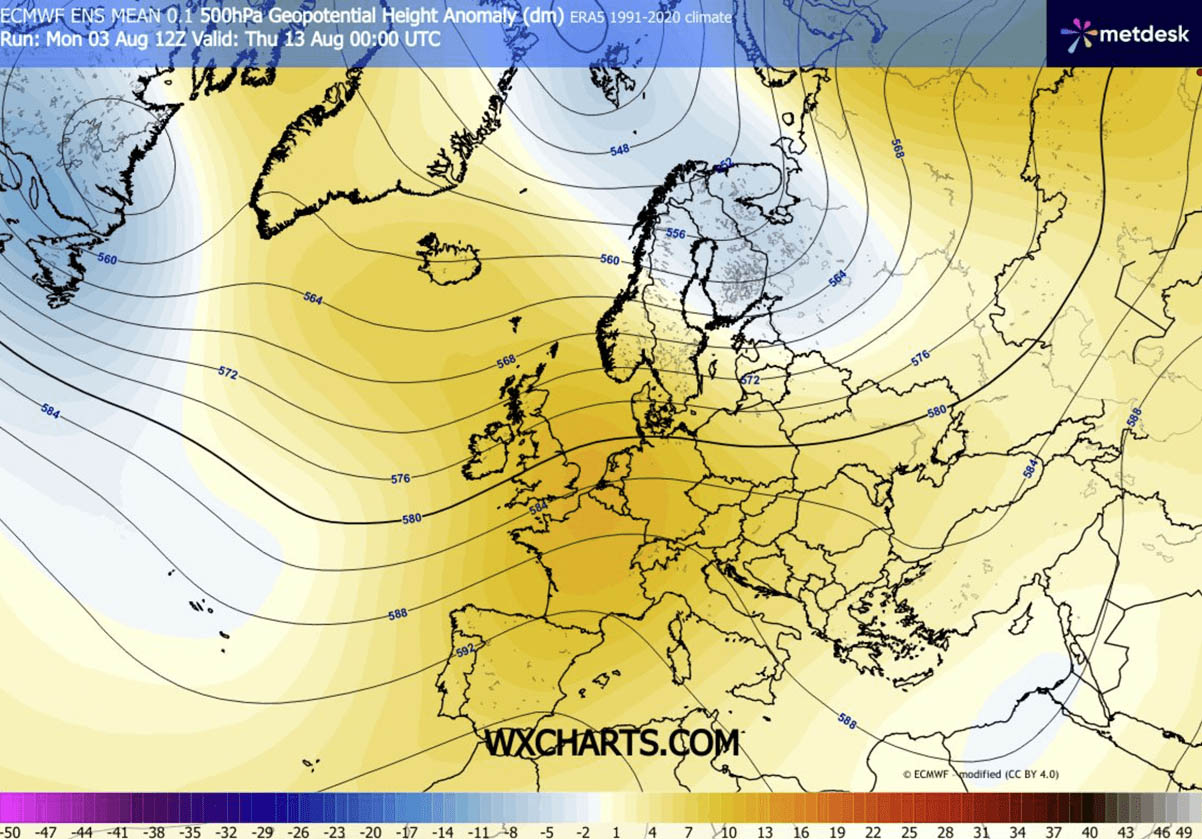
Early indications suggest that a new high-pressure ridge could build over Southwestern Europe by mid-August. If this pattern develops as projected, a second, distinct Heat Dome could manifest, potentially impacting Portugal, Spain, France, and eventually the British Isles. While it is too early to determine the exact intensity of this potential second wave, the recurrence of such events—frequently termed "heatwaves within heatwaves"—has become a hallmark of the changing atmospheric dynamics in the European sector.
Official Responses and Preparedness
National meteorological services across the affected regions have issued the highest level of heat warnings. In Hungary, Serbia, and Italy, authorities have activated "Red Level" emergency protocols. These measures include:
- Public Cooling Centers: Opening of air-conditioned public spaces for the elderly and those without access to cooling.
- Water Distribution: Municipalities have begun distributing water in high-traffic pedestrian areas.
- Grid Management: Energy providers are monitoring the strain on power grids, as the demand for air conditioning spikes, threatening to destabilize energy distribution.
Governmental health ministries are urging the public to restrict outdoor activities between 11:00 AM and 6:00 PM and to maintain constant hydration. As the climate continues to exhibit these volatile patterns, the focus is shifting from reactive emergency management to long-term adaptation. Urban planners are now being urged to rethink city designs, prioritizing green spaces and heat-reflective materials to combat the inevitable return of such extreme events.
As the current heat dome continues its eastward crawl, the continent remains in a state of high alert. With meteorologists continuing to track the movement of the upper-level ridge, the coming days will be critical in determining the full extent of the damage to both the agricultural infrastructure and the health of the millions living under this relentless, high-pressure sky. The message from the meteorological community is clear: this is not a temporary anomaly, but a significant, high-impact event that demands vigilance and preparedness at every level of society.