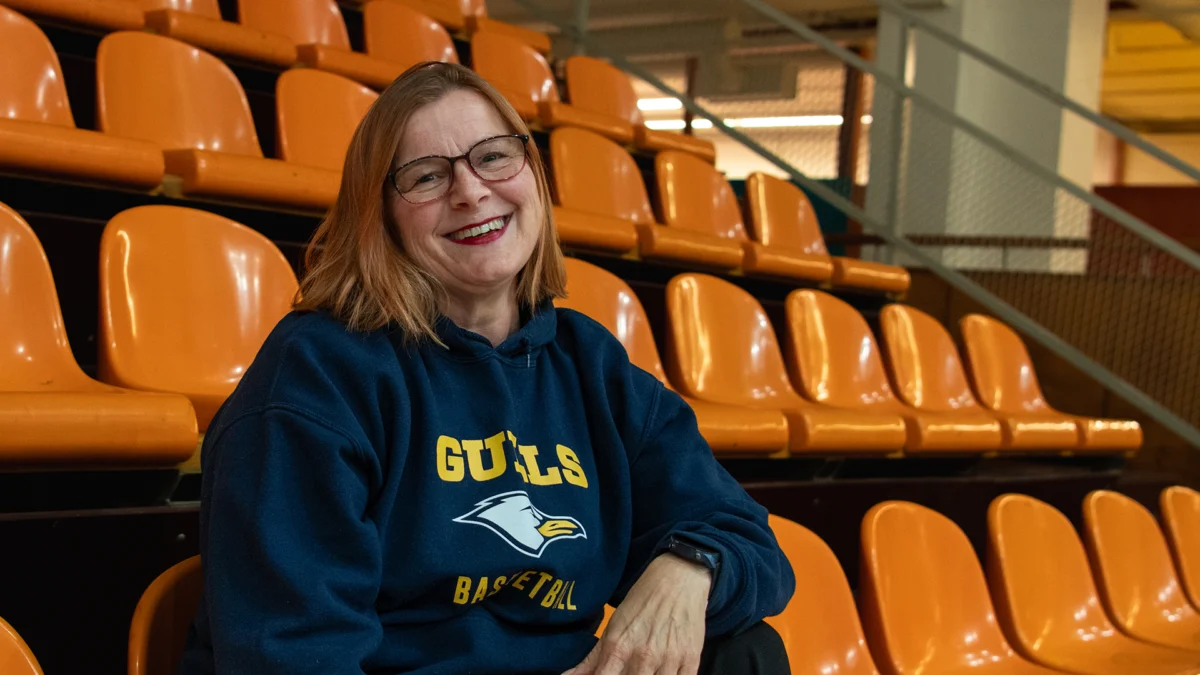
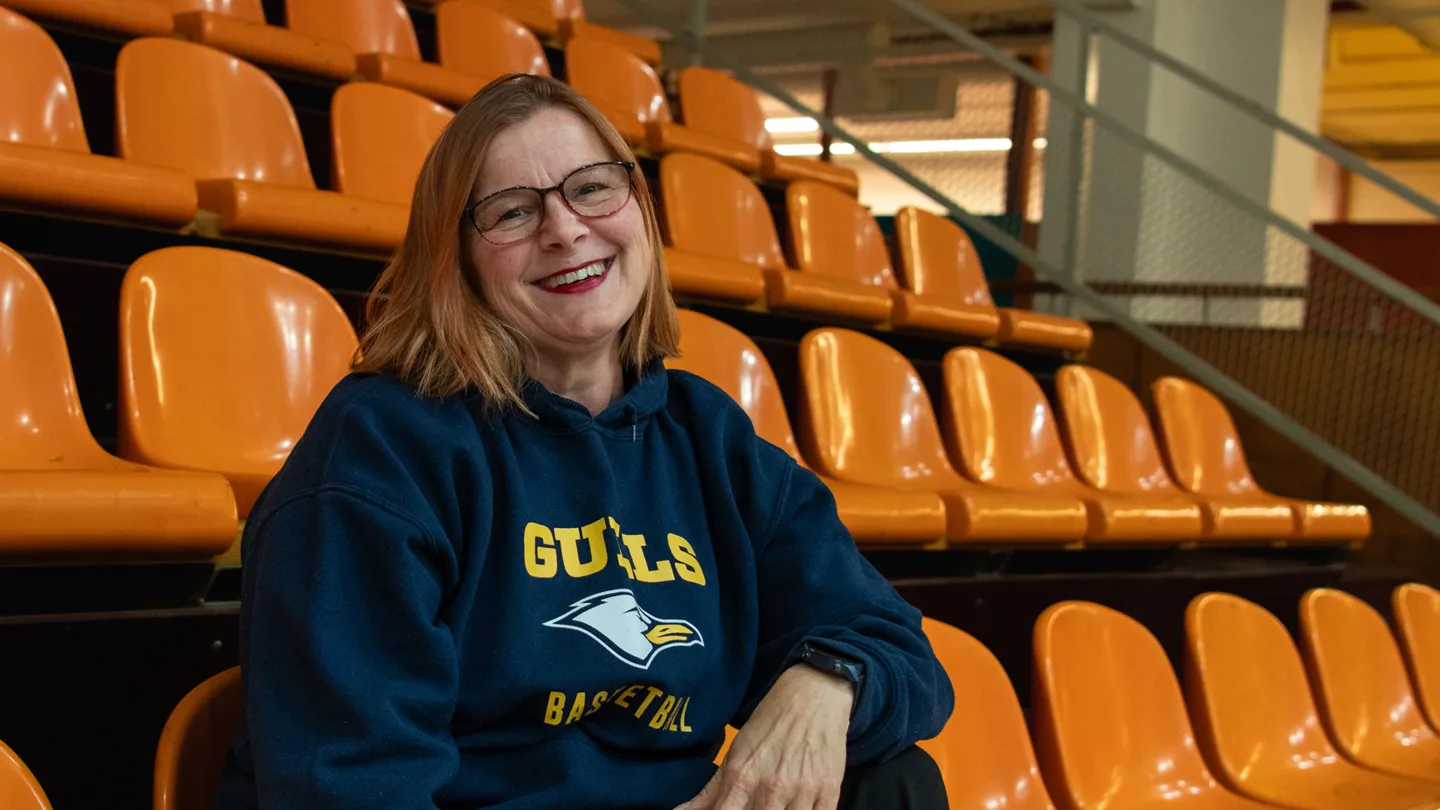
"Which club does your heart beat for?" This is the question that echoes throughout Finland every September. It is a prompt to pause, reflect, and wear one’s colors with pride. For Maarit Mansikka, the answer isn’t a single name, but a tapestry of three distinct basketball clubs, each reflecting a different chapter of her life. From the grassroots courts of her youth to the roaring stands of the professional league and the inclusive social circles of recreational play, Mansikka’s journey illustrates the profound power of Finnish sports culture.
The Early Spark: A Lifelong Passion
Maarit Mansikka’s relationship with basketball began at the age of eight. What started in a simple school sports club quickly ignited a passion that would define her formative years. Like many young athletes, she progressed from schoolyard play to the structure of a competitive club team, staying deeply embedded in the sport well into her teens.
However, life often brings natural transitions. As she reached adulthood and moved into the phase of starting a family, basketball took a temporary backseat. It was not until her own children began to take interest in the sport that the dormant fire was rekindled. "When my children grew up and started playing basketball, I found the sport again myself," she recalls. This rediscovery was not merely a return to the sidelines; it was a total immersion into the ecosystem that makes Finnish sports clubs the bedrock of social life.
A Chronology of Commitment: From ToPoLa to the Stands
Mansikka’s journey through the basketball world is marked by three distinct pillars of engagement: her foundational years at ToPoLa, her vocal leadership with the Helsinki Seagulls, and her current role in the "Rough Diamonds" recreational squad.
The ToPoLa Years: Learning the Ropes
At the Lauttasaari-based club ToPoLa, Mansikka transitioned from being a supportive parent to an active architect of the club’s success. "ToPoLa has been a heart-club for me," she says. She took on a multitude of roles: team leader, coach, and board member. Her influence extended beyond the local level, as she played a key role in establishing the "Mamma-sarja," a league that has since evolved into a popular women’s recreational series.
Reflecting on those early days of governance, she is humble. "I didn’t know anything about board work, but I received great support, and we learned things together." This period highlights the essence of the Finnish club model: a collaborative effort where parents and volunteers bridge the gap between amateur enthusiasm and organizational stability.
The Seagulls Era: Finding the Fan Voice
In 2013, the landscape of Helsinki basketball shifted with the birth of the Helsinki Seagulls. Initially, Mansikka was skeptical. As a board member at ToPoLa, she worried that the new professional club might monopolize limited practice times and resources for the youth.
"I was against it," she admits with a laugh. "I thought, we shouldn’t take anything away from the kids."
However, a chance invitation from a friend to attend a promotion match changed everything. The electric atmosphere of the professional game was infectious. As the Seagulls ascended to the Korisliiga, so too did Mansikka’s involvement. She was tapped to lead the team’s fledgling fan group—a role she embraced for four years. For her, wearing the team colors to the Kisahalli arena wasn’t just about watching a game; it was about being a heartbeat for the players. Even after moving away from Helsinki, her dedication remains, as she continues to follow every game, either in person or via broadcast, engaging in intense tactical analysis with her fellow fans.
Rough Diamonds: The Joy of Inclusion
Currently, Mansikka plays with the "Rough Diamonds" in Pakila, a team she helped found. This brings her full circle, participating in the same recreational series she helped cultivate years ago. For her, this is the most vital aspect of the sport. "When you put on your gear, it doesn’t matter what you do for a living or what your social status is," she notes. "On the court, we are all equal."
The Societal Impact of the Finnish Sports Club Model
The story of Maarit Mansikka is not an anomaly; it is a testament to the Finnish "Seurapaitapäivä" (Club Shirt Day) philosophy. With one-third of the Finnish population—roughly 1.8 million people—actively participating in sports clubs, these organizations serve as the primary vehicle for social cohesion in the country.
Supporting Data and Community Value
The impact of this movement is twofold:
- Social Infrastructure: Clubs provide a neutral ground where people of different socioeconomic backgrounds interact, fostering a sense of belonging that is increasingly rare in digital-first societies.
- Health and Wellness: Beyond physical exercise, these clubs provide mental health benefits through community support, combatting isolation across all age groups.
The Finnish Olympic Committee emphasizes that these clubs are the largest popular movement in the country. They are not merely training grounds for athletes; they are the training grounds for active citizens. Whether it is a volunteer coach, a parent selling coffee in a kiosk, or a player in a recreational league, each role reinforces the social fabric of the community.
Official Perspective: The Call for Respect
As the nation prepares for "Club Shirt Day" on September 29th, the conversation has shifted toward the sustainability of this culture. Mansikka is a vocal advocate for positive fan behavior, a topic of increasing importance in competitive sports.
"I hope that fan culture remains encouraging rather than abusive," she states. "If the team is doing poorly, I want to believe that fans are there to support the team as much as possible. Through the good times and the bad."
This sentiment is echoed by sports administrators across the country. The goal of the upcoming national celebrations is to encourage every Finn to wear their club’s colors—whether it’s a jersey, a cap, or a scarf—to recognize the unseen labor that keeps these institutions alive.
Implications: A Future Built on Collective Spirit
What does "club love" truly mean in the modern era? For Mansikka, it is about the "we" over the "I." It is the realization that the club is not just a brand or a professional entity; it is a community that requires nourishment, participation, and, most importantly, loyalty.
The implications for the future are clear: as society becomes more fragmented, the role of the local sports club as a "third space" becomes more vital. When individuals like Mansikka commit their time to coaching, managing boards, or leading fan groups, they are securing the longevity of a model that provides a sense of identity and purpose to millions.
As September 29th approaches, the message is simple: wear your colors. Whether you are a seasoned veteran like Maarit Mansikka or someone who has just joined a local recreational team, your participation is the heartbeat of the movement. By showing up, cheering loudly, and supporting the community through both victories and defeats, we ensure that the "club heart" continues to beat for generations to come.
The story of Maarit Mansikka is a reminder that sports are not just about the final score. They are about the friendships forged in the changing rooms of Pakila, the collective pride of a fan base in a crowded arena, and the quiet, persistent work of volunteers who believe that a club is more than the sum of its parts—it is a family.