A successful deer season is rarely the result of a single lucky morning spent in a tree stand. Instead, it is the culmination of months of meticulous preparation, environmental observation, and strategic data gathering. For the modern hunter, the transition from "guessing" to "knowing" is defined by the integration of advanced trail cameras and automated deer feeders—tools that have evolved from simple passive devices into a sophisticated, interconnected ecosystem of game management.
As the hunting industry shifts toward more precise, data-driven methodologies, the synergy between surveillance and nutrition has become the gold standard for those looking to effectively pattern and harvest mature bucks. By leveraging cellular connectivity and AI-driven optics, hunters are now capable of monitoring remote habitats without the "human pressure" that historically spooked game and ruined productive spots.
The Evolution of Scouting: From Guesswork to Data
In the past, scouting meant walking miles of timber, checking SD cards, and leaving behind human scent—a practice that often alerted mature deer to a hunter’s presence long before the season opened. Today, the landscape of scouting has been transformed by the "connected hunt."
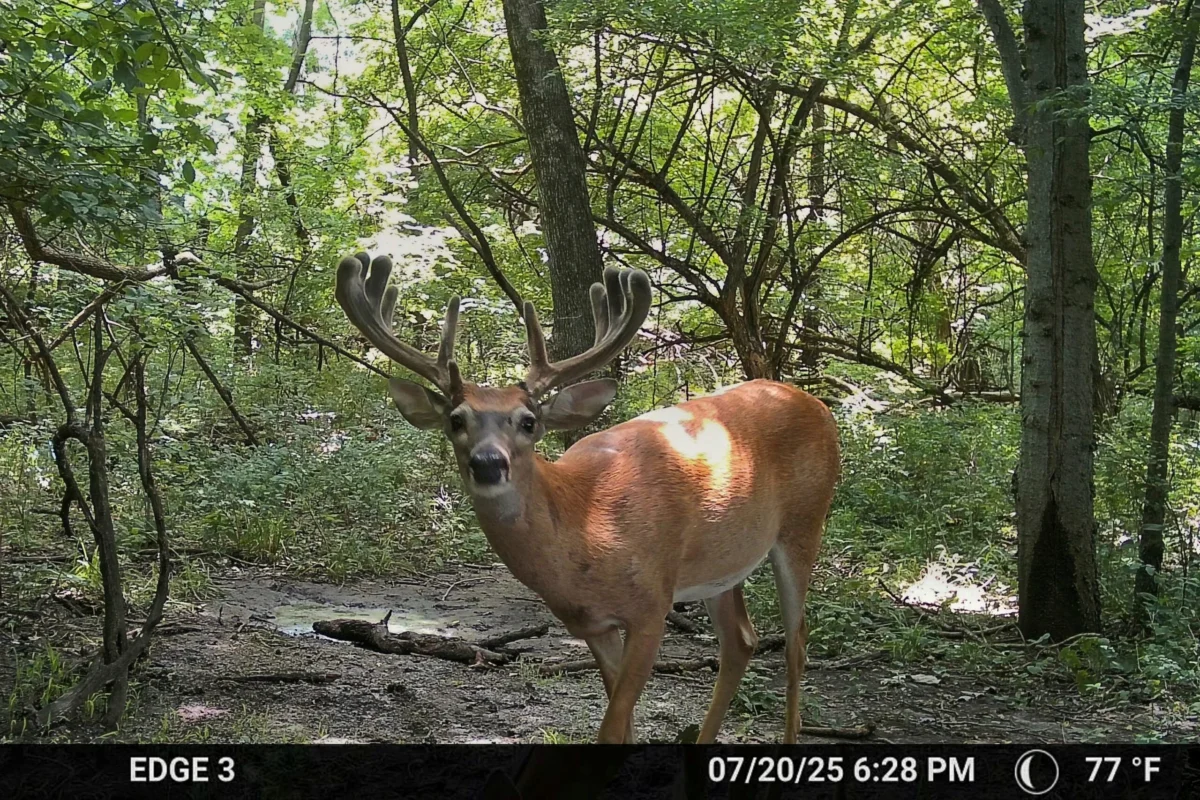
Trail cameras have moved beyond simple motion-triggered photography. Modern units, such as those in the Moultrie EDGE series, now act as remote sensors. By utilizing cellular networks, these cameras transmit images and video directly to a hunter’s smartphone. This allows for real-time monitoring of travel corridors, bedding areas, and food plots from anywhere in the world.

The primary implication of this technology is the reduction of environmental disturbance. By staying off the property, hunters maintain the "sanctuary" feel of their hunting grounds, which is crucial for holding mature bucks on a specific piece of land throughout the season.
Chronology of the Modern Hunting System
To understand the current state of game management, one must look at the progression of the tools used to execute it:
- The Early Era (Pre-2000s): Hunters relied on physical scouting and manual observation. Game cameras were film-based, requiring frequent trips to retrieve rolls and replace batteries, which inevitably introduced human scent into the habitat.
- The Digital Transition (2000–2015): The introduction of digital SD-card cameras eliminated the need for film development. However, the "check-in" process still required physical visits to the camera, limiting the speed at which hunters could adapt to deer movement.
- The Cellular Revolution (2015–2022): The arrival of cellular connectivity changed the game. Cameras began sending images via SMS or email. This allowed for near-real-time updates, but battery life and data management remained significant hurdles.
- The AI and Integrated Era (2023–Present): We are currently in the era of Artificial Intelligence and ecosystem integration. Modern cameras now identify species, filter out "non-target" movement, and operate as part of a cohesive network alongside automated, app-controlled feeders.
Supporting Data: Why Connectivity Matters
The shift toward "smart" hunting is not merely about convenience; it is about efficiency. According to recent field reports and industry performance benchmarks, hunters who utilize integrated AI-camera systems and cellular-controlled feeders see a marked increase in their ability to pattern deer.
The Power of Moultrie AI
The integration of Artificial Intelligence into trail cameras represents the most significant leap in scouting technology. Moultrie’s proprietary AI technology, featured in the EDGE 3 and EDGE 3 Pro models, serves as a high-speed filter. Instead of scrolling through thousands of images of swaying branches or squirrels, the system automatically detects when a buck is present.

This is supported by:
- Automated Video Switching: When the AI recognizes a buck, the camera automatically shifts from still photography to high-definition video, providing the hunter with a better look at rack development and body condition.
- Live Aim and GPS: The inclusion of GPS tagging and "Live Aim" technology allows users to view the camera’s perspective remotely, ensuring that the angle and coverage are optimized without ever having to visit the tree in person.
- Storage Efficiency: With built-in memory systems replacing traditional SD cards, the risk of card failure—a common frustration in the field—has been virtually eliminated.
Official Perspectives on Game Management
Industry leaders have long emphasized that technology should be a force multiplier for the hunter, not a replacement for woodsmanship. Moultrie, having pioneered advancements in this space for over 40 years, views these tools as a way to bridge the gap between biological conservation and the act of hunting.
"The goal is to provide a complete picture of how deer utilize a specific area," a company representative noted. "When you pair a 250 lb. Connected Feeder with a cellular camera, you aren’t just attracting animals; you are creating a predictable, observable environment. This allows the hunter to understand the ‘why’ behind deer movement, rather than just the ‘where’."
The company’s current initiative, running through August 26, highlights their commitment to making these technologies accessible to the average hunter through significant price incentives on their most popular units, including the EDGE 3 and various feeder models.

Implications for the Upcoming Season
As we look toward the height of the fall rut, the implications of these tools are profound.
1. The Strategy of "Funneling"
By placing an EDGE 3 Pro on a transition zone and a connected feeder on a food plot, a hunter can effectively "funnel" deer behavior. By managing the feed times via the Moultrie App, a hunter can ensure that the food source is most active during legal shooting hours, effectively conditioning the herd to visit the site when the hunter is present.
2. Battery and Power Management
One of the most persistent issues in remote game management has been power. The introduction of the EDGE Solar camera addresses this by utilizing high-efficiency panels that charge up to two times faster than previous generations. For hunters operating on large, remote tracts of land, this "set-it-and-forget-it" approach is a game-changer, removing the need for mid-season maintenance trips.
3. Subscription and Accessibility
While these systems require an active subscription (starting at $6.99/month), the return on investment is found in the time and money saved on travel, fuel, and the increased probability of a successful harvest. For the serious hunter, the ability to monitor the property from a living room couch represents a new level of engagement with the sport.

A Balanced Approach
While technology provides an edge, it is important to remember that tools are only as effective as the hunter using them. A cellular camera cannot teach a hunter how to read wind direction, how to identify a rub line, or how to remain disciplined in the stand.
However, by removing the guesswork from the scouting process, these modern devices allow hunters to focus on the elements of the hunt that require human intuition. By understanding the data provided by AI-equipped cameras and the behavioral influence of automated feeders, hunters can approach the woods with a level of confidence and preparation that was previously impossible.
As the season approaches, the transition toward a smarter, more efficient, and more connected hunting experience is not just a trend—it is the new foundation of the sport. Whether you are managing a small plot or a massive tract of private land, the integration of these systems offers the best chance to fill a tag and ensure that your time in the field is spent as effectively as possible.
For those ready to upgrade their gear, the late-summer sale window offers a strategic opportunity to invest in a system that will pay dividends when the temperature drops and the woods come alive.