For the modern climber, the "perfect" pant is a mythical creature. It must be rugged enough to withstand the abrasive reality of granite and sandstone, flexible enough for high-stepping on technical boulders, and stylish enough to pass as acceptable attire at a local cafe after a long day at the crag. For years, the outdoor industry has attempted to balance these competing demands, often leaning too far into either “technical overkill” or “lifestyle casual.”
With the introduction of the Black Diamond Sequence Pants ($99), the brand has positioned itself in the “sweet spot” of the market. After over a year of rigorous field testing across diverse climbing disciplines—including bouldering, trad, sport, and multi-pitch projects—it is clear that while these pants don’t claim to do everything, they do the essentials exceptionally well.

Main Facts: At a Glance
The Black Diamond Sequence Pants are designed as a versatile, mid-weight solution for climbers who refuse to carry three different pairs of pants for a single day of activity.
- Material: Polyester stretch ripstop with a PFAS-free DWR (Durable Water Repellent) finish.
- Design: A contemporary straight-leg cut that balances aesthetics with functional range of motion.
- Waistband: A soft, pull-on elasticated design with an integrated drawstring, optimized for comfort under a climbing harness.
- Price Point: $99 MSRP, placing them in the accessible mid-range for technical apparel.
- Intended Use: Daily gym sessions, bouldering, cragging, and urban wear.
Chronology of Testing: A Year on the Rock
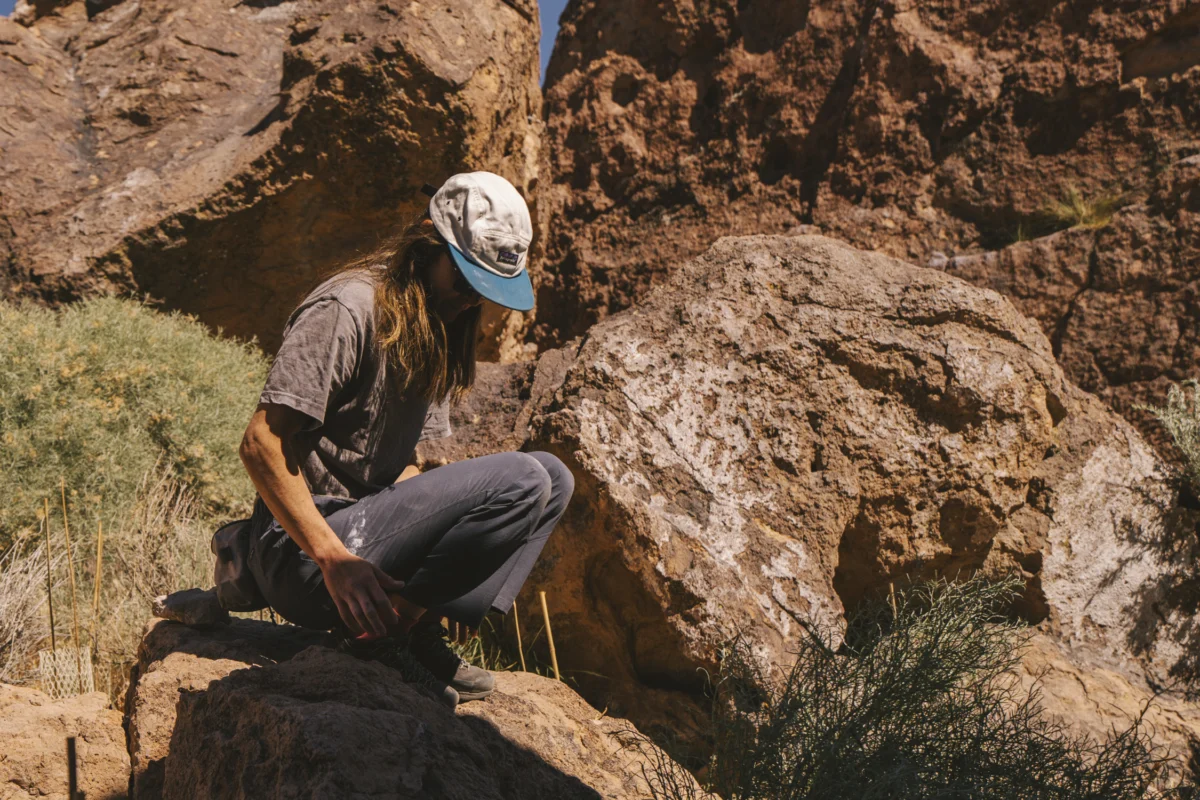
My relationship with the Sequence Pants began in 2025, shortly after their market debut. Initially, I purchased a single pair out of curiosity, intrigued by the promise of a “do-it-all” garment. Within three months, that single pair had grown to a collection of three, as they quickly became the default selection for my climbing trips around Bishop, California.

Phase 1: Initial Familiarization (Months 1-3)
During the first few months, the pants were tested primarily on local sport routes and indoor training sessions. The immediate takeaway was the comfort of the waistband. Unlike traditional button-fly pants that can create “hot spots” or pressure points when cinched under a tight harness, the elasticated design of the Sequence felt nearly invisible. The 27-inch inseam (on my 5’8” frame) proved to be a stroke of genius, falling just above the ankle and ensuring that my foot placement remained visible and unobstructed during delicate technical sequences.
Phase 2: The Stress Test (Months 4-8)
As the season shifted to high-alpine conditions and more abrasive granite, the limitations of the pants began to surface. While the stretch-ripstop fabric handled standard movement with ease, prolonged contact with rough rock began to show the limitations of a lightweight material. I observed minor piling and, eventually, a few small abrasions on the knees. While this confirmed they aren’t "bulletproof" alpine pants, the structural integrity remained intact for climbing purposes.

Phase 3: Long-term Performance (Months 9+)
By the end of the year, the pants had become a "lived-in" staple. The DWR finish, while initially effective against light mist and humidity, began to wane—a standard occurrence for technical gear after heavy use and repeated wash cycles. The most significant revelation during this period was the odor retention. The synthetic fibers, while excellent for drying quickly, tend to hold onto sweat-based scents more tenaciously than natural-fiber blends, necessitating a more frequent laundry schedule.
Supporting Data: Technical Performance Metrics
To understand why these pants perform the way they do, one must look at the intersection of material science and ergonomics.

Range of Motion and Articulation
The polyester stretch ripstop fabric is the core of the Sequence’s performance. In lab-like field settings—specifically when executing high-steps and wide-stance stemming—the fabric displayed excellent elasticity. There is zero “bunching” at the knee, a common failure point for cheaper climbing pants. The cut is specifically tailored to prevent the material from catching, allowing for a full range of motion that feels more akin to yoga leggings than traditional trekking pants.
Weather Resistance vs. Breathability
The PFAS-free DWR finish is a welcome environmental inclusion. In practice, it causes light moisture to bead and roll off. However, this is not a shell pant. In sustained rain, the fabric will eventually saturate. Furthermore, because the ankle cuffs are open rather than cinched, there is a lack of wind protection in exposed, high-altitude environments. This confirms that the Sequence is optimized for moderate temperatures rather than extreme, variable weather.

Storage and Security
The storage configuration is perhaps the most polarizing aspect of the design. The front pockets are deep and voluminous, comfortably fitting a large smartphone or a bulky snack. However, the absence of zippers is a glaring omission for a "technical" pant. During inverted sequences or high-intensity bouldering, items are prone to sliding out. The single rear pocket follows this same design philosophy: convenient for keys or a wallet, but insecure for active use.
Official Manufacturer Perspective
Black Diamond’s design philosophy for the Sequence line centers on the "crossover climber." According to brand representatives, the goal was to eliminate the "gear-bag-to-city-street" friction. By utilizing a clean, straight-leg aesthetic, they have successfully created a product that doesn’t scream "climber" at a distance, yet retains the essential stretch properties required for a successful day at the crag. The move toward a PFAS-free finish is also part of a larger corporate initiative to reduce the environmental footprint of their textile supply chain.

Implications for the Consumer
What does this mean for the average climber? If you are a professional guide or an alpine specialist spending weeks on multi-pitch granite faces in remote, windy locations, these are likely not your primary pair of pants. You would be better served by a reinforced softshell with articulated knees, zippered thigh pockets, and cinchable ankles.
However, for the vast majority of the climbing population—those who split their time between the gym, local crags, and the occasional road trip—the Black Diamond Sequence Pants are an exceptional value proposition.

The "Buy-In" Considerations:
- Maintenance: If you are planning an extended expedition with limited access to laundry, the odor retention profile of the polyester fabric should be a primary consideration.
- Longevity: If you are a “knee-dragger” or someone who frequently chimneys or scrapes against rough rock, anticipate that the lightweight, breathable nature of the fabric will lead to cosmetic wear faster than a heavier-duty pant.
- Versatility: The primary win here is versatility. The ability to wear these pants directly from the office to the gym, and then to the crag without needing to change, offers a significant quality-of-life improvement for the modern, time-strapped climber.
Final Verdict
The Black Diamond Sequence Pants occupy a unique space in the market. They are not the most durable, nor are they the most feature-rich. Yet, they are arguably the most comfortable, well-fitting, and stylishly versatile option currently available for the price. They are a testament to the idea that sometimes, less is more. By focusing on the essential mechanics of movement and the aesthetic demands of modern, casual climbing, Black Diamond has created a piece of gear that feels like a permanent fixture in the rotation.
While improvements—such as adding zipper security to the pockets or introducing variable inseam lengths—would elevate the product further, the current iteration remains a highly recommended purchase for any climber seeking a reliable, everyday workhorse for the wall.