In a significant milestone for the United Kingdom’s energy transition strategy, the Department for Energy Security and Net Zero has officially granted development consent for the transmission assets required to connect two major offshore wind projects in the Irish Sea: the Morecambe and Morgan offshore wind farms.
The approval, which paves the way for a complex network of subsea cables and onshore substations, represents a vital step in integrating renewable energy into the national grid. While the Morecambe project remains firmly on track, the regulatory green light serves as a foundational infrastructure achievement even as the developers of the adjacent Morgan project evaluate their strategic path forward.
The Scope of the Project: Bridging Sea and Shore
The approved development encompasses a comprehensive joint system of transmission infrastructure designed to bridge the gap between the offshore generation sites and the national electricity network. The project is essentially the "artery" of the wind farm developments, tasked with transporting clean electricity from the Irish Sea to the mainland.
The approved infrastructure includes:
- Offshore Export Cables: High-voltage subsea cables designed to transmit power from the wind turbine arrays to the coastline.
- Landfall Facilities: Specialized onshore infrastructure required to transition cables from the sea to the land.
- Onshore Export Cables: Underground cabling networks connecting landfall points to the inland grid.
- Substation Infrastructure: New or upgraded converter and transformer stations, specifically designed to link the sites to the existing National Grid substation at Penwortham.
The Morgan project, with a planned capacity of 1.5GW, and the Morecambe project, with a capacity of 480MW, represent a combined potential injection of nearly 2GW of renewable energy into the UK’s power supply—enough to power hundreds of thousands of homes annually.
Chronology: A Rigorous Regulatory Pathway
The path to this consent was defined by a stringent, multi-stage regulatory process overseen by the UK’s Planning Inspectorate. The journey from initial filing to final ministerial decision adhered to a precise statutory timetable, ensuring transparency and public involvement.
Timeline of Development Consent
- 21 October 2024: The formal application for consent was submitted by the joint developers, Morgan Offshore Wind and Morecambe Offshore Windfarm.
- 18 November 2024: The Planning Inspectorate officially accepted the application for examination, triggering a comprehensive review process.
- Late 2024 – Early 2026: A six-month intensive examination period commenced, during which the Planning Inspectorate facilitated public hearings, gathered evidence from statutory consultees, and engaged with local authorities and affected communities.
- 29 January 2026: The Planning Inspectorate concluded its review and submitted its final recommendation to the Secretary of State for Energy Security and Net Zero.
- Q3 2026: Baroness Curran, acting on behalf of the Energy Secretary, issued the final decision granting development consent.
This process marked the 113th energy application examined by the Planning Inspectorate, further cementing the UK’s reputation for rigorous, legally robust infrastructure approval frameworks.
Supporting Data and Geographical Significance
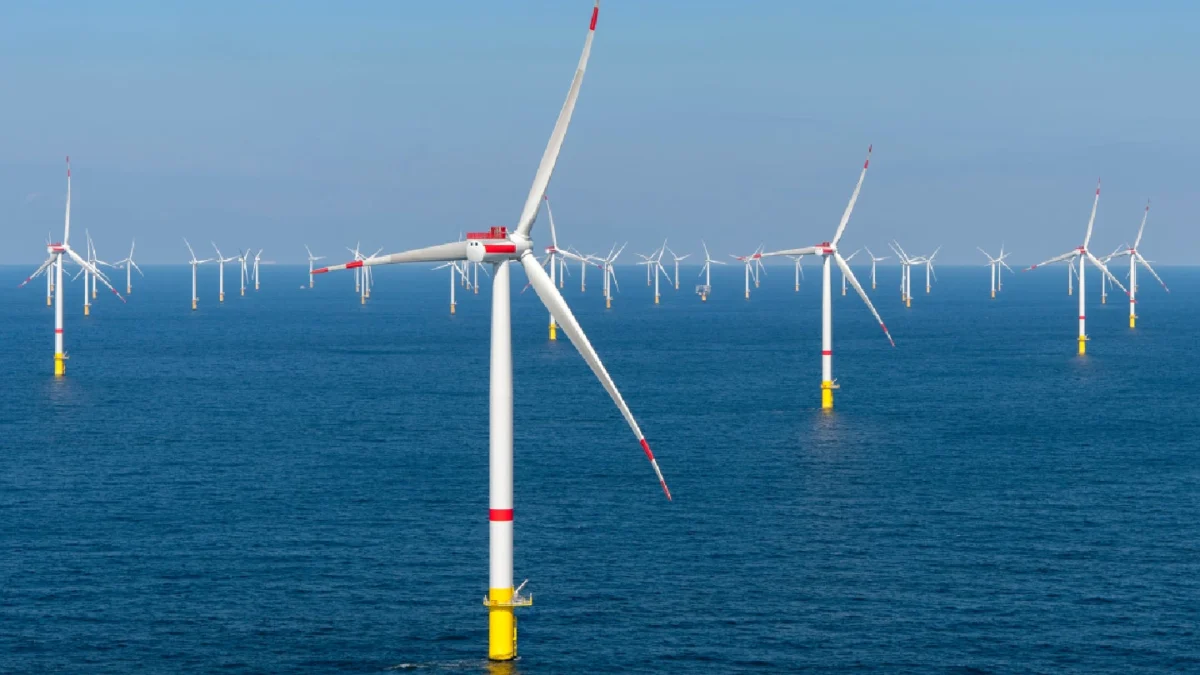
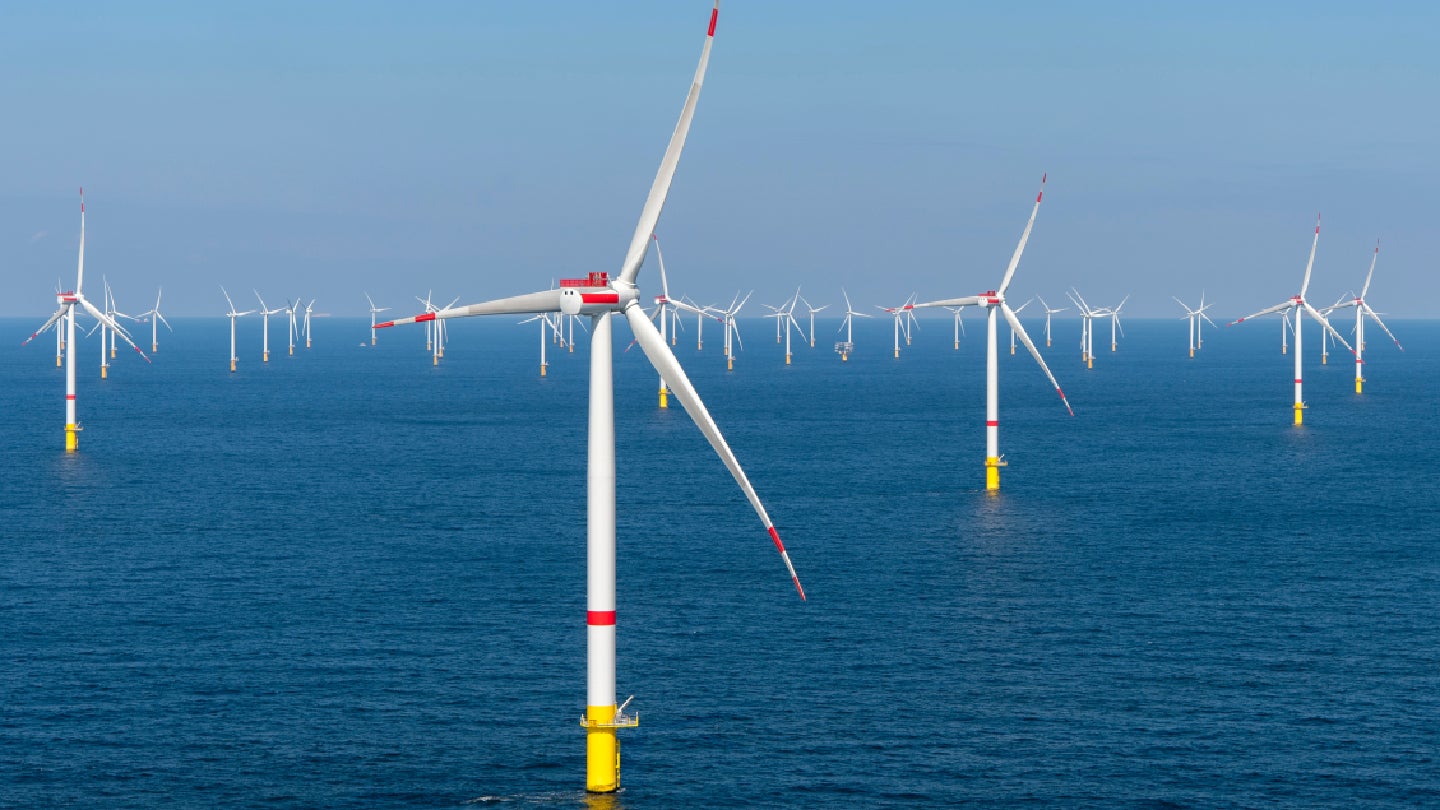
The Irish Sea remains a critical theater for the UK’s offshore wind ambitions. The Morgan and Morecambe projects are situated in strategic waters that benefit from high, consistent wind speeds.
The Morgan site itself occupies an expansive area of approximately 300km². Located 22.22km from the Isle of Man and 37.13km from the coast of North-West England, the site presents a unique engineering challenge that necessitates the long-distance subsea transmission infrastructure now approved.
It is important to note that while the infrastructure is being approved as a "joint system," the internal design accounts for electrical separation. The transmission assets for Morecambe and Morgan will function as independent electrical pathways, ensuring that operational issues at one site do not cause catastrophic failure at the other, thereby maintaining grid stability.
Strategic Shifts: The Status of the Morgan Project
While the regulatory approval for the transmission infrastructure is a success, the project landscape is currently in a state of flux regarding the Morgan site.
Following the conclusion of the examination period, developers EnBW and JERA Nex bp made the strategic decision not to proceed with the Agreement for Lease for the Morgan wind farm site. This move has introduced a period of uncertainty regarding the immediate construction of the turbines themselves.
However, the ownership of the Morgan project remains firmly with the consortium of EnBW and JERA Nex bp. These entities, in active collaboration with the Morecambe Offshore Windfarm team and the Crown Estate, are currently engaged in a comprehensive review of the project’s next steps. The granting of the transmission consent provides a "de-risked" asset profile for the site, potentially making it more attractive for future development or partnership adjustments.
Implications for the National Grid and Energy Security
The approval of this transmission system is more than just a procedural victory; it is a vital component of the UK’s broader "Net Zero" mandate. As the UK moves away from fossil fuel-based generation, the ability to connect large-scale offshore wind to the national grid is the primary bottleneck for decarbonization.
Strengthening Grid Resilience
By connecting the Irish Sea clusters to the Penwortham substation, the UK is effectively strengthening the grid in the North-West of England. This area has historically been a focal point for power distribution, and the addition of these wind farms helps balance the regional load, reducing transmission losses and enhancing overall grid efficiency.
Economic and Employment Opportunities
Infrastructure projects of this magnitude are significant engines for regional economic growth. The construction phase will require a specialized workforce, ranging from subsea cable engineers and marine contractors to onshore electrical technicians. The supply chain benefits for the North-West coast are expected to be substantial, supporting the UK’s "levelling up" agenda through high-skilled job creation.
The "Consent as an Asset" Model
The decision to grant consent for the transmission assets independently of the final status of the Morgan wind farm demonstrates a pragmatic government approach. By providing clarity on the infrastructure, the government has essentially "prepared the ground," ensuring that if and when the developers decide to move forward with the Morgan project, the primary regulatory hurdles will have already been cleared. This approach minimizes future delays and ensures that the infrastructure is ready to support the turbines the moment they are commissioned.
Conclusion: A Step Forward in the Energy Transition
The approval of the Morecambe and Morgan transmission assets serves as a testament to the UK’s commitment to offshore wind, even in the face of shifting corporate strategies. While the wind energy sector is subject to the volatility of global markets and internal developer reviews, the physical infrastructure of the nation’s energy grid must be built for the long term.
As the UK moves toward 2030 and beyond, the integration of 2GW of Irish Sea power will be a cornerstone of the national energy mix. With the legal and regulatory foundations now established, the focus shifts to the practical implementation of the transmission network—an essential endeavor that brings the UK one step closer to its goal of a secure, sustainable, and low-carbon energy future.
Whether the Morgan site is developed by the current consortium or through a new arrangement, the existence of this approved transmission pathway ensures that the Irish Sea remains a premier destination for global renewable investment, securing the UK’s status as a leader in offshore wind innovation.