By Samuli Haapasalo
August 25, 2026
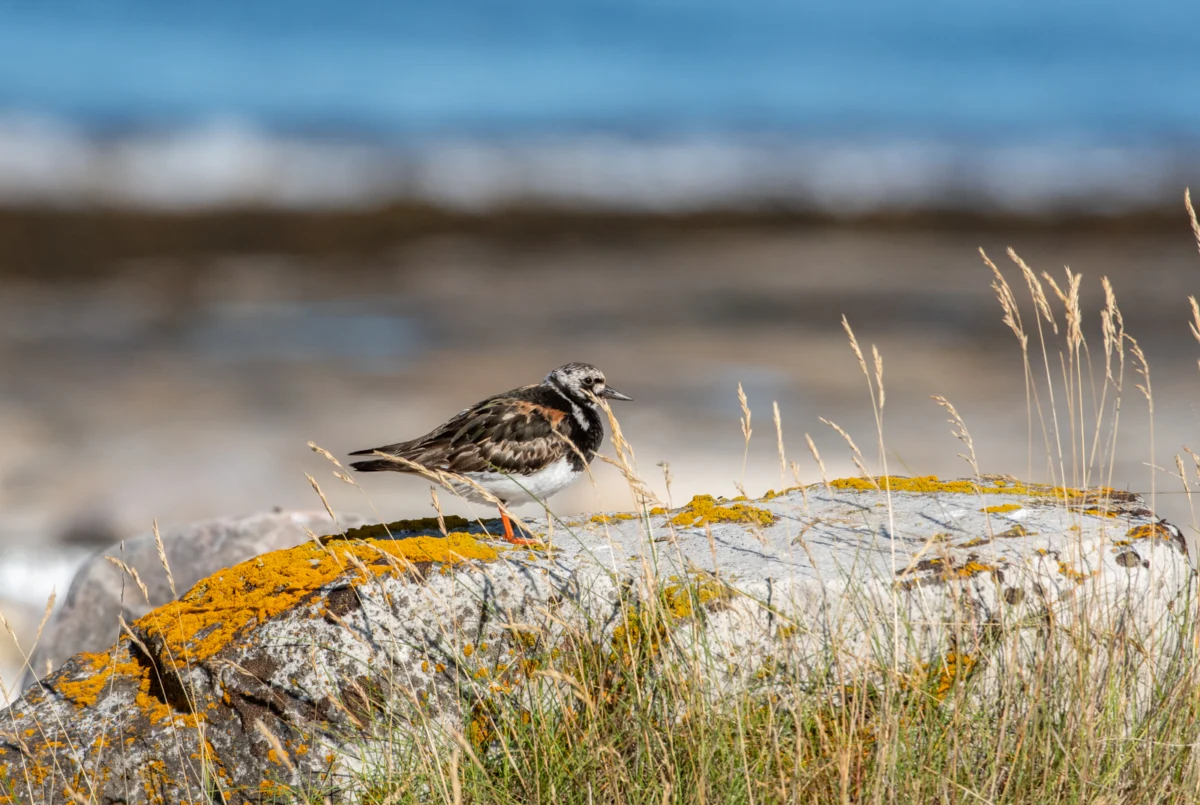
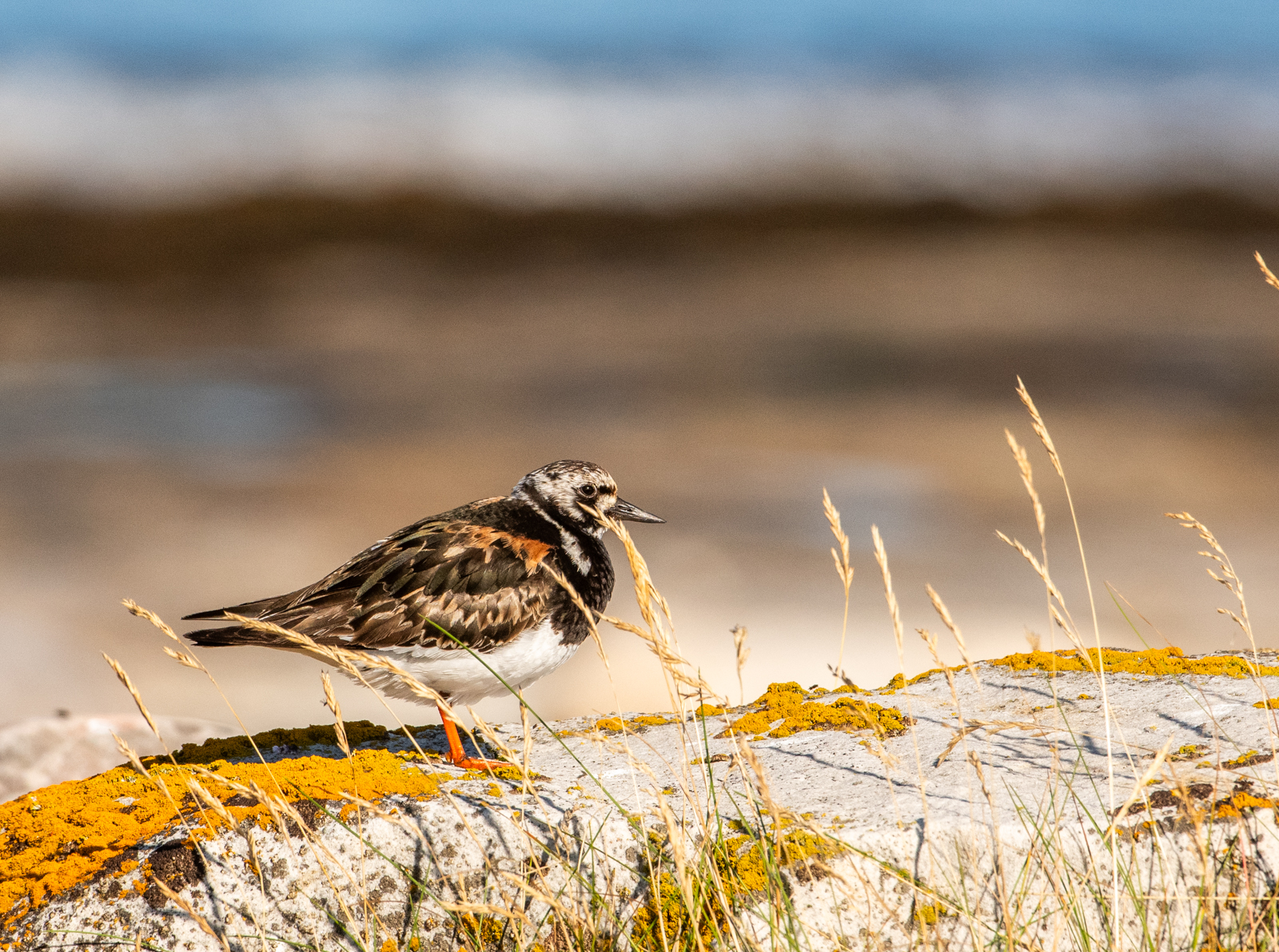
The Ruddy Turnstone (Arenaria interpres) is a bird of striking contrasts. With its vividly mottled plumage—a mosaic of chestnut, black, and white—and its sharp, piercing calls, it is a charismatic fixture of the northern coastline. Yet, beneath this vibrant exterior lies a sobering reality: the species is in precipitous decline. In Finland, the Ruddy Turnstone has been classified as critically endangered, a status that reflects broader ecological shifts across the Baltic and beyond.
The Disappearing Sentinel: Main Facts and Current Status
The Ruddy Turnstone is a master of the shoreline, known for its resourceful feeding habits and its ability to navigate the rugged environments of the northern seas. However, the species is increasingly becoming a ghost in its traditional habitats.
In Finland, the once-familiar sight of these birds in the inner archipelago has vanished. While populations persist in the Archipelago Sea and the Quark (Merenkurkku), their numbers remain dangerously low. Compared to the population density observed half a century ago, the decline in the Gulf of Finland is staggering. Even in inland regions, where a few pairs sporadically nest near large lakes, their presence is an anomaly that highlights how fragmented their breeding range has become.
The situation is equally dire in Estonia, where the Ruddy Turnstone is one of the rarest breeding birds, with no more than a few dozen pairs remaining. This decline is not merely a localized phenomenon but a symptom of cascading environmental pressures, ranging from habitat loss to the relentless predation by invasive species.
Chronology of a Crisis: From Abundance to Endangered
To understand the current state of the Ruddy Turnstone, one must look at the trajectory of the past five decades.
- 1970s–1990s: The Ruddy Turnstone was a regular, albeit specialized, breeder across the Finnish coastline, utilizing the outer skerries to raise their young.
- Early 2000s: Researchers began noting a decrease in nesting success. The rise of the American mink (Neovison vison) as an invasive species in the Baltic began to correlate sharply with the disappearance of ground-nesting shorebirds.
- 2010s: The species was formally elevated in its threat status. The impact of climate change on wintering grounds in the south began to compound the pressures faced during the breeding season in the north.
- 2026 (Present): The species is now categorized as "critically endangered" in Finland. Observations in places like the Varanger Fjord in Norway—one of the few remaining strongholds—serve as a vital reference point for what healthy populations look like.
A Glimpse of Hope at Varanger Fjord
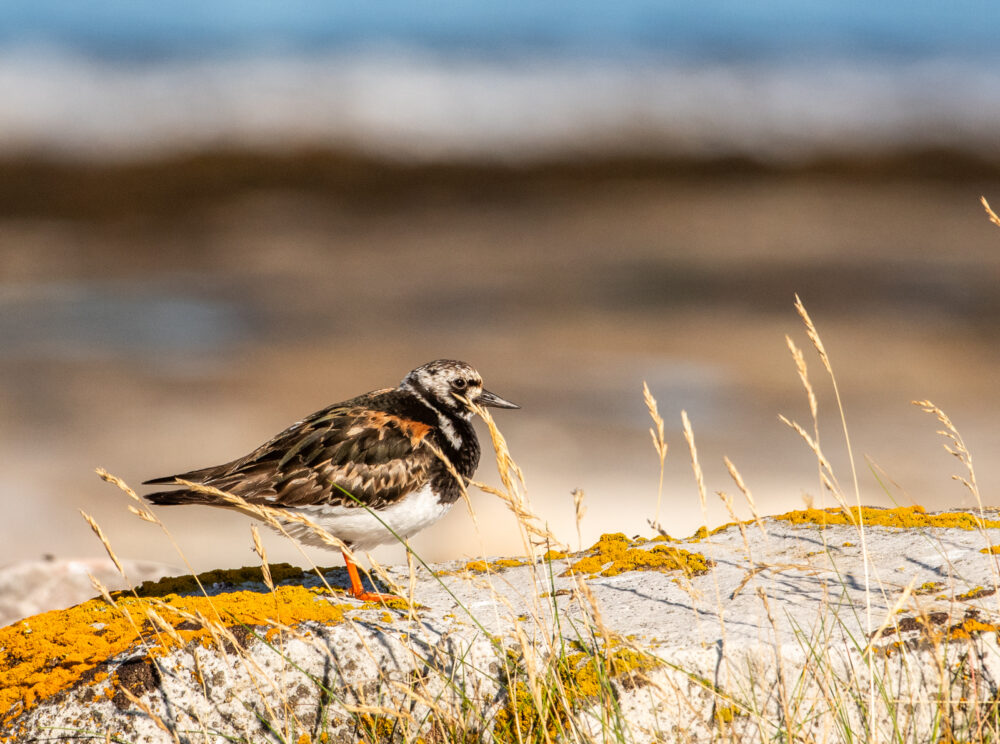
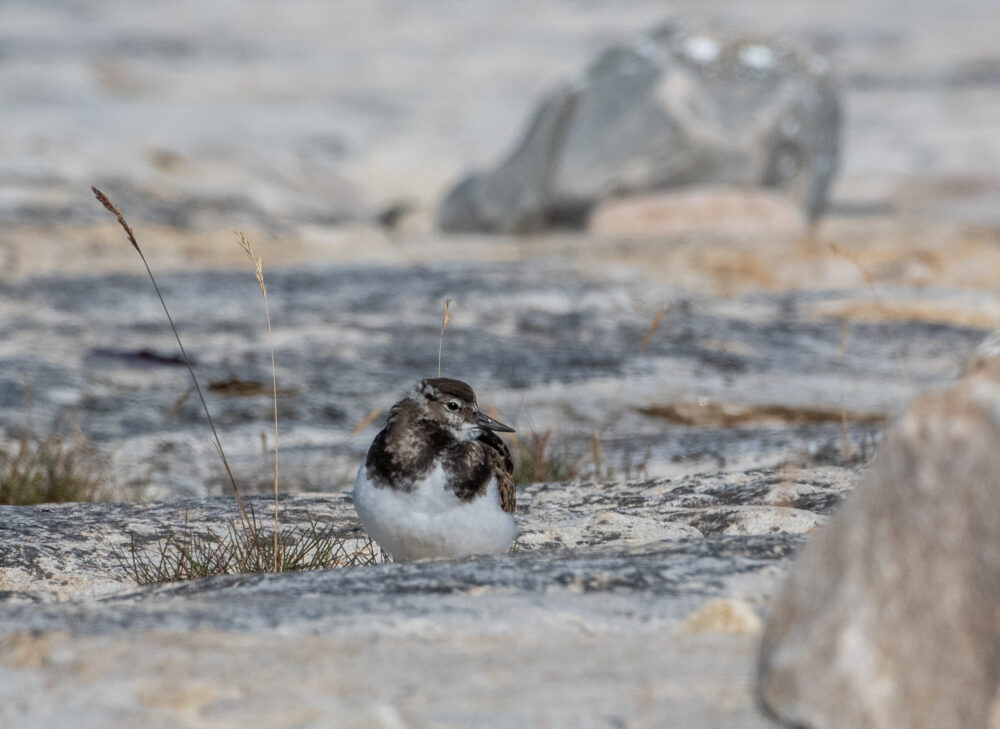
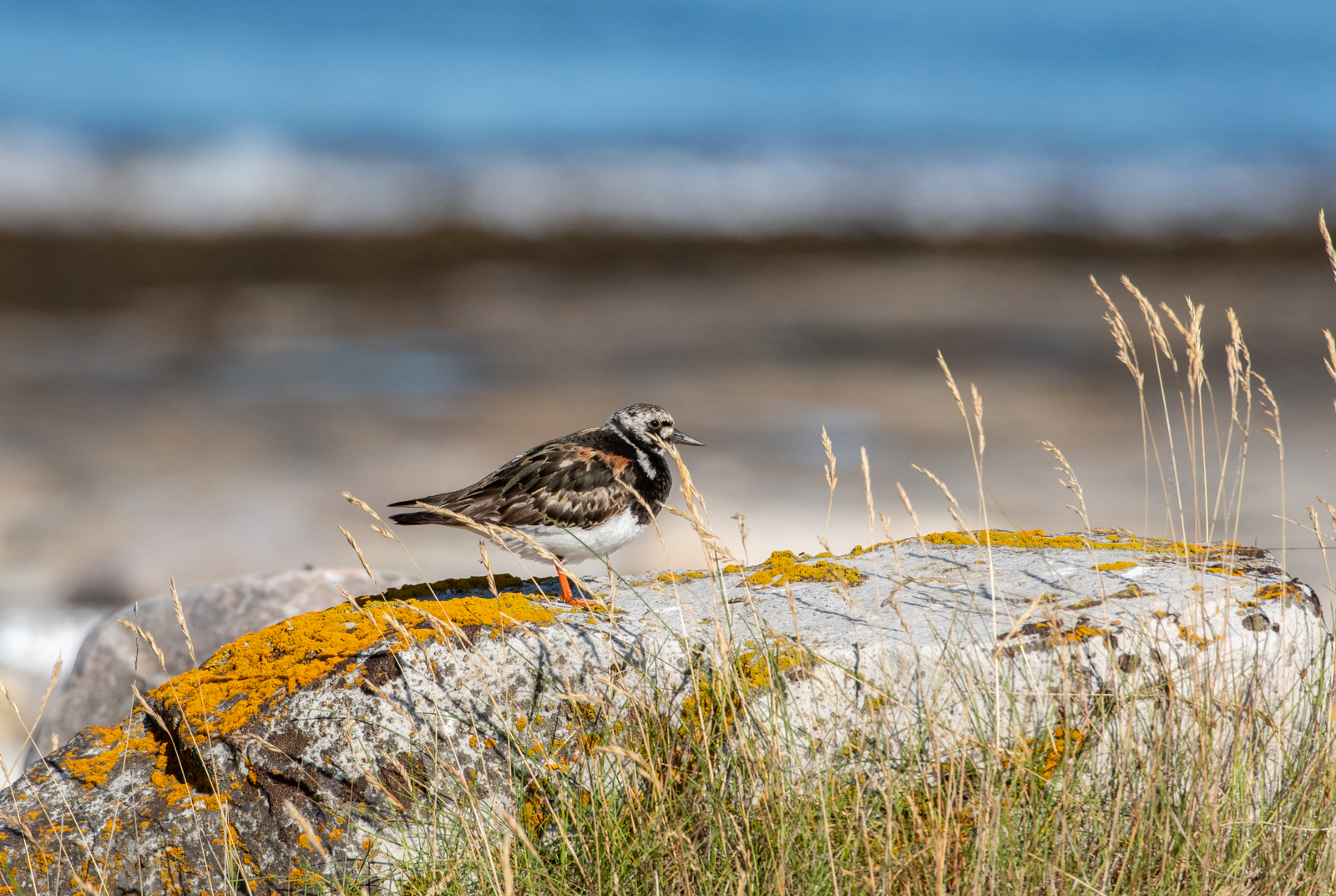
During a recent expedition to the Varanger Fjord in northern Norway, the resilience of the species was on full display. At Ekkerøy, a solitary Ruddy Turnstone sat upon a stone near a pathway, emitting its sharp, defensive call. This display was not mere posturing; behind it, on the rocky shoreline, a chick was foraging, having successfully reached near-adult size.
This encounter underscores the specific conditions required for the species to thrive: undisturbed rocky shorelines with adequate cover. However, the presence of these birds in Norway, while encouraging, does not mask the vulnerability of the species. Even in Norway, where the population is more stable, the Ruddy Turnstone is listed as a species to be monitored closely. The contrast between the silent, abandoned islands of the Finnish coast and the vibrant, albeit fragile, activity in the Varanger Fjord is a testament to the importance of habitat protection and predator control.
Supporting Data: Why They Are Failing
The survival of the Ruddy Turnstone is challenged by a "triple threat": predation, habitat disturbance, and food scarcity.
The Invasive Menace: The American Mink
The American mink is perhaps the most significant anthropogenic factor in the decline of the Ruddy Turnstone. Because the Turnstone nests on the ground—often hidden in the crevices of rocks or within patches of heath—they are highly susceptible to predation. The mink, an adept swimmer and persistent predator, can reach even the most remote outer skerries, decimating nests that have been shielded for millennia from land-based predators.
Disturbance and Human Impact
The Ruddy Turnstone is sensitive to human presence, particularly during the critical months of May, June, and July. The species is highly opportunistic, sometimes feeding on the eggs of terns or gulls when their primary food sources are scarce. This behavior highlights the delicate balance of the coastal ecosystem. When humans land on protected breeding skerries, the birds are flushed from their nests, exposing their eggs to both the elements and opportunistic predators like crows or gulls.
The data suggests that the "no-landing" policy on protected islands during the breeding season is not just a suggestion, but a biological necessity. Fishing near these sensitive nesting areas further exacerbates the stress on the birds, preventing them from successfully raising their broods.
Official Responses and Conservation Strategy
Environmental authorities in Finland, Estonia, and Norway have increasingly focused on the eradication of the American mink as a primary conservation tool. The "Mink-Free Archipelago" initiatives have gained traction, as researchers agree that without the total removal of this invasive species, the recovery of shorebirds is nearly impossible.
Conservationists argue that policy must move beyond simple monitoring. Effective management requires:
- Strict Enforcement of Landing Bans: Strengthening the policing of protected bird islands during the nesting season.
- Transboundary Predator Control: Because minks do not respect national borders, the effort to remove them must be coordinated between Finland, Estonia, and Norway to prevent re-colonization.
- Habitat Restoration: Ensuring that the coastal environment remains diverse, providing the specific micro-habitats (rocky outcrops, short vegetation) that the Turnstones require.
Implications: A Broader Ecological Warning
The decline of the Ruddy Turnstone is a canary in the coal mine for the health of the Baltic Sea and northern coastal ecosystems. As a species that sits at the intersection of land and sea, its failure to reproduce is a clear indicator that these environments are losing their ability to support traditional biodiversity.
If the Ruddy Turnstone disappears from the Finnish coast, it will not just be the loss of a beautiful, vocal bird; it will represent a systemic failure in how we manage our shared natural resources. The loss of such a species suggests that the "balance" of the archipelago is shifting toward a simpler, less resilient ecosystem—one where invasive species dominate and specialized native species are squeezed into oblivion.
The path forward is clear, though daunting. It requires a societal commitment to prioritize nature over unrestricted access and to treat the restoration of our coastal habitats with the same urgency we apply to other climate-related crises. Protecting the Ruddy Turnstone is about more than just one bird; it is about preserving the biological integrity of the northern coasts for future generations.
As we look toward the future, the sight of a Ruddy Turnstone chick hiding in the grasses of the Varanger Fjord should serve as both a reminder of what is at stake and a beacon of what is still possible if we act with resolve. The window for recovery is closing, but as long as the calls of these "turners of stones" still echo across the shoreline, there is still a reason to fight for their survival.