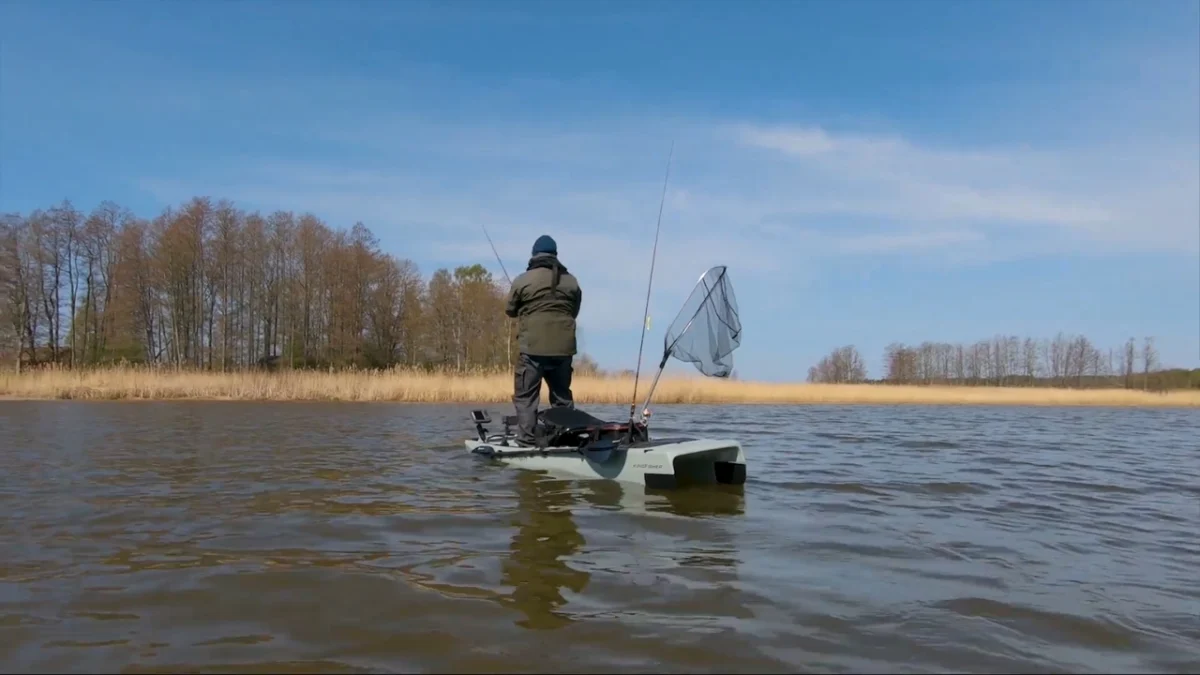
For the modern angler, a fishing kayak is no longer just a plastic shell for paddling; it is a tactical platform. While the traditional act of paddling offers a quiet, meditative connection to the water, the integration of propulsion systems has fundamentally shifted the paradigm of the sport. A motor on a fishing kayak is not merely about achieving higher speeds; it is about precision, energy management, and tactical advantage.
When the wind threatens to push you off a prime strike zone, or when the current relentlessly pulls your bow away from a structure, a motor acts as a force multiplier. By offloading the physical strain of propulsion, anglers can conserve their energy for the part of the day that actually matters: the cast, the presentation, and the fight. However, transitioning to a motorized setup is not as simple as strapping a motor to a stern. It requires a holistic understanding of vessel design, weight distribution, and the legalities of the water.

Main Facts: The Intersection of Stability and Propulsion
Not every motor-ready kayak is created equal. The market is currently flooded with platforms that claim to be "motor-friendly," but many fail to account for the secondary challenges that come with electrification—specifically, the added weight of batteries, the torque of the motor, and the balance required for standing.
The primary challenge for any prospective buyer is avoiding the "rigging trap." Many kayaks appear impressive in online promotional material, only to become functional nightmares once the user adds a motor, a heavy lithium or lead-acid battery, a tackle crate, multiple rods, an anchor, a fish finder, and a cooler. A vessel that is perfectly stable while empty can become dangerously top-heavy or sluggish when fully loaded.
Key Considerations for the Modern Angler:
- Weight Capacity: It is not enough to look at the maximum weight rating. You must calculate the real-world weight, which includes your body mass plus the gear. A safety margin of at least 20–30% below the manufacturer’s limit is recommended for optimal performance.
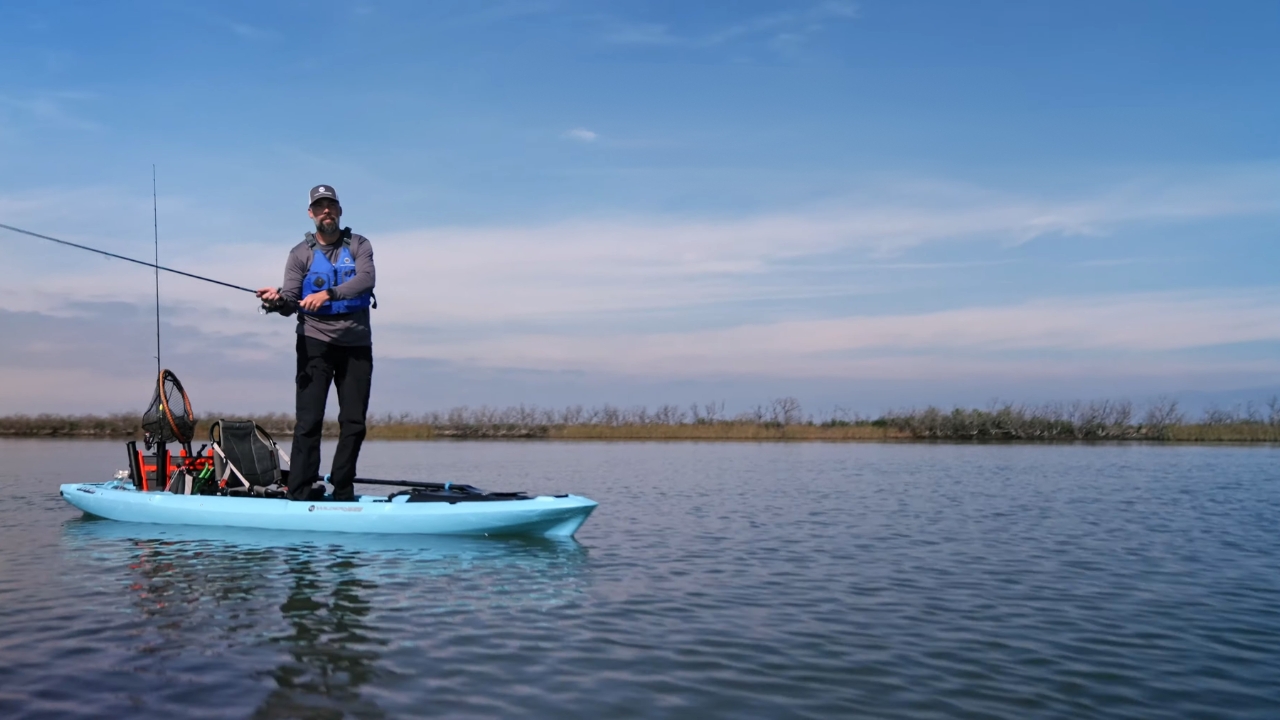
- Hull Geometry: Trimaran and W-shaped hulls offer superior stability for standing, which is crucial when fishing with a motor. However, these shapes often sacrifice glide and top-end speed.
- Battery Management: The battery is the "fuel tank" of your rig. Proper placement—ideally low and centered—is vital to maintaining the center of gravity.
Chronology: The Evolution of the Motorized Kayak
The evolution of the motorized kayak can be traced through three distinct phases of innovation:
- The DIY Era (Pre-2010s): Early adopters utilized makeshift mounts, duct tape, and modified trolling motors salvaged from small boats. These setups were often unreliable and lacked the structural integrity required for long-term use.
- The Pedal-Drive Transition (2010–2018): Manufacturers began introducing integrated pedal systems. While not motorized, these drives taught designers how to create "well-integrated" hulls that could support mechanical components, laying the groundwork for the current era.
- The Motorized Integration Era (2019–Present): Today, we see kayaks designed from the hull up for motors. This includes dedicated "Flex Pods" for transducers, reinforced transom areas, and internal wire-routing channels that keep the deck clean and functional.
Top Contenders in the Motorized Segment
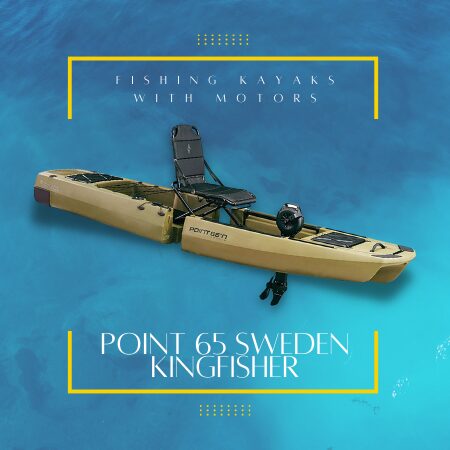
1. The Modular Innovator: Point 65 Sweden Kingfisher
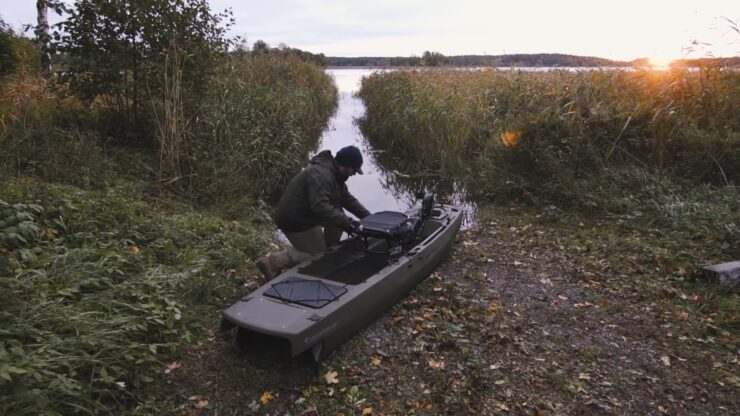
The Kingfisher stands out for its unique modular construction. For anglers living in urban environments or those without a dedicated truck for transport, the ability to break the vessel into manageable sections is a game-changer.
- Performance: Its trimaran hull provides excellent primary stability.
- Best Use Case: Anglers who prioritize logistics and storage efficiency without wanting to sacrifice the benefits of a serious fishing platform.
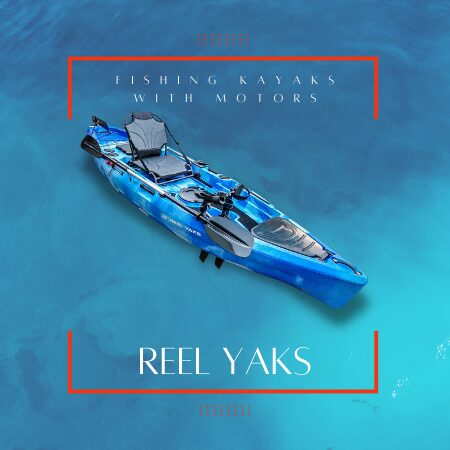
2. The Compact Specialist: Reel Yaks
Reel Yaks focuses on the intersection of compactness and hands-free control. By emphasizing a modular, W-shaped hull, they cater to anglers who fish small lakes, ponds, and shallow weed lines where maneuverability is paramount.
- Performance: Exceptional stability for a shorter boat, though it lacks the long-distance glide of longer touring-style kayaks.
- Best Use Case: Anglers targeting structure-heavy, smaller bodies of water who need to maintain a "hands-free" state to stay on target.
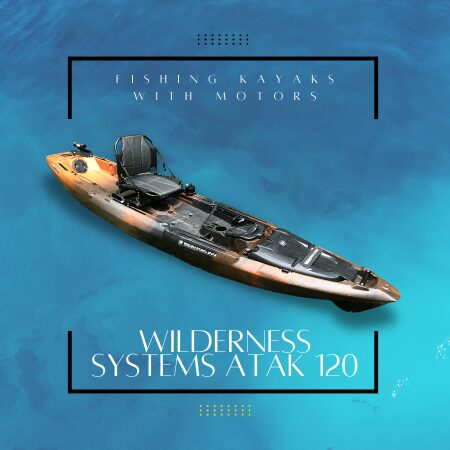
3. The Tactical Heavyweight: Wilderness Systems ATAK 120
The ATAK (Advanced Tactical Angling Kayak) 120 is arguably the most complete platform on this list. It is built for the angler who refuses to compromise on gear.
- Performance: At 12 feet 3 inches and 86 pounds, it is a stable, wide, and highly customizable rig. It is specifically designed to accommodate complex electronics and heavy motor configurations.
- Best Use Case: Serious tournament anglers or those who spend full days on the water and require maximum storage and accessory compatibility.
Supporting Data: Understanding the Physics and Logistics
When evaluating these platforms, the data reveals a clear trade-off between utility and portability.
| Feature | Point 65 Kingfisher | Reel Yaks | Wilderness Systems ATAK 120 |
|---|---|---|---|
| Primary Strength | Modular Transport | Compact Stability | Rigging Capacity |
| Hull Design | Trimaran | W-Shaped | Open Tactical Deck |
| Max Capacity | ~287 lbs | Variable | ~400 lbs |
| Ideal Environment | Mixed / Versatile | Small Lakes / Ponds | Large Water / Offshore |
The data confirms that as you increase the weight capacity and rigging potential, you invariably increase the transport difficulty. An 86-pound kayak (ATAK 120) requires a robust, specialized cart system to move from a vehicle to the water, whereas a modular unit like the Kingfisher can be transported in the back of a standard sedan.
Official Responses and Industry Standards
Industry experts emphasize that the "motor-ready" label is not a certification of performance, but a declaration of compatibility. Manufacturers are increasingly moving toward standardized mounting plates to accommodate popular aftermarket trolling motor brands (such as Minn Kota or Newport Vessels).
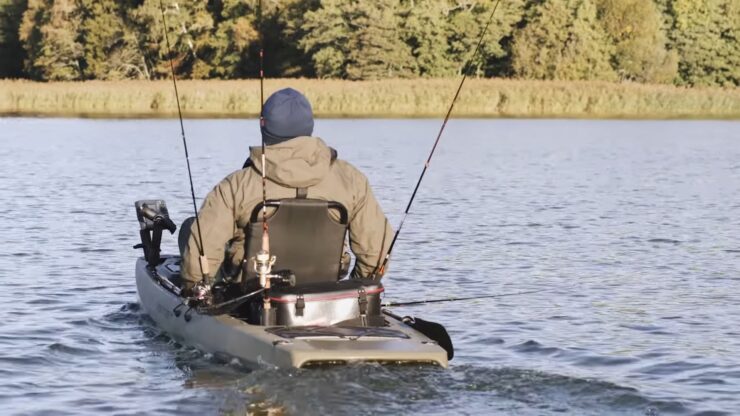
According to recent industry safety guidelines, the primary risk for motorized kayak users is not the motor itself, but the lack of secondary stability during high-speed turns or when catching large fish. The "official" recommendation from seasoned professional anglers is to always conduct a "dry run" in shallow, calm water. This involves testing the battery’s center of gravity and ensuring the motor’s steering cables do not snag on rod holders or tackle crates during a full-range turn.
Implications for the Future of Kayak Fishing
The shift toward motorized kayaks carries significant legal and environmental implications. In many jurisdictions, the addition of a motor—even a small electric one—reclassifies the kayak as a "motorized vessel." This often triggers requirements for:
- Registration: You may need to display hull identification numbers (HIN) and pay annual registration fees.
- Safety Equipment: Mandatory life vests (PFDs) are always required, but motorized users are often expected to carry visual distress signals or sound-producing devices.
- Navigation Rules: Motorized kayaks are expected to follow the same right-of-way rules as larger powerboats, which can be daunting for someone sitting only a few inches above the water line.
Furthermore, the environmental impact of lithium-ion batteries has led to a focus on better, more rugged battery enclosures. We are seeing a move toward "drop-in" power stations that are waterproof and shock-resistant, reducing the risk of chemical leaks in the event of a capsize.
Conclusion: The Path Forward
The "best" fishing kayak with a motor is not necessarily the most expensive one; it is the one that aligns with your specific lifestyle. If your fishing days involve navigating complex logistics, the modularity of the Point 65 Kingfisher is unbeatable. If your goal is to dominate large, open water with a full suite of fish-finding electronics, the stability and capacity of the Wilderness Systems ATAK 120 remain the industry gold standard.

Ultimately, the motor should be viewed as a tool to facilitate the sport, not a replacement for the fundamental skills of kayak handling. Before you make your purchase, ask yourself: Can I launch this alone? Is my gear balanced? Have I checked the local regulations?
A motorized kayak, when properly configured, transforms the water into a playground of unlimited potential. It allows the angler to push further, fish longer, and focus on the thrill of the catch rather than the fatigue of the journey. But remember, once you attach that motor, you aren’t just a paddler anymore—you are a captain. Ensure your vessel is rigged with that level of responsibility in mind.