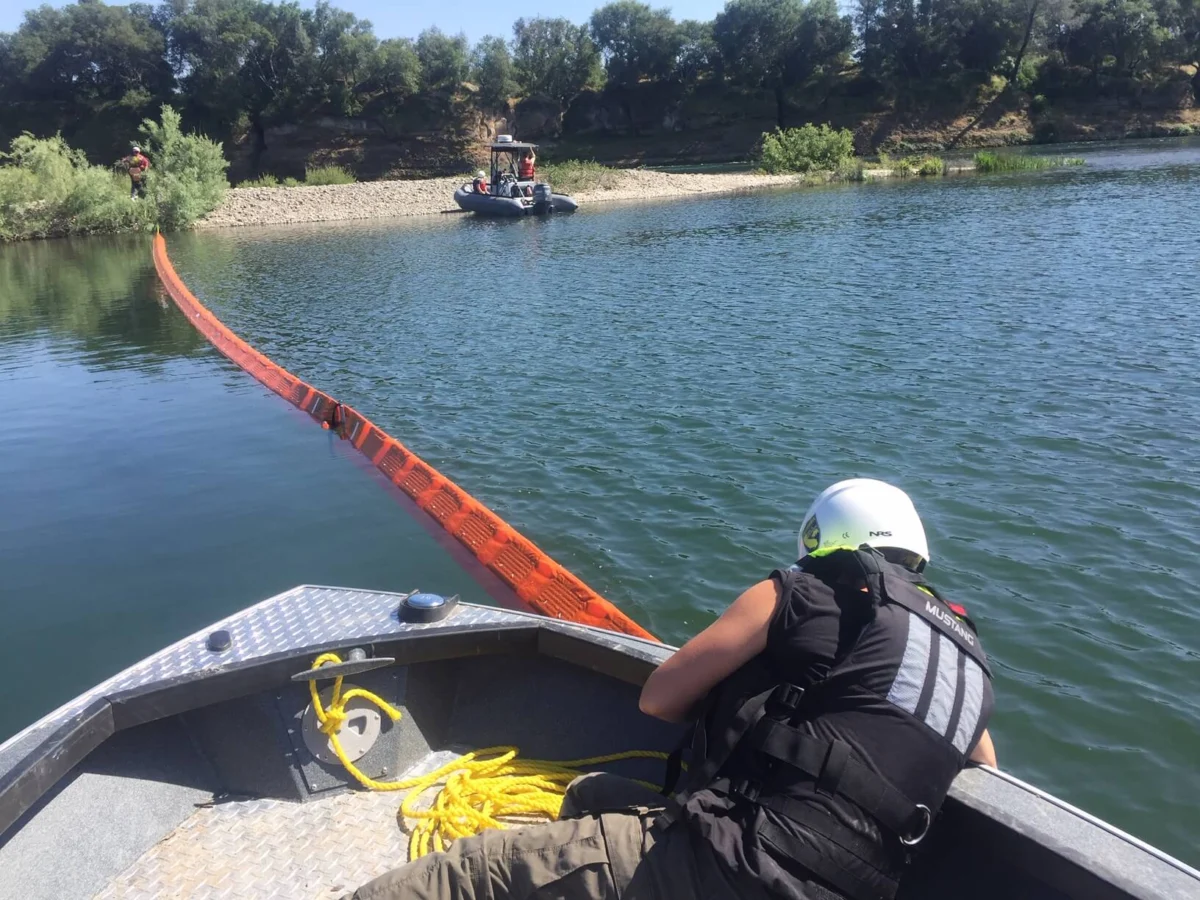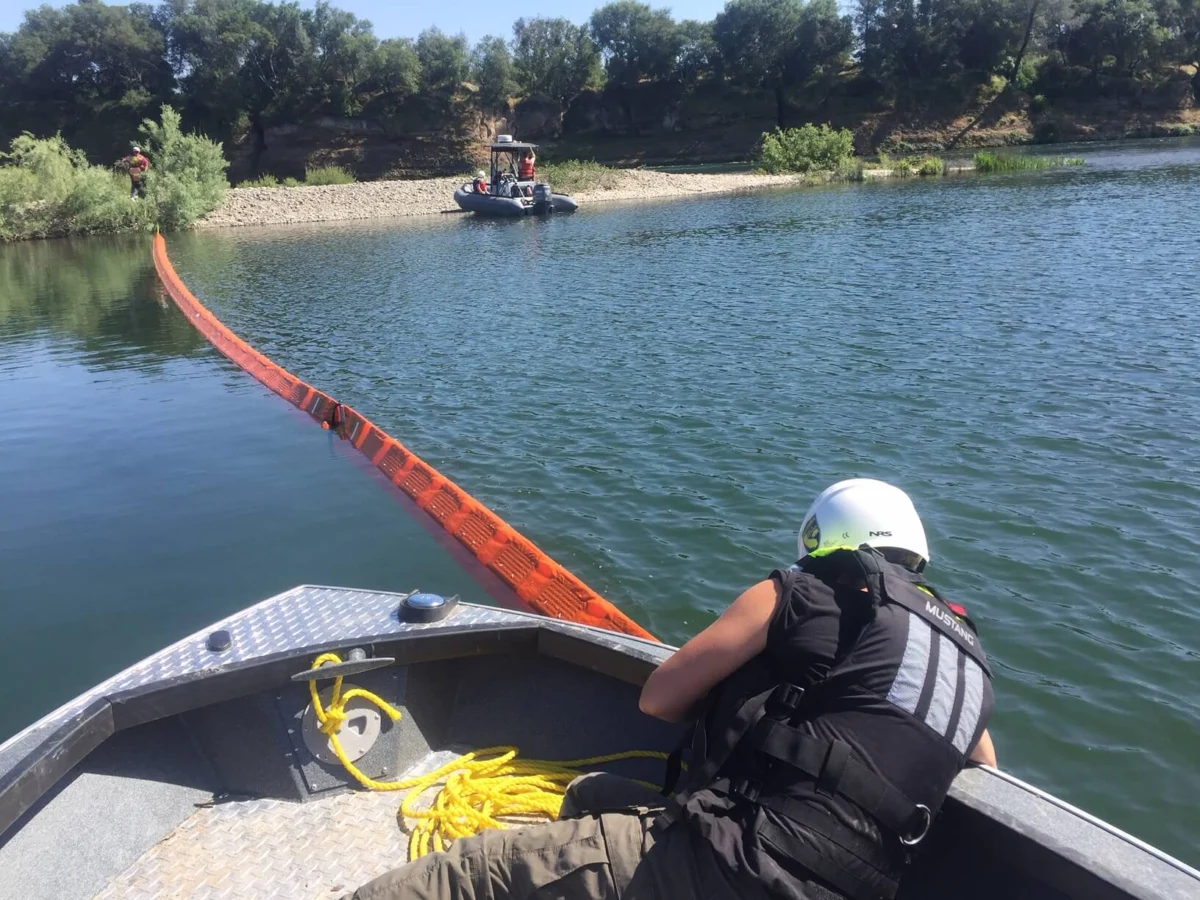
In the high-stakes world of emergency environmental management, time is the most valuable commodity. For the team at Whitewater Rescue Institute (WRI), the challenge of containing inland spills—particularly those occurring in turbulent, fast-moving rivers—has long been hampered by the logistical realities of traditional heavy-duty containment booms. However, a recent field trial on Montana’s Clark Fork River suggests a paradigm shift in how responders approach rapid-deployment containment. By testing cutting-edge, lightweight technology from Harbo Technologies, WRI is exploring ways to minimize response times, reduce physical strain on personnel, and increase the overall efficacy of spill mitigation.
Main Facts: The Evolution of Containment
Spill response is fundamentally a battle against physics. When oil or hazardous materials enter a waterway, they move with the current, spreading rapidly and threatening sensitive ecosystems, public water supplies, and recreational infrastructure. Traditionally, responders have relied on massive, heavy containment booms—strips of material designed to float on the surface and act as a barrier.
The logistical burden of these traditional tools is immense. A standard 50-to-100-foot section of containment boom is heavy, bulky, and difficult to maneuver across uneven, slippery, or steep riverbanks. Often, deployment requires a significant crew to haul equipment from response trailers to the water’s edge, a process that is as strenuous as it is time-consuming.
The core objective of WRI’s recent research initiative is to identify technologies that maintain the structural integrity required for fastwater environments while significantly reducing the "time-to-containment." The recent evaluation of the Harbo system—a compact, inflatable boom—highlights a potential breakthrough in how facilities like refineries, rail yards, and ports prepare for environmental emergencies.
Chronology: Field Testing on the Clark Fork
The transition from theoretical research to practical application took place over the course of a rigorous week-long training exercise on the Clark Fork River. The WRI team structured these drills to mimic the high-pressure conditions of an actual spill incident.
Phase 1: Conventional High-Flow Collection
The initial phase of the drill focused on traditional boom vane collection in high-velocity currents. This phase served as a baseline, reminding the team of the logistical challenges inherent in conventional gear: the heavy lifting, the tactical difficulty of positioning equipment in fast water, and the necessary coordination required to manage large-scale boom sections.
Phase 2: The Harbo Integration
On the second day, the focus shifted to the deployment of Harbo Technologies’ proprietary boom system. Skepticism was high among the veteran responders. Given the lightweight appearance of the Harbo containers, the team initially doubted that the system could withstand the hydraulic forces exerted by the Clark Fork’s fast-moving currents. The presence of Harbo representatives ensured that the technical specifications of the product—specifically its unique inflation mechanism—were fully understood by the responders before the gear entered the water.
Phase 3: Performance and Debrief
The final phase involved multiple deployment scenarios, including shoreline protection, high-line anchoring, and collection strategies. The results were documented through video analysis and direct feedback from WRI staff, all of whom have extensive experience in both training and real-world spill response. The conclusion of the exercise marked a notable shift in the team’s perspective, as the product outperformed expectations in both stability and ease of deployment.
Technical Analysis: How the Technology Functions
The Harbo system departs from traditional rubberized or PVC heavy-duty curtains by utilizing a compact, dry-box storage method. Each 20-by-36-inch container holds roughly 80 feet of boom, allowing a single responder to transport and deploy lengths of 82 to 164 feet with minimal effort.
The Inflation Mechanism
Perhaps the most innovative aspect of the design is its passive inflation. Upon immersion, the boom’s interior, which is lined with a series of specialized sponges, absorbs water. This process causes the structure to expand rapidly into a square profile, creating a float and a vertical curtain. This "just-in-time" inflation allows for the compact storage that makes the system so portable.
Structural Integrity in Flow
Despite its lightweight nature, the boom features nylon webbing running its entire length, providing the tensile strength necessary for towing. Furthermore, the design allows water to flow through the hollow structure, which ironically serves to stabilize the boom, adding ballast that prevents the "entrainment" (the leaking of oil underneath the boom) that often plagues lighter, poorly designed containment systems.
Supporting Data and Observations
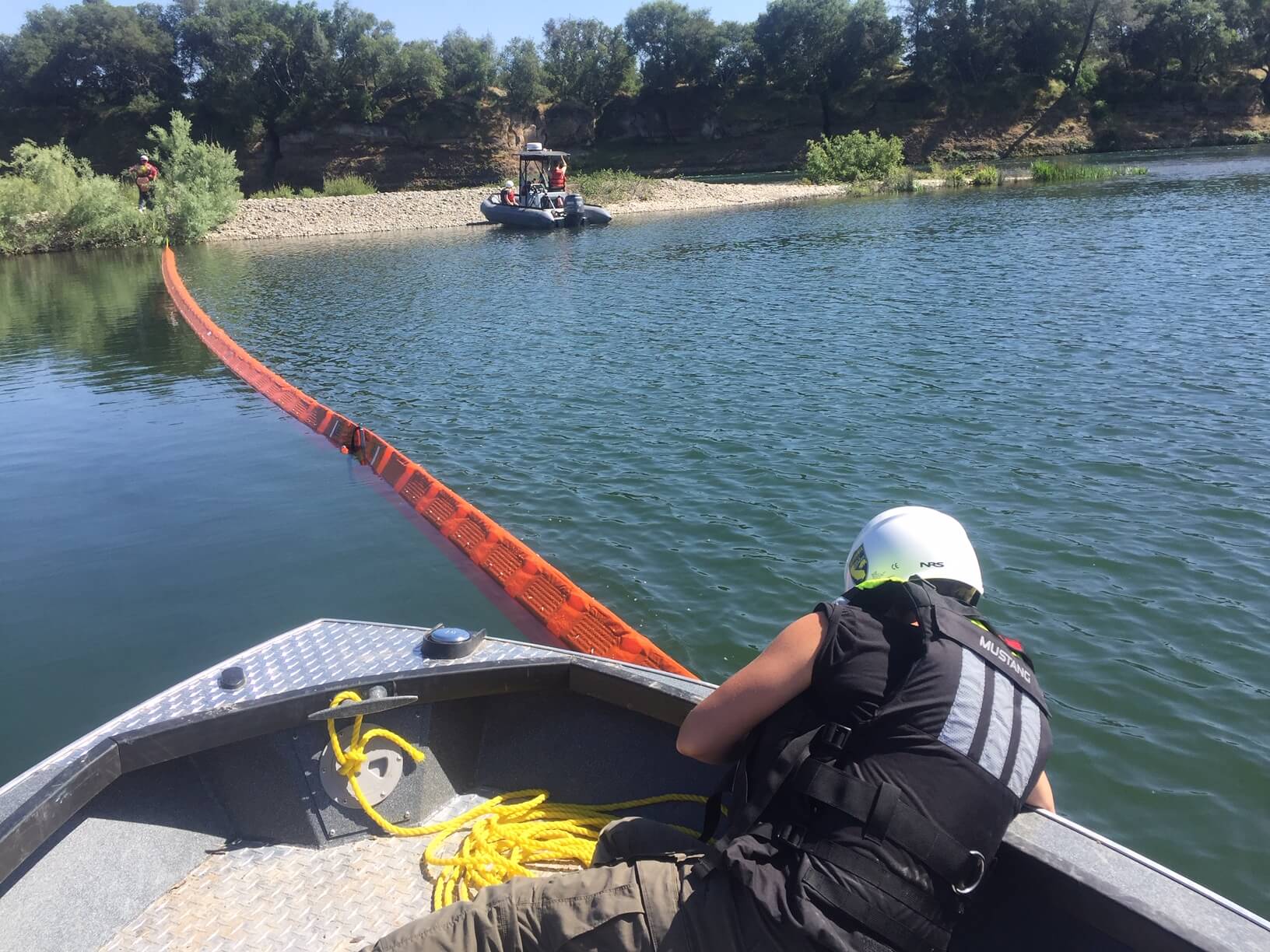
The WRI staff reported that, to their surprise, the Harbo boom performed on par with the standard 12-inch containment boom typically used in their professional operations.
- Deployment Speed: A single individual could deploy over 160 feet of boom in the time it would typically take a team of three or more to stage a similar length of conventional boom.
- Versatility: The boom proved effective in three distinct configurations: shoreline protection, collection via Highline, and integration with a Boom Vane.
- Connectors: The system utilizes universal connectors with a single-pin design, eliminating the frustration of complex, multi-bolt connection systems often found on older equipment.
Challenges and Future Considerations
While the performance was lauded, the WRI report highlights several areas where the technology is still maturing.
The Single-Use Limitation
Currently, the Harbo boom is classified as a single-use product. Once the internal sponges have been activated and subsequently dried, they do not provide the same level of structural support, rendering the unit unsuitable for repeated, long-term use. This poses a budgetary challenge for training environments, where cost-per-use is a critical factor in equipment selection.
Shelf Life and Sustainability
The product currently carries a five-year shelf life. For municipalities or private companies with strict maintenance cycles, this is a manageable timeline, but it requires diligent inventory management to ensure that units are replaced before the structural integrity of the inflation system degrades.
Future Development
Harbo Technologies has acknowledged these limitations and is reportedly in the process of developing a "training version" of the boom. This iteration would likely utilize reusable internal components, allowing for more frequent drills without the cost associated with consuming the primary deployment units.
Implications for the Spill Response Industry
The implications of this technology for the broader spill response community are significant.
Enhanced Readiness for High-Risk Facilities
For industries like rail transport, where a derailment can occur in remote, hard-to-access locations, the portability of the Harbo system is a game-changer. Rather than waiting for heavy trailers to navigate difficult terrain, a single responder can arrive at a site and immediately initiate containment. This "first-responder" capability is vital for mitigating damage in the critical first hour of an incident.
Reduced Personnel Requirements
Many spill response organizations face staffing challenges, particularly in rural or isolated areas. The ability to deploy effective containment with fewer people allows for a more flexible response strategy. Smaller teams can now cover larger areas or initiate containment at multiple points along a river simultaneously.
The Shift Toward Modular Response
The success of these trials suggests a broader industry shift toward modular, lightweight, and high-efficiency tools. While heavy-duty, permanent booms will always have a place in large-scale, long-term cleanup operations, the inclusion of portable, rapid-deployment technology provides a necessary layer of agility that has been missing from the responder’s toolkit.
Conclusion
The WRI’s evaluation of the Harbo boom represents a proactive approach to modernizing inland spill response. By embracing technologies that challenge the "bigger is better" mindset, responders are finding ways to be safer, faster, and more effective. While the technology is not yet a complete replacement for all legacy equipment—particularly given the current single-use nature of the product—its potential to revolutionize initial containment strategies is clear. As Harbo continues to refine its offerings, particularly in the realm of reusable training equipment, it is highly likely that this technology will become a standard component in the emergency response caches of inland facilities across the globe.