Executive Summary: A Milestone for Polish Grid Stability
In a significant move that underscores the rapid maturation of the Central European energy storage market, Greenvolt Power—a subsidiary of the Greenvolt Group—has announced the divestment of two landmark battery energy storage system (BESS) projects in north-eastern Poland. The projects, known as Łuk and Turośń Kościelna, represent a combined capacity of 400MW/1.6GWh. The assets have been acquired by A&R Investments, a Malta-based investment vehicle, marking a major consolidation in the Polish utility-scale storage sector.
The transaction, expected to close by the end of 2026, serves as a cornerstone of Greenvolt Power’s broader "asset-rotation" business model. By successfully developing, constructing, and commissioning these high-capacity facilities, Greenvolt is proving the viability of large-scale storage as an investable asset class, while simultaneously unlocking capital to fuel its massive 4.6GW global development pipeline.
The Assets: Technical Specifications and Operational Context
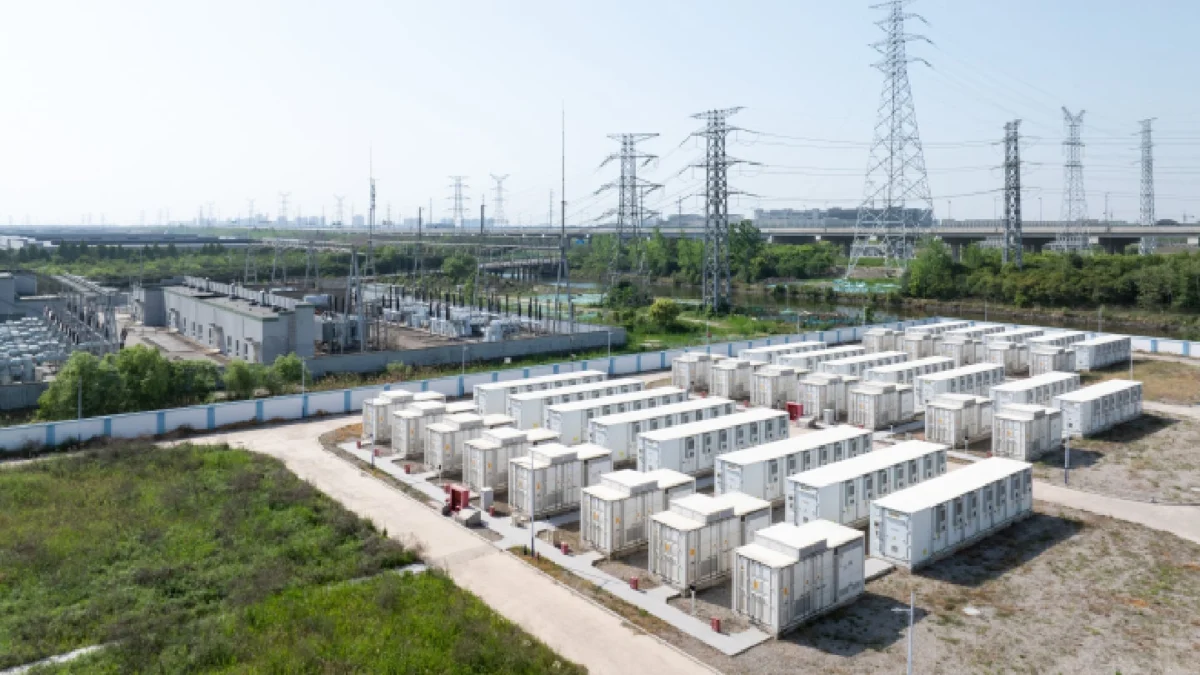
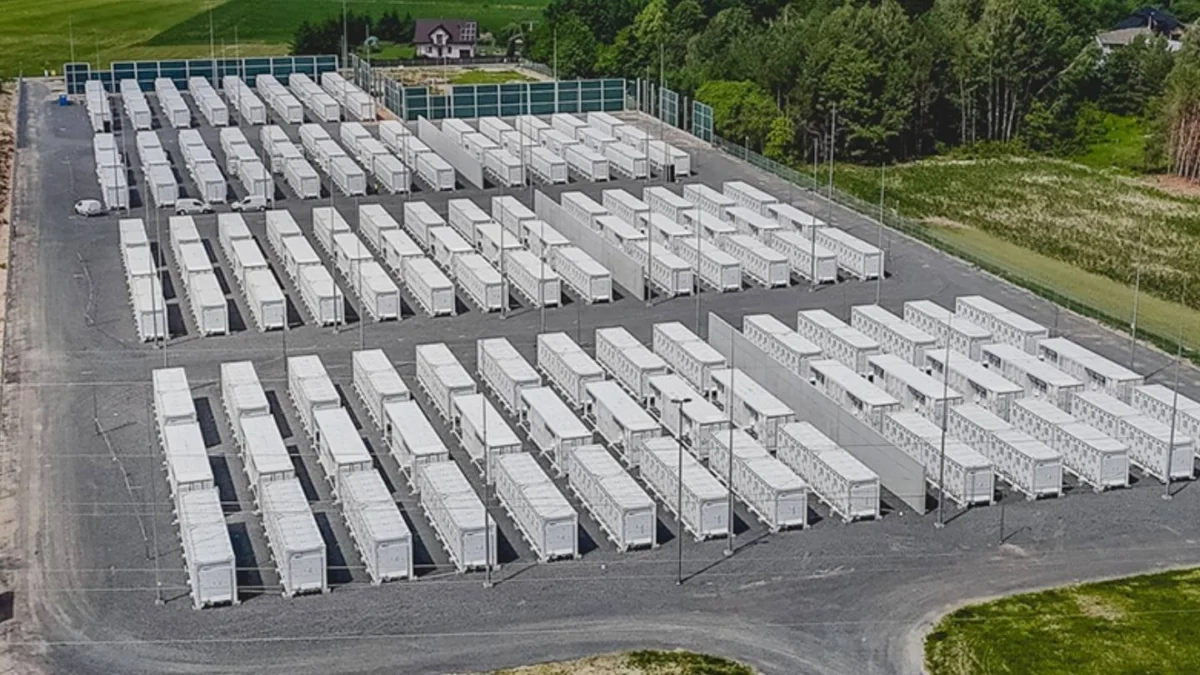
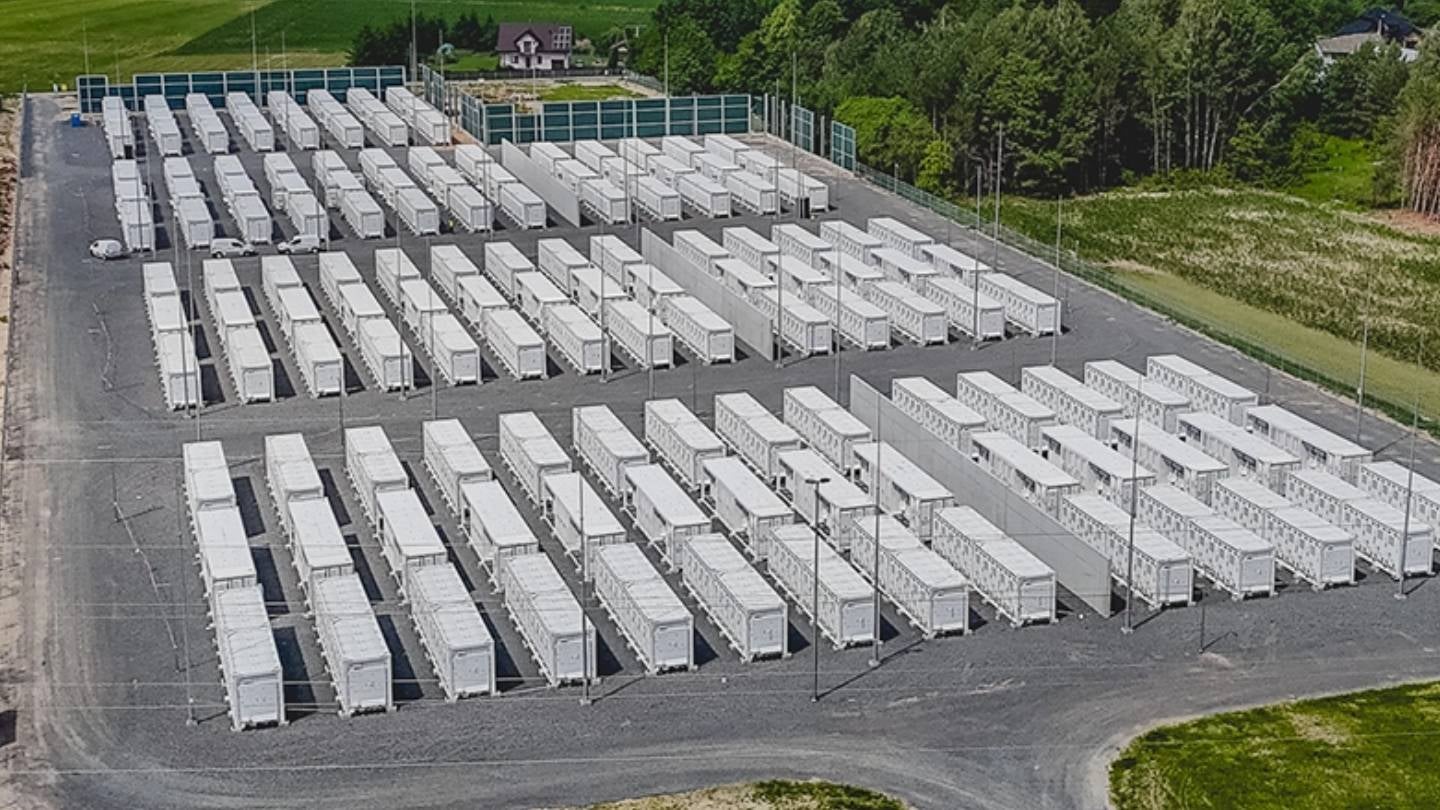
The Łuk and Turośń Kościelna facilities are among the most advanced BESS installations in the region. Each project boasts 200MW of power capacity and 800MWh of energy storage capacity, providing a total of 1.6GWh of flexible power. This design allows for a four-hour discharge duration, a critical metric for grid operators tasked with balancing the intermittency of Poland’s growing wind and solar portfolios.
Key Operational Frameworks:
- Capacity Market Contracts: Both facilities have secured 17-year contracts within the Polish capacity market, commencing in 2028. Under these agreements, the projects will receive fixed, reliable payments for making 85% of their rated capacity available to the national grid during periods of peak stress.
- Tolling Agreements: Beyond the capacity market, the assets are backed by ten-year tolling agreements. These contracts are essential for optimizing daily operations, allowing the projects to engage in arbitrage—charging during periods of excess generation and low prices, and discharging during peak demand periods.
- Regulatory Standing: Having been completed in the third quarter of 2026, both sites have successfully cleared all necessary regulatory hurdles, environmental impact assessments, and grid-connection permitting processes, making them "turnkey" assets for the new owner.
Chronology of Development: From Concept to Commissioning
The journey of the Łuk and Turośń Kościelna projects mirrors the accelerated growth of the Polish green energy sector.
Early 2024 – Mid 2025: Greenvolt Power identifies strategic locations in north-eastern Poland, targeting areas with existing grid infrastructure capable of handling large-scale energy injection. Development teams secure land rights and initiate the permitting process.
August 2026: In a pivotal financial development, Greenvolt secures €218 million in debt financing from UniCredit. This capital injection was instrumental in finalizing the construction phase, providing the liquidity required to complete the procurement and installation of the high-density lithium-ion battery modules.
Q3 2026: Both the Łuk and Turośń Kościelna BESS facilities achieve "Commercial Operation Date" (COD) status. This period marks the finalization of the build-out, with rigorous testing conducted to ensure that the systems meet the requirements of the Polish Transmission System Operator (TSO).
Late 2026: Greenvolt Power signs the definitive purchase agreement with A&R Investments, signaling the transition of the projects from the developer’s balance sheet to an investment-grade portfolio.
Financial and Strategic Implications
The divestment is not merely an isolated sale; it is the physical manifestation of Greenvolt Power’s asset-rotation strategy. The company aims to monetize 70% to 80% of its self-developed projects, a move that allows it to recycle capital rapidly. By divesting completed assets to long-term infrastructure investors like A&R Investments, Greenvolt keeps its development team lean and focused on high-value "greenfield" projects, rather than long-term asset management.
The Role of A&R Investments
For the buyer, A&R Investments, the acquisition represents a strategic entry into the Central European energy transition. Christian Buhagiar, Director at A&R Investments, emphasized the necessity of the assets: “These projects represent an important addition to our portfolio and an opportunity to invest in large-scale battery storage assets in Poland. Their scale and role in providing flexibility to the electricity system make them valuable assets in a market where storage is becoming increasingly important.”
For institutional investors, the appeal lies in the long-term, stable cash flows provided by the 17-year capacity market contracts, which de-risk the investment against the inherent volatility of merchant power markets.
The Polish Energy Landscape: A Market in Flux
Poland has historically been reliant on coal-fired power generation. However, the nation is undergoing an aggressive energy transition, driven by European Union mandates and a local need to reduce electricity prices. The rapid deployment of solar PV and wind farms has created a "duck curve" phenomenon, where midday generation exceeds demand, while evening hours face supply deficits.
The 1.6GWh of storage provided by the Łuk and Turośń Kościelna projects is a vital buffer. By shifting excess renewable energy into the evening hours, these projects directly contribute to:
- Grid Stability: Reducing the risk of blackouts during peak hours.
- Renewable Integration: Minimizing "curtailment," the practice of shutting down wind or solar farms when the grid cannot absorb their output.
- Market Efficiency: Driving down the wholesale price of electricity by reducing the reliance on expensive, gas-peaking power plants.
Official Responses and Corporate Vision
The leadership at Greenvolt Power views the sale as a validation of their business model. Weronika Nowak, CEO of Greenvolt Power, stated: “Łuk and Turośń Kościelna demonstrate Greenvolt Power’s ability to take complex, large-scale battery storage projects from development to completion. Poland is a strategic market for us and a key driver of our growth in Central Europe, where we will continue to deliver projects that meet the evolving needs of the energy system.”
The company’s ability to secure financing from major European banks like UniCredit even in a high-interest-rate environment suggests that the market views Polish BESS assets as low-risk, high-reward opportunities.
Looking Forward: The Future of Greenvolt’s 4.6GW Pipeline
With the successful divestment of these two flagship projects, Greenvolt Power turns its attention to its massive global pipeline. The company currently oversees a portfolio of approximately 4.6GW of BESS projects across its various operating markets.
The success of the Łuk and Turośń Kościelna deal serves as a blueprint for future developments. As the cost of battery technology continues to fall and the sophistication of energy trading software increases, Greenvolt is positioning itself to be a dominant player in the storage-as-a-service (SaaS) economy.
Key Challenges and Opportunities
While the outlook is positive, the sector faces ongoing challenges:
- Supply Chain Resilience: Ensuring a steady supply of battery minerals and cells amidst global geopolitical tensions.
- Grid Interconnection: As more projects come online, the bottleneck for grid capacity is shifting from permitting to physical infrastructure upgrades.
- Regulatory Evolution: The potential for changes in the Polish capacity market rules requires developers to stay agile and responsive to government energy policies.
Despite these hurdles, the sale to A&R Investments proves that there is significant appetite among global investors for high-quality, fully-permitted, and revenue-secured energy storage assets. As Poland continues to decarbonize, the role of players like Greenvolt Power will be indispensable in ensuring the lights stay on while the nation transitions to a clean energy future.
Conclusion
The divestment of the 400MW Łuk and Turośń Kościelna projects is a landmark event for the Polish energy sector. It validates the efficacy of the capacity market as an investment catalyst, highlights the success of professional asset-rotation strategies, and underscores the critical importance of large-scale storage in modernizing aging electricity grids. As Greenvolt Power moves forward with its 4.6GW pipeline, the industry will be watching closely to see how these lessons in development and financing are applied to the next generation of energy infrastructure.