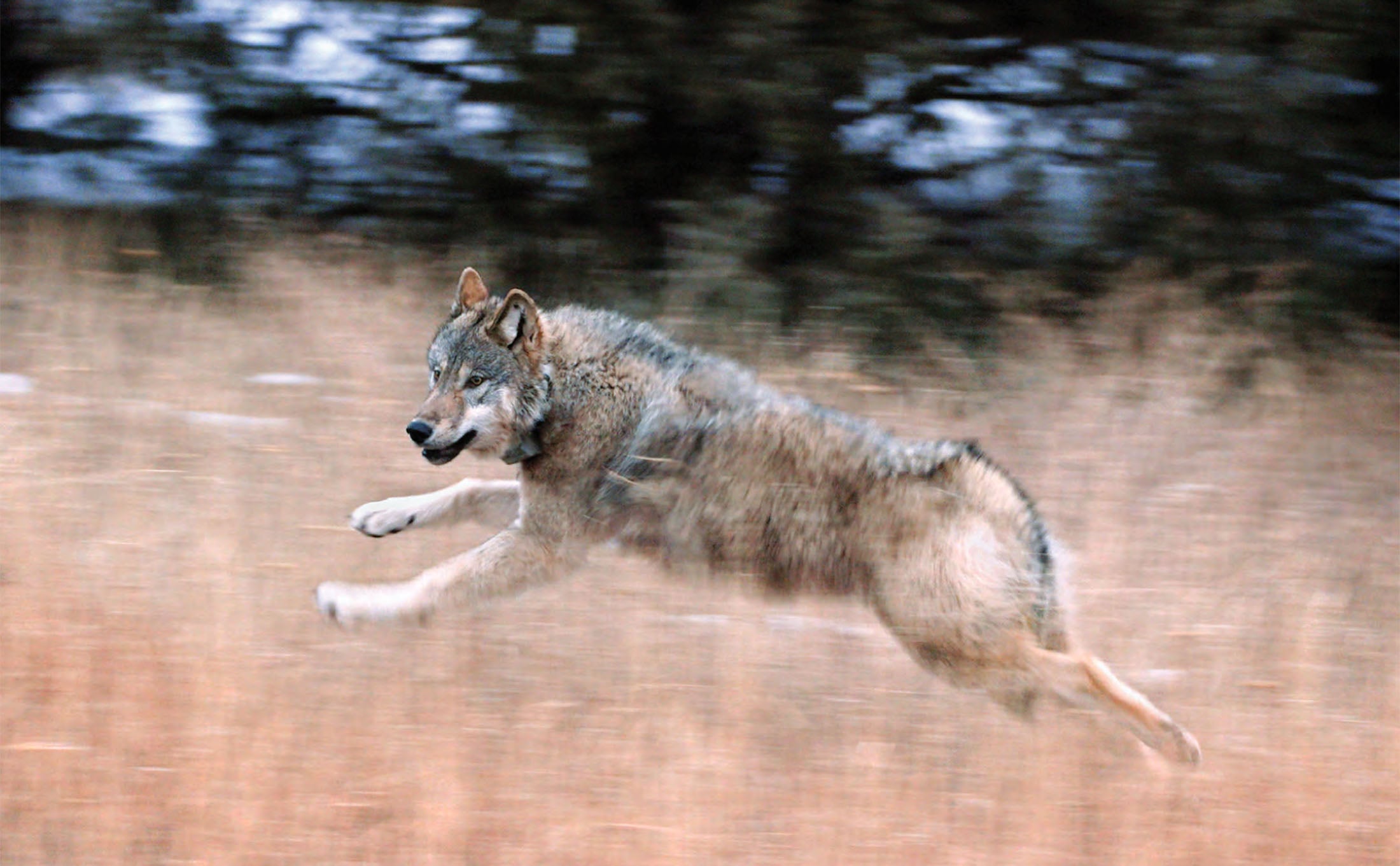
The gray wolf, a symbol of the American wilderness, has returned to the mountains of Colorado—but its future remains tethered to a volatile political landscape. After being eradicated from the state in the 1940s due to aggressive, government-sanctioned hunting campaigns, the species has begun a tentative recovery. With the first pups born in 2024 and subsequent litters in 2025, the state’s reintroduction program is yielding tangible biological success. Yet, this historic comeback is now facing an existential threat from federal administrative shifts that jeopardize the progress made under the Endangered Species Act (ESA).
The Path to Reintroduction: A Mandate from the People
The return of the gray wolf to Colorado was not merely a scientific endeavor; it was a democratic mandate. In 2020, Colorado voters passed a landmark ballot initiative directing state wildlife officials to reintroduce gray wolves to their historic habitat on the Western Slope. The program was designed to restore a critical predator to the ecosystem, balancing ecological health with the needs of the agricultural community.
Following the vote, Colorado Parks and Wildlife (CPW) engaged in a multi-year, rigorous planning process. Scientists, wildlife biologists, ranchers, and conservationists spent years developing protocols to facilitate the release of wolves sourced from Oregon and Canada. The goal was to establish a self-sustaining, genetically diverse population. By December 2023, the first releases began, and by early 2025, the presence of new litters confirmed that these apex predators were beginning to thrive in their ancestral home.
Chronology: From Eradication to Restoration
The narrative of the gray wolf in the American West is one of dramatic extremes.
- 1940s: After a century of intensive persecution, the gray wolf is officially declared extirpated (locally extinct) in Colorado.
- 1974: The gray wolf receives federal protection under the Endangered Species Act, a move that would eventually serve as the legal foundation for its recovery across the lower 48 states.
- 1990s: The successful reintroduction of wolves into Yellowstone National Park demonstrates the ecological benefits of the species, triggering a "trophic cascade" that improved riparian health and biodiversity.
- 2020: Colorado voters approve Proposition 114, mandating the reintroduction of the gray wolf by the end of 2023.
- 2023: The first wolf releases occur on the Western Slope of Colorado, marking the beginning of a new era for the species.
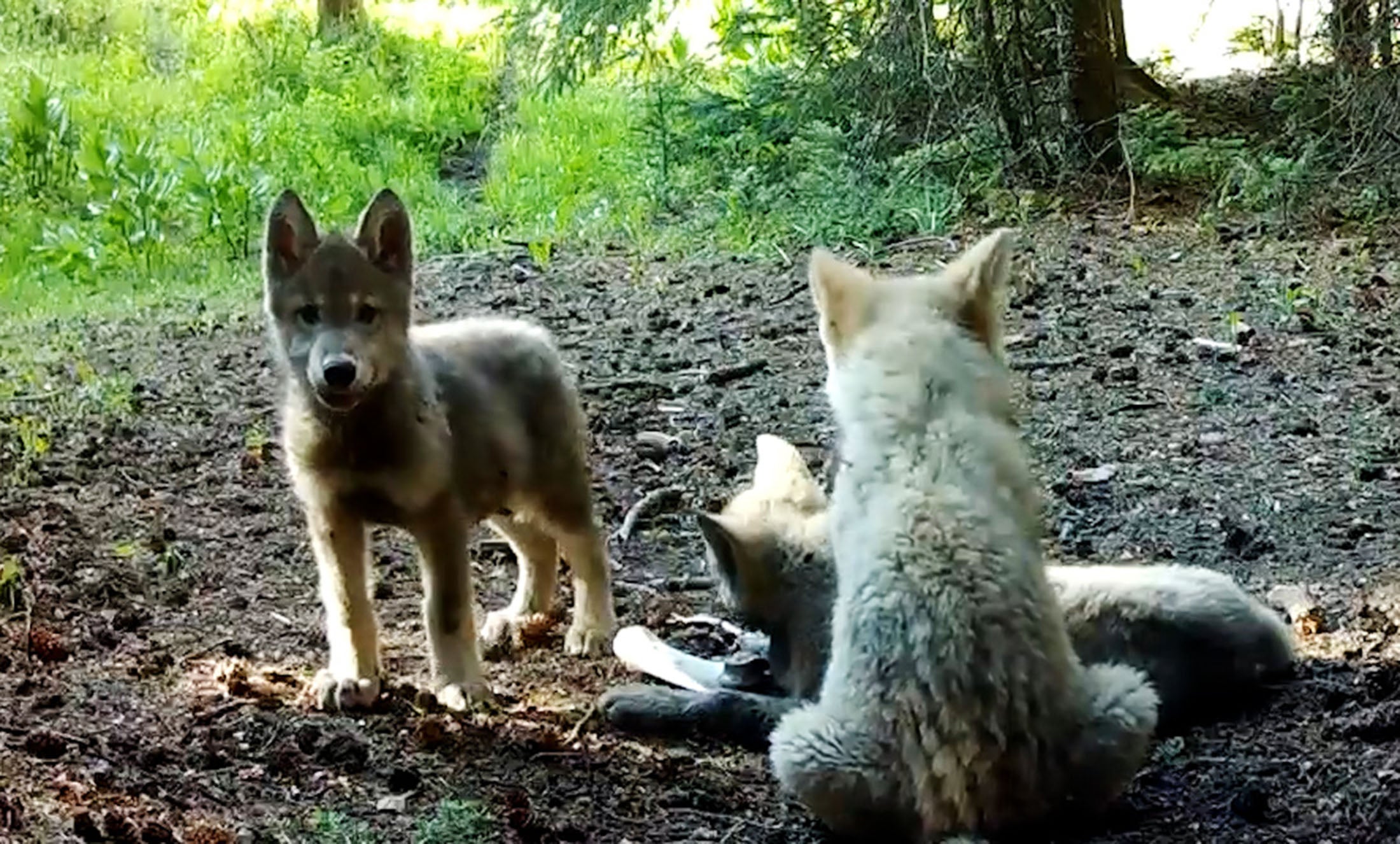
- 2024–2025: The first generation of wild-born pups arrives, signaling that the reintroduction is ecologically viable.
- 2026: The U.S. Fish and Wildlife Service (USFWS), under the Trump administration, halts planned winter releases, citing concerns from industry stakeholders and initiating a public comment period that conservationists fear is designed to undermine the recovery effort.
The Endangered Species Act: The Bedrock of Conservation
The ESA is widely regarded as one of the most successful environmental statutes in history, credited with preventing the extinction of 99% of the species it has protected. For the gray wolf, the ESA provided the necessary legal framework to halt the cycle of eradication and replace it with a strategy of managed recovery.
The law requires the U.S. Fish and Wildlife Service to prioritize species recovery and mandates federal-state cooperation. However, this structure is currently under siege. Opponents of wolf recovery—largely represented by industrial livestock lobbying groups—have leveraged their influence in Washington to pressure the current administration to backtrack on federal commitments. By blocking further releases and opening a public comment period, federal authorities are effectively providing a platform for anti-wolf sentiment to override established science and public consensus.
Supporting Data: Public Support vs. Political Maneuvering
Despite the narrative pushed by anti-wolf interest groups, public support for the restoration program remains robust. A recent poll conducted by Colorado Nature Action indicates that a significant majority of Colorado residents support the reintroduction and express high levels of confidence in CPW’s management.
The state has proactively worked to mitigate conflicts between wolves and livestock. CPW provides extensive resources for non-lethal deterrents, range rider programs, and compensation for livestock losses. These measures were designed to ensure that ranchers and wolves could coexist. However, the federal government’s decision to halt winter 2025 releases at the request of industry groups suggests a departure from the collaborative, science-led approach that has defined the program thus far.
Furthermore, attempts by industry-funded groups to pass ballot measures to stop the reintroduction have failed repeatedly, as they have been met with opposition from a coalition that includes not only environmentalists but also hunters and local community leaders who recognize the ecological value of a restored wild.
Legal Implications and the Role of Earthjustice
The legal battle over the gray wolf has spanned over two decades, with Earthjustice at the forefront of the litigation. The organization has successfully utilized the courts to force federal compliance with the ESA. A pivotal 2022 court victory resulted in the restoration of federal protections for gray wolves across much of the U.S., effectively shielding the Colorado population from premature removal of status.
The legal team has also been instrumental in challenging aggressive state management policies in Montana, Idaho, and Wyoming, where political pressure has led to trapping and snaring policies that threaten not just wolves, but also endangered grizzly bears. By securing a federal ban on wolf trapping during non-denning seasons, Earthjustice has demonstrated the importance of independent judicial oversight in wildlife management.
The Broader Assault on Environmental Protections
The current efforts to undermine the Colorado wolf program are part of a wider, systemic assault on the ESA. The administration and its allies in Congress have repeatedly sought to gut the act, aiming to weaken the criteria for listing species and limit the power of the federal government to mandate habitat protection.
On Earth Day, a significant attempt was made in the U.S. House of Representatives to pass legislation that would have drastically curtailed the effectiveness of the ESA. The bill was narrowly averted only after a coalition of environmental organizations, including Earthjustice, successfully mobilized public opposition, leading to a cancellation of the vote due to a lack of support. However, this victory is precarious.
The Future: A Test of National Priorities
The gray wolf’s future in Colorado is now a litmus test for the integrity of federal conservation policy. If the federal government succeeds in using the public comment process to weaken the recovery plan, it will set a dangerous precedent: that local democratic decisions and biological data can be overruled by politically connected industry interests.
The implications extend far beyond the borders of Colorado. If the ESA is successfully undermined to appease anti-wolf lobbyists, the legal tools available to protect other endangered species across the country will be significantly weakened. As the administration continues its campaign to reshape federal land and wildlife management, the battle for the gray wolf remains a central front in the fight to ensure that environmental policy is driven by science rather than partisan ideology.
For now, the pups born in 2024 and 2025 continue to roam the Colorado landscape, oblivious to the political storm surrounding them. Their survival is not merely a matter of biology; it is a matter of law. As advocates prepare for the next round of litigation, one thing remains clear: the fight for the gray wolf is a fight for the very soul of the American West. The commitment to restoring these predators is a reflection of a society that values its natural heritage and is willing to defend the institutions—like the ESA—that make such restoration possible. Should the administration move to further dismantle these protections, the courts remain the final bulwark against the permanent loss of one of the nation’s most iconic and essential species.