May 1, 2026
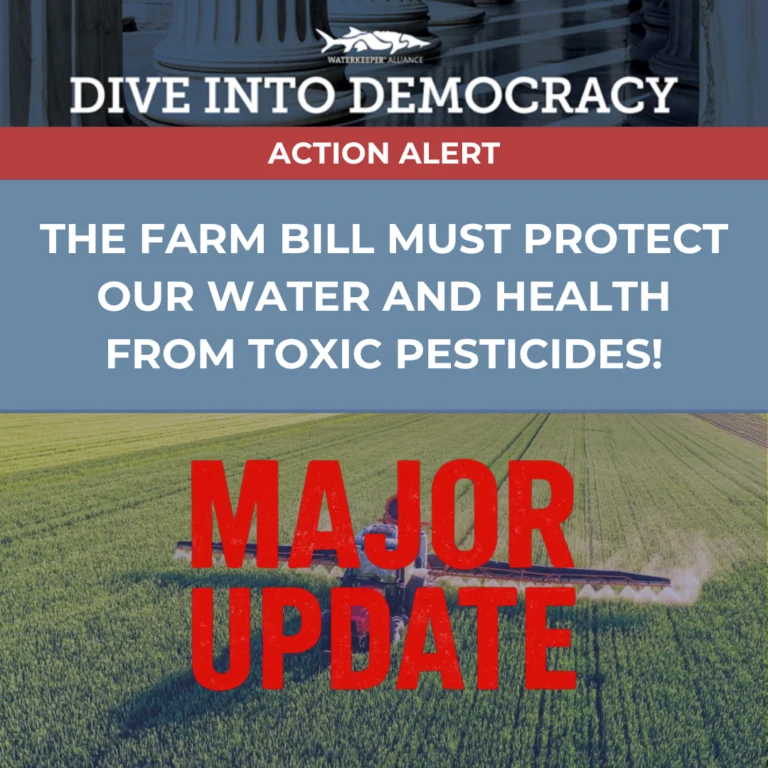
In a significant development for environmental advocates and public health organizations, the U.S. House of Representatives recently passed the 2026 Farm Bill, successfully excising several contentious provisions that would have fundamentally weakened clean water protections. The victory, while partial, marks a pivotal moment in the ongoing national debate over the influence of chemical manufacturers on federal agricultural policy. As the legislation heads to the Senate, environmental groups are urging sustained public engagement to ensure that the final iteration of the bill prioritizes community health over industrial interests.
Main Facts: A Legislative Shift
The 2026 Farm Bill is a massive, omnibus legislative package that dictates the future of American agriculture, food security, and environmental stewardship. The version recently passed by the House notably stripped out "anti-clean water" provisions that would have granted pesticide manufacturers broad immunity from liability.
For months, advocacy groups—led by the Waterkeeper Alliance and a coalition of public health watchdogs—argued that these provisions would have created a "get out of jail free" card for corporations responsible for contaminating local waterways. By removing these clauses, the House has maintained, for the time being, the ability for communities to hold chemical manufacturers accountable when their products leach into groundwater and river systems.
The core of the dispute centers on the intersection of industrial pesticide use and the Clean Water Act. While the House bill represents a triumph of public mobilization, it remains an imperfect instrument. Critics argue that the bill still contains lingering threats to water security, leaving the path open for further legislative battles in the Senate.
Chronology: The Road to the House Vote
The path to the May 1 vote was characterized by intense lobbying, grassroots organizing, and a high-stakes standoff between industrial agricultural interests and environmental protection coalitions.
- January 2026: Initial drafts of the Farm Bill were leaked, revealing clauses that would limit the legal liability of pesticide companies. These provisions were buried within technical language regarding "regulatory harmonization."
- February 2026: Environmental organizations sounded the alarm, identifying the liability shields as a direct threat to the Clean Water Act.
- March 2026: The campaign intensified. Digital advocacy platforms reported thousands of messages sent to members of Congress daily. Stakeholder meetings began in Washington, D.C., as farmers concerned about soil health joined forces with water quality activists.
- April 2026: Public pressure peaked. Several key House committee members, initially supportive of the immunity provisions, signaled a retreat following a surge in public disapproval and critical media coverage.
- May 1, 2026: The U.S. House of Representatives passed the amended version of the bill, successfully stripping the most controversial pesticide-liability exemptions.
Supporting Data: The Hidden Costs of Contamination
The urgency surrounding the 2026 Farm Bill is rooted in decades of data regarding water contamination. According to recent environmental assessments, runoff from industrial farms remains the primary source of impairment for the nation’s rivers and lakes.
The Impact of Pesticide Runoff
Data from the Environmental Protection Agency (EPA) and various regional water monitoring bodies indicate that over 40% of U.S. rivers are currently categorized as "impaired." The primary culprits are nutrient pollution and the leaching of synthetic pesticides. When manufacturers are shielded from liability, the cost of this contamination is shifted onto local municipalities.
Economic Implications for Taxpayers
Studies suggest that the cost of water filtration systems has increased by nearly 18% over the last five years, largely due to the presence of complex chemical compounds that are increasingly difficult to remove from drinking water. When chemical companies are not held liable for the environmental impacts of their products, municipal water utilities—and by extension, the taxpayers—are forced to foot the bill for high-tech treatment infrastructure.
Official Responses and Stakeholder Perspectives
The Advocacy Stance
Leaders of the clean water movement have characterized the House vote as a "hard-won battle." In a statement following the vote, environmental lobbyists emphasized that the progress was a direct result of "coordinated advocacy, stakeholder engagement, and sheer public pressure."
"This isn’t just about policy; it’s about the fundamental right to clean water," noted one lead organizer. "The message we sent to Congress is that families, children, and farmers will not pay the price for policies that prioritize chemical company profit margins over the safety of our natural resources."
The Industrial Perspective
Conversely, groups representing large-scale pesticide manufacturers have argued that liability protections are necessary to provide "regulatory certainty." They contend that without such protections, the constant threat of litigation stifles innovation and slows the development of new, more efficient agricultural technologies.
However, opponents argue that "innovation" should not be synonymous with "exemption from accountability." They demand that the Senate version of the bill must emphasize "rigorous scientific review" and a shift toward safer alternatives, rather than simply protecting existing products from the scrutiny of the courts.
Implications: The Senate Battleground
As the legislative process shifts to the Senate, the fight for clean water is entering its most critical phase. The Senate traditionally operates with a different set of political pressures, often influenced more heavily by industrial lobbying groups than the more populist-leaning House.
What’s at Stake in the Senate
The primary concern for environmentalists is that the liability shields stripped by the House may be reintroduced in the Senate version of the bill. There is also fear that other, more subtle provisions—such as those that weaken the definition of "protected waters" under the Clean Water Act—could be inserted during the reconciliation process.
The Need for Continued Pressure
The call to action issued by advocacy groups is clear: the momentum generated by the House victory must be sustained. This involves:
- Direct Communication: Urging constituents to contact their senators to express opposition to any new liability exemptions.
- Scientific Advocacy: Lobbying for increased funding for independent research into the long-term health impacts of current pesticide cocktails.
- Policy Reform: Advocating for a Farm Bill that incentivizes regenerative agricultural practices, which naturally reduce the need for synthetic chemical inputs.
A Vision for Future Policy
Ultimately, the 2026 Farm Bill represents a fork in the road for American agriculture. We can continue down a path that prioritizes chemical-intensive industrial practices, or we can choose a model that centers on ecological health and sustainable food production.
The decision made by Congress will affect the quality of water for generations. As the Senate prepares to take up the bill, the eyes of the nation are fixed on whether legislators will uphold the principle that the polluter must pay.
Moving Toward Safer Alternatives
The debate over the 2026 Farm Bill is an opportunity to reframe how we view agricultural progress. By shifting the focus away from protecting chemical manufacturers and toward investing in safer, science-backed alternatives, the U.S. could become a global leader in sustainable farming. This includes:
- Integrated Pest Management (IPM): Reducing reliance on broad-spectrum pesticides through biological controls and precision farming.
- Riparian Buffers: Investing in federal programs that pay farmers to maintain vegetation along waterways, which acts as a natural filter for agricultural runoff.
- Transparency: Mandating full disclosure of the chemical ingredients in agricultural products, ensuring that local communities are fully informed about the potential risks to their water supply.
Conclusion: A Call to Action
The recent House vote proves that public pressure works. When thousands of citizens raise their voices in unison, the halls of Congress are forced to listen. However, the work is far from finished. The struggle for clean water is an ongoing process of vigilance, advocacy, and participation in the democratic process.
"We have won a battle, but this fight isn’t over," is the rallying cry for the coming months. The citizens who mobilized to save the clean water provisions in the House must now turn their attention to the Senate. It is a reminder that in a democracy, the protection of our most vital resources—our water, our food, and our health—is not a static achievement but an active, daily responsibility.
The question remains: will our senators choose to protect the health of their constituents, or will they succumb to the influence of those who profit from the status quo? The time to contact your senators is now. Demand a Farm Bill that provides everyone with access to clean water and safe, healthy food. The future of our environment depends on it.